
 Hailey Watson
12 Lifestyle Trends That Are More Stressful Than Helpful

Modern life bombards us with promises of better living through trendy habits and routines. Social media influencers and wellness gurus promote lifestyles that supposedly lead to happiness, health, and success.
But what if some of these popular trends actually create more anxiety and pressure than peace? Many well-intentioned lifestyle movements can backfire, leaving people feeling overwhelmed, inadequate, or financially drained instead of fulfilled.
1. Extreme Morning Routines
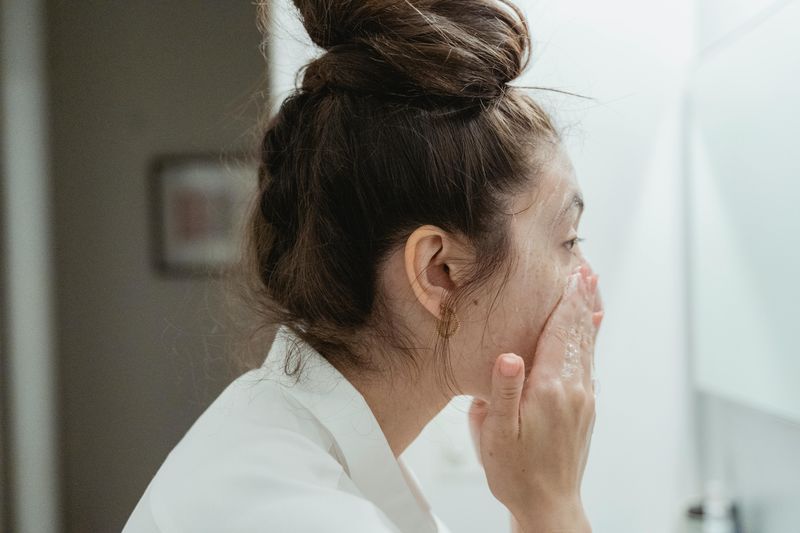
Waking up at 4 AM to meditate, journal, exercise, make a green smoothie, and read for an hour sounds productive until you realize you need sleep.
The pressure to have an Instagram-worthy morning creates exhaustion rather than energy.
Most people need seven to nine hours of sleep, and sacrificing rest for a complicated routine defeats the purpose.
Your body functions best with adequate sleep, not with forced early rising.
A simple morning that includes basic hygiene, a healthy breakfast, and maybe ten minutes of stretching works just fine.
Not everyone thrives as an early bird, and that is perfectly okay for your health and happiness.
2. Hustle Culture and Side Gigs

Grinding 24/7 and turning every hobby into a money-making venture might sound ambitious, but it often leads to burnout.
The idea that you must constantly be productive makes relaxation feel like failure.
Your brain needs downtime to recharge and process information.
When every spare moment becomes another work opportunity, you lose the joy that hobbies naturally provide.
Painting, gardening, or playing music can just be fun without becoming a business.
Rest is not laziness; it is essential for mental health and creativity.
Society’s obsession with constant productivity creates anxiety and robs people of genuine leisure time that refreshes the mind and spirit.
3. Clean Eating Obsession
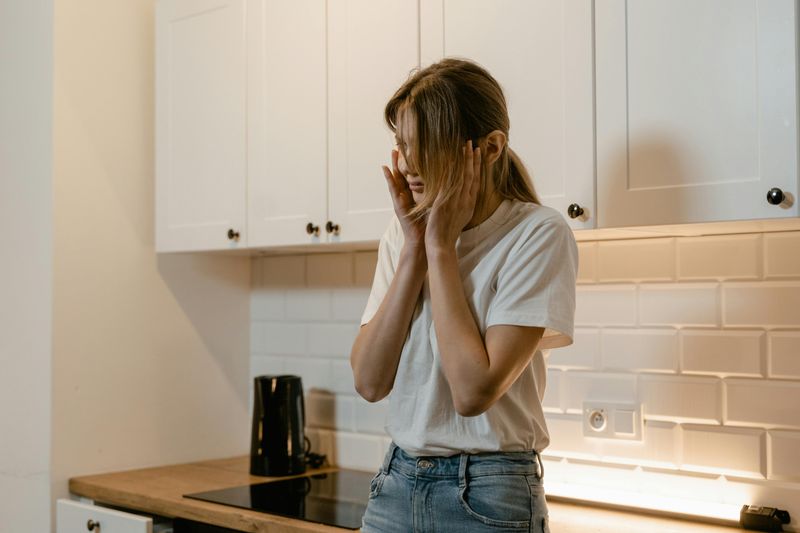
When food is labeled as good or bad, eating can become emotionally exhausting.
Spending hours scrutinizing ingredients or feeling shame for having birthday cake shifts food away from nourishment and toward unnecessary stress.
Orthorexia, an obsession with healthy eating, is a real disorder that affects mental and physical health.
Bodies need variety, including occasional treats, to function properly and maintain a balanced metabolism.
Nutrition matters, but so does enjoying meals with family and friends without fear.
A balanced approach that includes mostly nutritious foods with room for flexibility promotes better health than rigid rules that create constant worry.
4. Minimalism to the Extreme

Owning only 100 possessions might work for some people, but for others it creates constant stress about what to keep and what to discard.
The pressure to have a perfectly sparse home can make you feel inadequate about normal belongings.
Families with children, people with hobbies, or those who enjoy cooking need more than a capsule wardrobe and empty counters.
Forcing extreme minimalism when it does not fit your lifestyle causes anxiety rather than the promised peace.
Decluttering excess stuff is helpful, but keeping things that bring joy or serve practical purposes is perfectly fine.
Your home should support your actual life, not match someone else’s aesthetic ideal from social media.
5. Constant Self-Optimization
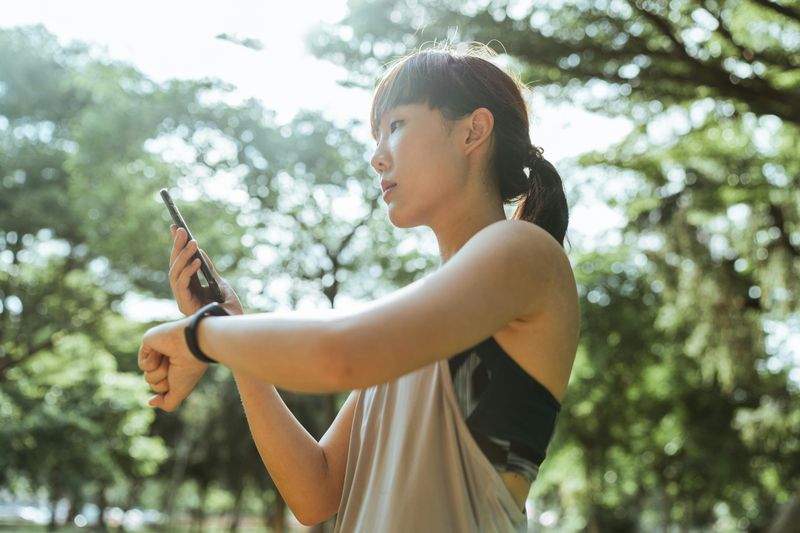
While tracking habits can offer insight, over-monitoring sleep, hydration, and movement can backfire.
An excessive focus on data can dull your awareness of your body’s natural cues.
Apps and devices promise better health through monitoring, but constantly checking numbers creates anxiety about meeting daily goals.
Missing your step count or sleep target should not ruin your mood or make you feel like a failure.
Listening to your body’s signals works better than relying solely on technology.
Feeling tired means you need rest, regardless of what your fitness tracker says about your sleep score last night.
6. Zero-Waste Living Pressure

Producing absolutely no trash is admirable but unrealistic for most people, especially those with limited time, money, or local resources.
The guilt from using a plastic bag or disposable item can overshadow the positive changes you do make.
Perfect is the enemy of good when it comes to environmental efforts.
Doing what you can, like recycling, reducing meat consumption, or using reusable bags sometimes, helps without creating overwhelming stress about every purchase decision.
Sustainable living should improve your life, not fill it with constant guilt.
Small consistent efforts matter more than unattainable perfection that leaves you feeling defeated and anxious about every piece of packaging.
7. Social Media Authenticity Performance
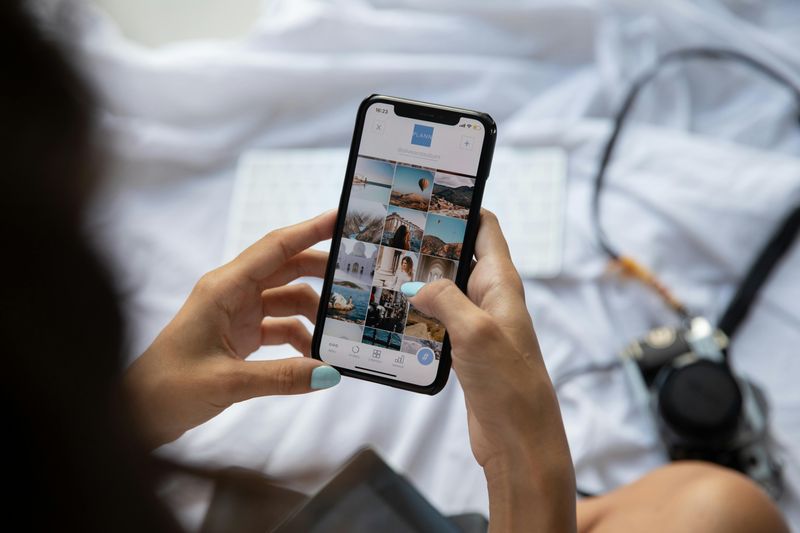
Ironically, the trend of being authentic online often becomes another performance that requires careful curation.
Sharing vulnerable moments for likes and engagement can feel emotionally draining rather than genuinely connecting.
Constantly thinking about how to present your real self to an audience defeats the purpose of authenticity.
Your actual life does not need to be documented and shared to have value or meaning.
Real authenticity happens in private moments and face-to-face relationships, not through carefully crafted posts about being real.
Taking breaks from performing your life online, even your authentic struggles, protects your mental health and genuine relationships with people who truly know you.
8. Productivity Hacking Everything

Applying productivity techniques to every moment, including leisure time, removes the actual benefit of relaxation.
When you optimize how efficiently you watch TV or take a walk, nothing remains just for enjoyment.
Your brain needs unstructured time without goals or optimization to truly rest and recharge.
Constantly seeking to maximize output from every activity creates mental exhaustion rather than the efficiency you seek.
Some moments deserve to be inefficient and meandering.
Reading a book slowly, taking a long bath, or staring out the window provides mental benefits that no productivity hack can replace or improve upon.
9. Expensive Wellness Rituals

Monthly costs for boutique fitness classes, organic supplements, specialty foods, and wellness subscriptions add up quickly and create financial stress.
The wellness industry profits by making you feel like basic health requires premium purchases.
Walking outside costs nothing and provides excellent exercise.
Drinking regular water hydrates just as well as expensive alkaline or vitamin-enhanced versions.
Sleep, movement, and connection matter more than pricey products.
Financial anxiety undermines any wellness benefit from costly trends.
Your health does not require breaking your budget, and affordable options like home workouts, library books, and cooking simple meals work wonderfully for maintaining wellbeing.
10. Perfect Work-Life Balance

Striving for an ideal split between professional and personal time often creates more guilt than balance.
Some weeks require more work focus, while others allow more personal time, and that natural fluctuation is normal.
The pressure to achieve perfect balance daily makes people feel inadequate when work deadlines demand extra hours or family needs require schedule changes.
Life is messy and unpredictable by nature.
Instead of perfect balance, aim for overall satisfaction and flexibility across months rather than days.
Some seasons of life are work-heavy, others prioritize family, and accepting this reality reduces stress better than chasing an impossible ideal every single day.
11. Constant Personal Branding

When you feel like you have to market yourself, even simple moments can feel performative.
Constantly thinking about your personal brand can drain the joy from being spontaneous and showing up as your real self.
Not every person needs to be a brand, and most people benefit from separating their identity from marketable image.
Your worth extends far beyond how others perceive your curated online presence.
Relationships, hobbies, and quiet moments that never appear online often bring the most fulfillment.
Letting go of personal branding pressure allows you to make choices based on genuine preferences rather than how they look to an imagined audience watching your life.
12. Biohacking for Longevity
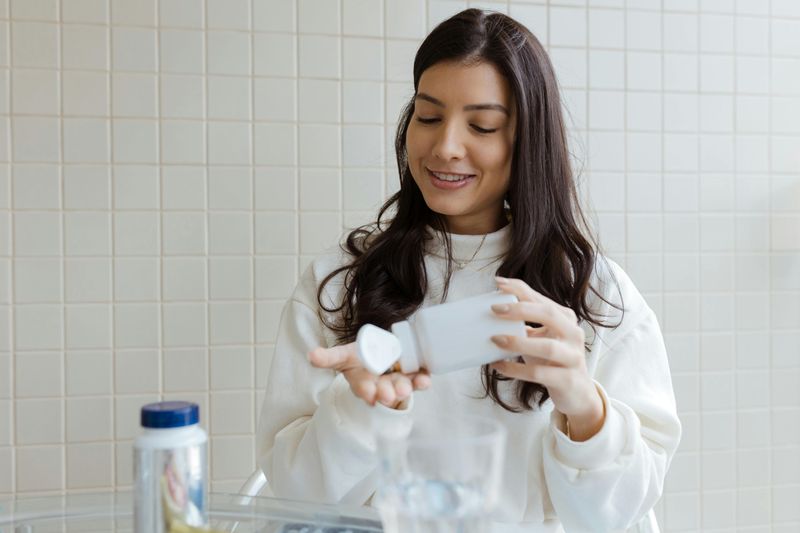
Obsessing over supplements, cold plunges, intermittent fasting schedules, and experimental treatments to extend lifespan can consume your present happiness.
When you spend current years worrying about adding future years, you miss enjoying today.
Basic healthy habits like regular movement, decent nutrition, social connections, and stress management provide most longevity benefits without extreme measures.
Your body is not a science experiment requiring constant intervention.
Quality of life matters as much as length of life.
Spending thousands on unproven biohacking trends while stressing about mortality defeats the purpose of wanting more years to enjoy living fully and presently.
Comments
Loading…