
 Mary Murphy
Saving money is smart, but being cheap can be a sneaky kind of expensive.
The difference is simple: frugal choices protect your future, while cheap choices often ignore it.
When you buy the lowest-priced option without thinking about durability, safety, or long-term upkeep, you can end up paying twice, wasting hours, or dealing with preventable problems that cost far more than the original “deal.”
Sometimes the price shows up as replacement costs; other times it appears as repairs, higher bills, or even stress and lost time you never get back.
If you’ve ever felt that sting of rebuying the same thing over and over, you already know the pattern.
Here are seven common moments when cutting corners feels like a win at checkout, but turns into a loss later.
1. Buying the cheapest shoes (especially work/walking shoes)

A bargain pair can look identical on the shelf, but the difference shows up after a few weeks of daily wear.
Low-quality soles often compress quickly, leaving you with less support and a shoe that starts rubbing in all the wrong places.
That can mean blisters, sore arches, and the kind of nagging knee or back discomfort that makes long days feel even longer.
The real money drain happens when the shoes break down and you’re forced to replace them again, sometimes multiple times in a single season.
A better approach is to pay for comfort where it matters, especially if you walk a lot or stand for work.
Look for sturdy outsoles, supportive insoles, and materials that won’t split after a month.
2. Skipping routine car maintenance

Delaying basic upkeep can feel harmless when the car still runs, but vehicles are unforgiving when small issues are ignored.
Old oil loses its protective qualities, which increases engine wear and can shorten the life of parts that cost a fortune to replace.
Tires that never get rotated wear unevenly, which makes them fail sooner and can reduce traction when roads are wet or icy.
Brakes are another classic example, because worn pads can damage rotors, turning an affordable fix into a much larger bill.
The savings disappear quickly when a preventable breakdown forces emergency repairs, towing, or missed work.
A simple schedule and a few reminders can protect your budget far better than last-minute panic spending.
Maintenance is basically insurance you control.
3. Choosing the lowest-quality mattress/pillow
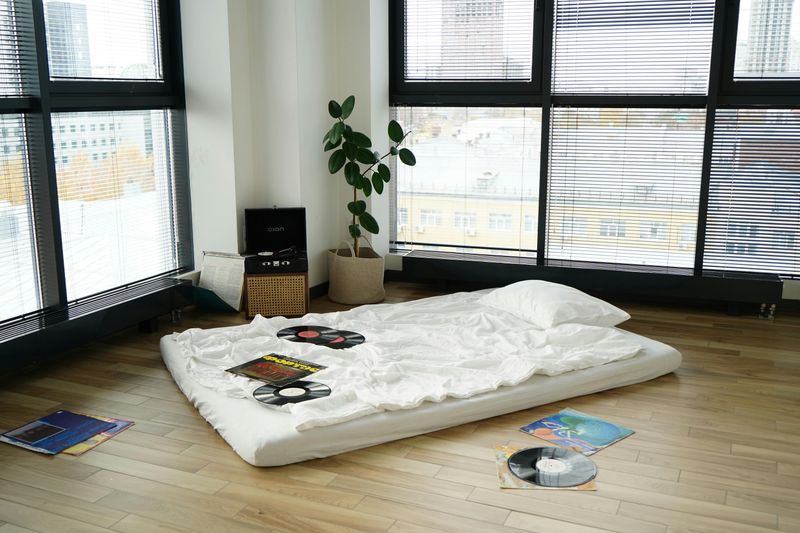
A rock-bottom sleep setup may seem like an easy place to cut costs, but your body keeps the receipts.
Low-quality mattresses often lose support fast, creating pressure points that can leave you waking up stiff, sore, and more exhausted than you were at bedtime.
Over time, poor sleep can affect focus, mood, and energy, which makes everyday life feel harder than it needs to be.
The financial side shows up in frequent replacements, because a cheap mattress can sag within a few years, and bargain pillows often flatten long before they should.
If aches start creeping in, you might also spend more on pain relief, massages, or appointments just to feel normal again.
Investing in good support doesn’t have to mean luxury, but it should mean durability and proper alignment.
4. Buying bargain cleaning products/tools that don’t work
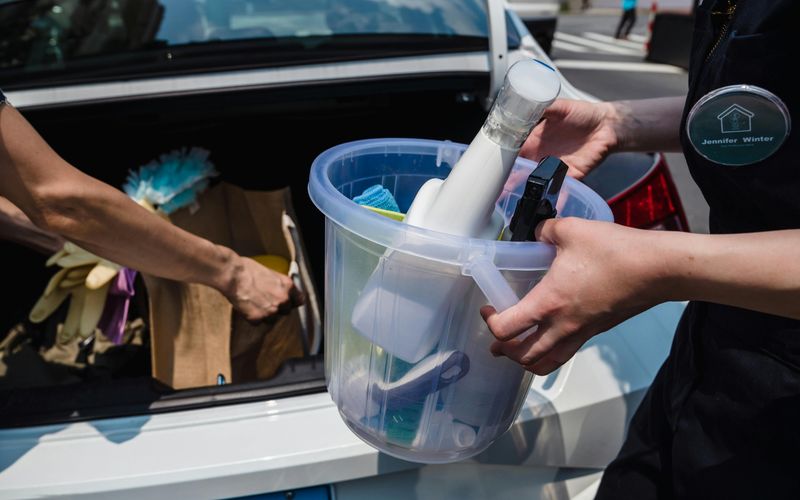
It’s tempting to grab the cheapest bottle and assume all cleaners are basically the same, but weak formulas often cost you in time and results.
You end up using more product, scrubbing longer, and still feeling like your counters, tubs, or floors never quite get truly clean.
In some cases, harsh bargain options can actually damage finishes, leaving dull spots, discoloration, or scratches that are expensive to fix or replace.
The hidden expense isn’t only what you re-buy, but also what you have to rescue later, especially when stains set in or grime builds up.
A smarter strategy is choosing a few proven basics that work well, then using them correctly with the right tools.
One solid cleaner and a quality microfiber cloth can outperform a cabinet full of cheap bottles.
5. Going with the cheapest phone charger/electronics accessories
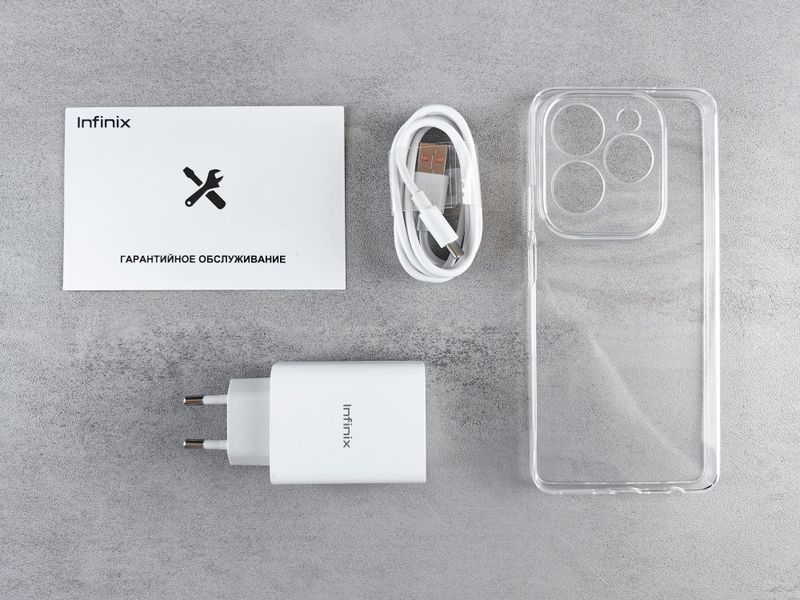
The lowest-priced cables and adapters often fail in the most annoying way: slowly, and then all at once.
Poor insulation can fray, connectors loosen, and charging speeds become unreliable, which leads to constant replacements and daily frustration.
Worse, badly made accessories can overheat or deliver inconsistent power, which isn’t great news for devices you rely on for work, banking, or communication.
The long-run cost shows up when you buy multiple “cheap” cords over the year, or when a damaged port or battery performance issue forces an expensive repair.
Spending a little more for reputable brands, certified standards, and sturdy strain relief usually pays for itself quickly.
Consider keeping one high-quality cable at home and another in your bag or car so you’re not stuck buying emergency replacements at convenience-store prices.
6. Skipping insurance (or choosing ultra-low coverage)
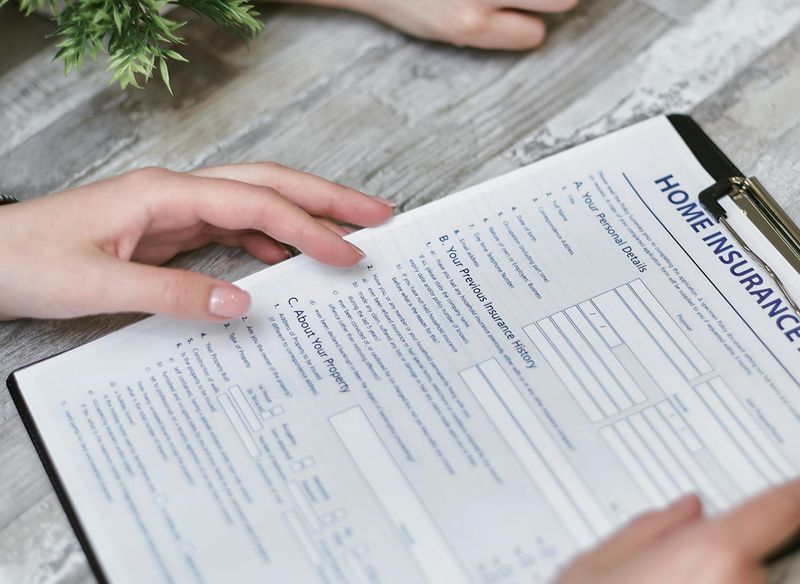
Monthly premiums can feel like money disappearing into thin air, which is why ultra-cheap coverage is so tempting.
The problem is that insurance only matters when something goes wrong, and that’s exactly when thin coverage hits hardest.
High deductibles, low limits, and missing protections can leave you paying thousands out of pocket after an accident, a leak, or a medical surprise.
People often discover too late that the “budget” policy doesn’t cover rental cars, replacement costs, or certain types of damage, and the gap comes straight from savings.
Instead of shopping only by price, look at what you’d have to pay in a worst-case scenario and whether you could truly handle it.
A slightly higher premium can be the difference between an inconvenience and a financial setback that takes months to recover from.
7. Buying “fast furniture” (particleboard basics) for daily use
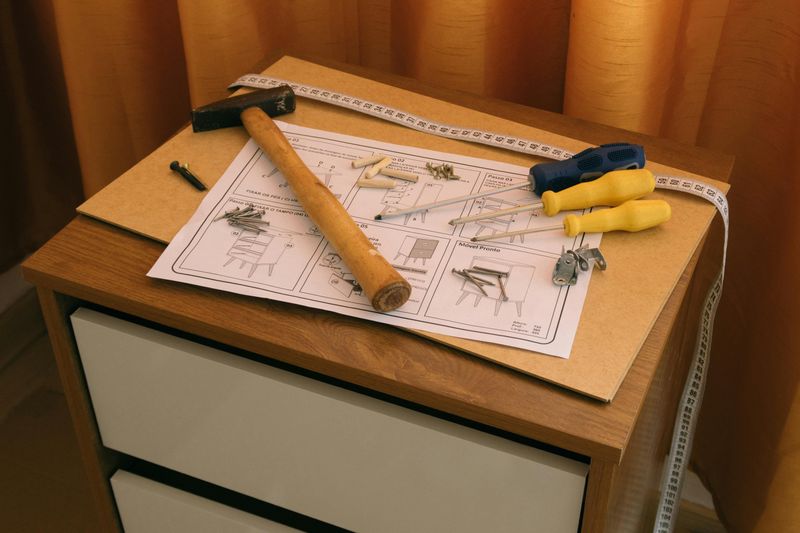
That low-cost dresser or desk can seem like a win until it starts wobbling, peeling, or sagging under normal use.
Furniture made from thin particleboard and flimsy hardware often can’t handle repeated opening, moving, or daily weight, so it breaks faster than you expect.
The expense isn’t only buying a replacement, but also paying delivery fees, losing time assembling it again, and dealing with the headache of disposal.
Cheap chairs can even create posture issues, which turns into discomfort and additional spending on cushions or fixes.
A better approach is to prioritize durability for the pieces you use every day, like your bed frame, desk chair, and storage staples.
You can still save by shopping secondhand, waiting for sales, or choosing simple designs, as long as the build quality is there.
Comments
Loading…