
 Isabel Parker
A sale tag can make almost anything feel like a smart decision, even when it’s not something you needed five minutes ago.
The problem is that discounts don’t erase the real cost: money leaving your account, space disappearing in your home, and the mental load of managing “good deals” you never truly wanted.
Retailers count on the rush of urgency—limited-time offers, clearance racks, flash promos—because it nudges you to buy first and think later.
If you’re serious about being more intentional with your spending, the goal isn’t to avoid sales altogether.
It’s to stop letting a lower price talk you into purchases that don’t fit your life, your habits, or your budget.
Here are eight common categories that look like bargains, but often turn into expensive clutter.
1. Trendy clothes you don’t already have outfits for

A marked-down trend can feel like a shortcut to looking stylish, especially when the price is low enough to seem “risk-free.”
The catch is that most impulse fashion buys require extra spending to become wearable, and that’s how a $20 top quietly turns into a $120 outfit.
If you can’t picture at least three complete looks using items already in your closet, you’re not buying clothing—you’re buying a project.
Trend pieces are also the easiest to outgrow because they’re designed for a moment, not for everyday life.
Before you grab it because it’s “such a deal,” consider the cost per wear and whether you actually like it or just like the discount.
Sales should help you buy what you’d choose at full price, not what you’ll regret later.
2. Shoes that aren’t comfortable in the store

It’s easy to convince yourself that discomfort is temporary when the shoes are half off and you’re imagining how cute they’ll look with everything.
In reality, shoes that pinch, rub, or feel unstable in the store rarely turn into favorites once you get them home.
The “they’ll break in” mindset can lead to painful blisters, a closet full of unworn pairs, and repeat purchases when you still need something you can actually walk in.
Even worse, bargain shoes often have lower-quality materials that wear down quickly, so you end up paying again sooner than you expected.
A good rule is simple: if they aren’t comfortable within a few minutes of trying them on, the sale isn’t worth it.
Comfort is not a luxury purchase; it’s what makes the purchase usable.
3. Makeup/skincare you’re not out of yet

A discount on beauty products can feel like the responsible thing to do, like you’re “stocking up” the way savvy shoppers do.
The problem is that makeup and skincare aren’t pantry staples; they expire, separate, dry out, and sometimes stop working well long before you finish what you already own.
Backup hoarding also creates clutter that makes it harder to see what you have, which can lead to even more duplicate buying.
If you’re not replacing something you’re close to finishing, you may be paying for products that will sit in a drawer until they’re past their prime.
Sales are most useful when you’re buying your tried-and-true essentials, not experimenting with new formulas because the price looks appealing.
If it wasn’t on your list before you saw the deal, it probably doesn’t need to be on your vanity.
4. Bulk groceries for “fantasy cooking”

Big packages and multi-buy deals can make you feel like you’re winning at budgeting, especially when you imagine yourself meal-prepping effortlessly all week.
The tricky part is that bulk groceries only save money when they match your real habits, not the version of you that cooks elaborate meals every night.
Specialty sauces, large tubs of spreads, and “healthy” snacks you don’t actually enjoy tend to get shoved to the back of the fridge until they expire.
When that happens, you didn’t save money—you paid extra for food waste.
Before you buy in bulk, think about your schedule and what you realistically cook on your busiest days, not your best days.
If you’re often tired, rushed, or ordering takeout, buying ingredients for ambitious recipes is usually a donation to your trash can.
The best grocery deal is the one you use completely.
5. Home décor and seasonal decorations

A clearance aisle full of pillows, frames, and seasonal décor can make your home feel like it’s one cute purchase away from looking like a catalog.
The issue is that décor is rarely a “one thing” buy, and it tends to multiply because you start trying to make the new item fit the space.
That’s how a $12 candle holder leads to new throw pillows, a different rug, and a shelf you didn’t plan on buying.
Seasonal items are especially sneaky because they’re designed to feel urgent and limited, yet they only come out for a few weeks each year.
If you don’t have a specific plan for where it will go and when you’ll use it, it’s probably going to become storage clutter.
Instead of shopping décor sales out of boredom, decide on a clear budget and focus on pieces that solve a real problem, like lighting or organization, rather than just adding more stuff.
6. Extra kitchen gadgets and small appliances
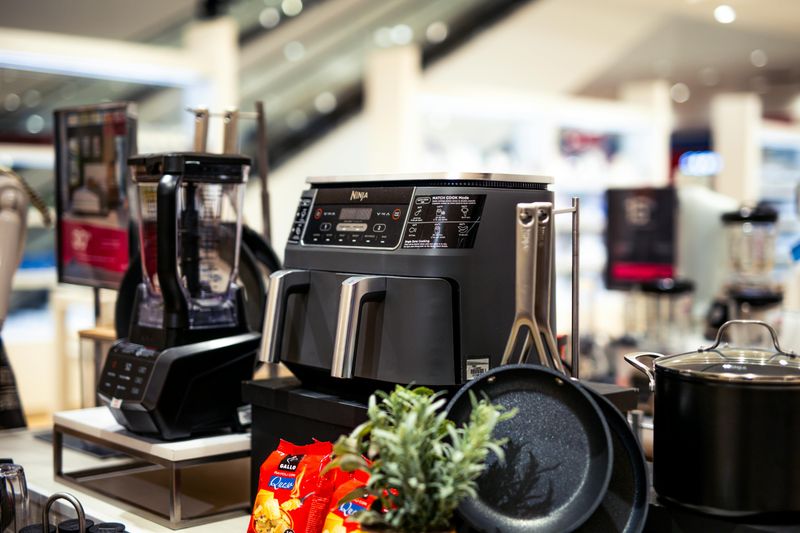
An on-sale kitchen gadget can make you feel like you’re investing in your future self, the one who makes perfect breakfasts, homemade snacks, and impressive dinners on a regular basis.
The reality is that many small appliances are single-purpose tools that take up space and require cleanup, which means they’re used once or twice and then forgotten.
Accessories and add-ons can be even worse because they’re cheap enough to toss into the cart without thinking, yet they rarely improve your daily routine.
If an item won’t replace something you already use often, it’s not an upgrade—it’s an addition.
Before buying, consider whether you’d still want it if it lived permanently on your counter, because that’s the best indicator of whether it’s worth the space.
A good kitchen works because it’s practical, not because it’s packed with gadgets that promised convenience but delivered clutter.
7. Subscription “deals” and free trials
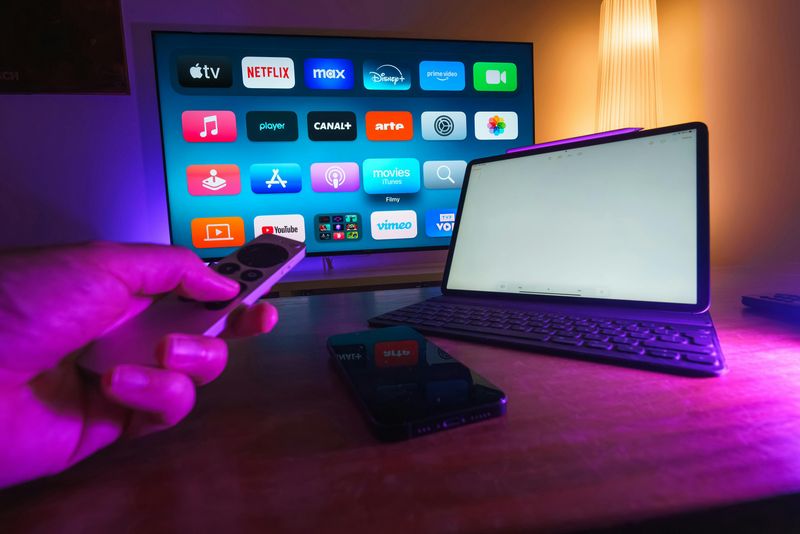
Discounted subscription offers are designed to feel harmless, especially when the first month costs less than a coffee or the trial is “totally free.”
The trap is that these deals rely on forgetfulness and inertia, because a small recurring charge is easy to ignore until it becomes a long-term budget leak.
Once you’re subscribed, companies make it simple to keep paying and surprisingly annoying to cancel, and those fees can stack up fast across multiple services.
Even if you do use the subscription occasionally, you might not be using it enough to justify the full price you’ll eventually pay.
A smarter approach is to treat subscriptions like rent: you should know exactly what you’re paying, when it renews, and why it’s worth it.
If you wouldn’t happily pay the regular rate after the promo ends, don’t sign up just because the intro deal looks tempting.
Sales are supposed to save money, not create monthly obligations.
8. Cheap electronics and impulse accessories
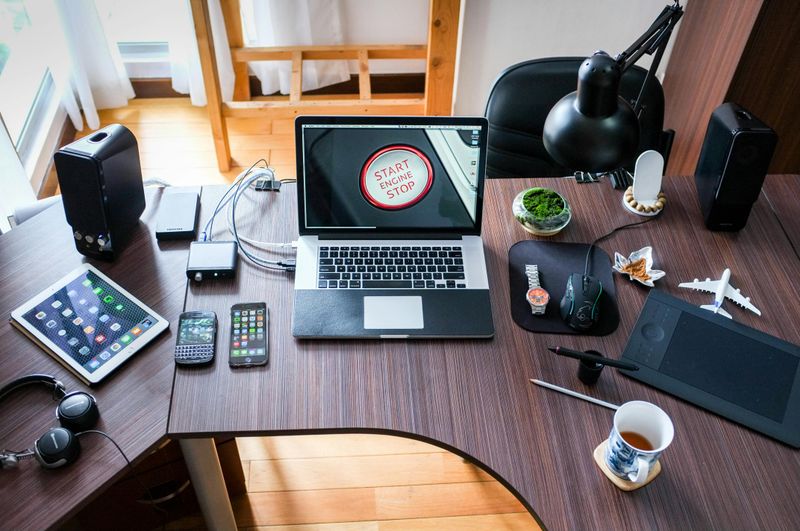
Low-priced electronics can feel like a low-stakes treat, especially when they promise convenience, productivity, or a quick upgrade to your daily routine.
The problem is that bargain tech often breaks faster, performs worse, and gets replaced sooner, which means the “deal” becomes a cycle of spending.
Chargers fray, earbuds cut out, and trendy mini-devices end up in a junk drawer once the novelty wears off.
Accessories are also a common impulse buy because they’re displayed near checkout or marketed heavily online, making them feel like practical add-ons rather than extra clutter.
Before buying, ask whether you’d still want the item if it cost a little more, because that question reveals whether it’s truly useful or just cheap enough to ignore.
Paying slightly more for a reliable version you’ll keep is often the more frugal choice.
The best tech purchase is the one you don’t have to replace in three months.
Comments
Loading…