
 Isabel Parker
12 Clear Signs You Have a Shopping Addiction

Shopping can be fun, exciting, and even a little therapeutic, but sometimes it crosses a line from harmless hobby to unhealthy habit. When the urge to buy becomes something you can’t control, it might be a sign that it’s more than just enjoying a good deal or treating yourself.
Overspending can start to affect your finances, relationships, and overall well-being. Recognizing the warning signs early gives you the chance to regain control—not just of your spending, but of your life, your choices, and your peace of mind.
1. You Hide Your Purchases from Family

Sneaking bags into your house or hiding receipts might seem harmless at first.
However, this behavior often signals deeper guilt about your shopping habits.
When you feel the need to lie about what you bought or how much you spent, it shows you already know something is wrong.
Family members deserve honesty, especially when it comes to shared finances.
Hiding purchases breaks trust and creates stress in relationships.
Being open about your spending is the first step toward fixing the problem and rebuilding trust with those you love.
2. Your Closet Is Overflowing with Unused Items
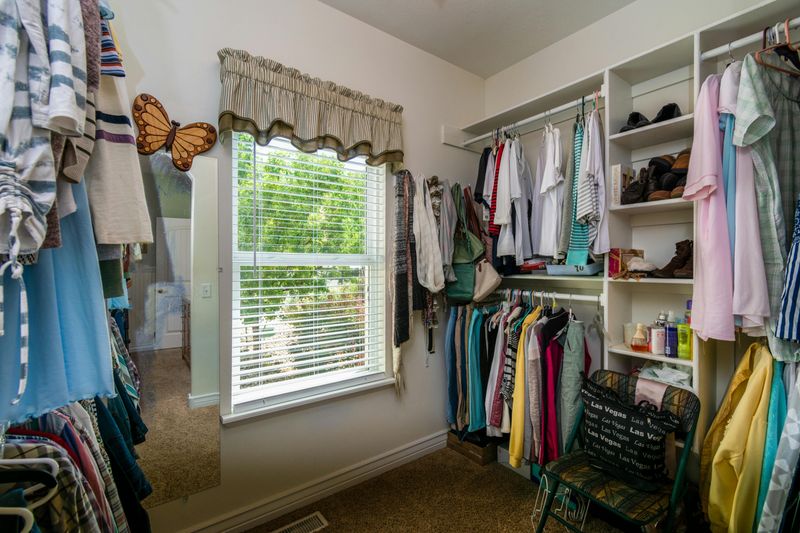
Walking into your closet feels like entering a store with tags still attached to half the items.
Clothes, shoes, and accessories pile up without ever being worn.
Buying things just to own them, not use them, wastes money and space in your home.
Every unused item represents cash that could have been saved or spent on something meaningful.
Recognizing this pattern helps you understand that shopping has become about the thrill of buying, not actual need.
Clearing out unused items can be eye-opening and motivating for change.
3. Shopping Makes You Feel Temporarily Happy

Feeling down or stressed often leads you straight to the mall or online stores.
Buying something new gives you a quick rush of excitement and joy.
Unfortunately, this happiness fades fast, leaving you feeling empty or guilty shortly after.
Using shopping as an emotional band-aid prevents you from dealing with real problems.
True happiness comes from solving issues, not avoiding them through purchases.
Finding healthier ways to cope with emotions, like talking to friends or exercising, creates lasting fulfillment instead of temporary highs.
4. You Cannot Resist Sales and Discounts

Seeing a sale sign makes your heart race and your fingers reach for your wallet automatically.
Even when you do not need anything, discounts feel impossible to pass up.
Buying something just because it is on sale, not because you want it, signals a problem.
Retailers design sales to trigger impulse purchases and create urgency.
Falling for this tactic repeatedly drains your bank account with things you never planned to buy.
Learning to walk away from sales, even great ones, builds self-control and saves money for things that truly matter.
5. You Shop When Bored or Lonely

Having nothing to do or feeling isolated sends you browsing online stores or wandering through shops.
Shopping fills empty time and provides a sense of connection, even if it is just with products.
Boredom and loneliness deserve better solutions than spending money.
Finding hobbies, volunteering, or reaching out to friends creates genuine fulfillment.
Shopping as a default activity when emotions dip prevents you from building meaningful experiences.
Recognizing this pattern allows you to choose activities that truly enrich your life instead of your shopping cart.
6. You Feel Guilty After Every Purchase

Excitement about a new purchase vanishes quickly, replaced by shame and regret.
Knowing you spent money you should have saved creates a heavy feeling in your chest.
This guilt cycle repeats itself but never seems to stop the next shopping trip.
Guilt serves as your inner voice telling you something needs to change.
Ignoring these feelings allows the behavior to continue unchecked.
Listening to your guilt and using it as motivation for change can help you develop healthier spending habits and greater peace of mind.
7. Your Budget Never Works Out

Creating a monthly budget seems pointless because you always overspend on shopping.
Plans to save money fall apart when you see something you want.
Consistent failure to stick to financial limits shows that shopping has taken priority over your goals.
Budgets only work when you respect them and adjust spending accordingly.
Breaking your budget repeatedly for non-essential purchases sabotages your financial future.
Getting serious about following a budget, perhaps with professional help, protects your finances and helps you reach important life goals.
8. You Buy Things You Do Not Need

Purchases pile up that have no purpose in your life whatsoever.
Kitchen gadgets you never use, clothes that do not fit your style, or decorations that stay in boxes.
Buying without considering actual need or use shows shopping has become mindless.
Every unnecessary purchase wastes money that could serve you better elsewhere.
Before buying, ask yourself if you truly need the item or just want the feeling of buying.
Practicing this simple question helps develop thoughtful spending habits and reduces wasteful purchases significantly.
9. Packages Arrive Daily at Your Door

Delivery drivers know you by name because packages arrive constantly at your home.
Stacks of boxes pile up faster than you can open them.
Frequent deliveries signal that online shopping has gotten out of hand.
Each package represents money spent and often items you barely remember ordering.
The convenience of one-click shopping makes overspending dangerously easy.
Tracking your orders and seeing the total number of weekly purchases can be a shocking wake-up call about your shopping habits.
10. Your Savings Account Stays Empty

Despite earning a steady income, your savings account never grows or stays at zero.
Money comes in and goes right back out through shopping.
Building an emergency fund or saving for future goals feels impossible.
Financial security requires putting money aside regularly, not spending every dollar earned.
Without savings, unexpected expenses create serious stress and debt.
Automatically transferring money to savings before you can spend it helps build the safety net everyone needs for true financial peace.
11. Shopping Interferes with Responsibilities

Important tasks get neglected because shopping takes priority in your schedule.
Missing work to hit sales, ignoring household chores to browse online, or skipping social events for shopping trips shows distorted priorities.
When shopping replaces responsibilities, life suffers.
Responsibilities exist for good reasons and ignoring them creates bigger problems.
Jobs, relationships, and personal health deserve attention more than acquiring new things.
Recognizing when shopping interferes with important obligations helps you understand the severity of the problem and motivates change.
12. You Keep Shopping Despite Financial Problems

Bills pile up unpaid, rent is late, or debt collectors call, yet shopping continues anyway.
Financial consequences that would stop most people do not change your behavior.
Continuing destructive spending despite obvious harm shows addiction has taken control.
Ignoring serious financial problems only makes them worse and harder to fix.
Every dollar spent shopping when you cannot afford it digs the hole deeper.
Confronting the reality of your financial situation and prioritizing bills over wants is essential for survival and recovery.
Comments
Loading…