
 Hailey Watson
11 Cultured Experiences That Are Overrated (But People Pretend to Love)
There’s a certain kind of social pressure that comes with “cultured” activities, especially the ones that are treated like personality traits.
If you admit you didn’t love the museum, the opera, or the tasting menu, people act like you just confessed you don’t recycle.
The truth is, plenty of experiences are objectively impressive while still being boring, confusing, overpriced, or simply not your thing.
And that’s okay.
Enjoying culture isn’t supposed to feel like passing a test, and it definitely shouldn’t require fake enthusiasm to prove you belong in the room.
Below are 11 supposedly sophisticated experiences that many people secretly find overrated, even if they smile, nod, and post the photo anyway.
If you’ve ever left one of these thinking, “I’m glad I did it… but I never need to do it again,” you’re not alone.
1. Standing-room-only art museum days
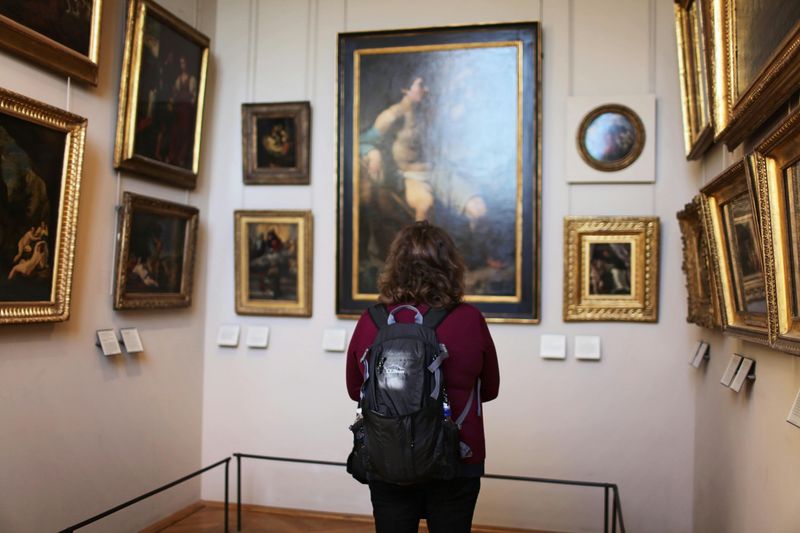
A packed museum can sound like the perfect cultured afternoon until you realize you’re essentially doing cardio while trying to absorb centuries of art history.
Between the crowds bunching up in front of the “famous” pieces and the constant shuffle of people squeezing past each other, it’s hard to feel anything beyond mild irritation and a growing ache in your feet.
You want to take your time, but the room is hot, the air feels heavy, and you’re suddenly very aware of how slowly everyone walks.
Even if you genuinely appreciate art, it’s tough to enjoy it while you’re leaning sideways to read a placard that’s being blocked by someone taking fifteen photos.
By the end, the gift shop feels like the most relaxing exhibit.
2. Abstract art galleries where the explanation does all the work
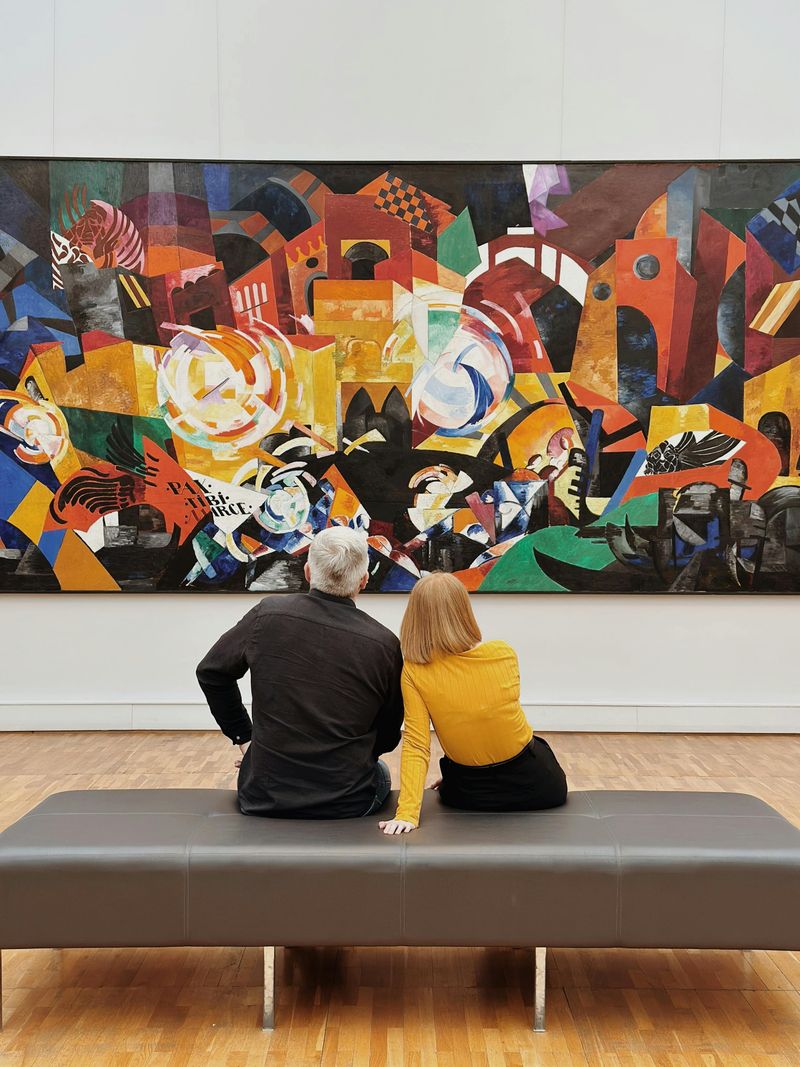
Walking into an abstract gallery can feel like entering a silent competition where everyone is trying to look emotionally moved without betraying confusion.
A painting might be a single color or a few chaotic brushstrokes, and you can almost hear people summoning the “right” reaction.
The problem is that the experience often relies heavily on the wall text to do the heavy lifting, which makes it feel less like you’re connecting with art and more like you’re studying a carefully curated argument.
If the piece only becomes meaningful after a paragraph of explanation, it’s fair to wonder whether the art is speaking or whether the description is doing all the talking.
Plenty of abstract work is brilliant, but the obligation to “get it” can turn curiosity into performance.
3. The opera (especially as a first-timer)
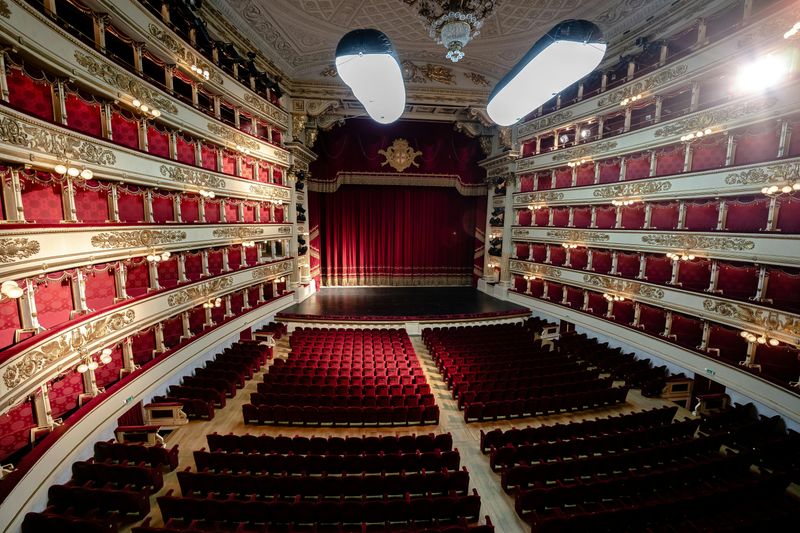
An opera night is marketed as pure glamour, but newcomers quickly learn that beauty and endurance often arrive in the same package.
The talent is undeniable, yet the format can be intimidating if you’re not used to long acts, unfamiliar stories, and the feeling that everyone else knows the rules.
Even with subtitles, it’s easy to lose the plot while your brain focuses on etiquette, like when to clap, how loudly to react, and whether it’s acceptable to shift in your seat.
The venue itself can add pressure, since it’s usually formal enough to make you feel like your outfit and manners are being evaluated.
When the experience is great, it’s stunning, but when it isn’t, it can feel like you paid a lot of money to politely struggle in public for three hours.
4. Poetry readings that feel like an inside joke
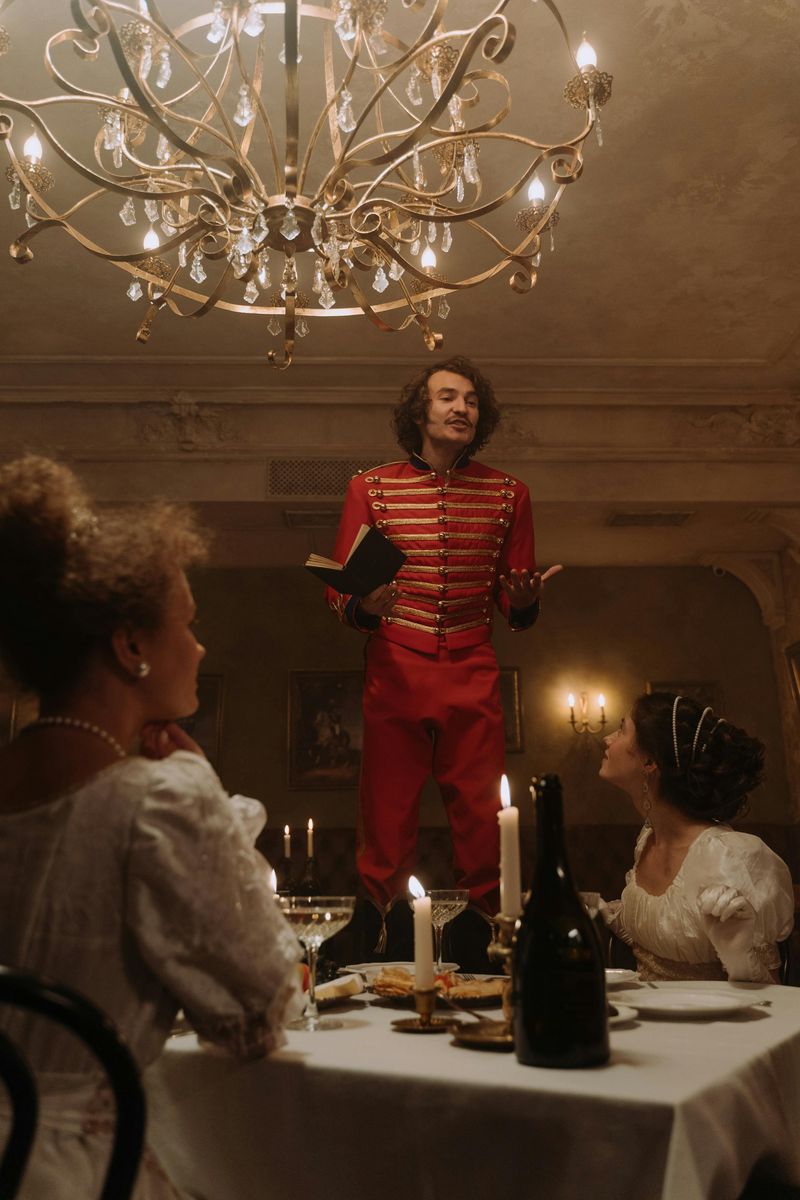
In theory, a poetry reading should be intimate and meaningful, like you’re sharing a small moment of human truth with strangers.
In practice, many readings have the energy of a private club where the audience already knows the poet, the references, and the unspoken rules.
The delivery can be so quiet or stylized that you spend more time trying to decipher the words than actually feeling them, which makes the whole thing oddly exhausting.
When a poem lands, it’s memorable, but when it doesn’t, you’re trapped in polite silence, clapping because everyone else is clapping.
The worst part is the awkward gap between how you expected to feel and how you actually feel, because you’re not bored in a normal way.
You’re bored while also wondering if boredom is the point.
5. Wine tastings with notes of leather and wet stone

A wine tasting is supposed to be fun, but it can quickly turn into a performance where everyone pretends their palate is more advanced than it is.
You might like a glass simply because it tastes good, yet suddenly you’re expected to identify “hints of blackberry,” “earth,” or something poetic that sounds like a candle description.
The setting often encourages this kind of language, which makes it easy to feel insecure if you can’t detect what the guide is describing.
Even worse, the experience can start to feel like an expensive way to sip tiny pours while standing around making small talk with strangers.
It’s hard to relax when you’re worried about sounding unsophisticated, especially if your honest opinion is, “This one is fine, but it mostly tastes like wine.”
At that point, the pretzel crumbs become the highlight.
6. Must-see historical tours that drag
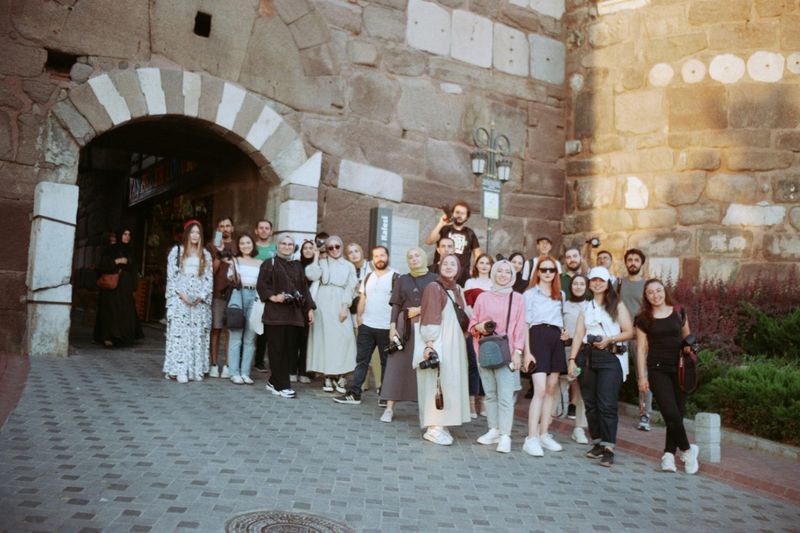
A guided tour can be incredible when the storyteller is engaging, but a disappointing one can feel like you willingly signed up for a moving lecture.
The pacing is often slow, the groups are crowded, and you end up stuck behind someone recording everything on their phone like they’re producing a documentary series.
Instead of fascinating secrets, you get long lists of dates and names that blur together, along with the occasional fun fact that would’ve been better as a quick sign you could read on your own.
There’s also the issue of standing outside for long stretches, either freezing or sweating, while the guide explains something you can’t fully see from where you’re positioned.
By the time it’s over, you’re not feeling enriched so much as relieved, which isn’t the cultural glow-up you were promised.
7. Fine dining tasting menus (the 12-course endurance test)

Tasting menus are often treated like the gold standard of sophistication, but sometimes they feel less like a meal and more like a marathon you paid to enter.
Each course arrives with a speech, a garnish that looks like it was placed with tweezers, and a bite so small you’re not sure whether to savor it or mourn it.
The pacing can stretch for hours, which sounds luxurious until you’re hungry again halfway through and still have seven courses to go.
Even when the food is excellent, the experience can feel performative, especially if you’re trying to react “correctly” to flavors you’ve never encountered.
By the end, the bill lands like a plot twist, and you start doing mental math about how many groceries you could have bought.
It’s cultured, sure, but it’s also exhausting.
8. Ballet (admired more than enjoyed)
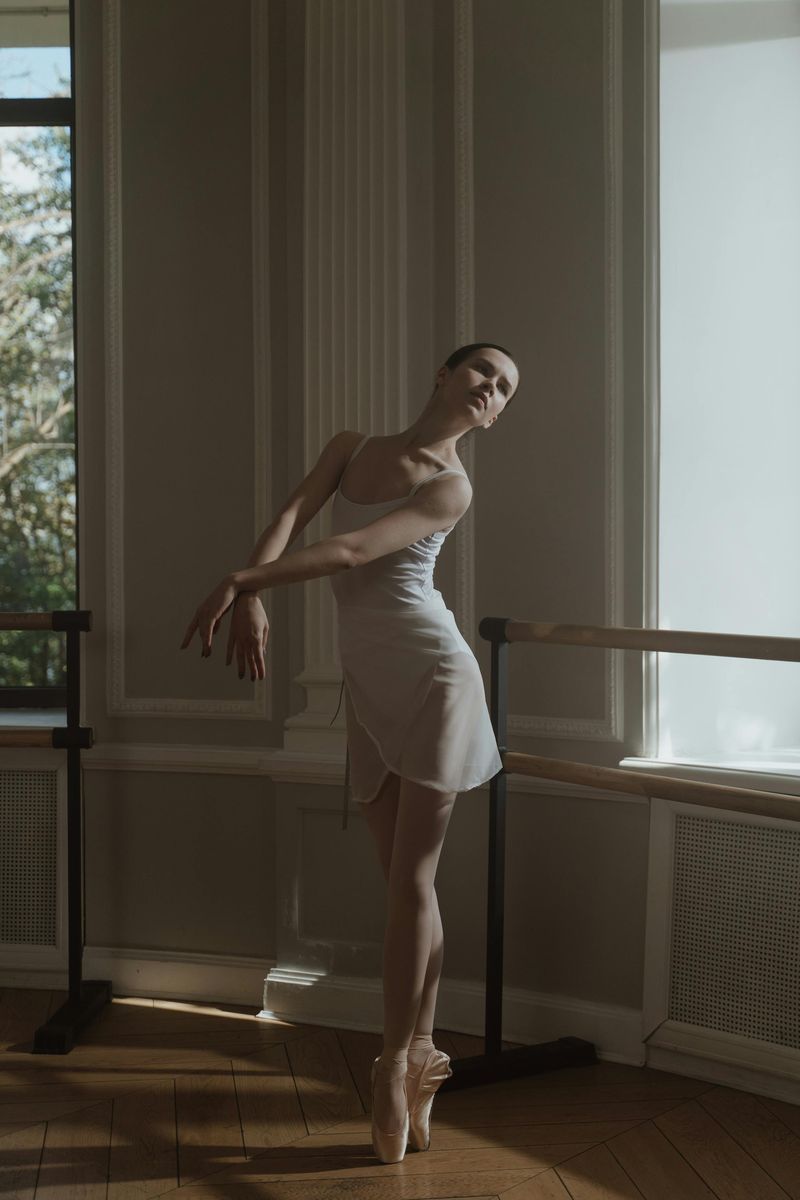
Most people respect ballet because it’s clearly difficult, and the dancers are undeniably strong, disciplined, and graceful in ways that seem almost unreal.
The problem is that admiration doesn’t always translate into enjoyment, especially if you’re not emotionally invested in the story or familiar with what you’re watching.
It can be hard to follow the plot when the narrative relies on movement, symbolism, and your ability to interpret a lot of meaning without words.
Meanwhile, the music and atmosphere can make the whole evening feel formal and distant, like you’re expected to appreciate it quietly rather than actually have fun.
Some productions are mesmerizing, but others feel like you’re watching an elegant struggle from far away, nodding along because you know it’s “art.”
You can respect the craft and still wish you were at home in sweatpants.
9. Classical concerts where cough etiquette is the main event
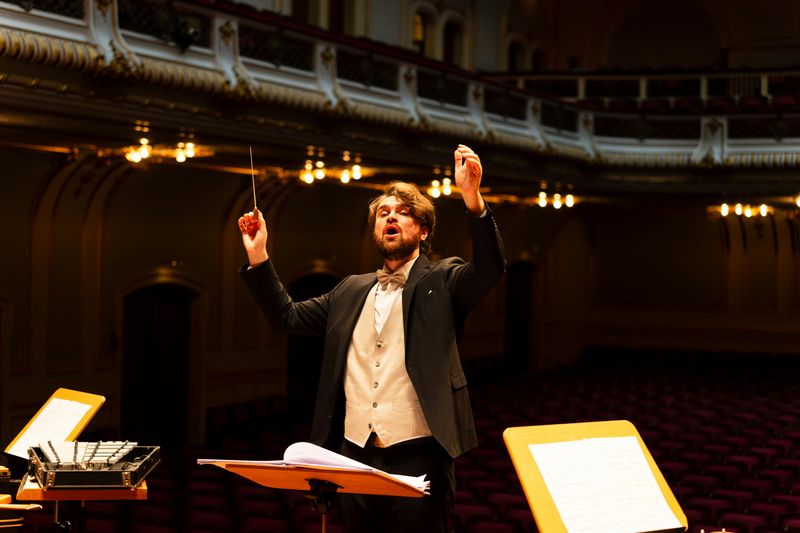
A classical concert can feel less like a night of music and more like a test of whether you can sit perfectly still without making a single human noise.
The performance might be beautiful, but the tension in the room can make it hard to fully relax, especially when everyone seems hyper-aware of every shuffle, sniffle, and throat clear.
Instead of getting lost in the sound, you might spend the entire time worrying about your own breathing and praying you don’t need to cough at a dramatic moment.
The unspoken rules can also be confusing for people who aren’t regulars, like when applause is appropriate and how enthusiastically you’re supposed to react.
Even intermission can feel awkward, because people suddenly speak in hushed voices and use phrases like “movement” and “composition” like they’re auditioning for a documentary.
When it clicks, it’s transcendent, but the pressure can suck the joy right out.
10. Theatre that makes you think (but mostly makes you confused)
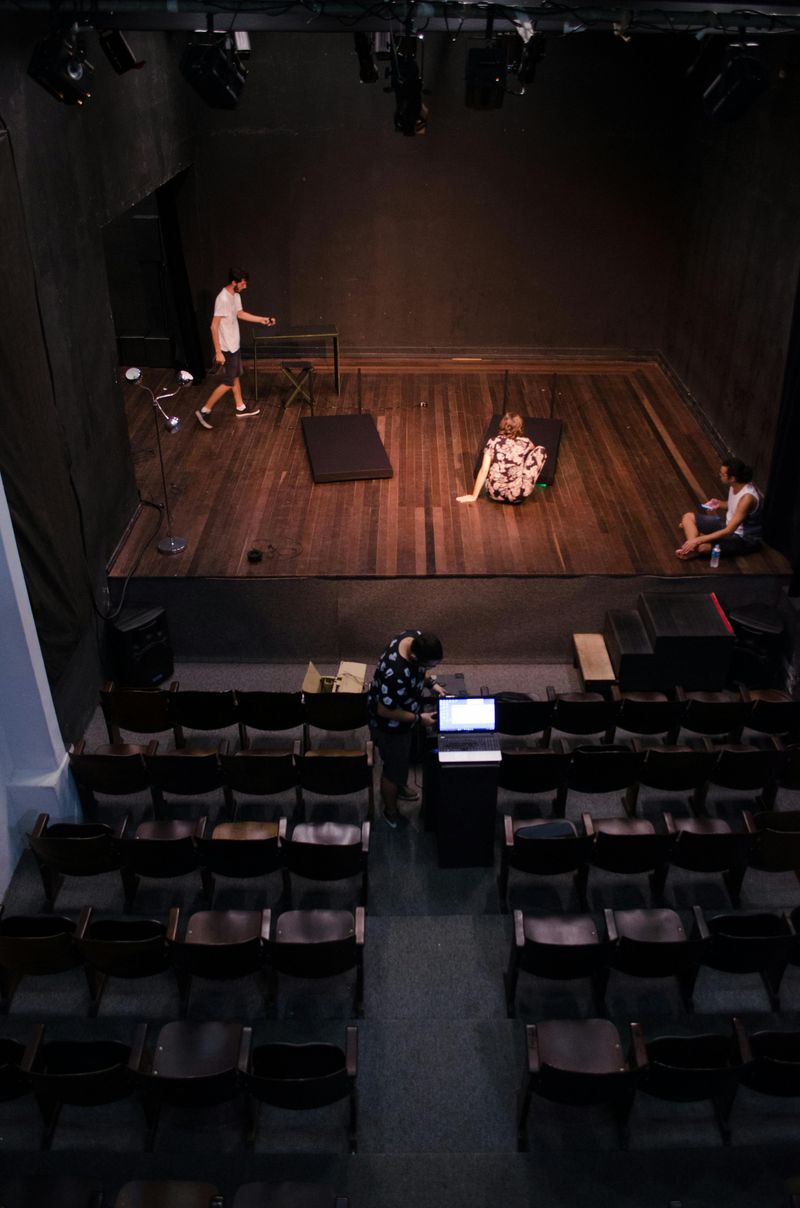
Certain plays are praised for being “challenging,” and that word can mean many things, including “I didn’t understand it, but I feel like I should say I did.”
When theatre leans heavily into abstract staging, nonlinear plots, or symbolism that requires a program note to decode, the audience often ends up performing intelligence instead of enjoying the story.
You might leave the venue genuinely intrigued, but you might also leave with a headache and a vague sense that you missed something important.
The social dynamic doesn’t help, because post-show conversations can turn into humblebragging, where people casually drop interpretations as if the meaning was obvious.
It’s totally possible to appreciate ambitious art, but there’s a difference between thought-provoking and unnecessarily confusing.
If the best part of the night is Googling what you just watched, the experience may be more about status than enjoyment.
11. Overhyped cultural landmarks with a 2-hour line for a 2-minute look

Some landmarks are famous because they’re genuinely impressive, yet the process of experiencing them can be so miserable that the actual moment feels like an afterthought.
You spend hours in a line, inching forward while the weather ruins your mood and your phone battery dies from all the “proof I’m here” photos.
Once you finally reach the spot, you realize you’re allowed only a brief glance before the crowd pushes you along, which turns the whole thing into a fast-moving assembly line of tourism.
The irony is that the landmark often looks exactly like it does in every photo online, so the surprise factor is basically gone before you arrive.
Still, people post the picture with a glowing caption, because admitting it wasn’t worth the hassle feels like admitting you did vacation wrong.
The experience becomes less about wonder and more about checking a box.
Comments
Loading…