
 Isabel Parker
If You’ve Never Done These 12 Things, You’re Not as Well-Traveled as You Think

Some people hear the word “well-traveled” and immediately picture a passport bursting with stamps or a highlight reel of beaches, landmarks, and fancy hotel lobbies.
The truth is, travel has less to do with how many places you’ve technically been and more to do with how you move through the world once you get there.
The most seasoned travelers aren’t the ones who’ve simply stepped off a plane in a dozen countries; they’re the ones who’ve figured things out in real time, adapted when plans fell apart, and said yes to experiences that didn’t come with a clear script.
If you’ve never done the following things, you might still love traveling—but you may not be as well-traveled as you think.
Consider this a friendly checklist, not a guilt trip.
1. Navigated a public transit system in a city you’d never been to

There’s a big difference between “I visited” and “I functioned,” and nothing proves it faster than a city’s transit map.
When you can decode lines, transfers, and stop names you can’t pronounce, you’re not just sightseeing—you’re participating.
You learn quickly that the local rhythm doesn’t care if you’re confused, and that confidence matters as much as directions.
Even getting it slightly wrong teaches you something useful: how neighborhoods change from stop to stop, how locals move, and how to stay calm when you miss your station.
A true travel milestone is reaching your destination without relying on rideshares for every move, because the moment you can use public transportation, the entire city becomes more accessible, spontaneous, and affordable.
2. Traveled with only a carry-on for a multi-day trip

Packing light isn’t just a flex; it’s a skill that changes how you experience travel.
When you commit to a carry-on for several days, you’re forced to prioritize what you actually need instead of what makes you feel prepared for every possible scenario.
You start choosing versatile outfits, planning around re-wearing pieces, and accepting that you can buy or borrow something if an emergency pops up.
The payoff is bigger than convenience, because you move faster through airports, you don’t waste time at baggage claim, and you can pivot plans without dragging your life behind you.
People who’ve never tried it often assume it’s miserable, but it can feel strangely freeing once you realize how little you need.
3. Gotten gloriously lost and still made it work
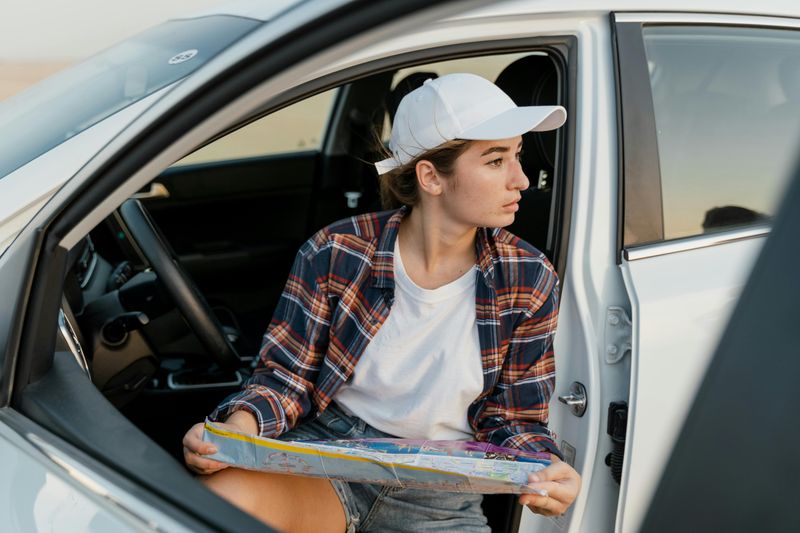
Every traveler eventually learns that a wrong turn can become the best part of the day, as long as it’s the safe, manageable kind of lost.
The most memorable moments often happen when you’re not following a perfect route, because wandering reveals corners of a place that itineraries don’t.
Maybe you stumble into a tiny bakery, find a street market you didn’t know existed, or end up in a neighborhood that feels more real than the tourist zone.
The point isn’t to be careless; it’s to stay curious and calm when plans drift off track.
If you’ve never had to reorient yourself using landmarks, a quick map check, or a friendly question to a local, you haven’t fully experienced what it means to travel independently.
4. Eaten something totally unfamiliar (and liked it)

Trying new food is easy when it looks familiar, but travel gets more interesting when the menu challenges your comfort zone.
The moment you order something you can’t quite identify—or accept a snack offered by someone who clearly knows what they’re doing—you’re saying yes to the culture instead of just the scenery.
Even if you don’t love it, you’ll remember the experience, the flavors, and the story of how it happened.
If you do love it, you’ll start chasing it again, whether that means finding it in other cities or learning how to cook it at home.
A well-traveled person isn’t picky in a way that limits them, because food is one of the fastest ways to understand how people actually live.
5. Spent an entire day exploring without a rigid itinerary

Planning has its place, but real travel confidence shows up when you can let a day unfold without clinging to a schedule.
A no-itinerary day forces you to pay attention to what’s around you, because you’re not constantly checking the time or rushing to a reservation.
You might follow the sound of music into a plaza, wander into a museum you hadn’t researched, or sit in a café long enough to actually absorb the vibe of the neighborhood.
That flexibility is also practical, since weather changes, places close, and energy levels shift, and travelers who can adapt enjoy themselves more.
If you’ve never given yourself a whole day to explore on instinct, you may be traveling, but you’re still treating it like a tightly managed project.
6. Stayed somewhere that isn’t a standard hotel
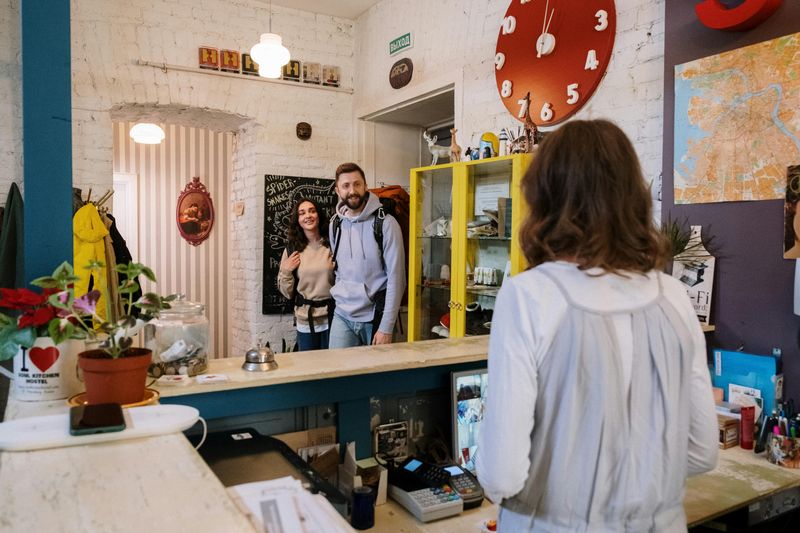
Hotels can be lovely, but they can also create a bubble where every destination feels strangely similar.
When you stay in a guesthouse, homestay, hostel, cabin, or small locally run property, you get a different kind of access to the place you’re visiting.
You hear more everyday sounds, notice how mornings actually look on that street, and often interact with people who live there instead of other travelers passing through.
The best part is that these stays tend to come with unexpected details—homemade breakfasts, helpful hosts, quirky decor, and recommendations you won’t find in generic travel guides.
If you’ve never slept somewhere with a little personality and unpredictability, you may be seeing destinations through a comfortable filter that keeps them at arm’s length.
7. Handled a travel hiccup without spiraling
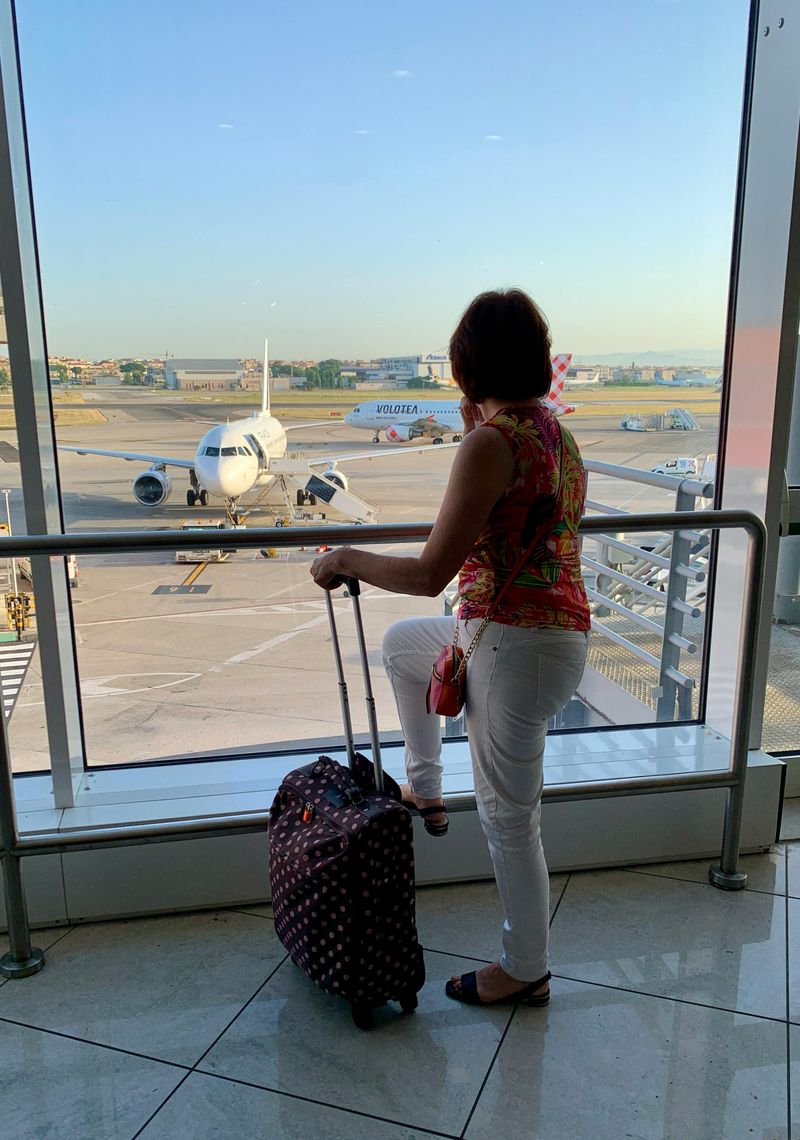
Travel isn’t just sunsets and cute photos; it’s also delays, cancellations, weather surprises, and plans that collapse for no reason that feels fair.
Experienced travelers aren’t immune to frustration, but they know how to recover without letting one problem ruin the entire trip.
They adapt quickly, find alternatives, and treat hiccups like part of the deal rather than a personal attack.
If you’ve never missed a train, shown up to a closed attraction, or discovered your reservation wasn’t what you thought, you haven’t had to build those skills yet.
The ability to pivot—booking a different route, finding a new place to eat, or reshuffling a day on the fly—often becomes the difference between “this trip was a disaster” and “this story is hilarious now.”
8. Crossed a border by land
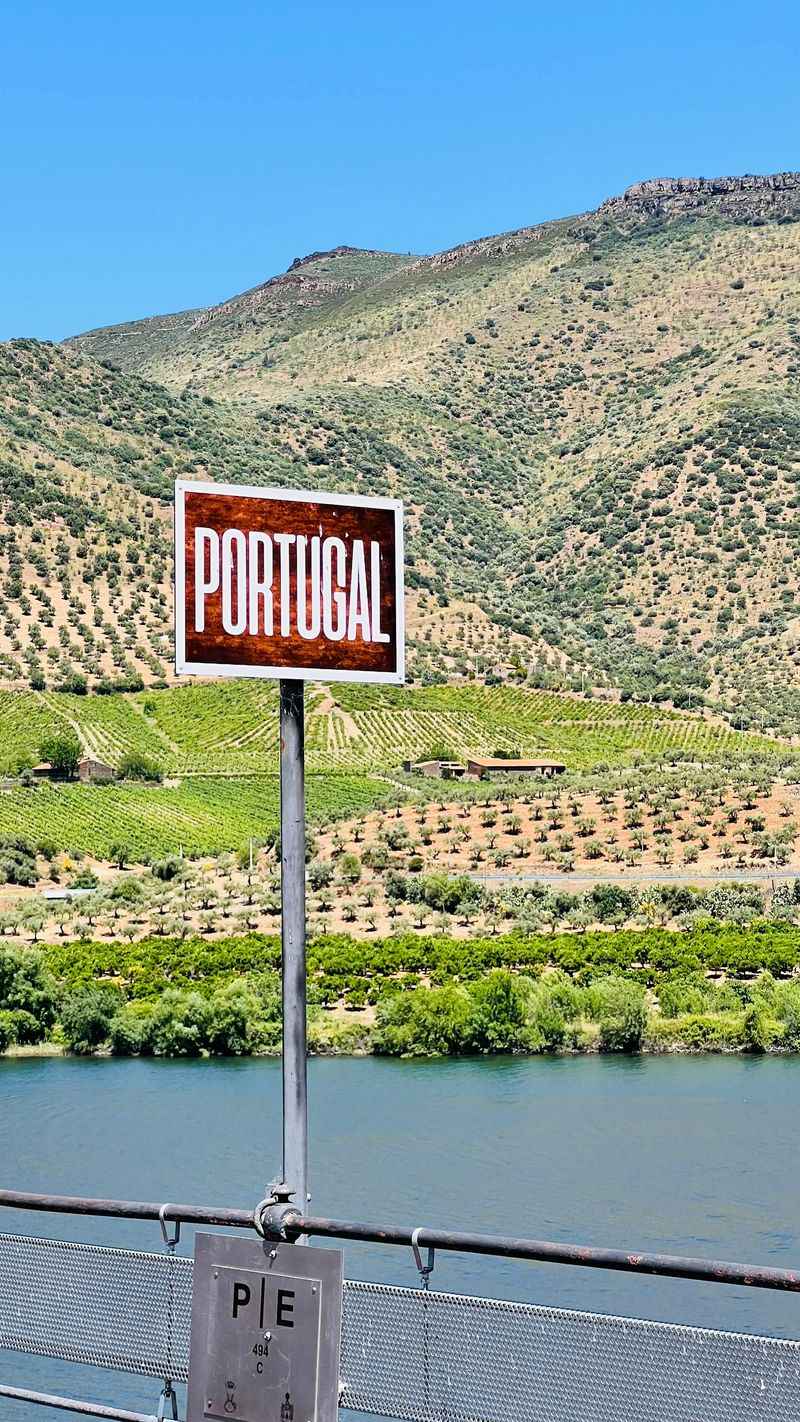
Flying makes travel feel instant, but crossing a border on the ground gives you a totally different sense of distance and transition.
You watch the landscape change, see the towns between major destinations, and feel the shift in language, signage, and culture in a more gradual way.
Land borders also come with their own learning curve—figuring out checkpoints, forms, money exchange, and what to expect from local transportation on the other side.
It can feel intimidating the first time, but it’s also one of the most “I’m really traveling” experiences you can have, because it’s hands-on and unglamorous in the best way.
If all your trips involve airport security, baggage carousels, and landing announcements, you might be missing a whole layer of how the world connects.
9. Learned (and used) at least 5 local phrases
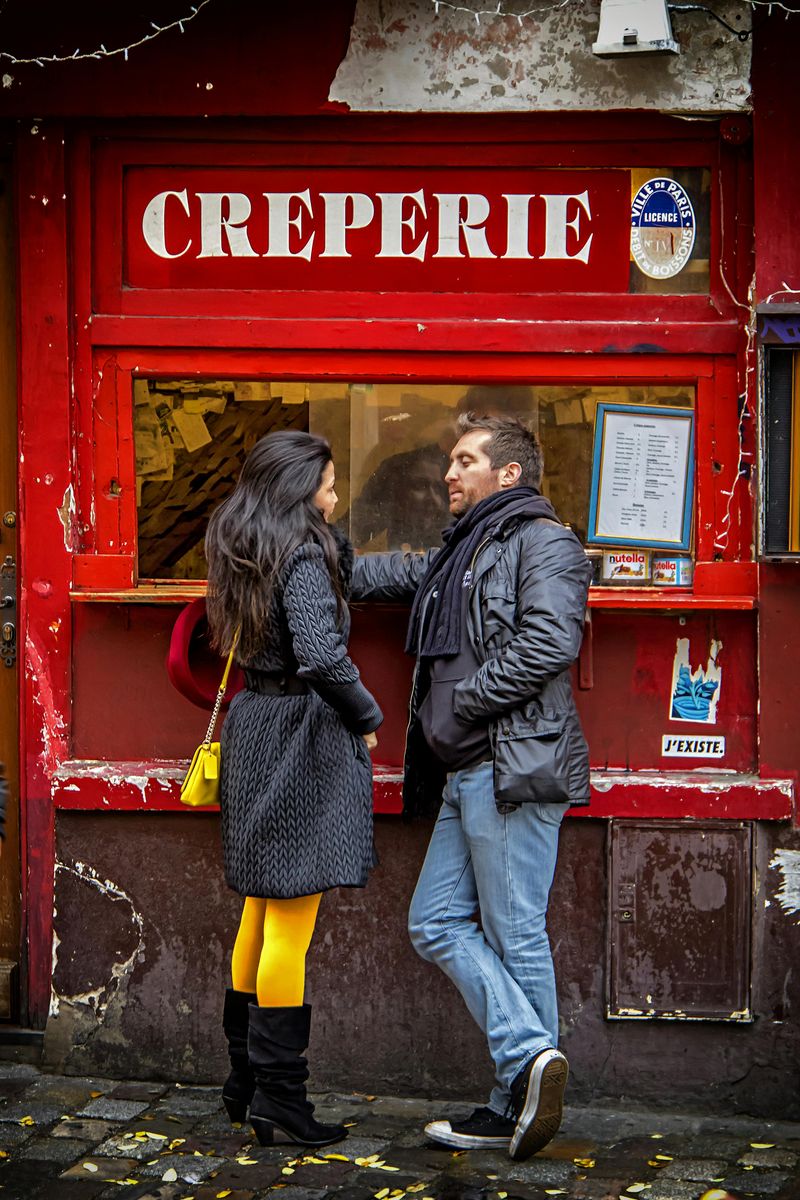
You don’t need to become fluent to be respectful, but making an effort with the language changes everything about how you’re received.
Even a few phrases can soften interactions, earn patience when you’re confused, and create small moments of connection that don’t happen when you rely solely on English.
The key is actually using the words out loud, even if your accent is imperfect, because the point isn’t performance—it’s participation.
Saying hello, please, thank you, excuse me, and “how much?” opens doors in a way that a translation app can’t always replicate, especially in fast-moving situations like markets or transit.
If you’ve never learned a handful of basics before a trip and tried them in real life, you may be traveling physically while staying emotionally in your comfort zone.
10. Visited a place in the off-season or shoulder season
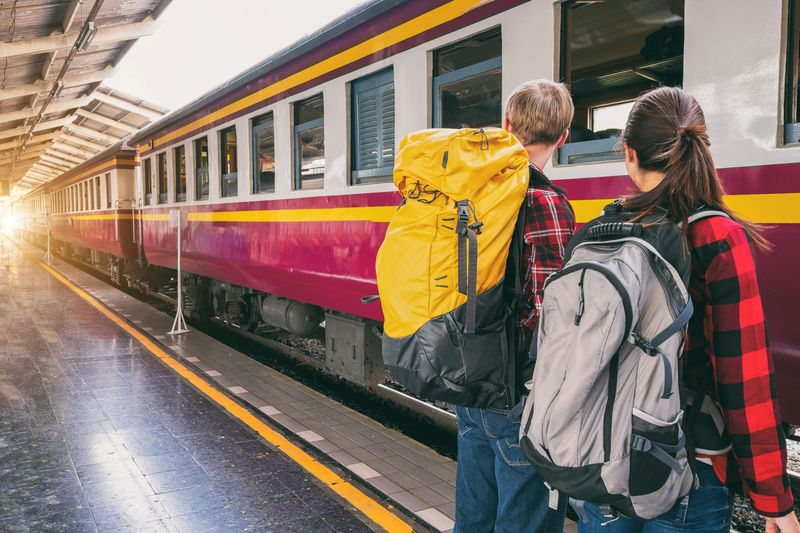
Popular destinations often feel like a completely different world outside peak travel months, and that’s not a bad thing.
Traveling in the off-season or shoulder season teaches you how to appreciate a place without the hype, because you’re not surrounded by crowds moving in the same predictable patterns.
You might deal with cooler weather, shorter hours, or fewer tours, but you also get quieter streets, easier restaurant reservations, and a more local vibe that’s hard to find in the busiest months.
It’s also a financial win, since flights and accommodations are often cheaper when demand drops.
If you’ve only ever traveled when everyone else does—summer vacations, major holidays, or school breaks—you may not have seen how much more relaxed and authentic a destination can feel.
11. Woken up somewhere and forgotten what country/city you were in for a second

There’s a strangely specific moment that happens when you’ve been on the move a lot: you open your eyes, take in unfamiliar walls, and your brain takes a second to place you.
It’s not confusion in a scary way; it’s more like your mind is flipping through tabs until it lands on the right one.
That tiny pause is a sign you’ve stepped far enough outside your routine that your body hasn’t fully caught up with your itinerary.
It usually comes after early mornings, long travel days, or back-to-back destinations, and it tends to be followed by a little laugh and a quick scan for your phone or water bottle.
If you’ve never had that “wait, what city am I in again?” moment, your travel pace may still be more comfortable than immersive.
12. Made a friend (even a temporary one) while traveling

Meeting people on the road isn’t always about collecting long-term friendships; sometimes it’s just sharing a conversation that makes your day better.
Travel friends can be a local who points you toward a hidden spot, a stranger who helps you figure out the train platform, or another traveler you end up exploring with for a few hours.
These connections matter because they break the feeling of being a spectator, and they remind you that travel is as much about people as it is about places.
If you’ve never struck up a genuine conversation with someone while traveling, you might be moving through destinations quietly and efficiently, but not necessarily experiencing the social side of being somewhere new.
Even brief interactions can become the stories you tell for years, because they feel real in a way attractions sometimes don’t.
Comments
Loading…