
 Chloe Peterson
The Post-Vacation Crash Is Real—Here’s How to Lift Your Mood

Coming back from vacation can feel like hitting a wall. One day you’re relaxing on the beach or exploring a new city, and the next you’re staring at a pile of emails and laundry.
That sudden shift from carefree fun to everyday responsibilities often leaves people feeling drained, sad, or unmotivated. Luckily, there are practical ways to ease this transition and bring back some of that vacation glow.
1. Plan Something Small to Look Forward To

Booking a fun outing within the next few weeks gives your brain a reason to stay excited.
Maybe it’s dinner at your favorite restaurant, a movie night with friends, or tickets to a concert.
Having something on the calendar helps soften the blow of returning to routine.
You don’t need another big vacation right away.
Even small plans can create anticipation and keep your spirits lifted.
Think about what makes you happy and put it on your schedule as soon as possible.
This strategy works because it gives you hope beyond the daily grind.
Your mind shifts from mourning the past trip to looking forward to the next adventure, no matter how modest it might be.
2. Ease Back Into Work Gradually

Jumping straight into a packed schedule the day after you return can feel overwhelming.
Instead, give yourself permission to start slowly.
Tackle easier tasks first, like organizing your desk or catching up on lighter emails before diving into major projects.
Taking breaks throughout your first day back also helps your mind adjust.
Step outside for fresh air or chat with a coworker about something unrelated to work.
These small pauses prevent burnout and make the transition less jarring.
Remember, nobody expects you to be at full speed immediately.
Being gentle with yourself during this adjustment period protects your mental health and actually improves your productivity in the long run.
3. Keep Up One Vacation Habit

Did you start every morning with a walk on the beach or enjoy reading before bed?
Bringing one vacation ritual into your daily life creates a sense of continuity.
It reminds you that relaxation doesn’t have to end just because your trip did.
Choose something realistic that fits your regular schedule.
Morning coffee on your balcony instead of rushing out the door can recreate that peaceful vacation feeling.
Even ten minutes of this habit makes a difference in your overall mood.
This approach bridges the gap between vacation mode and real life.
You’re not trying to live like you’re on holiday forever, but you are keeping a piece of that joy alive in your everyday routine.
4. Organize and Display Your Vacation Photos
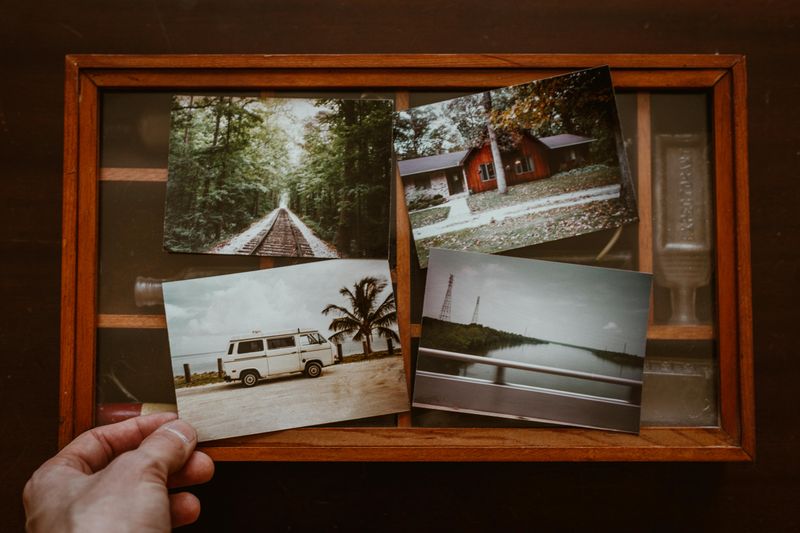
Scrolling through hundreds of unsorted pictures can actually stress you out instead of making you happy.
Set aside an hour to pick your favorites and create an album or print a few for your desk or fridge.
This turns memories into something tangible you can enjoy daily.
Sharing photos with friends or family also extends the vacation experience.
Talking about your adventures keeps those positive feelings fresh and lets you relive the highlights.
Plus, other people’s reactions remind you how special your trip really was.
Creating a physical or digital collection gives closure to the vacation while celebrating what made it memorable.
You’re not dwelling on what’s over but appreciating what you experienced.
5. Get Moving With Exercise

Physical activity releases endorphins, which are natural mood boosters that fight post-vacation blues.
You don’t need an intense gym session—a simple walk around your neighborhood or a quick yoga routine at home does wonders for your mental state.
Exercise also helps reset your body clock if you traveled across time zones.
Moving your body signals that it’s time to get back into a normal rhythm.
Even fifteen minutes of stretching can shake off that sluggish feeling.
Making movement a priority right after vacation prevents you from falling into a lazy funk.
Your energy levels improve, you sleep better, and you feel more capable of handling whatever comes your way.
6. Reconnect With Friends and Family

Social connection is powerful medicine for a low mood.
Reaching out to loved ones for a quick coffee date or phone call reminds you that good times aren’t limited to vacation destinations.
Real relationships provide ongoing joy and support.
Sharing stories about your trip with people who care about you also helps process the experience.
Their questions and enthusiasm keep the positive emotions alive longer.
Plus, hearing about what happened in their lives while you were gone helps you feel reconnected to your regular world.
Isolation makes post-vacation sadness worse, so fight the urge to hide at home.
Surrounding yourself with friendly faces eases the transition and reminds you that everyday life has its own rewards.
7. Tackle Chores in Small Chunks

Coming home to mountains of laundry and a messy house amplifies vacation sadness.
Breaking these tasks into manageable pieces prevents overwhelm.
Do one load of laundry today, clean the kitchen tomorrow, and unpack your suitcase in stages rather than all at once.
Setting a timer for just twenty minutes of cleaning can make chores feel less daunting.
You’ll be surprised how much you accomplish in short bursts.
This method keeps you from spending your entire first day back doing housework.
Crossing items off your list, even small ones, creates a sense of accomplishment.
That feeling of progress combats the sadness and helps you regain control over your environment and schedule.
8. Limit Social Media Scrolling

Constantly seeing other people’s vacation photos while you’re back at work can make you feel worse.
Comparing your regular life to everyone else’s highlight reels creates unnecessary disappointment.
Give yourself permission to take a break from scrolling for a few days.
Social media often makes post-vacation blues stronger by emphasizing what you’re missing.
Instead of endlessly browsing, focus on activities that genuinely lift your mood.
Read a book, call a friend, or work on a hobby you enjoy.
Protecting your mental space from comparison traps helps you appreciate your own life more.
When you do return to social media, you’ll have a healthier perspective and won’t feel as down about being home.
9. Practice Gratitude for the Trip

Instead of mourning that vacation is over, shift your focus to appreciation for the experience itself.
Writing down three things you’re grateful for from your trip helps your brain focus on positive memories rather than loss.
Maybe you’re thankful for trying new food, meeting interesting people, or simply having time to rest.
Gratitude journaling has been proven to improve mood and reduce stress.
Spending just five minutes reflecting on what made your vacation special can change your entire outlook.
You’re training your mind to celebrate experiences rather than grieve their endings.
This practice also reminds you that you’re capable of creating more happy memories in the future.
Vacation isn’t a once-in-a-lifetime event but something you can look forward to again.
10. Prioritize Sleep and Rest

Travel often disrupts sleep patterns, leaving you exhausted when you return home.
Making sleep a priority helps your body and mind recover from both the vacation activities and the transition back.
Aim for consistent bedtimes and create a relaxing nighttime routine.
Avoid the temptation to stay up late catching up on shows or scrolling your phone.
Your brain needs quality rest to regulate emotions and handle stress.
Even a single good night of sleep can dramatically improve how you feel about being back.
Rest isn’t just about nighttime sleep either.
Taking short breaks during the day, napping if needed, or simply sitting quietly for a few minutes all contribute to your recovery and mood stabilization.
Comments
Loading…