
 Chloe Peterson
Getting older doesn’t mean hitting the brakes on life.
Some people seem to have discovered a secret formula that keeps them energized, engaged, and excited well into their sixties and beyond.
What separates those who embrace aging as just another adventure from those who feel stuck?
It turns out, they share some fascinating traits that fuel their unstoppable momentum.
1. Unwavering Curiosity
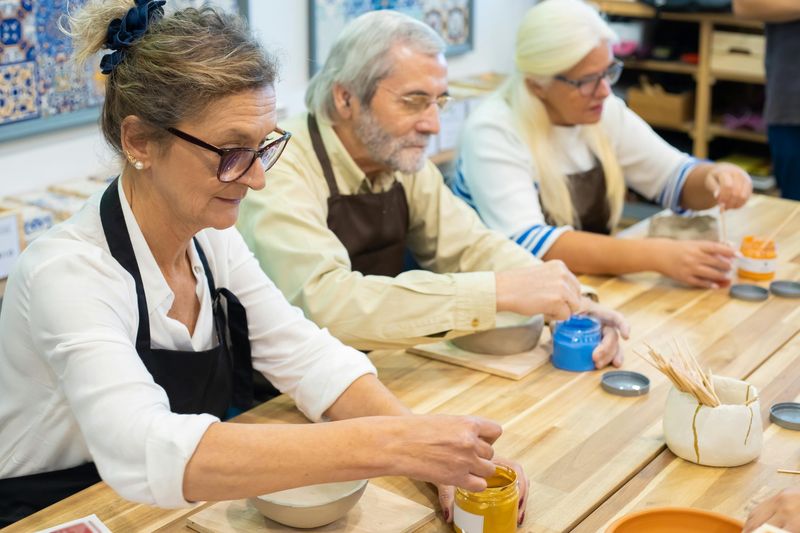
Walking into a pottery class at 65 or learning Spanish at 70 isn’t unusual for these individuals.
Their brains stay hungry for new experiences, whether that means exploring unfamiliar neighborhoods or diving into documentaries about topics they’ve never considered before.
This constant desire to learn keeps boredom at bay and makes every day feel like an opportunity.
Fresh challenges create fresh neural pathways, which scientists say helps maintain cognitive sharpness.
When you’re always asking questions and seeking answers, your mind stays active and engaged.
Life becomes an ongoing education rather than a slow fade into routine.
Curiosity also connects them to younger generations who appreciate their genuine interest in modern culture and technology.
2. Embracing Discomfort as Growth

Most people avoid what makes them uncomfortable, but not this group.
They intentionally seek out situations that push their boundaries because they understand something powerful: growth lives on the other side of fear.
Whether it’s tackling a steep hiking trail or speaking up in a community meeting, they lean into the challenge.
Physical discomfort reminds them they’re still capable of more than they thought.
Mental challenges prove their minds remain sharp and adaptable.
Each time they overcome something difficult, their confidence grows stronger, creating a positive cycle that fuels continued action.
This mindset keeps them feeling capable and alive rather than fragile or limited by age-related expectations.
3. Fierce Independence

Ask them if they need help, and you’ll likely get a polite but firm “I’ve got this.”
Self-reliance runs deep in their bones, shaped by decades of solving their own problems and making their own decisions.
They take genuine pride in maintaining their autonomy, from managing their finances to fixing things around the house.
This independence isn’t about being stubborn or refusing assistance when truly needed.
Instead, it reflects their commitment to staying capable and in control of their own story.
They’ve worked too hard building their lives to hand over the reins without good reason.
Handling responsibilities on their own terms gives them a sense of dignity and purpose that keeps their spirits high.
4. Selective Stubbornness
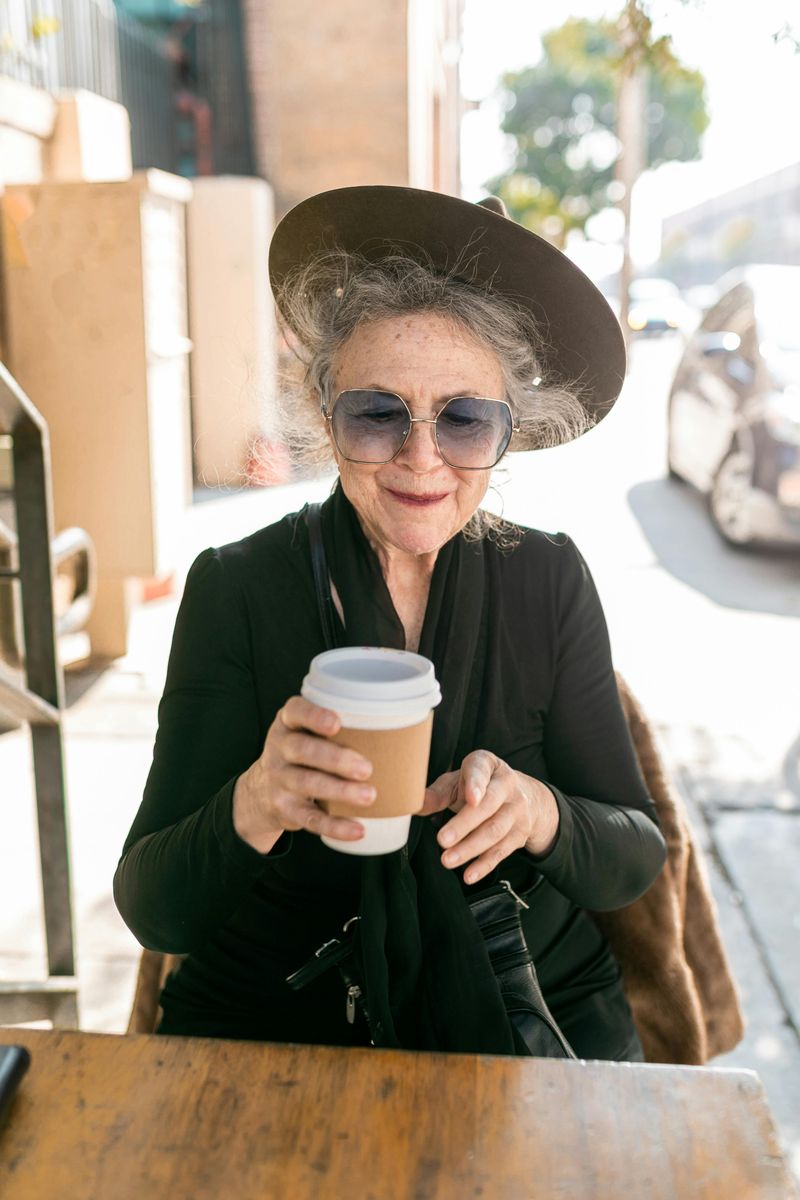
They’ll listen to new ideas all day long, but try convincing them to abandon their morning walk or give up volunteering at the animal shelter?
Good luck with that.
While they remain open-minded about many things, certain habits, values, and passions are absolutely non-negotiable in their world.
This selective stubbornness acts as a protective shield around the things that give their life meaning and structure.
They’ve spent years figuring out what truly matters, and they’re not about to compromise on those core elements.
Whether it’s family dinner traditions or creative pursuits, these anchors keep them grounded.
Knowing what to hold onto and what to release is wisdom earned through experience and reflection.
5. A Deep Sense of Purpose
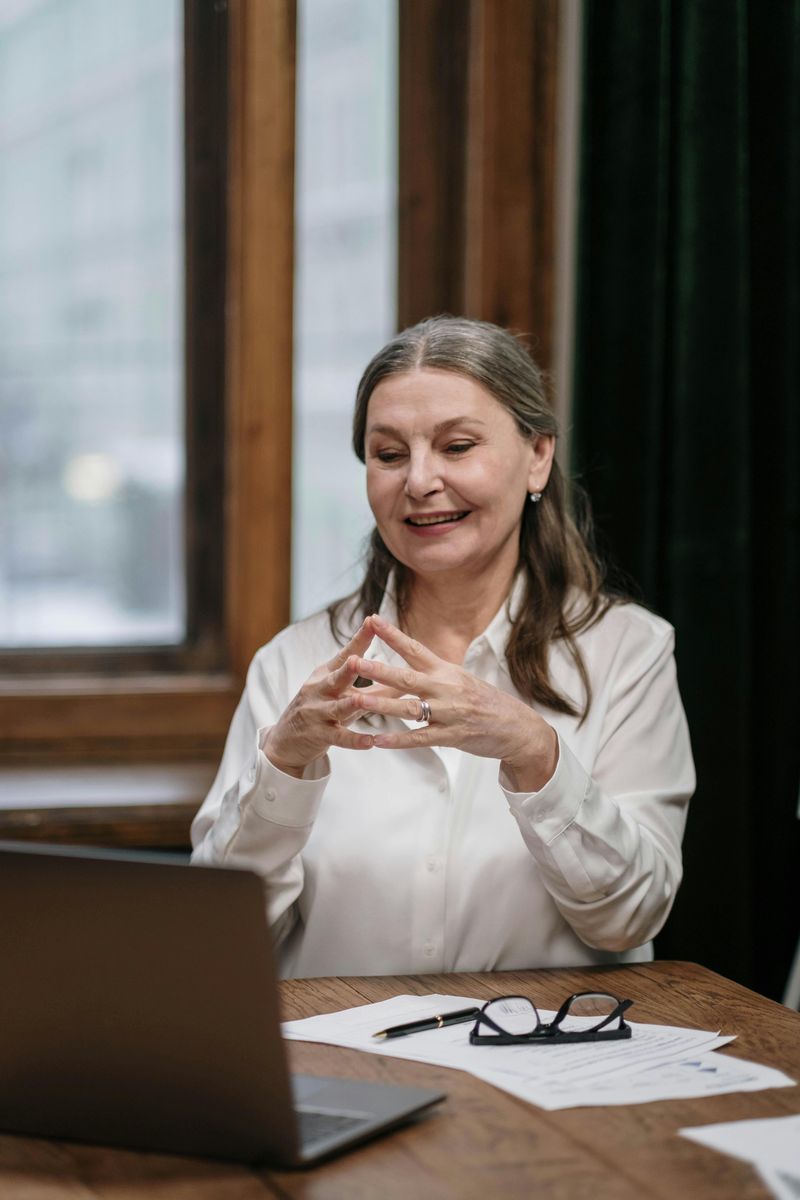
Every morning, they wake up with a reason to get out of bed that goes beyond just routine.
Maybe they’re writing a memoir, mentoring young professionals, or organizing community events.
Whatever it is, their goals carry weight and meaning that pulls them forward with genuine enthusiasm.
Purpose doesn’t have to be grand or world-changing to be powerful.
For some, it’s perfecting their garden or staying involved in their grandchildren’s lives.
The key is that these activities connect to something larger than themselves, creating a sense of contribution and relevance.
When you have meaningful work to do, age becomes just a number rather than a limitation on your potential impact.
6. Playful Irreverence
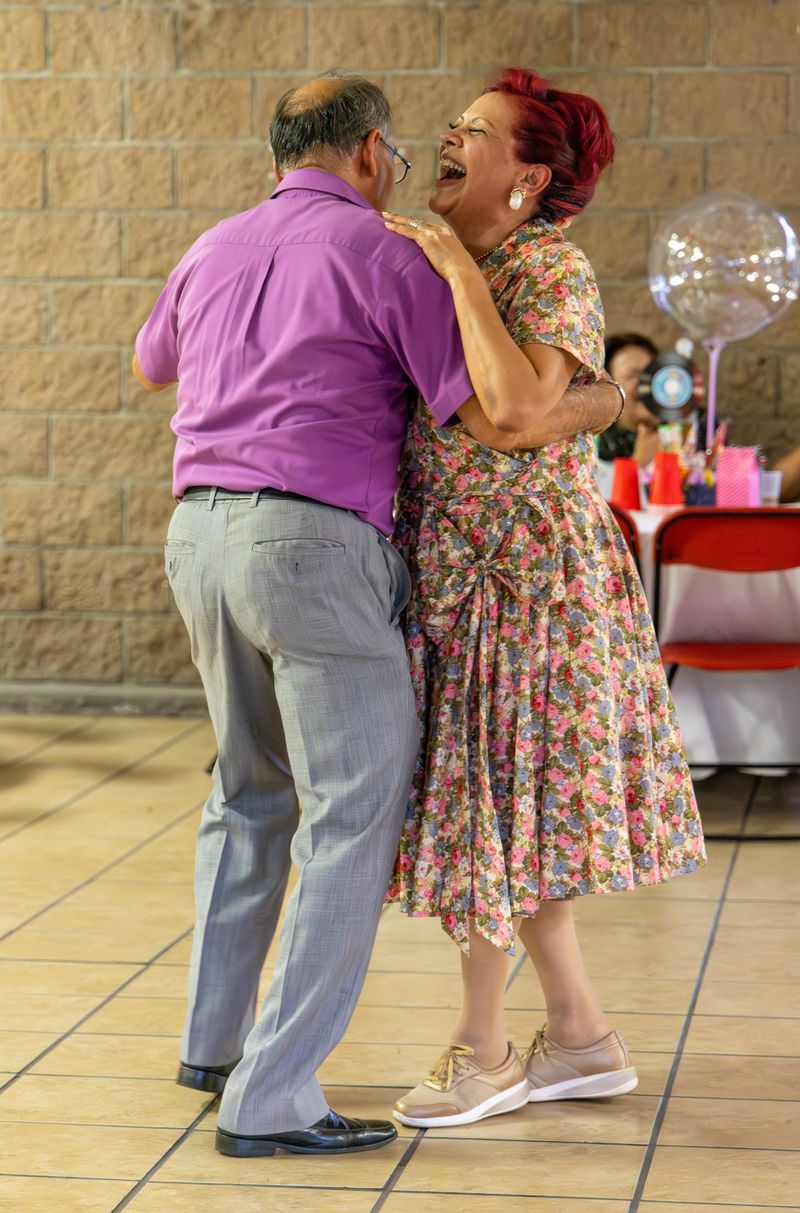
Laughter lines earned from decades of good humor map their faces like badges of honor.
They crack jokes about getting older, dance without worrying who’s watching, and refuse to take themselves too seriously.
This lighthearted approach to aging acts like armor against the weight of societal expectations.
Humor helps them navigate the inevitable changes that come with getting older without feeling defeated by them.
When they can laugh at forgetting where they put their keys or needing reading glasses, those moments lose their power to diminish their confidence.
A playful attitude transforms potential frustrations into funny stories worth sharing, keeping their outlook positive and their company enjoyable for people of all ages.
7. Acceptance Without Limitation

Sure, their knees might complain more than they used to, and reading menus in dim restaurants has become challenging.
They acknowledge these changes honestly without pretending they don’t exist.
But here’s the difference: they refuse to let physical shifts dictate the boundaries of what they’ll attempt.
Acceptance means being realistic, not defeated.
They might modify how they do things, choosing swimming over running or using technology to compensate for memory quirks.
These adjustments are practical solutions, not admissions of defeat or reasons to stop pursuing what excites them.
By separating what is from what’s possible, they maintain agency over their lives rather than surrendering to age-related stereotypes about capability.
8. Adaptability Over Nostalgia

While they treasure memories from earlier decades, they don’t live there.
Instead of complaining that things were better back in their day, they embrace new technology, follow current events, and stay curious about cultural shifts.
This forward-facing orientation keeps them relevant and connected to the world as it exists now.
Learning to use social media to connect with distant family or streaming services to discover new shows demonstrates their willingness to evolve.
They understand that staying engaged means staying flexible rather than clinging rigidly to how things used to be done.
This adaptability makes conversations with them refreshing because they bring both historical perspective and contemporary awareness to every discussion.
9. Strong Self-Trust Built From Experience

Decades of making decisions, weathering storms, and solving problems have given them something invaluable: trust in their own judgment.
They’ve seen enough of life to know they can handle whatever comes next, which creates a foundation of confidence that younger people often lack.
This self-trust eliminates much of the second-guessing and anxiety that can paralyze action.
When they decide to start a new project or make a significant change, they move forward with conviction born from years of proven capability.
Past successes remind them of their resilience.
Experience becomes their greatest asset, fueling continued momentum rather than creating reasons to play it safe or stop taking risks altogether.
Comments
Loading…