
 Mary Murphy
We all want to feel comfortable when we’re out and about, but sometimes our own actions can create awkward moments for ourselves and others.
Small social habits that seem harmless might actually make people around us feel uncomfortable or annoyed.
Understanding these behaviors can help us become more aware and considerate in public spaces, making everyone’s day a little bit better.
1. Talking Loudly on the Phone
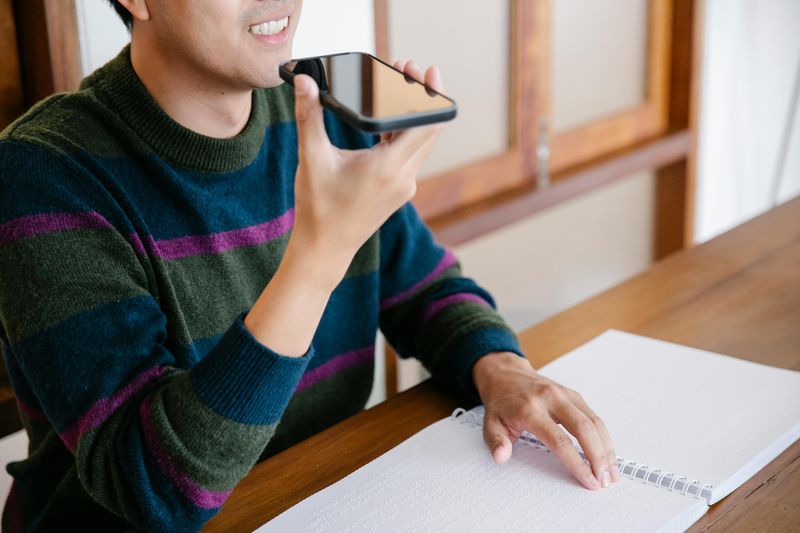
Ever noticed how some phone conversations seem to echo through entire buildings?
When someone speaks loudly on their phone in public, it forces everyone nearby to become unwilling listeners to their private business.
Most people don’t want to hear about your dentist appointment or your disagreement with a coworker.
The problem becomes even worse in quiet places like libraries, waiting rooms, or public transportation.
Your voice carries further than you think, and what feels like normal talking to you might sound like shouting to others.
A simple solution is stepping outside or finding a quieter corner when you need to take a call.
If that’s not possible, keep your voice low and your conversation brief to show respect for those sharing the space with you.
2. Eating Overly Pungent Food

Strong food smells can be wonderful in a restaurant but truly uncomfortable in enclosed public spaces.
Garlic, fish, certain cheeses, and spicy foods release powerful odors that linger long after the meal is finished.
On a crowded bus or in an office break room, these smells can make people feel queasy or distracted.
Not everyone shares your love for extra onions or tuna salad.
What smells delicious to you might trigger nausea or headaches in others, especially in spaces with poor ventilation where the scent has nowhere to go.
Being mindful of where you eat pungent foods shows consideration for others.
Save the fish tacos for outdoor dining or home, and choose milder options when you’re in shared indoor spaces.
3. Playing Music Without Headphones
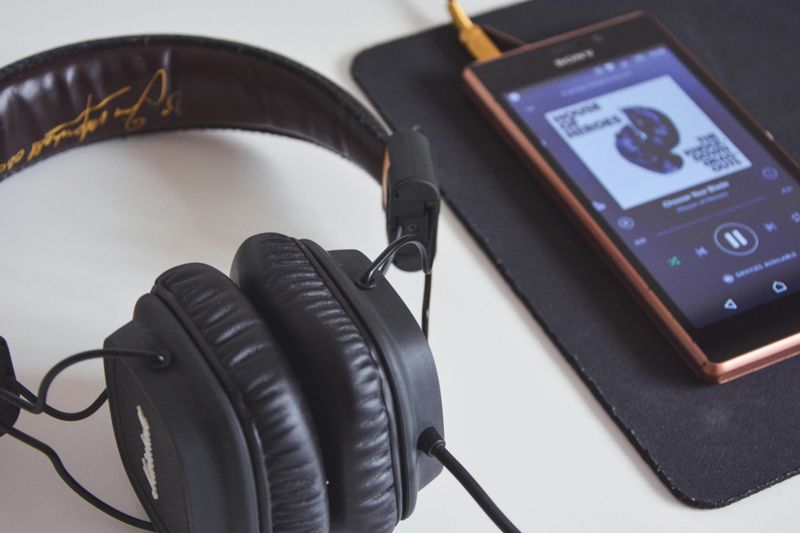
Did you know that blasting music from your phone speaker is one of the fastest ways to annoy everyone around you?
Public spaces are shared environments, and not everyone wants to hear your playlist, podcast, or favorite videos.
What you find entertaining might be noise pollution to someone trying to read, work, or simply relax.
Parks, buses, beaches, and waiting rooms aren’t your personal concert venues.
Playing audio aloud shows a lack of awareness about how your actions affect others in the space.
Headphones are an affordable and simple solution that lets you enjoy your content without disturbing anyone else.
If you forgot yours at home, consider keeping the volume muted until you can listen properly later on.
4. Grooming in Public
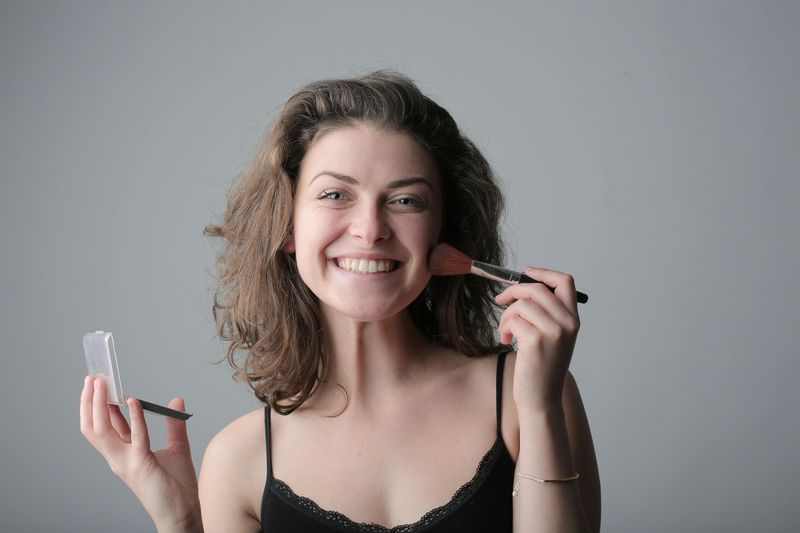
Brushing your hair, clipping your nails, or applying a full face of makeup might seem convenient when you’re running late, but doing these activities in public can make people seriously uncomfortable.
Personal grooming is called personal for a reason—it belongs in private spaces like bathrooms or your home.
Watching someone floss their teeth on the subway or clip their nails at a restaurant table can turn stomachs and ruin appetites.
These activities often involve releasing particles into shared air, which feels invasive and unhygienic to those nearby.
Restrooms exist for quick touch-ups, so use them when you need to fix your appearance.
Save more extensive grooming routines for when you’re alone, showing respect for the comfort of everyone around you.
5. Poor Table Manners

Chewing with your mouth open, talking while food is still in your mouth, or slurping loudly can instantly kill the mood at any meal.
These behaviors distract other diners and make eating feel unpleasant rather than enjoyable.
Nobody wants to see half-chewed food or hear every bite you take.
Constantly checking your phone during a meal also falls into this category.
It signals that you’re not fully present and that whatever is on your screen matters more than the people at your table, which feels disrespectful and creates awkward silence.
Practicing basic table manners—chewing quietly with your mouth closed, waiting to speak until you’ve swallowed, and putting your phone away—makes dining experiences pleasant for everyone involved and shows you value their company.
6. Invading Personal Space
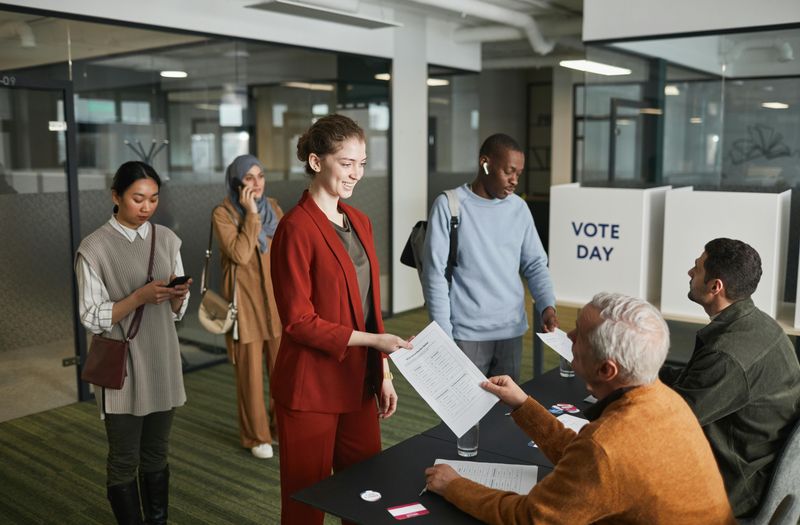
Standing too close to someone in line, leaning over their shoulder, or crowding them in an elevator can trigger real discomfort and anxiety.
Most people have an invisible bubble of personal space they need to feel safe and comfortable, and violating that boundary feels intrusive.
Body language often signals when someone needs more distance—they might step back, cross their arms, or avoid eye contact.
Ignoring these cues and continuing to hover too close shows a lack of social awareness that creates tension.
A good rule is maintaining at least an arm’s length of distance in casual situations and even more space in crowded areas when possible.
Respecting these boundaries helps everyone feel more comfortable and prevents those awkward shuffling moments.
7. Not Cleaning Up After Yourself

Leaving your trash on the table at a food court, dropping popcorn all over the movie theater floor, or abandoning your coffee cup on a park bench creates extra work for others and shows disrespect for shared spaces.
These areas belong to everyone, not just you.
Some people assume that because staff will eventually clean up, they don’t need to worry about their mess.
However, this attitude makes public spaces unpleasant for the next person and puts unnecessary burden on workers who already have plenty to do.
Taking a few seconds to throw away your trash, push in your chair, or wipe down a table demonstrates basic courtesy.
It keeps public areas clean and welcoming for everyone who uses them after you.
8. Speaking or Laughing Too Loudly

Your excitement and joy are wonderful, but when your voice or laughter dominates an entire room, it can disrupt everyone else’s experience.
Restaurants, museums, stores, and other public venues have ambient noise levels that allow people to enjoy themselves without being overwhelmed by one particular sound.
Loud talking or cackling laughter forces everyone to stop their own conversations or activities to hear over you.
It breaks concentration, interrupts peaceful moments, and can even startle people who weren’t expecting such volume.
Being aware of your voice level and the atmosphere around you helps maintain harmony in shared spaces.
You can still express enthusiasm and have fun—just at a volume that doesn’t demand everyone’s attention whether they want to give it or not.
9. Interrupting Others

Cutting someone off mid-sentence or jumping into a conversation before they’ve finished their thought is one of the rudest social habits you can have.
It sends a clear message that you believe your words are more important than theirs, which damages relationships and creates resentment.
Interrupting breaks the natural flow of conversation and often causes the original speaker to lose their train of thought entirely.
They may feel unheard, disrespected, or frustrated, which makes future interactions strained and uncomfortable for everyone involved.
Active listening means giving people your full attention and waiting for natural pauses before contributing your own ideas.
This simple practice shows respect, builds stronger connections, and ensures conversations feel balanced rather than one-sided or competitive.
Comments
Loading…