
 Jade Reed
12 Celebrities Who Made More Money After Leaving Hollywood Than In It
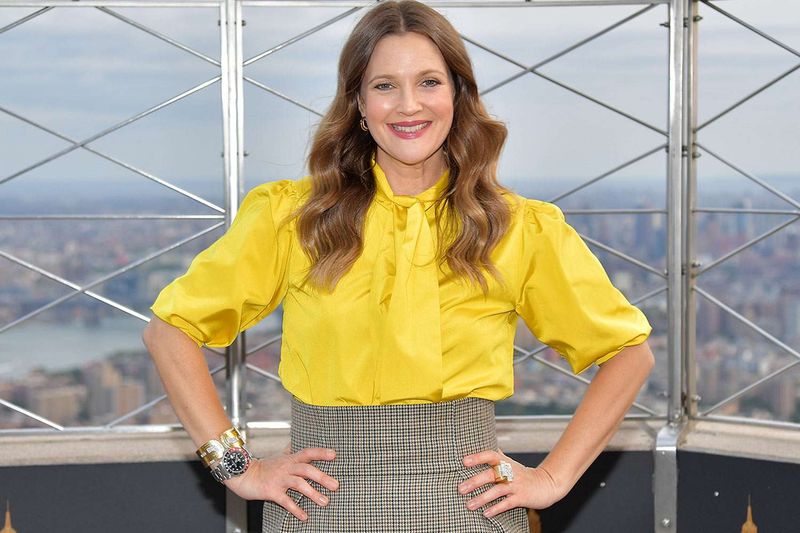
In Hollywood, fame looks like the ultimate paycheck, but it’s often just the starting line.
Plenty of stars eventually realize that acting gigs, record deals, and box office bonuses can’t compete with what happens when you own a brand, invest early, or build something that earns money while you sleep.
The celebrities below didn’t just “stay relevant” after leaving the spotlight; they reinvented themselves in ways that turned their names into business engines.
Some built companies from the ground up, others made shockingly smart investments, and a few used their public profiles to create long-term income streams that outpaced their on-screen salaries.
If you’ve ever wondered what financial freedom looks like when the cameras stop rolling, these post-Hollywood glow-ups deliver.
1. George Foreman
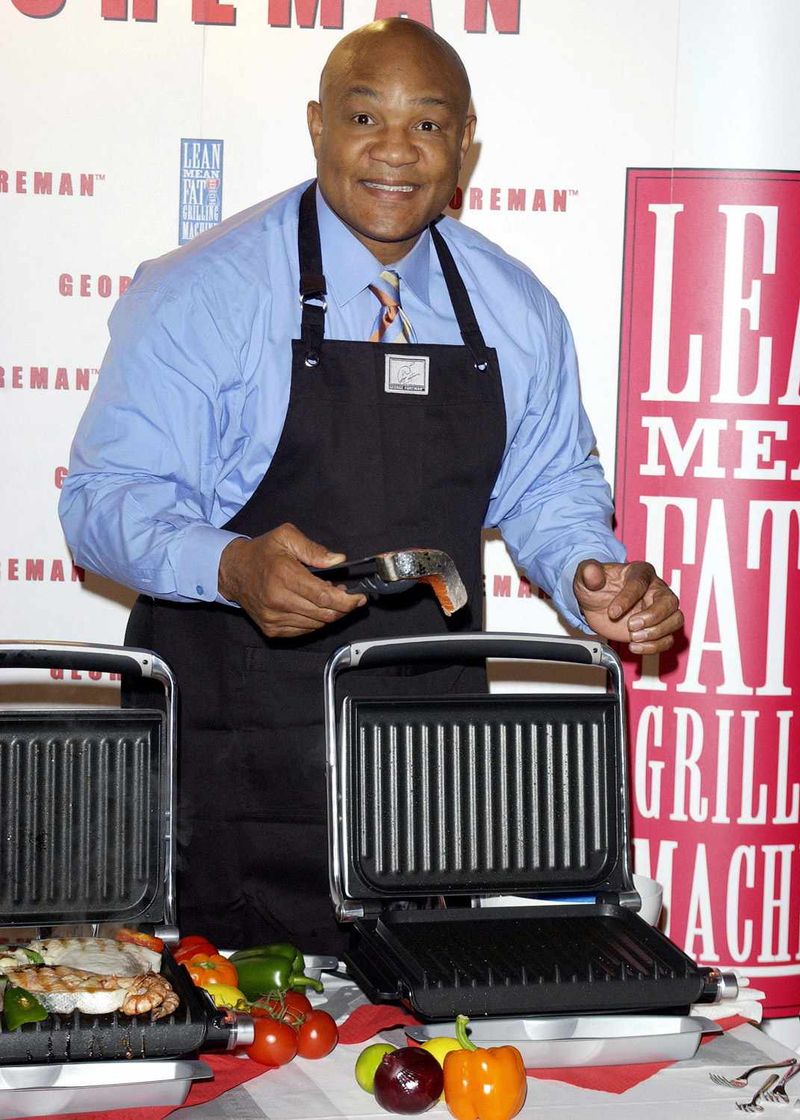
Retirement did not slow down this heavyweight icon; it simply redirected his earning power into a far more consistent lane.
After a legendary boxing career, he became the smiling face of the George Foreman Grill, a product that turned into a cultural staple in kitchens everywhere.
Endorsements can be lucrative, but what made this deal so powerful was its scale and longevity, because the grill sold in huge numbers for years, far beyond the short window of a sports prime.
The lesson is especially striking: athletic fame can fade quickly, while consumer products can keep generating income through brand recognition and repeat purchases.
Foreman’s story works because it shows that your “second act” does not need to be glamorous, as long as it is smart, useful, and widely marketable.
2. Ashton Kutcher
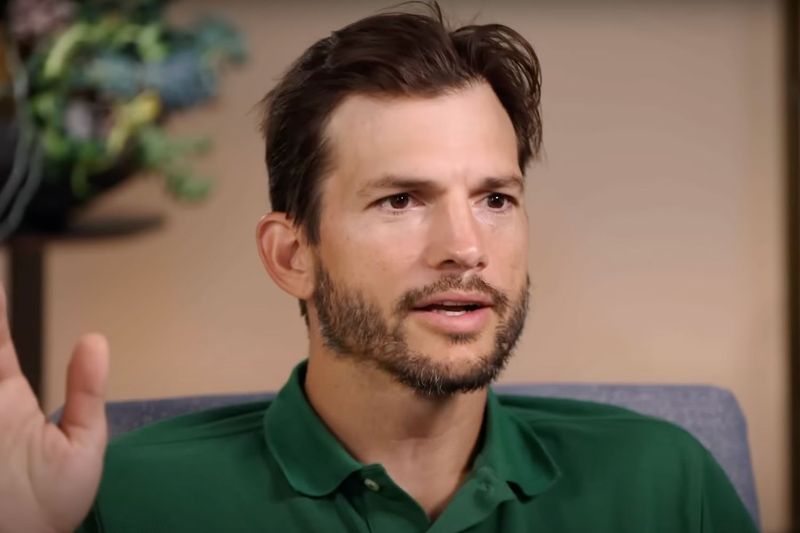
A sitcom career can make someone famous, but early tech bets can make someone wealthy in a way TV rarely matches.
After establishing himself as a bankable star, he leaned hard into venture capital and startup investing, backing companies at stages when most people had never heard their names.
That approach doesn’t just bring one-time checks; it can create compounding wealth if even a few investments explode in value.
Kutcher also built credibility by showing up as more than a celebrity mascot, learning the space, networking with founders, and treating it like a serious business.
His trajectory is a great example of how access can become advantage, because fame opened doors to rooms where equity deals happen.
If you want a modern lesson in “work smarter,” it’s hard to top a pivot from punchlines to portfolios.
3. Paul Newman
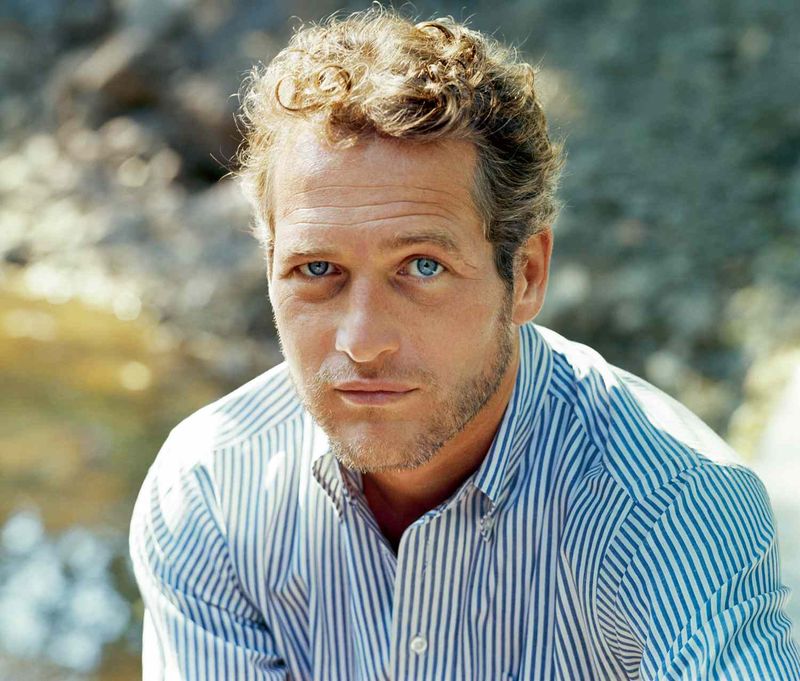
A respected acting legacy already would have been enough, yet his biggest financial impact came from a product line that turned groceries into a long-running philanthropic machine.
Newman’s Own began with salad dressing and expanded into a broader food brand, and the company famously funneled profits into charitable causes.
Beyond the feel-good angle, there’s a powerful money lesson here: a simple, well-positioned consumer product can create steady revenue for decades, while movie salaries arrive in bursts and then stop.
His reputation helped the brand earn trust, but the products also had to hold their own on store shelves, which is why the company lasted.
Even though he remained an actor, the business became a defining part of his wealth story, proving that a celebrity name can be most valuable when it becomes attached to something people buy again and again.
4. Rihanna
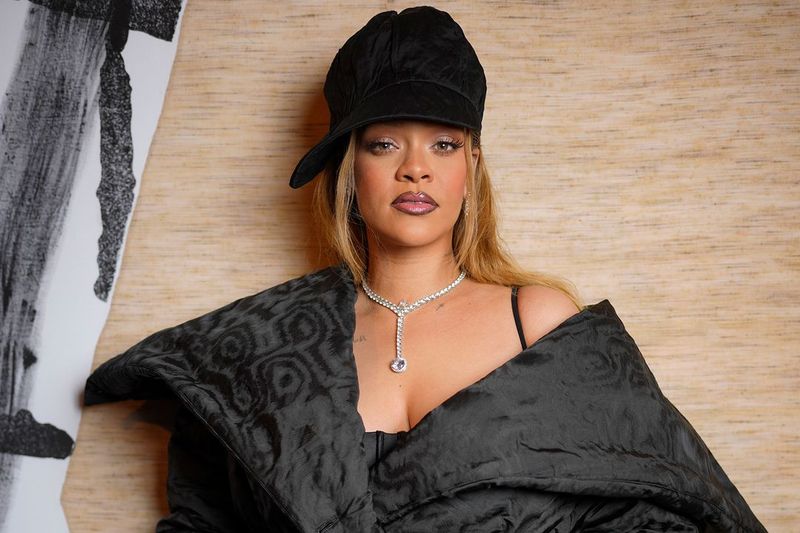
The entertainment industry made her famous, but ownership made her extraordinarily wealthy.
While music and the occasional acting role brought massive paydays, her real wealth leap came when she turned her influence into a scalable business with Fenty Beauty and related ventures.
What separates this from typical celebrity branding is the way it addressed a market gap, with inclusivity and product range that drew customers who felt ignored elsewhere.
That kind of strategic positioning is what transforms a celebrity line into a genuine powerhouse, because people stick around for the product, not just the star.
It also demonstrates how modern fame works best as a launchpad, not a finish line, since a brand can expand globally without requiring constant touring or filming.
If you’re looking for proof that equity beats applause, her story is a billboard-sized example.
5. Arnold Schwarzenegger
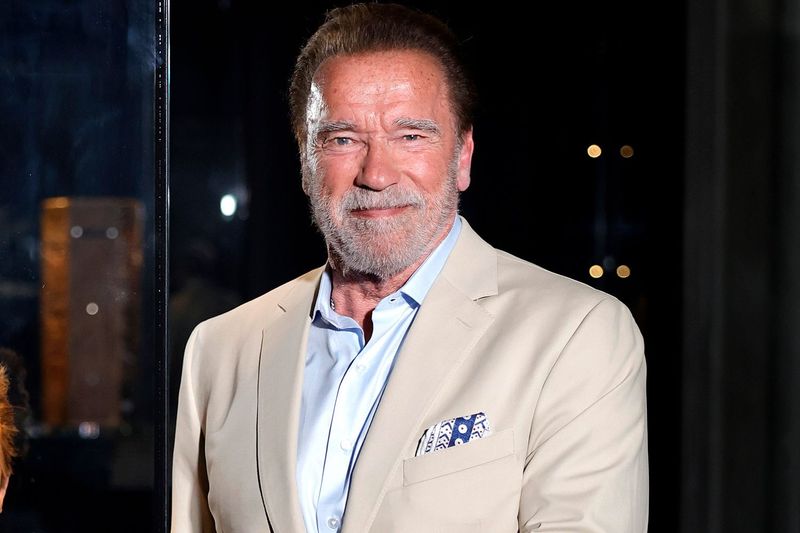
Long before personal branding became a buzzword, this action star treated money like a discipline rather than a trophy.
While his blockbuster salaries were impressive, much of his long-term financial strength reportedly came from real estate and business investments that grew steadily in the background.
The key idea is that acting income can be huge but unpredictable, whereas property and well-chosen investments can generate compounding value and stability.
Schwarzenegger’s approach also shows why learning basic financial strategy early matters, because he invested while his career was hot, not after the offers slowed down.
That timing can be the difference between being rich and staying rich.
His post-Hollywood wealth narrative is less about one viral brand and more about a portfolio mindset, which is often the boring, powerful secret behind lasting money.
Fame can open doors, but good investing keeps them open.
6. Jessica Alba

Stepping away from blockbuster roles gave this former leading lady the time and focus to build something far bigger than a film resume.
After years in front of the camera, she co-founded The Honest Company with a consumer-friendly mission centered on cleaner household and baby products, and the brand quickly became a household name.
Even if valuations and market swings change over time, the core story remains: equity and ownership can outperform a string of paychecks, even high ones.
Alba’s shift also highlights how credibility matters, because she leaned into a personal narrative of family health and practical products rather than trying to slap her name on something random.
Her move is a reminder that when a celebrity becomes a founder, the real money often comes from building a business people actually return to.
7. Oprah Winfrey
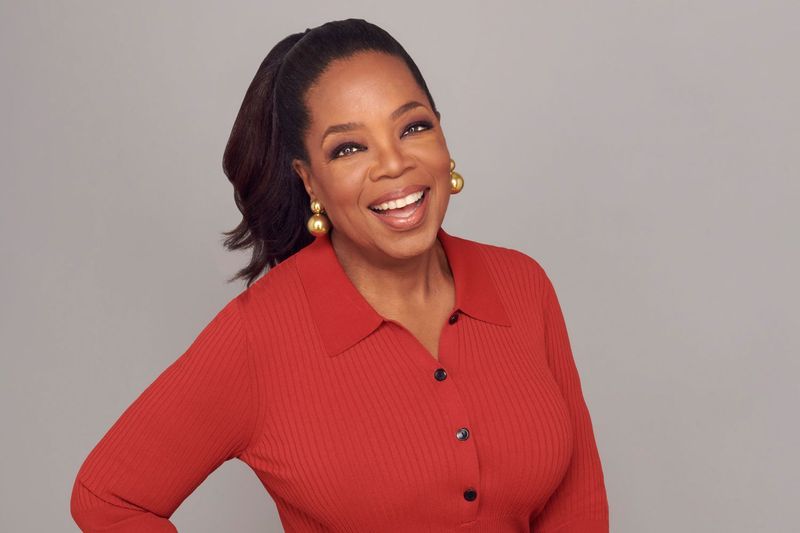
Television stardom created her platform, but building an empire transformed that platform into something closer to a financial institution.
Instead of relying solely on talent fees, she focused on ownership, distribution, and long-term deals that kept money flowing even when she wasn’t actively hosting a daily show.
Networks, production projects, licensing, and partnerships allowed her to turn influence into infrastructure, which is the kind of move that separates a celebrity from a mogul.
The lesson for regular people is clear: when you control the content and the business, you are no longer waiting for someone to offer you a role.
Oprah’s career also shows the power of trust-based branding, because audiences followed her into new ventures precisely because her name had become a signal of quality and consistency.
In terms of post-Hollywood earnings, she didn’t just leave the industry; she rewired how it works.
8. Gwyneth Paltrow
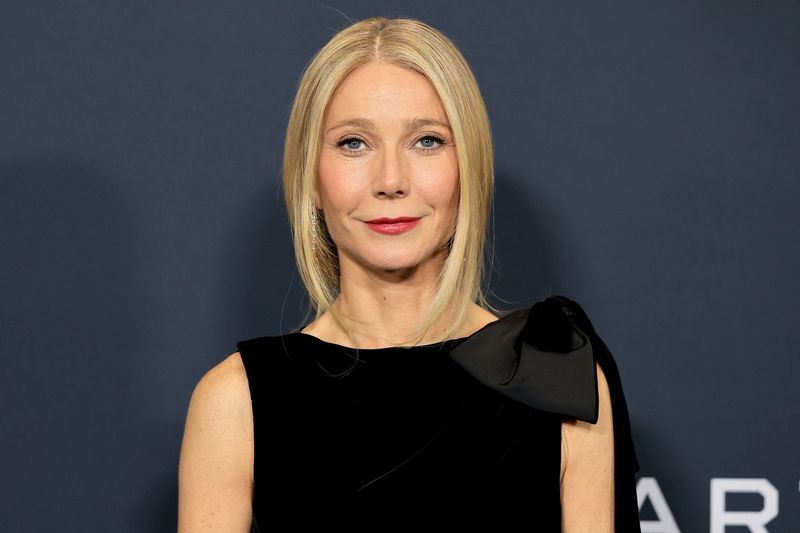
Moving away from constant acting roles gave her the runway to build a brand that thrives on curiosity, controversy, and relentless positioning.
With Goop, she leaned into lifestyle and wellness, creating a business that sells products, experiences, and an identity, which is often more profitable than a single movie deal.
While opinions on the brand can be polarizing, the money lesson is straightforward: niche audiences can be incredibly valuable when they are loyal and willing to spend.
Paltrow didn’t just attach her name to something generic; she created a distinct editorial voice that kept people coming back, even when they came to argue with it.
That attention still drives traffic, and traffic drives revenue.
Her pivot underlines a modern truth that’s hard to ignore: in today’s economy, a celebrity who owns a media-adjacent brand can monetize far beyond what acting alone typically provides.
9. 50 Cent (Curtis Jackson)
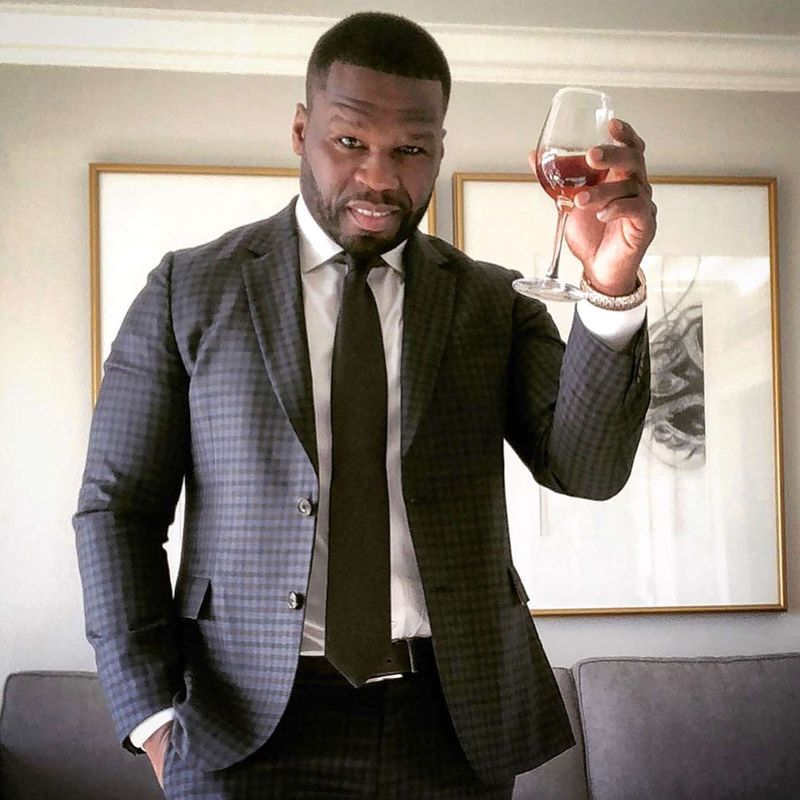
The music checks were big, but the smartest money move came from thinking like a businessman instead of only an artist.
Beyond albums and touring, he became known for a high-profile deal tied to Vitaminwater that reportedly delivered a massive payday when the company was acquired.
That kind of windfall is exactly why equity stakes can beat performance income, because you are paid for value growth, not just for showing up.
He also expanded into production and other ventures, which helped diversify his income and keep him earning even when music trends shifted.
The larger takeaway is that celebrity can be leveraged as negotiating power, especially if you are willing to take a calculated risk on ownership rather than demanding cash up front.
10. Drew Barrymore
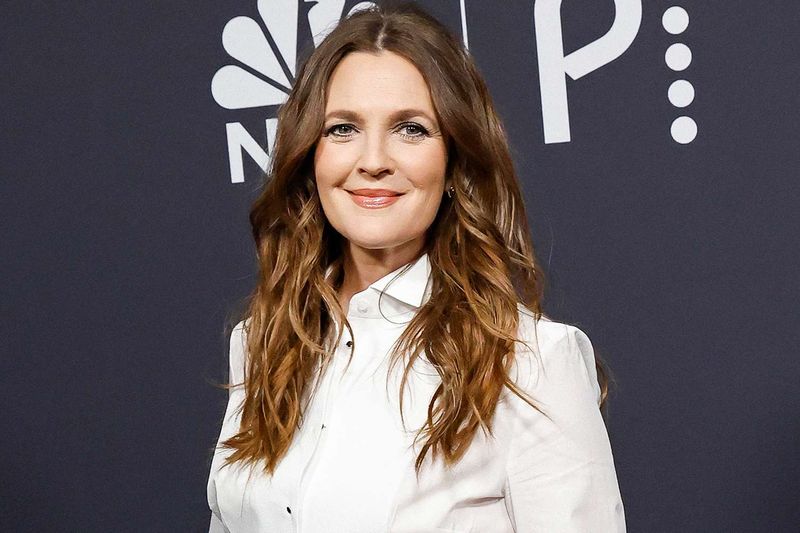
A child star could easily coast on nostalgia, but she chose something more durable than a filmography.
Over time, she built businesses that extended her earning power beyond acting, including product lines and a daytime talk show that created consistent, repeatable income.
What makes her post-Hollywood story compelling is the way she blended accessibility with brand-building, because audiences tend to trust her as someone relatable rather than untouchable.
That trust is valuable, and it can translate into customers who buy, subscribe, and keep watching.
Acting careers often depend on being cast, but building your own platforms flips the control back into your hands.
Barrymore’s approach is also a reminder that success doesn’t have to be loud to be lucrative, since steady revenue streams can quietly outperform occasional blockbuster checks.
When you own the channel, you don’t need to chase the next role to stay paid.
11. Victoria Beckham
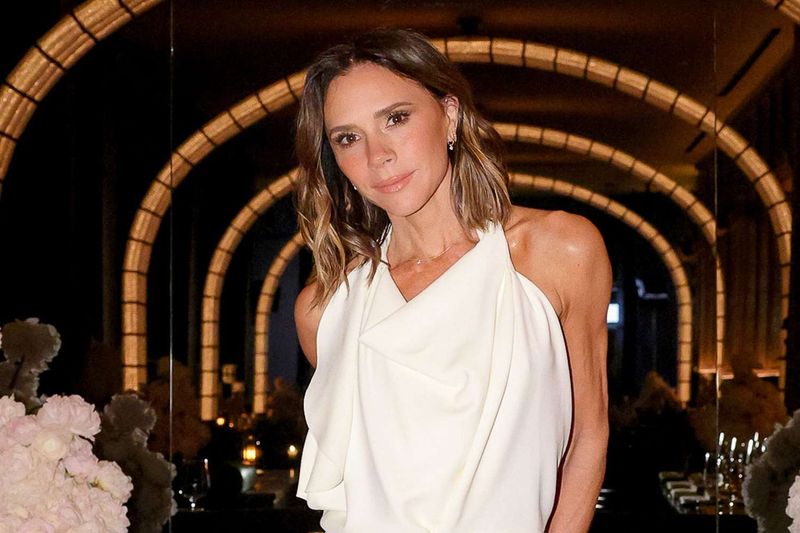
Pop stardom gave her global recognition, but fashion turned recognition into a business with far greater long-term potential.
After the peak Spice Girls era, she repositioned herself as a serious designer, building a brand that aimed for luxury credibility rather than novelty merchandising.
That distinction matters, because the money in fashion often lives in pricing power and brand perception, not just volume.
While the business world can be harsh, her persistence and willingness to evolve helped create a name that exists beyond the pop culture moment that introduced her.
The broader takeaway is that reinvention works best when it’s strategic, not random, because she aligned her new career with a clear image and market segment.
For anyone rebuilding after a career peak, her path shows how to translate fame into a new identity that can attract customers, press, and partnerships for years.
12. Kevin Hart
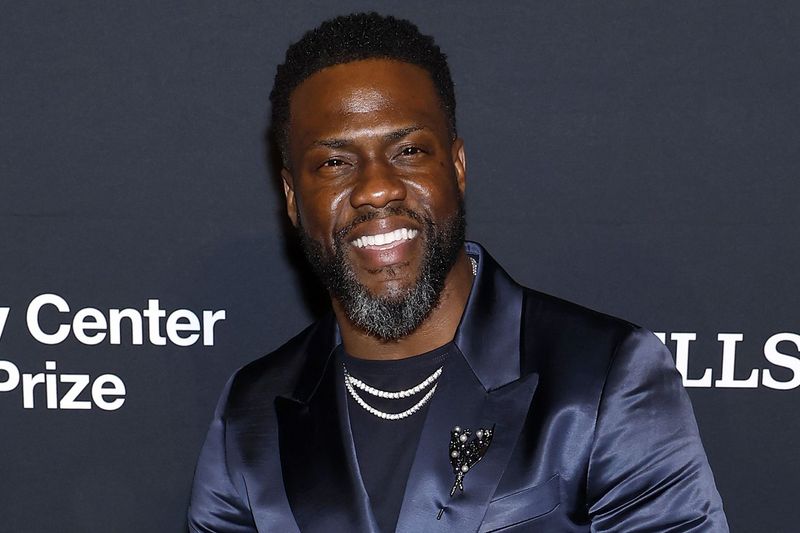
Comedy made him famous, but building a multi-lane business strategy turned him into one of the most consistent earners in entertainment.
Instead of relying only on film roles, he expanded into touring, production, brand partnerships, and ownership plays that created a diversified income mix.
That diversification is key, because movies can be hit-or-miss, while multiple revenue streams smooth out the dips and keep money coming in.
Hart also understands scale, which is why he treats content like an engine: stand-up specials feed tours, tours feed brand interest, and brand deals feed bigger production opportunities.
The result is a self-reinforcing loop that doesn’t depend on Hollywood’s casting decisions.
His story is a modern blueprint for monetizing your skill set, because it’s not just about being funny; it’s about packaging that talent into businesses that can grow without needing a director to call you back.
Comments
Loading…