
 Isabel Parker
11 Things in Your Kitchen Cabinets That Are a Waste of Space

Kitchen cabinets have a sneaky way of becoming storage units for things you don’t actually use, especially when life gets busy and “I’ll deal with it later” turns into months or years.
The problem isn’t just how your kitchen looks when you open a door, either.
Overstuffed shelves make it harder to find what you need, encourage you to buy duplicates, and can even make cooking feel more stressful than it should.
If you’ve ever knocked over a stack of containers searching for one lid or discovered a mystery spice jar you don’t remember buying, you already know the struggle.
The good news is that you don’t need a full renovation to feel more organized.
Clearing out a few common space-wasters can instantly make your kitchen easier to use and a lot calmer to be in.
1. Mismatched plastic containers (and lid-less “orphans”)
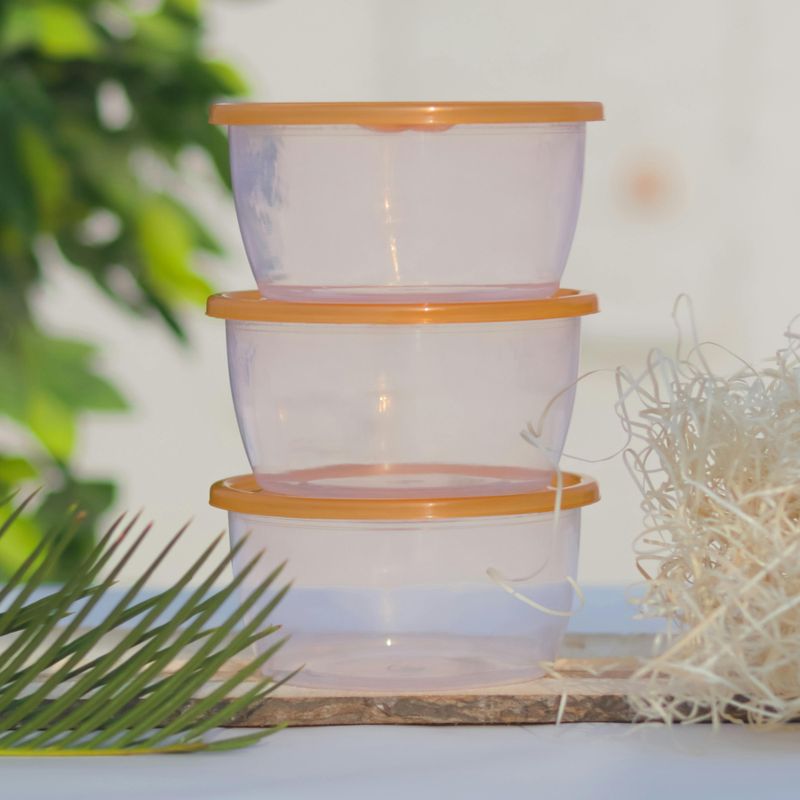
Your container drawer should save dinners, not your patience.
Random sizes, cloudy plastic, and orphan lids turn a quick leftovers moment into a chaotic hunt.
If a container does not have a matching lid that seals snugly, it is just a bowl pretending to be useful.
Start by pairing every base with a lid on a clean counter.
Anything warped, stained, or chipped gets tossed or recycled according to local rules.
Keep a single stackable set in two or three sizes that nest neatly and share lids.
Store lids vertically in a narrow bin so you can find them without excavation.
Label sizes if that helps you stay consistent.
When new takeout containers arrive, set a simple rule: one in, one out, or it will multiply like gremlins.
2. Novelty mugs you never reach for
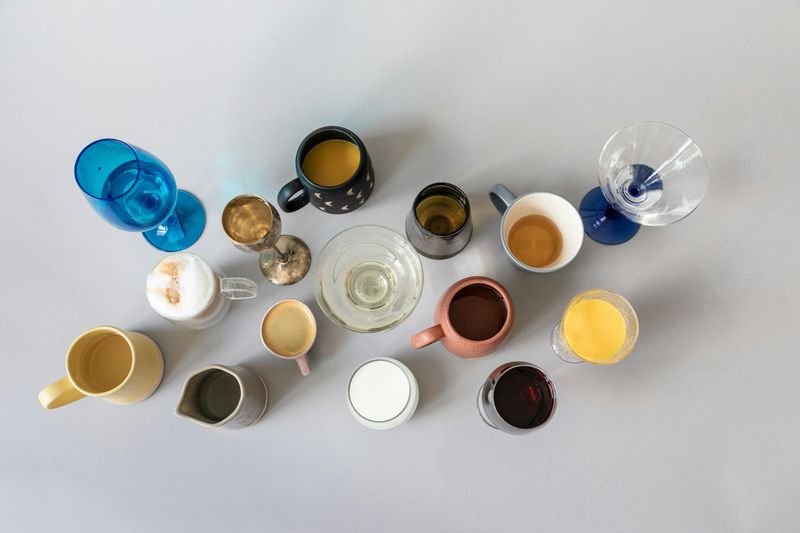
Mugs multiply because they are cute, free, and sentimental.
The problem is you still grab the same two every morning.
Those chunky novelty ones hog space, do not stack well, and collect dust like it is their part-time job.
Pull every mug out and choose a daily set that feels great in your hand.
Keep a couple extras for guests and donate the rest.
Souvenir guilt is not a reason to keep a cabinet cramped.
Install an under-shelf mug rail if you need hanging space, or limit yourself to one shelf.
Rotate seasonal ones into a small storage bin if they truly spark joy.
Otherwise, let them make someone else’s mornings brighter and reclaim your elbow room.
3. Single-use gadgets with one job
Bright plastic gadgets promise shortcuts, but most gather dust.
A good knife plus basic skills can handle slicing, pitting, hulling, and more with less cleanup.
When drawers jam, it is usually these one-trick ponies causing the traffic.
Dump the gadget drawer on a towel and ask if each tool beats a knife for speed and safety.
Keep the rare winners like a can opener or thermometer.
The banana hammock and strawberry huller can retire gracefully.
Upgrade one versatile tool you will actually use daily, like a chef’s knife or bench scraper.
Store tools by task zones so you are not rummaging during dinner.
Your counters will breathe again and so will your sanity.
4. Duplicate utensils you somehow own 12 of
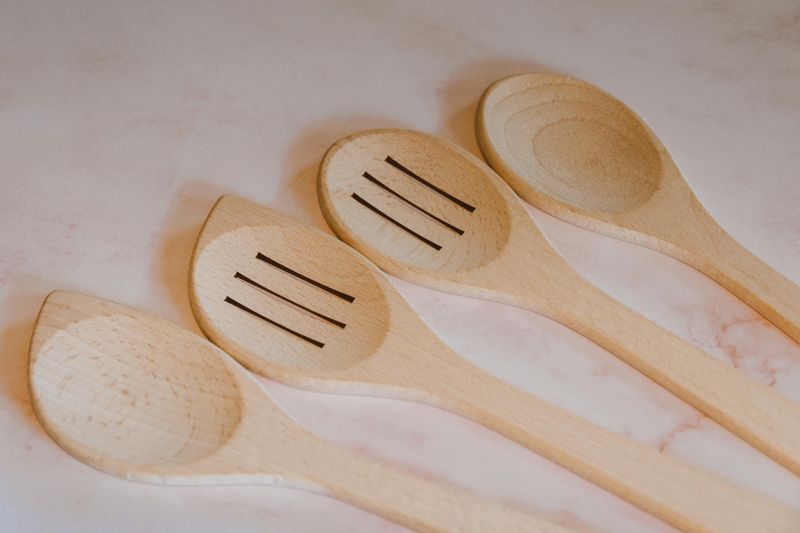
Somehow the wooden spoons multiplied overnight.
You reach for one and a dozen friends leap out like a parade.
Duplicates waste space, hide the good tools, and make cleanup slower.
Lay everything out by category and pick your top two or three per type.
Keep the best whisk, the favorite spatula, and one reliable peeler.
Donate extras or stash a backup in a labeled bin outside the kitchen.
Use drawer dividers or a slim utensil tray to keep categories tidy.
A wall rail with S hooks frees drawer space and keeps MVPs within reach.
Fewer tools means faster cooking and fewer dish decisions at the sink.
5. Expired spices and seasoning blends
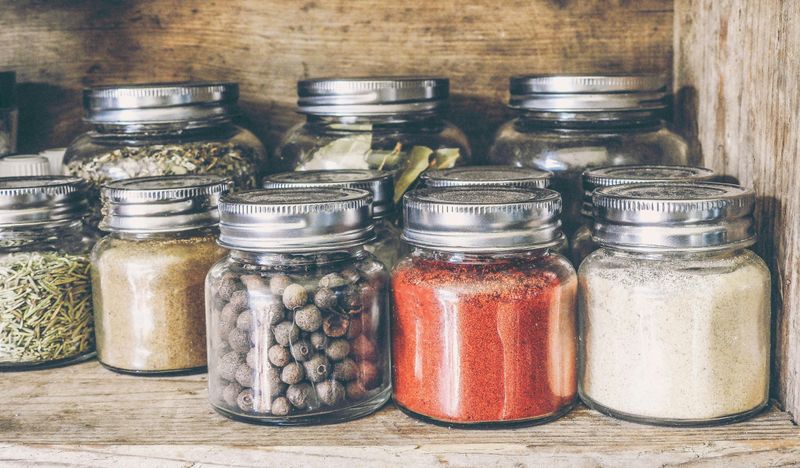
If your paprika tastes like dust, you are not imagining it.
Spices lose their punch long before the jar is empty, especially when stored over the stove.
Dull flavors mean bland dinners, no matter how well you follow the recipe.
Check dates, but trust your nose first.
If it smells weak or clumpy, it is done.
Keep a tight core set you actually cook with and buy smaller jars so they stay fresh.
Store spices in a cool cabinet in labeled jars with clear lids facing out.
A compact tiered rack or pull-out organizer keeps everything visible.
Your food will taste brighter and you will stop hoarding ghost flavors.
6. Appliance manuals, warranty papers, and random instruction booklets
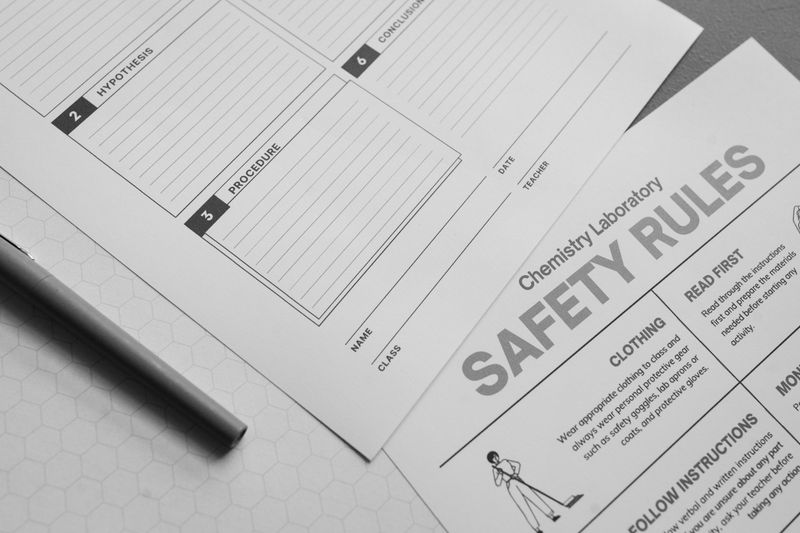
Piles of paper do not help you make dinner.
Most manuals live online, and warranties can be registered in minutes.
Those booklets only steal cabinet space from items you actually touch daily.
Scan or download PDFs for every major appliance and save them in a cloud folder.
Keep only proof of purchase and active warranties in a slim labeled envelope.
Store that envelope in an office drawer, not the kitchen.
Create a shared note with model numbers, serials, and customer service links.
When something breaks, you will have everything in one spot.
Your cabinets, meanwhile, can focus on storing tools, not paperwork clutter.
7. Chipped, stained, or mismatched dishware you’re “saving just in case”
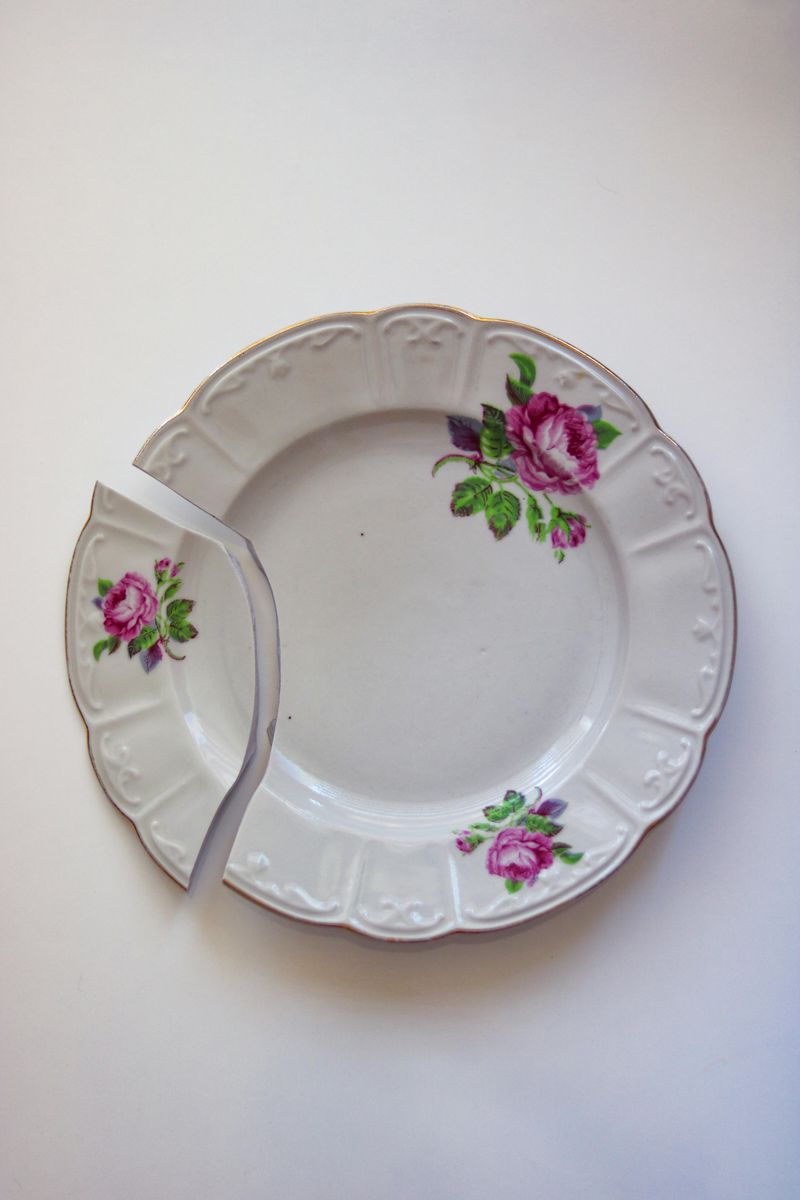
Keeping broken dishes for emergencies is like keeping one shoe for running.
Chips harbor bacteria and sharp edges, and stains never look truly clean.
You deserve plates that feel good to use every day.
Set aside a cohesive set that stacks neatly and suits your table.
Anything cracked, crazed, or permanently stained goes.
If you need extras for guests, keep a simple backup set stored elsewhere.
Donate usable pieces and responsibly discard damaged ones.
A unified color palette simplifies setting the table and makes small kitchens feel calmer.
Suddenly, your shelves look curated rather than chaotic.
8. That one pan/baking sheet you hate using
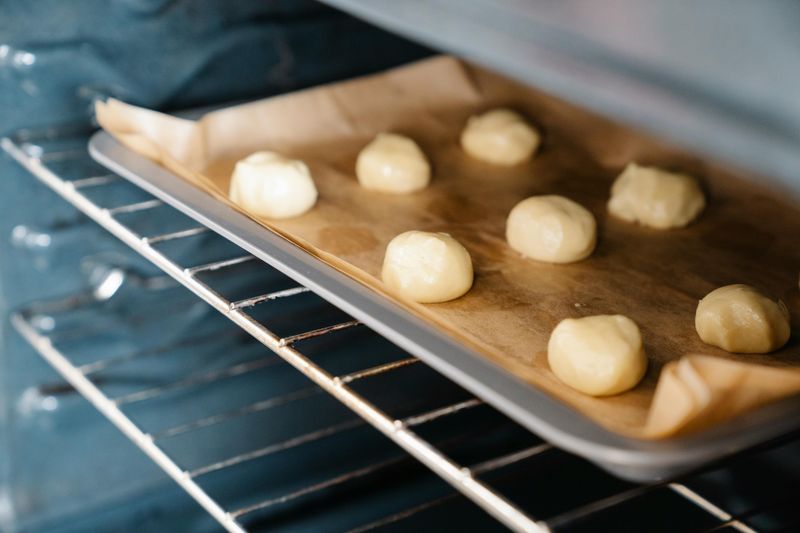
We all have a pan that betrays us.
Food sticks, edges warp, and cleanup turns into a scrub-a-thon.
If you avoid it every time, it is not a tool, it is a punishment.
Audit your bakeware and pans for warping, flaking coatings, or hot spots.
Replace the worst offender with one reliable workhorse you will reach for constantly.
Stainless, cast iron, or a sturdy sheet pan often beats a flimsy bargain option.
Store favorites upfront and banish the rest.
You will save time, soap, and sanity when weeknight cooking rolls around.
Your future roasted vegetables will finally crisp instead of sulk.
9. Unused water bottles and travel cups
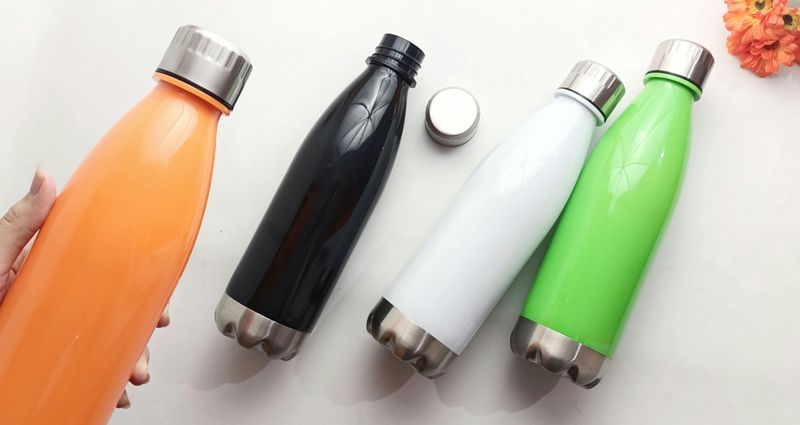
Somehow the lids never match the bottles, and the straws go missing, too.
Leaky travel cups and promotional swag do not deserve prime real estate.
If you have favorites, you already know which ones they are.
Line every bottle on the counter and test the seal with water.
Keep a small set that covers gym, commute, and kids if needed.
Recycle, donate, or repurpose the rest for non-food uses.
Use an adjustable rack or file them horizontally with dividers.
Store lids in a labeled bin so they do not go wandering.
Fewer bottles means faster exits and fewer soggy bag surprises.
10. Takeout sauce packets and condiment duplicates
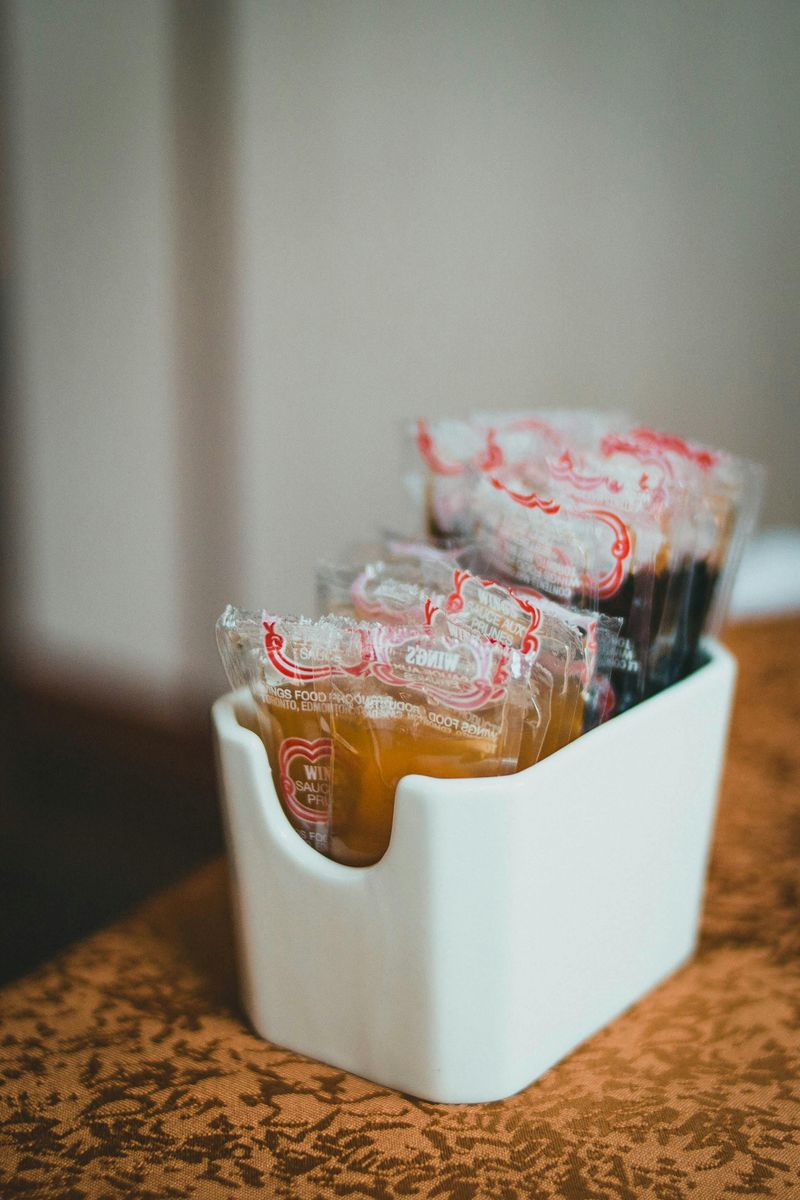
Those tiny packets feel free, but they cost space and sanity.
They burst, leak, and turn into a sticky archeological layer.
Meanwhile, you already have full bottles in the fridge.
Empty the drawer and toss any compromised packets.
Keep a small handful for true emergencies and put them in a sealed container.
Combine duplicate condiments and label open bottles with a marker date.
Store napkins and plastic cutlery separately so they do not mingle.
A shallow tray keeps everything visible and limits the stash.
Your drawers will stop smelling like mystery soy, and weeknights will feel calmer.
11. Seasonal or “special occasion” serveware that never gets used
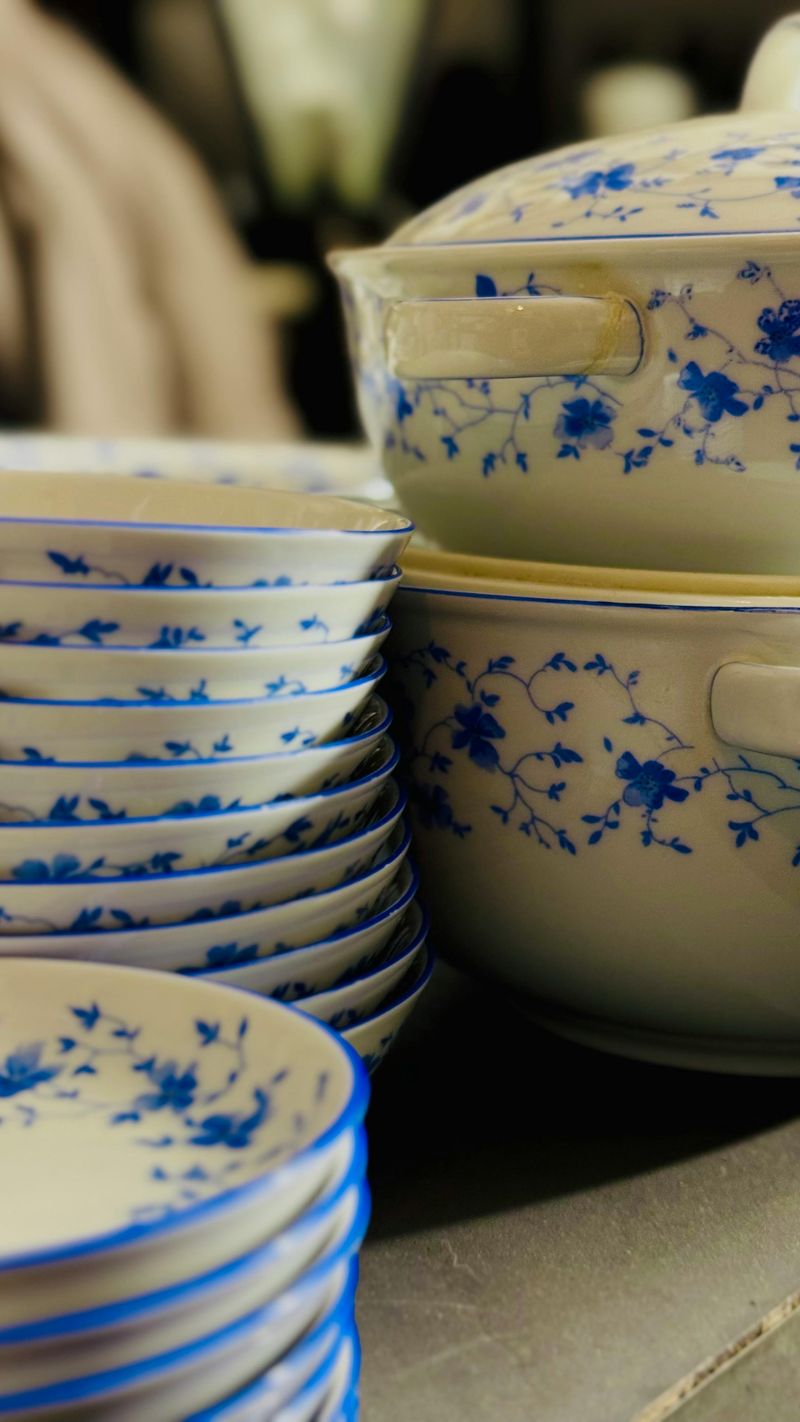
That gorgeous platter deserves a party, not a prison sentence.
If it only sees daylight once every few years, it does not belong in everyday reach.
High shelves are for seldom-used items, not prime spots near the stove.
Be honest about what you actually host.
Keep one multipurpose platter and a couple of flexible serving bowls.
Store holiday-specific pieces in a labeled tote outside the kitchen.
Borrow from friends when big gatherings happen.
Your daily routine should not suffer for a hypothetical feast.
Clearing this space makes room for tools you reach for every single day.
Comments
Loading…