
 Isabel Parker
Living Alone? 16 Smart Hacks That Make Everything Easier

Living alone can be one of the most peaceful, empowering ways to live—until the little things pile up.
Suddenly you’re the one who has to notice the empty shampoo bottle, remember the trash schedule, call the landlord, and figure out dinner when you’re tired.
The good news is that solo living doesn’t need to feel like constant maintenance.
A few smart systems can make your home run smoothly without you thinking about it 24/7, and the best part is that most of them cost little to nothing to set up.
These tips aren’t about being perfect or turning your apartment into a magazine spread.
They’re about reducing friction, saving money, and making day-to-day life feel lighter, calmer, and way more enjoyable—because your home should support you, not drain you.
1. Automate the boring stuff

Automation quietly removes stress you do not need.
Set up autopay for recurring bills like rent, utilities, subscriptions, and savings contributions so essentials happen without constant attention.
Add fraud alerts and balance notifications, then create a monthly review day to scan statements and move money with intention.
Use calendar reminders for that review day, plus quarterly checkups to cancel subscriptions you forgot about.
Keep a note with logins, policies, and renewal dates stored securely, so you are not hunting during crunch time.
When systems run themselves, you get your brain back for real life.
If cash flow varies, set autopay dates right after paydays and maintain a small buffer in checking.
Automate savings first, even ten dollars, to build momentum.
Treat automation like a helpful roommate that never forgets, and you will stop worrying about due dates and late fees entirely.
2. Keep a “solo starter kit” stocked
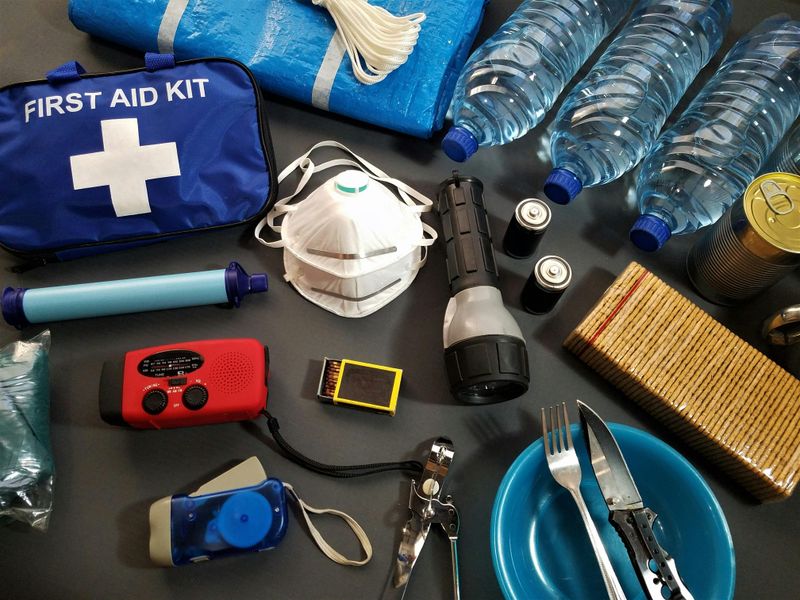
Little emergencies feel bigger when you are alone, so a starter kit changes the game.
Stash batteries, a flashlight, bandages, pain relievers, antihistamines, and a digital thermometer.
Add shelf stable meals like soup, instant rice, and tuna, plus a compact tool kit with screwdriver, tape, and command hooks.
Keep everything in one labeled bin where you can grab it in the dark.
Include a power bank, lighter, spare chargers, and a photocopy of IDs and insurance cards in a zip bag.
Rotate meds and food quarterly on your calendar so nothing expires unnoticed.
Customize based on climate and building.
If outages happen, add candles and a small radio.
Pet parent or plant person, include supplies for them too.
When something breaks or you are under the weather, this kit turns chaos into a quick fix and calm.
3. Create a 10-minute reset routine

Even on tired nights, a short reset keeps tomorrow smooth.
Do dishes, wipe counters, and take trash out if it is close.
Set out tomorrow’s essentials like keys, work bag, water bottle, and outfit so you can coast through the morning.
Use a two song playlist to time it and make it pleasant.
Keep cleaners and a sponge within arm’s reach so momentum never stalls.
Finish with a quick floor sweep and a five item tidy in the living room to restore calm.
Make it a ritual, not a chore, and stop when the timer ends.
Perfection is not the goal, readiness is.
The payoff is waking up to a space that feels friendly, which protects your energy and helps you keep promises to yourself.
4. Set up a landing zone by the door
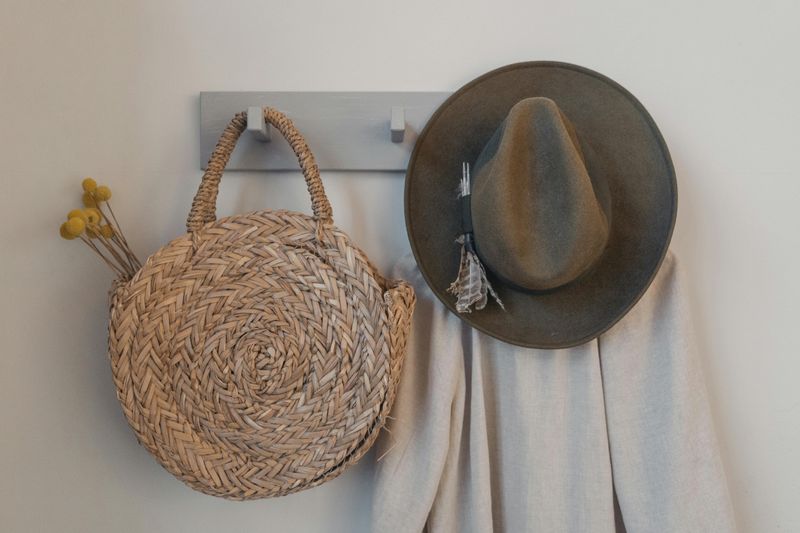
First steps inside decide whether clutter spreads or stops.
A landing zone catches everything before it migrates.
Install hooks for bags and coats, place a tray for keys and wallet, and add a small bin for mail so piles do not take over counters.
Keep a pen, stamps, and return labels in the bin to sort immediately.
A narrow bench or stool helps when tying shoes and makes the space inviting.
Use a small dish for sunglasses and earbuds, plus a basket for umbrellas or reusable totes.
Label if you like, but consistency matters more than perfection.
Commit to emptying the mail bin each review day and you will stay ahead.
This simple setup saves minutes daily and prevents the dreaded where are my keys scramble when you are running late.
5. Use the “one in, one out” rule
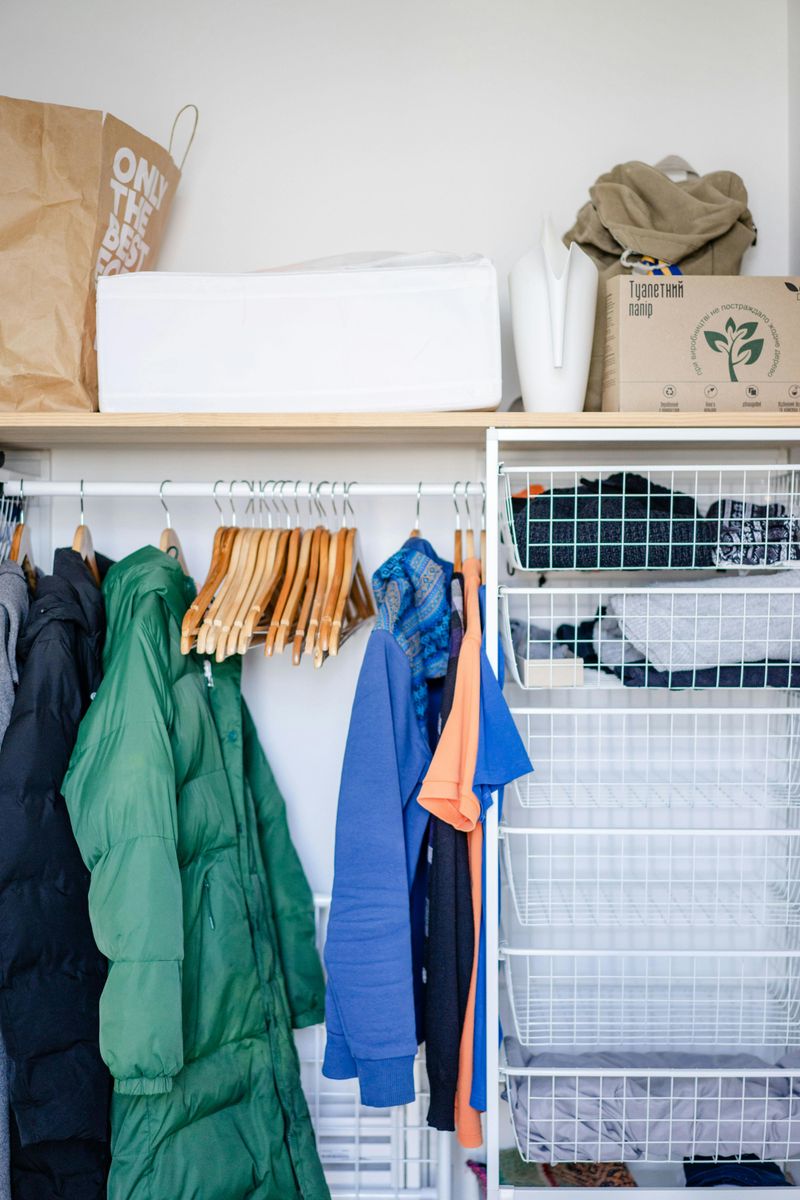
Clutter sneaks in quietly, then steals weekends.
The one in, one out rule keeps balance without a full purge.
When a new sweater or mug arrives, choose one to donate or sell, and move it out immediately.
Keep a labeled donation bag in the closet so decisions take seconds, not hours.
Apply the rule to gadgets and linens, especially things that multiply like containers.
If you struggle to release items, set a monthly five item exit challenge and celebrate completion.
Use photos to remember sentimental pieces while clearing space.
Pair this rule with a wish list to slow impulse buys and make purchases intentional.
Less stuff means less cleaning, less hunting, and more room for what you actually use daily.
6. Plan “lazy meals” on purpose
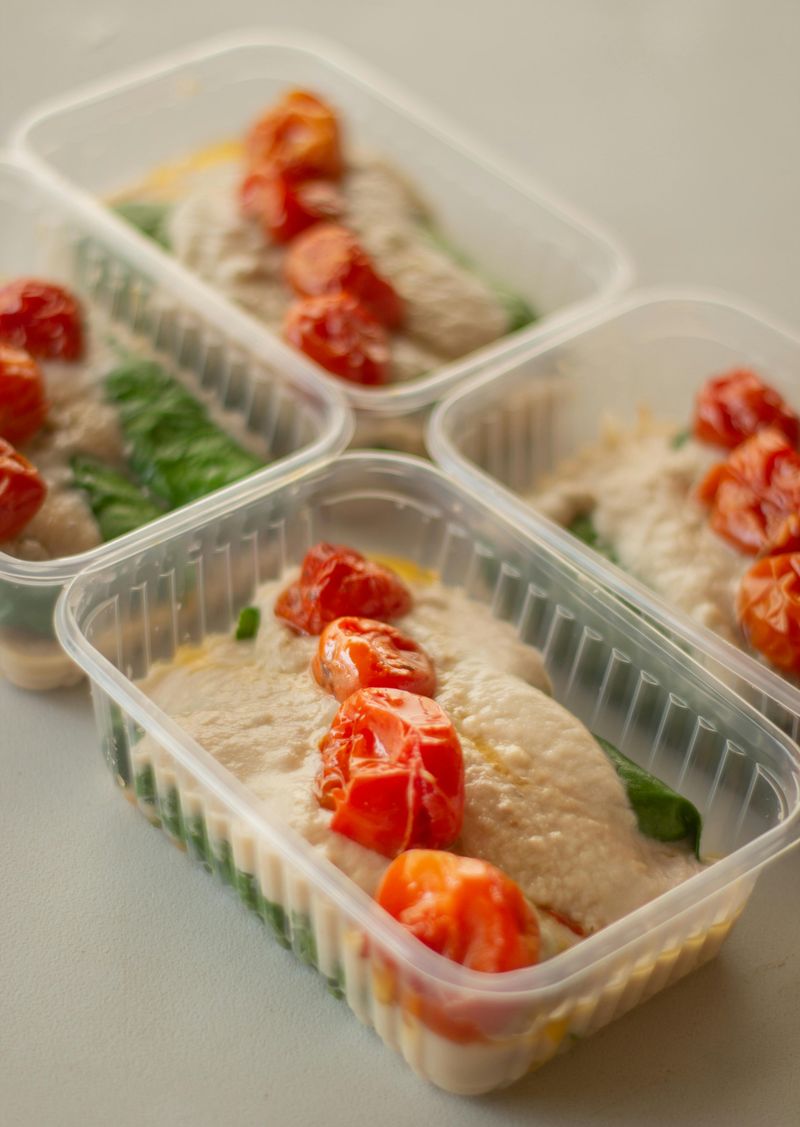
Decision fatigue is the real takeout trigger.
Build a tiny rotation of five to seven lazy meals you can make half asleep.
Think sheet pan dinners, bagged salad with rotisserie chicken, soup with crusty bread, breakfast for dinner eggs, and quick wraps.
Keep your pantry stocked with shortcuts like jarred pesto, frozen veggies, broth, tortillas, and canned beans.
Write the rotation on a card and tape it inside a cabinet.
When hunger hits, you point and cook without bargaining with your future self.
Prep once a week by washing greens and cooking a grain.
Store a sauce you love to make anything taste intentional.
With lazy meals planned, you save money, reduce waste, and still eat something satisfying on nights you do not feel like trying.
7. Buy in “right-size” portions

Cooking for one is a portion puzzle you can actually solve.
Choose smaller containers, half loaves of bread, and single protein packs to match your pace.
Lean on frozen produce so nothing wilts before you get to it and you still eat colorfully.
Plan overlapping ingredients across the week, like herbs used in eggs, wraps, and pasta.
Store perishables in clear bins so you see them and use them.
Vacuum sealers or freezer bags stretch leftovers into future dinners without boredom or waste.
Buy pantry items where the unit price makes sense, but skip bulk if it becomes clutter.
Rotate what you own before shopping again, keeping a running list.
Right size shopping supports less trash, better meals, and a fridge that looks intentional instead of guilty.
8. Batch tiny chores instead of cleaning all day
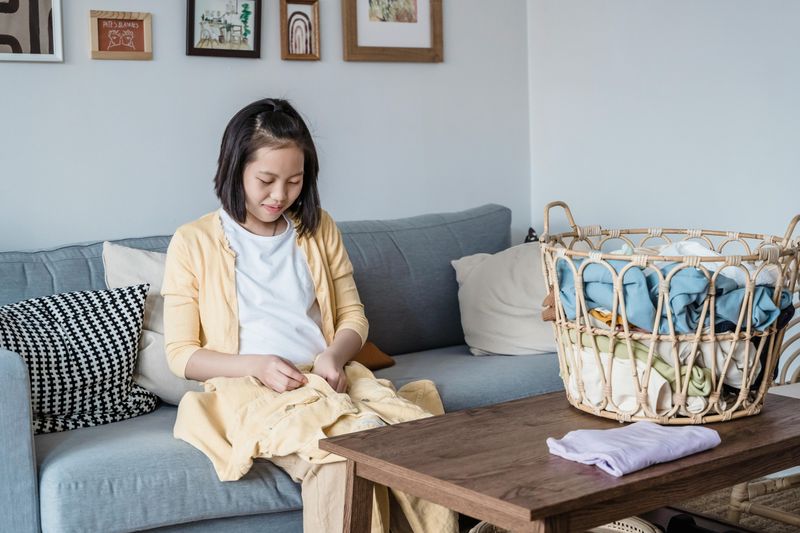
Cleaning creep steals Saturdays when tasks are undefined.
Assign tiny chores to specific days so they never pile up.
Laundry on Monday, vacuum Wednesday, bathroom Saturday, and a quick dust on Sunday keep the place fresh without marathon sessions.
Use micro timers and stop when it rings.
Keep supplies stored where you use them, like a toilet brush and spray in each bathroom, to eliminate steps.
If you miss a day, roll it forward without guilt and continue the cycle.
Automate anything you can, from robot vacuums to subscription filters, if budget allows.
A visible checklist on the fridge turns progress into a small dopamine hit.
By batching chores, you reclaim weekends and still enjoy a home that feels consistently cared for.
9. Keep a running shopping list (always)

Nothing sabotages errands like guesswork at the store.
A running list fixes it.
Open Notes or Google Keep and add items the moment you notice they are low, then sync across devices so the list lives where you do.
Use simple categories like groceries, household, and meds to scan faster.
Pin the note or add a widget to your home screen for fewer taps.
When you shop, check off items instead of rewriting another list, and it feels satisfyingly efficient.
Snap a photo of your fridge or pantry before leaving to confirm quantities.
Add sizes or brands you love to save a second trip.
This small habit turns you into someone who always has what you need, and future you feels genuinely supported.
10. Make your home feel safe
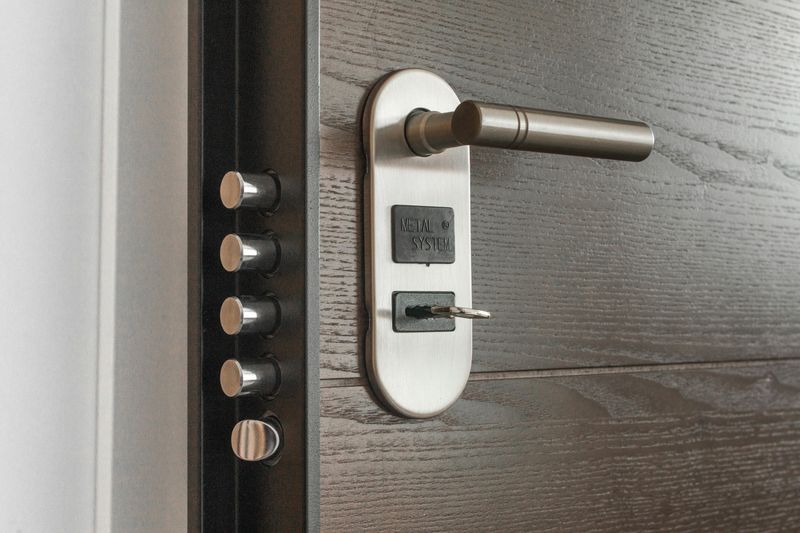
Peace at home starts with simple layers.
Install quality locks, check windows, and add a peephole if you do not have one.
Motion lights or a smart doorbell can deter nonsense and help you see who is there without opening the door.
Do not ignore small repairs like a wobbly latch or a dim bulb that makes the hallway feel sketchy.
Keep emergency numbers posted and a flashlight within reach.
If you are nervous sometimes, practice a quick safety routine when you arrive and before bed.
Trust your instincts, and let neighbors know you are friendly but private.
Share your travel dates with someone you trust instead of broadcasting publicly.
Feeling secure changes how you relax, and that calm affects everything from sleep to focus.
11. Have a “people list” for emergencies

When trouble hits, you do not want to scroll your contacts in a panic.
Create a short people list with two friends or neighbors and one nearby family member.
Include phone numbers, preferred contact method, and any access notes like gate codes.
Store a printed copy on the fridge and a digital note pinned on your phone.
Share a spare key with someone trustworthy and agree on a check in plan if you are traveling.
Consider adding building management or a landlord if relevant.
Update the list every few months and confirm that numbers still work.
Keep pet or medical notes attached if needed.
Having names ready does not jinx anything, it just buys you calm when you most need it and shortens chaos.
12. Simplify your finances with a solo budget structure

Complicated budgets collapse by week two.
A solo structure keeps it easy with three buckets.
Essentials cover rent, groceries, transportation, utilities.
Goals cover savings, debt payments, and big purchases.
Fun covers dining out, hobbies, and treats without guilt.
Decide percentages that fit your reality and automate transfers on payday.
Track spending weekly with a quick glance at category totals rather than every receipt.
Use separate accounts or envelopes if visuals help you stick to it.
When prices shift, adjust the percentages, not your entire system.
Review on your monthly money day and tweak one small lever at a time.
By keeping the budget simple and flexible, you will actually use it, and that consistency creates real progress.
13. Set boundaries with your time like you’re protecting rent

Time is your most limited billable resource.
Block off evenings for recovery the same way you protect rent.
If everything is booked, say no without footnotes and offer a later window you genuinely can handle.
Use a visible calendar to prevent accidental double booking.
Create templates like quiet night, workout, or phone free to make decisions easier.
Treat these reservations seriously, and you will stop sacrificing sleep to one more plan.
Remember, an open night is not wasted.
It is maintenance.
Protecting time keeps you kind and present when you do say yes, and that is better for relationships than showing up exhausted and resentful.
14. Build micro-rituals that make solitude feel luxurious

Solitude gets sweeter when it has ritual.
Choose small anchors like balcony coffee, a Friday movie night, or a Sunday reset playlist that cues calm.
These moments turn an ordinary day into something you actually look forward to.
Make it sensory with light, scent, and texture.
A soft blanket, a candle you love, or fresh flowers shifts the vibe quickly.
Keep the setup simple so it is easy to repeat without decision fatigue or cleanup dread.
Track rituals in a tiny habit app or a sticky note for fun streaks.
Invite a friend occasionally for variety, then slip back into solo mode.
When your time alone feels luxurious instead of lonely, everything else in life feels a little lighter.
15. Lean into low-maintenance social life

Connection does not have to exhaust you.
Schedule walking dates, sign up for a hobby class, or work from a cafe once a week if possible.
Keep a rotating list of friends to send a quick check in text so conversations stay warm without big plans.
Group recurring hangs like board games or Sunday coffee create rhythm and reduce logistics.
Suggest time boxed meetups like a 45 minute walk to protect energy.
If social battery dips, you can still participate without needing a full evening.
Use shared calendars or recurring reminders to keep consistency.
Keep a stash of conversation starters in your notes if you get anxious.
Low maintenance social life maintains depth gently, letting you feel plugged in without draining your week.
16. Design your space for how you actually live
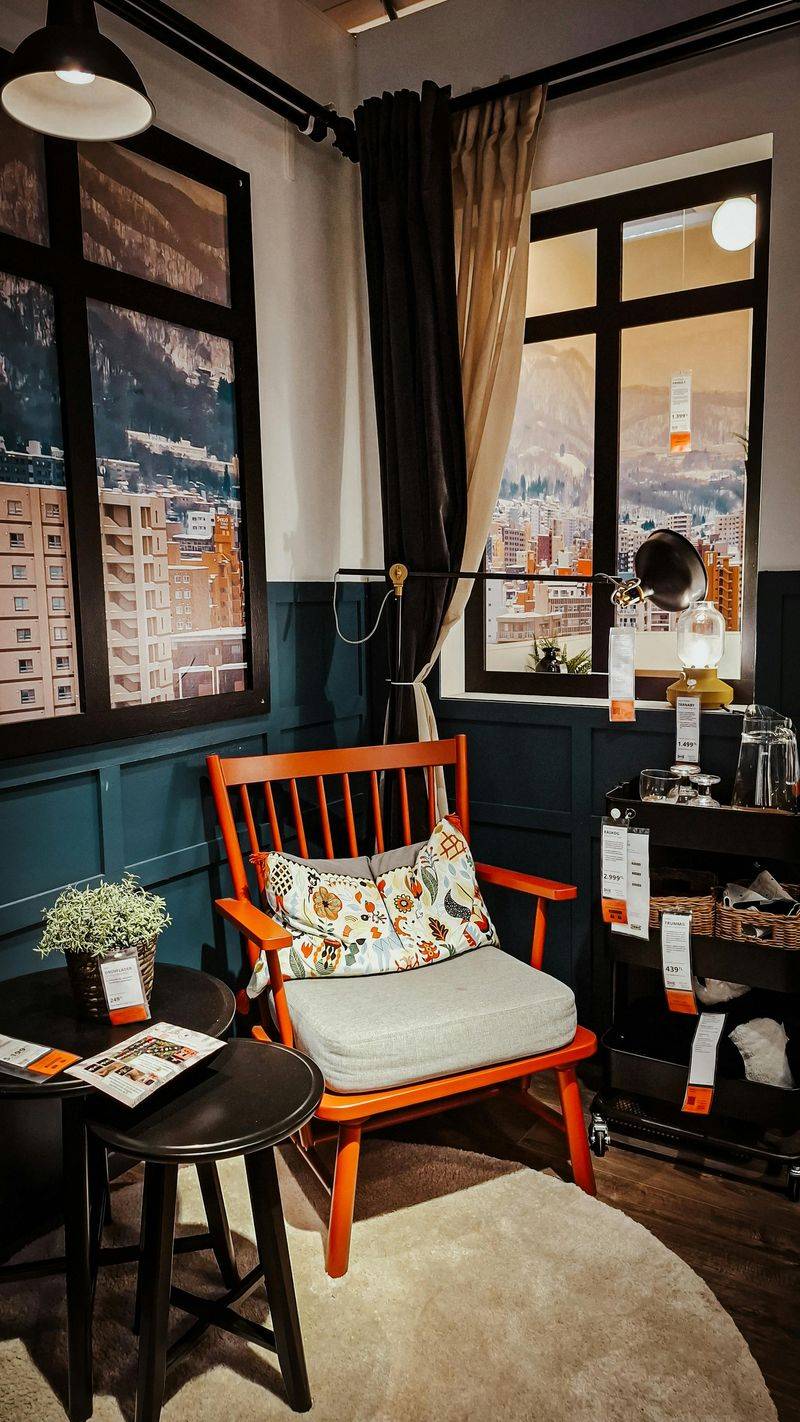
Homes work best when they match your habits, not Pinterest fantasies.
Put the hamper where clothes usually land.
Store snacks near the spot you actually eat them.
Keep cleaning supplies in each bathroom to reduce friction so tasks happen when you notice them.
Use trays, bins, and labels to make homes for wandering items.
Adjust furniture to create natural drop zones and pathways you already use.
If something constantly ends up on the floor, that is data, not failure.
Audit your week and move storage accordingly.
Duplicate tools in strategic places, like scissors in the kitchen and desk.
A space that follows your real routines is easier, calmer, and honestly feels like it is on your side every single day.
Comments
Loading…