
 Harper Hall
13 Sitcom Side Characters Who Were the Real Stars
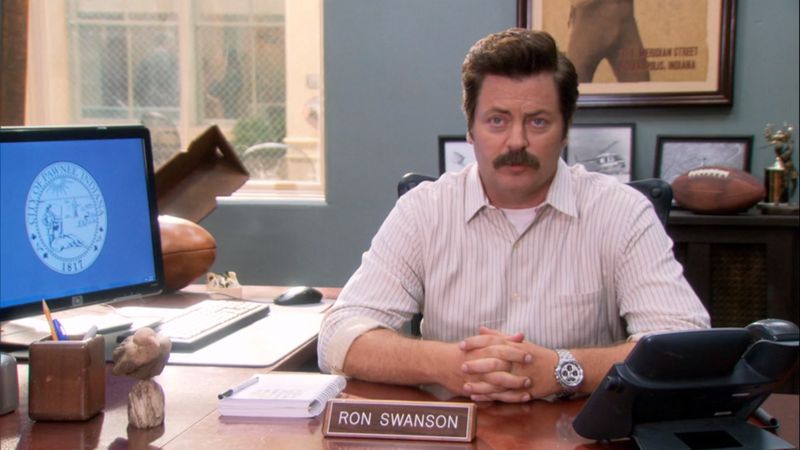
Sitcoms are supposed to revolve around their main characters, but anyone who’s watched enough TV knows that’s not always how it works.
Sometimes the people on the edge of the story—neighbors, co-workers, quirky friends, and oddball relatives—end up doing the heavy lifting when it comes to laughs, memorability, and pure rewatch value.
These side characters don’t just add flavor; they build the show’s identity with catchphrases, running gags, and perfectly timed reactions that make even the simplest scenes pop.
In many cases, they also bring an emotional anchor, the kind of steady comedic rhythm that keeps an ensemble balanced.
Here are 13 sitcom side characters who felt less like supporting players and more like the true stars audiences tuned in for week after week.
1. Steve Urkel — Family Matters
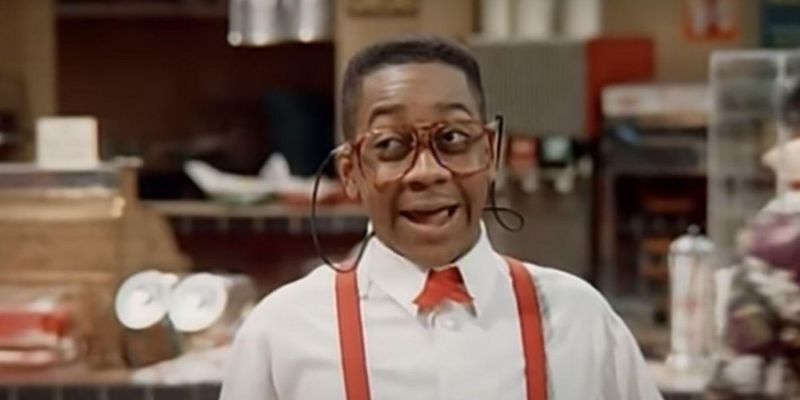
Few sitcom “supporting” characters have ever hijacked a series as completely as the nerdy neighbor who turned up with suspenders, high pants, and enough confidence to power a small city.
Although Family Matters began as a family-centered show, Steve Urkel quickly became its comedic engine, delivering broad physical humor while still somehow making you root for him.
His relentless pursuit of Laura, his chaotic inventions, and his habit of escalating everyday problems into disasters gave the writers endless material.
Even when episodes drifted into wilder territory, he kept the tone playful and watchable because his sincerity never felt fake.
Love him or roll your eyes, it’s hard to deny the truth: the show’s most lasting pop-culture footprint belongs to Urkel.
2. Niles Crane — Frasier
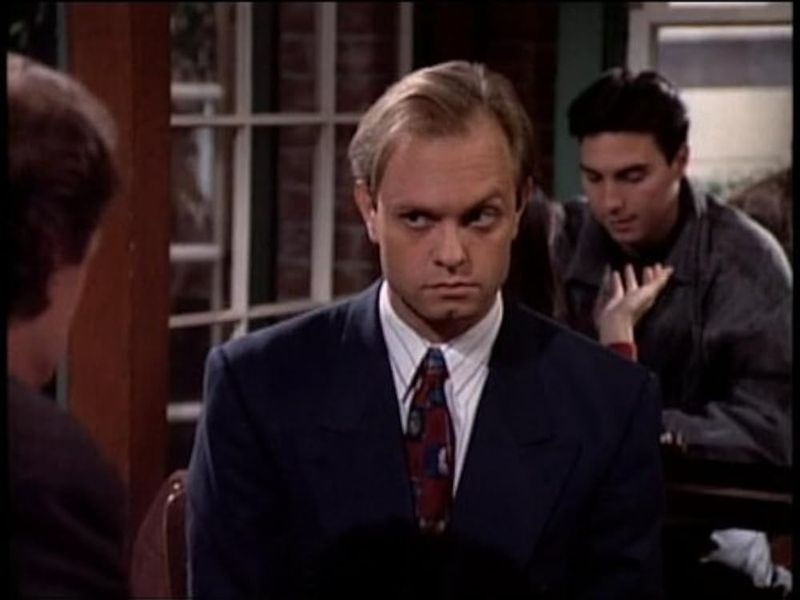
A great side character doesn’t just earn laughs; he creates a rhythm that makes everyone around him funnier, and that’s exactly what Niles Crane does in Frasier.
His poised mannerisms, fragile ego, and exquisitely petty anxieties make him the perfect counterpoint to Frasier’s own self-importance, which is why their scenes crackle.
What really elevates Niles is how the comedy is built from character rather than gimmicks, since his snobbery and sensitivity are always present even when the plot changes.
His long-running feelings for Daphne bring a romantic tension that stays light without feeling shallow, and his physical comedy—especially in more farcical episodes—shows how brilliantly he can dominate a scene without forcing it.
3. Karen Walker — Will & Grace
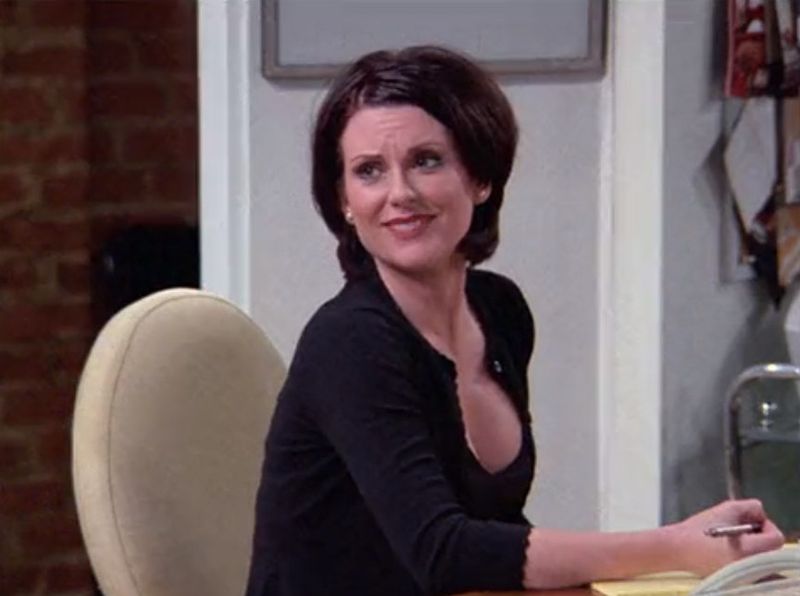
Comedy gold often comes from someone who refuses to live by normal social rules, and Karen Walker thrives precisely because she treats propriety like an optional accessory.
On Will & Grace, her punchlines land with surgical accuracy, but the jokes work because her personality is so fully committed to extravagance, laziness, and glorious self-involvement.
Her friendship with Grace is oddly sincere beneath the sarcasm, which keeps the character from becoming a one-note insult machine.
Whether she’s casually delivering a devastating read or stumbling through a moment of unexpected tenderness, she makes scenes feel alive and unpredictable.
She also has the rare sitcom gift of making even silence funny, because one perfectly timed glance can do as much work as a paragraph of dialogue.
4. George Costanza — Seinfeld
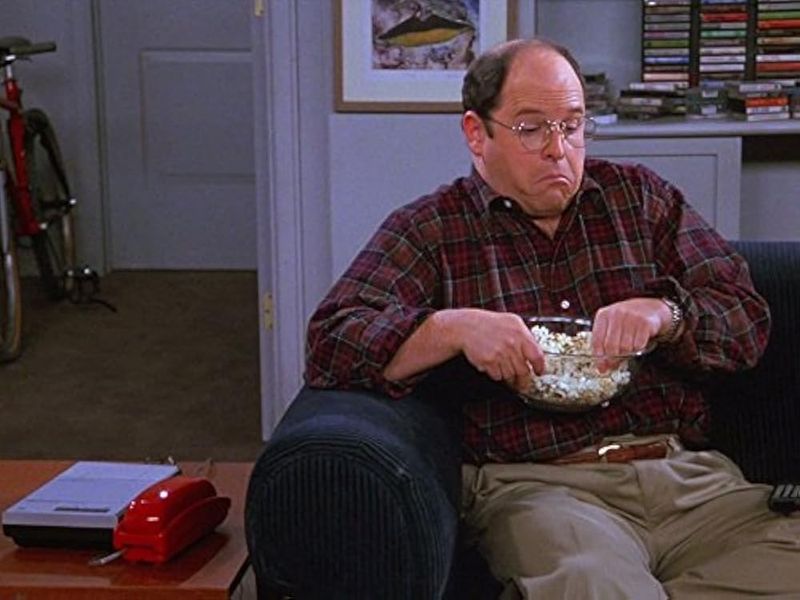
Some characters become iconic because they’re admirable, but George Costanza becomes iconic because he’s a bundle of insecurity you can’t look away from.
On Seinfeld, he functions like a comedic pressure cooker, constantly overthinking, lying to cover tiny mistakes, and spiraling into bigger disasters that feel both ridiculous and weirdly familiar.
The humor lands because his motivations are painfully human, even when his decisions are unhinged, and that makes his storylines oddly relatable.
George’s neurotic logic also gives the show some of its most quotable “rules,” the kind that stick in your head because they sound like something a stressed-out friend might actually believe.
Without him, the series would still be clever, but it would lose a huge chunk of its anxious, unforgettable energy.
5. Dwight Schrute — The Office

There’s a reason so many people can quote Dwight Schrute without even thinking, and it isn’t just because he’s weird; it’s because his weirdness is consistent, specific, and deeply committed.
On The Office, Dwight turns everyday workplace moments into absurd mini-epics, whether he’s obsessing over authority, declaring bizarre facts, or taking every minor conflict as a life-or-death battle.
His dynamic with Jim provides a reliable comedic structure, but Dwight is never merely the punchline, since his loyalty and earnestness make him oddly endearing.
He also delivers a surprising amount of emotional weight in the later seasons, showing how the character can grow without losing what made him hilarious.
When Dwight walks into a scene, the temperature changes, and that’s star power.
6. Ron Swanson — Parks and Recreation
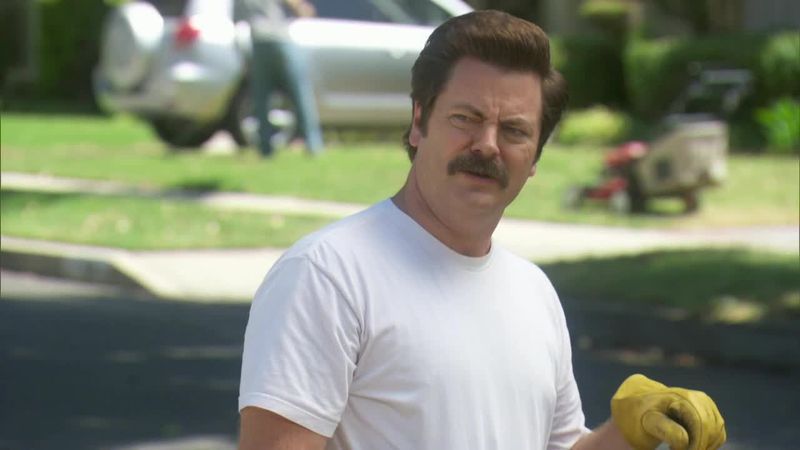
A character doesn’t need big speeches to become unforgettable when his worldview is so clear that every line feels like a manifesto.
Ron Swanson in Parks and Recreation is a deadpan force of nature, delivering minimalist reactions that somehow say everything, especially when he’s surrounded by cheerful chaos.
His love of woodworking, breakfast food, and personal privacy becomes a running theme that never gets stale because the show keeps revealing new layers behind the gruff exterior.
What makes Ron shine as a “side” character is that he anchors the comedy with a steady, grounded presence, allowing the sillier elements to bounce off him.
He’s also quietly tender in moments that matter, proving that a character can be hilarious without being shallow, and memorable without being loud.
7. Jack McFarland — Will & Grace
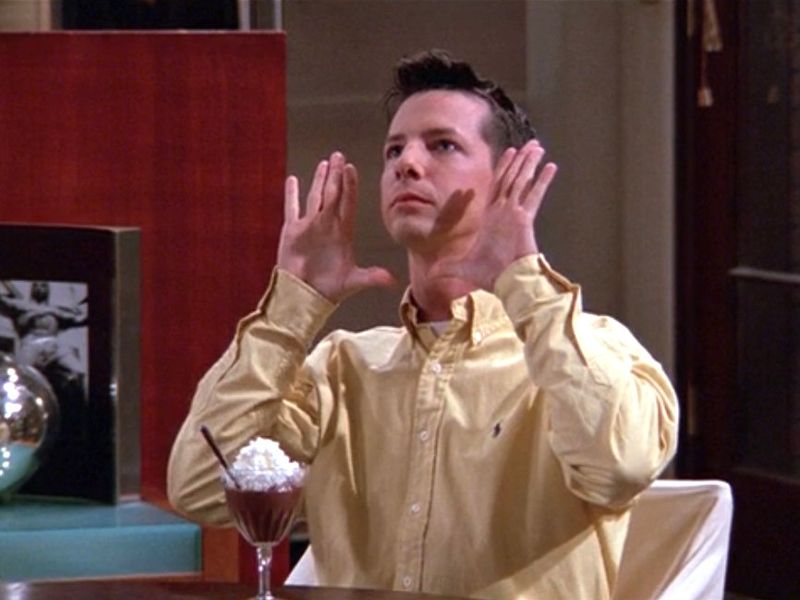
Big personalities can overwhelm a sitcom if they aren’t guided by smart writing and a performer with real control, and Jack McFarland works because he’s both outrageous and oddly precise.
On Will & Grace, he brings flamboyant energy that turns mundane scenes into showpieces, yet his humor isn’t only volume; it’s timing, facial expressions, and a willingness to commit to a bit until it becomes iconic.
Jack also gives the show a playful theatricality, the sense that anything could happen because he’ll treat every minor event like opening night.
Underneath the jokes, he’s surprisingly loyal, especially when it comes to friendships that feel chosen and personal.
When Jack is in an episode, the pace quickens, and the comedy feels bolder, because he makes the show swing harder.
8. Troy Barnes — Community
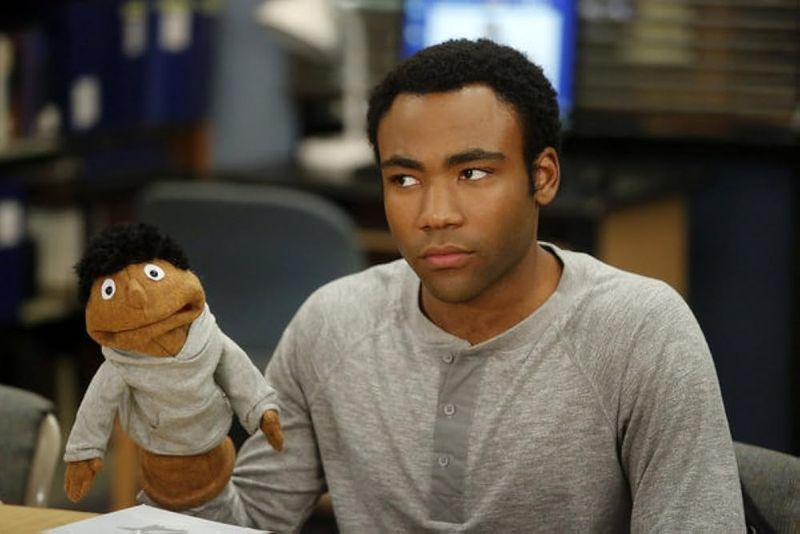
A great ensemble sitcom needs heart as much as jokes, and Troy Barnes provides both by being the rare character who’s genuinely sweet without being bland.
On Community, he starts as the stereotypical popular athlete, but he quickly becomes a source of childlike enthusiasm that makes the show’s weirdest ideas feel charming rather than cynical.
His friendship with Abed creates some of the series’ most beloved moments, because their bond turns pop-culture references into something emotional and sincere.
Troy’s reactions are also comedy in themselves, since he can make a simple line hilarious through tone, confusion, or sudden excitement.
Even when the show leans into high-concept episodes, he grounds the story with warmth and authenticity, which is exactly why his absence later feels so noticeable.
9. Abed Nadir — Community

Some sitcom characters are funny because they crack jokes, but Abed Nadir is funny because he changes the way the show thinks.
On Community, he filters everything through movies, television tropes, and storytelling rules, which lets the series comment on itself without becoming smug.
His meta perspective could have felt cold, yet it doesn’t, because his emotional journey is quietly affecting, especially in how he tries to connect with people through structure and familiarity.
Abed also gives the show permission to experiment, since his presence makes the high-concept episodes feel motivated rather than random.
When he’s in a scene, the humor often has an extra layer, because you’re laughing at the moment and at the genre it’s referencing.
He’s the kind of side character who becomes the show’s brain, and that’s a different kind of stardom.
10. Phoebe Buffay — Friends
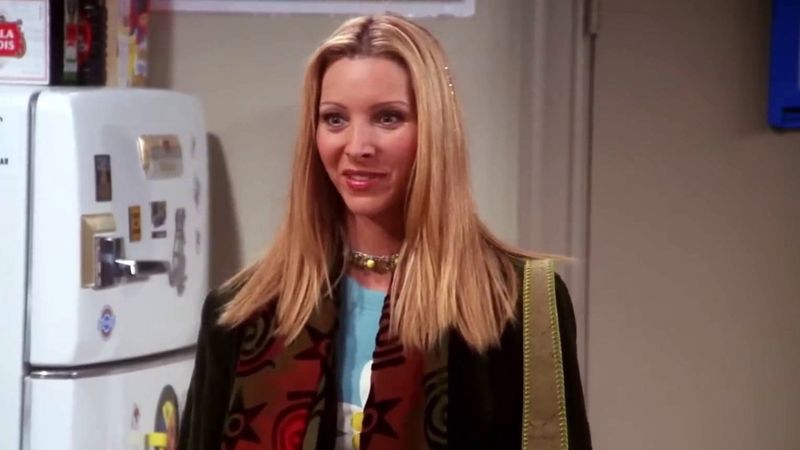
A sitcom group can easily become predictable when everyone plays a neat role, which is why Phoebe Buffay is so essential to Friends.
She’s the wild card who injects strangeness into otherwise normal scenes, and her offbeat honesty keeps conversations from turning too polished.
Phoebe’s humor works because it’s rooted in personality, not just randomness, since her bizarre stories and sudden bluntness feel like genuine expressions of who she is.
Even her songs—silly on the surface—become memorable because she performs them with complete seriousness, as if “Smelly Cat” is a masterpiece.
She also brings a surprising resilience that hints at a rougher past, giving the character depth beneath the quirky exterior.
When the group feels too safe or too familiar, Phoebe nudges it into something funnier, and that’s why she often feels like the real star of the ensemble.
11. Barney Stinson — How I Met Your Mother
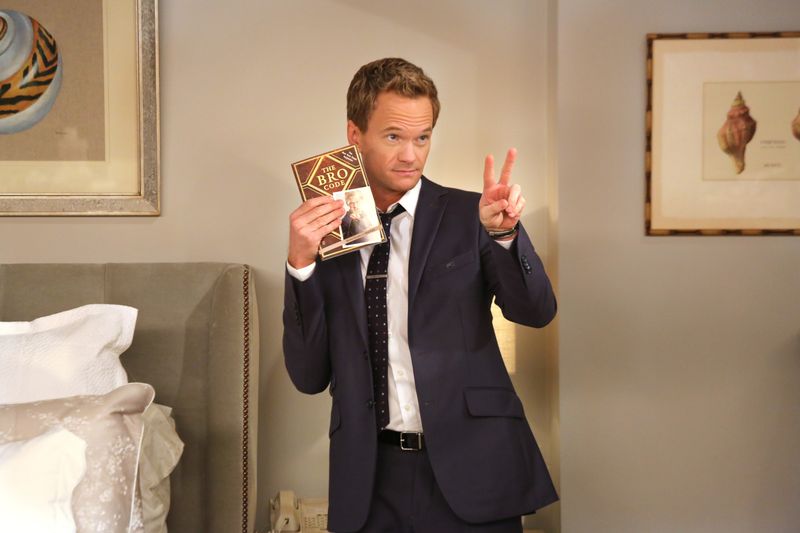
It’s hard to stay a “supporting” character when your entrance alone feels like an event, and Barney Stinson becomes the gravitational center of How I Met Your Mother for exactly that reason.
His flashy suits, elaborate schemes, and endless catchphrases create a comedic momentum that can carry even weaker episodes.
What keeps Barney from being pure cartoon is the way the show gradually reveals insecurity beneath the performance, suggesting that the persona is armor as much as entertainment.
He’s also a master of raising the stakes, turning small social situations into ridiculous missions with rules, charts, and theatrical flair.
Whether you’re laughing at his confidence or wincing at his choices, you’re still watching, because he has that rare sitcom magnetism that makes every scene feel bigger.
When the show is at its funniest, Barney is usually the reason.
12. Kramer — Seinfeld
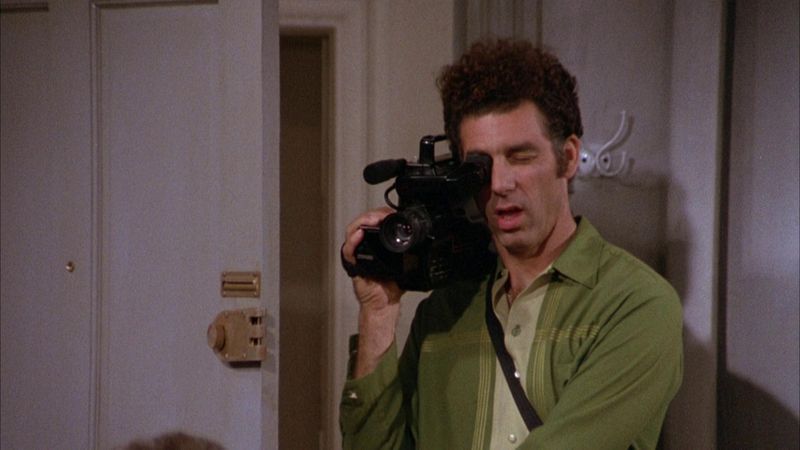
Some characters don’t need complicated dialogue to steal a scene because their presence alone is a punchline, and Kramer is the perfect example.
On Seinfeld, he storms through Jerry’s door with the kind of physical comedy that instantly changes the mood, turning ordinary apartment conversations into something unpredictable.
His strange ideas—often involving schemes, odd jobs, or questionable friendships—add a chaotic energy that keeps the show from feeling too grounded or repetitive.
Kramer’s comedy also works because it’s fearless, leaning into awkwardness and exaggeration while still feeling like a real person within that universe.
Even when he’s not speaking much, he’s acting, reacting, and building humor in the background, which is a skill not every sitcom performer has.
If Jerry is the straight line, Kramer is the exclamation point, and that’s why audiences remember him as the series’ most explosive spark.
13. Creed Bratton — The Office
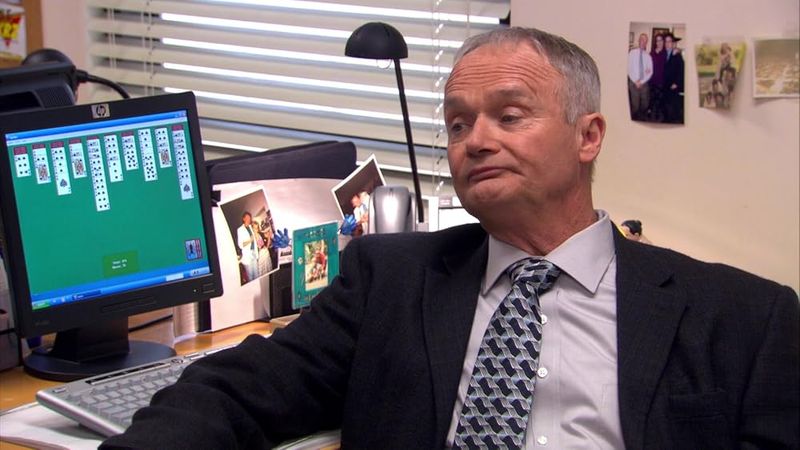
The funniest side characters often appear in small doses, and Creed Bratton proves that minimal screen time can still create maximum impact.
On The Office, Creed feels like he wandered in from a completely different show, delivering unsettlingly casual lines that suggest an entire hidden life no one wants explained.
His comments are rarely tied to the main plot, which makes them hit harder, because they arrive like weird little lightning strikes in the middle of normal office chatter.
Creed also embodies the mockumentary format perfectly, since his confessionals feel like accidental revelations rather than planned jokes.
There’s always an implication that he’s either lying, confused, or confessing to something alarming, and the uncertainty is part of the fun.
When Creed speaks, the room gets quieter in the best way, because everyone knows something strange is about to happen.
Comments
Loading…