
 Hailey Watson
10 TV Spin-Offs That Were Weirdly Better Than the Original
Some spin-offs feel like a cash grab that exists purely because a network thinks audiences will watch anything with a familiar name attached.
Every once in a while, though, a spin-off does something unexpected: it refines what worked, trims what didn’t, and builds a world that feels more confident than the show that started it all.
Sometimes the writing gets sharper, the characters become richer, or the tone finally lands in that sweet spot the original only hinted at.
In other cases, the new show takes a side character and turns them into the kind of lead you can’t imagine leaving behind.
These ten series prove that “second best” isn’t a rule, because the right concept, cast chemistry, and creative freedom can transform a spin-off into the main event.
1. Frasier (spin-off of Cheers)
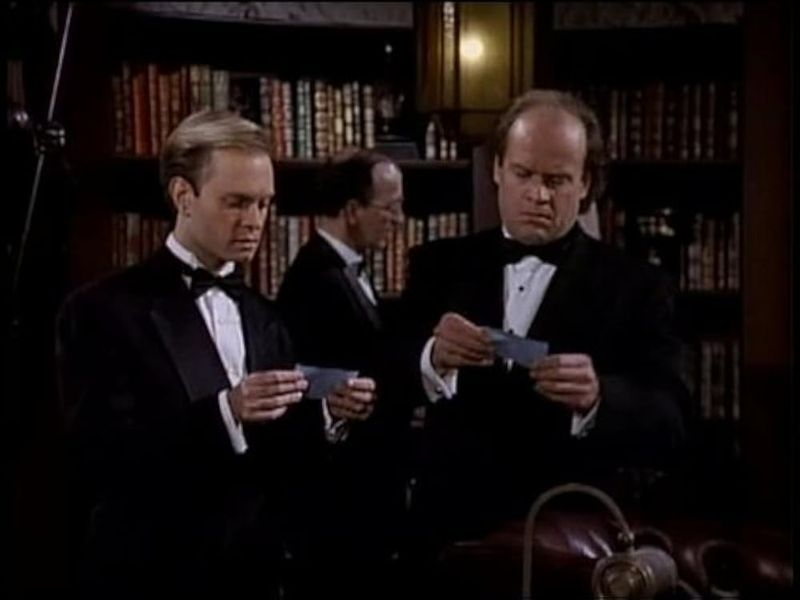
Few sitcom characters have ever been gifted a second act that feels this fully formed.
After leaving the bar stool comedy energy of Cheers, the story shifts into a more polished, character-driven world where wit matters as much as warmth.
The humor leans into social awkwardness, sibling rivalry, and the kind of pretension that’s funny because it’s oddly relatable, especially when someone’s trying too hard to seem sophisticated.
Kelsey Grammer’s timing stays razor sharp, but the real magic comes from the ensemble, including a brother who is both his mirror and his nemesis and a father who keeps the whole show grounded.
The result is a series that feels smarter without being smug, and comforting without turning predictable, which is an almost impossible balance to pull off.
2. The Jeffersons (spin-off of All in the Family)
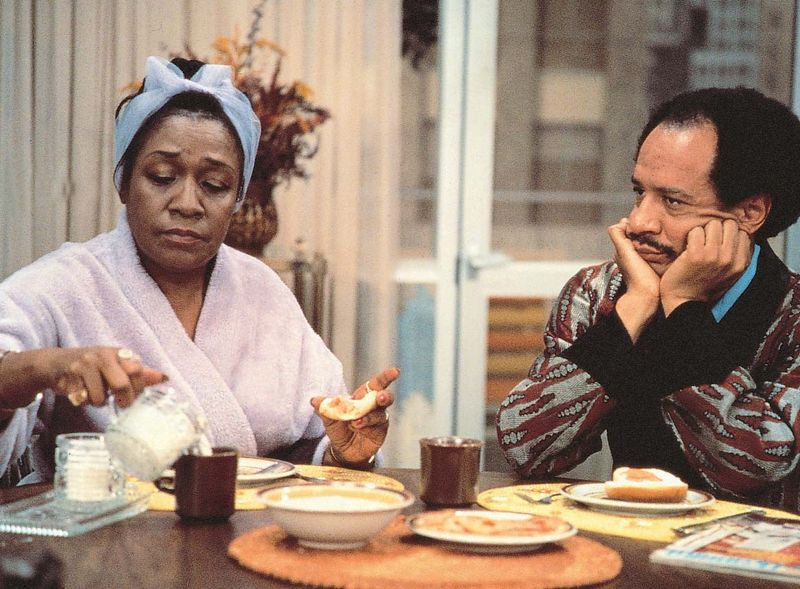
A loudmouthed neighbor turned into a household name once the spotlight finally moved with him.
While All in the Family was built around constant tension in one living room, this series expanded into a broader world that made room for ambition, marriage dynamics, workplace stress, and social change without losing its comedic bite.
The format was still classic sitcom, but the characters often felt bigger than the punchlines, which is why so many episodes remain memorable decades later.
Sherman Hemsley’s charisma could carry a scene by itself, yet the supporting cast kept the humor sharp and the conflicts believable.
It wasn’t just a spin-off that copied the original formula; it took a familiar personality and built a more vibrant, more consistently entertaining show around him.
3. The Simpsons (spin-off of The Tracey Ullman Show)
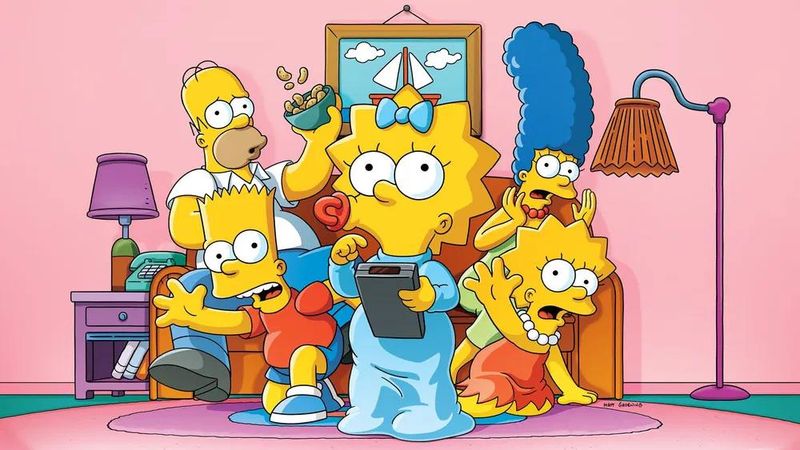
Few spin-offs rewire culture like this animated juggernaut.
What began as interstitial sketches ballooned into a satirical atlas of American life.
The town of Springfield became a stage where cynicism and sweetness hold hands.
Golden-era episodes hit with layered jokes that mature as you do.
Gags, sight details, and references stack until a rewatch feels like a scavenger hunt.
The show speaks fluent absurdity while sneaking in tender family beats that land unexpectedly hard.
Even when quality wobbles, the foundation is undeniable.
You can trace an entire generation’s humor back to its rhythm and timing.
It swallowed pop culture, belched out catchphrases, and left the parent show as a footnote, the way a rocket forgets its launchpad after reaching orbit.
4. Xena: Warrior Princess (spin-off of Hercules: The Legendary Journeys)

A side character from a fantasy adventure series stepped forward and somehow became the mythic hero people still talk about.
While Hercules leaned into straightforward quest storytelling, this show felt more daring because it mixed action with emotional intensity and moral ambiguity.
Xena wasn’t designed to be perfect, which made her compelling, and the series wasn’t afraid to explore redemption, loyalty, grief, and the consequences of violence.
Lucy Lawless delivered the kind of commanding performance that made even silly monsters and low-budget effects feel secondary to the character work.
The relationship at the center of the story also gave the show a heartbeat, creating chemistry that could shift from comedic to heartbreaking without feeling forced.
In the end, it didn’t just match the energy of its predecessor; it became the stronger, more iconic fantasy series.
5. Angel (spin-off of Buffy the Vampire Slayer)
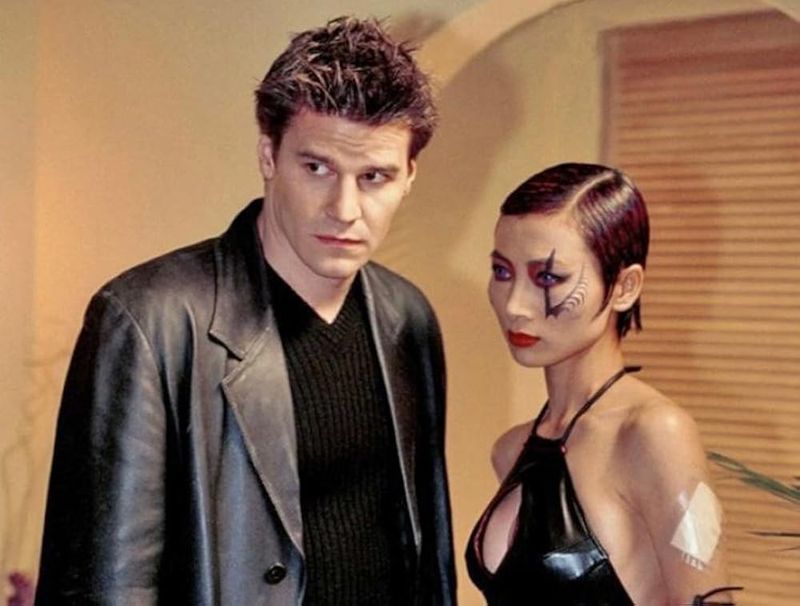
Taking the brooding vampire to a noir city turned the mission into a moral maze.
The show thrives in messy choices where saving people means losing pieces of yourself.
Humor still bites, but the aftertaste is darker.
Cases-of-the-week hide slow-burn arcs about redemption and power.
The ensemble grows into a family forged by bad nights and worse compromises.
When it leans into ambiguity, the emotional punches land harder than any monster-of-the-week brawl.
Los Angeles becomes a character, all neon and shadow.
Episodes swing from tragic romance to corporate apocalypse with nerve.
You leave feeling that heroism without certainty is more honest, and somehow more adult, than the tidy victories of its parent series.
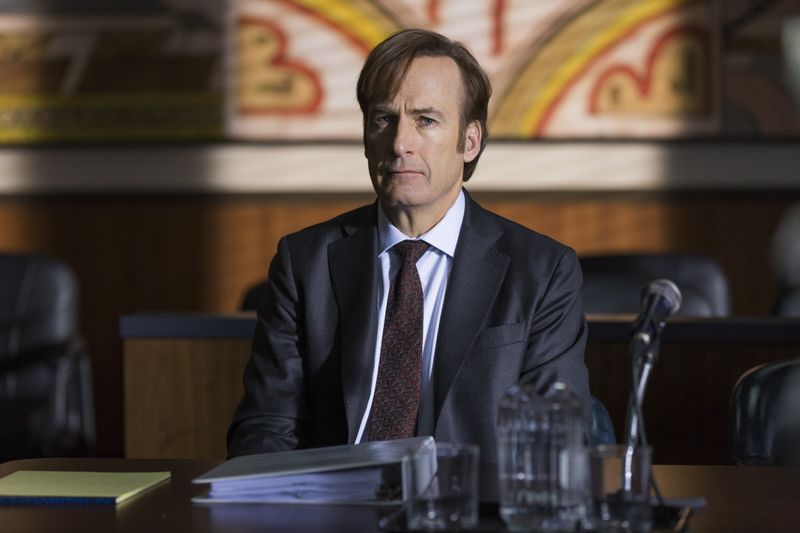
6. Better Call Saul (spin-off of Breaking Bad)
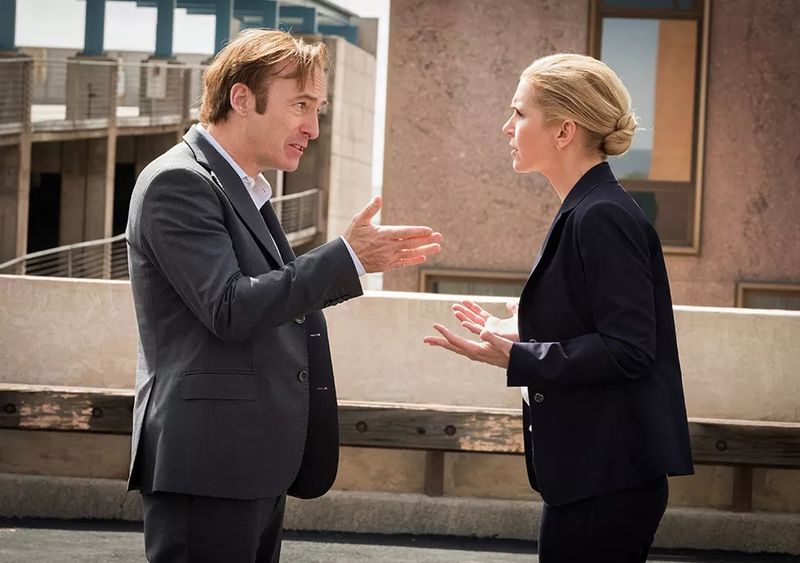
A prequel about a fast-talking lawyer had no business becoming one of television’s most quietly devastating dramas.
Instead of chasing constant chaos the way Breaking Bad did, this series plays the long game, slowly showing how small compromises can reshape a person until they barely recognize themselves.
The storytelling is deliberate, with scenes that linger on body language, silence, and the kind of decisions that seem harmless in the moment but echo later.
Bob Odenkirk brings surprising tenderness to a character who used to feel like comic relief, while the supporting cast adds emotional weight and moral complexity that keeps everything grounded.
Even the visuals feel more thoughtful, with careful framing that makes ordinary spaces look tense.
By the time the tragedy lands, it feels earned, personal, and impossible to shrug off.
7. A Different World (spin-off of The Cosby Show)
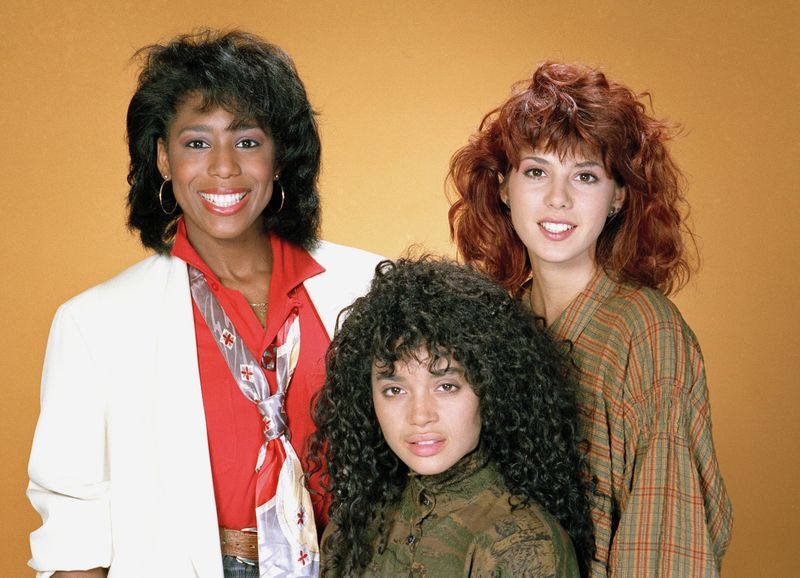
A college-set spin-off sounded simple on paper, yet it eventually became something far more meaningful than a “young adult” extension of a popular sitcom.
The series started with familiar, light story beats, but it found a stronger identity once it leaned into campus life, friendships, and the pressure of figuring out adulthood while still feeling like a kid.
The setting allowed the show to tackle social issues, identity, class, and career anxiety in a way that felt integrated rather than tacked on.
It also benefited from an ensemble that grew into their roles, giving viewers multiple personalities to connect with depending on their mood and stage of life.
The best episodes balance humor with insight, which is why the series is still remembered as a cultural touchstone rather than just a footnote to its parent show.
8. Laverne & Shirley (spin-off of Happy Days)
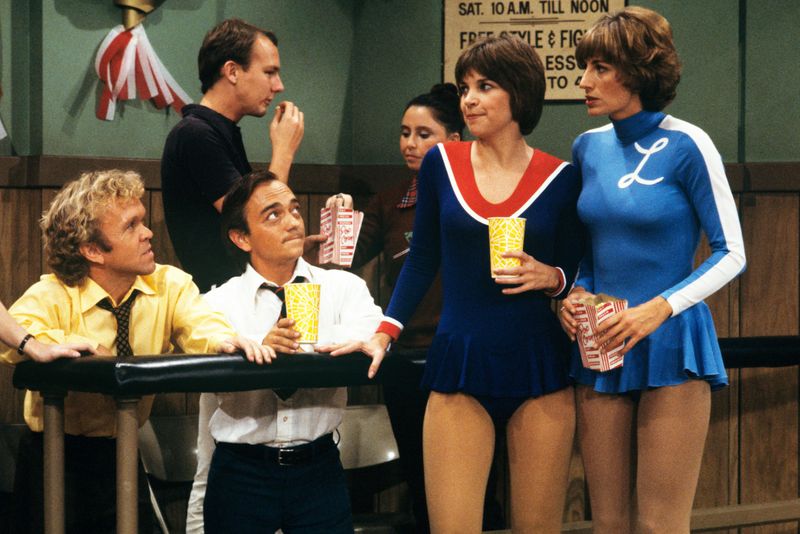
Two best friends clock in at the brewery and pour out pure sitcom chemistry.
The physical comedy is crisp, the rhythm snappy, and the misadventures unapologetically silly.
You get a signature tone that never needed a Fonzie cameo.
The show nails blue-collar optimism without sanding off the rough edges.
Friendship fuels the engine as much as punchlines do.
Episodes lean into schemes, setbacks, and late-night pep talks that make the laughter feel earned.
It is a world of gloves on bottles, apartment antics, and underdog swagger.
The duo’s timing builds a comedic identity stronger than nostalgia.
You watch for the gags and leave humming the theme, thinking about how ambition can be loud, loyal, and a little loopy.
9. Daria (spin-off of Beavis and Butt-Head)
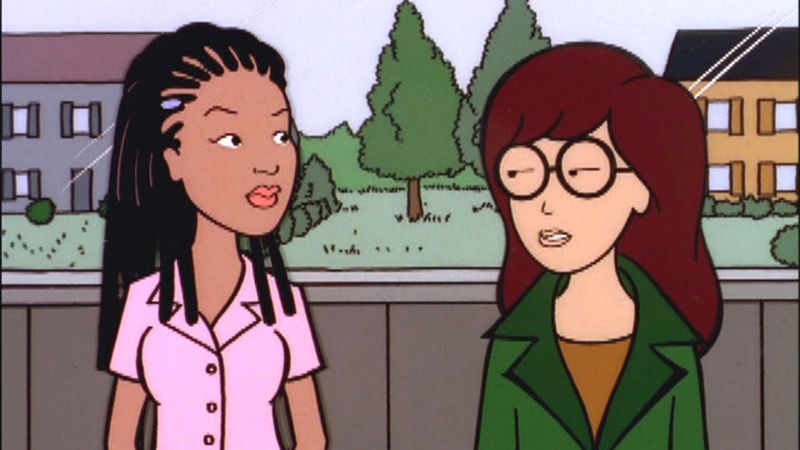
A deadpan teenager who once existed on the sidelines became the anchor of a series that was smarter than anyone expected.
Instead of relying on gross-out humor or quick gags, the show leaned into sharp social commentary, capturing the boredom, frustration, and quiet absurdity of being a young person surrounded by performative adults.
Daria’s cynicism isn’t just there to be “cool”; it’s used to expose hypocrisy at school, at home, and in the culture at large, which makes the show feel oddly therapeutic to watch.
The supporting characters also evolve in ways that keep the stories from becoming one-note, especially as friendships shift and family dynamics deepen.
Even the early-2000s fashion and soundtrack choices add to the mood rather than distracting from it.
As a spin-off, it’s a massive tonal leap, and that’s exactly why it works.
10. Boston Legal (spin-off of The Practice)
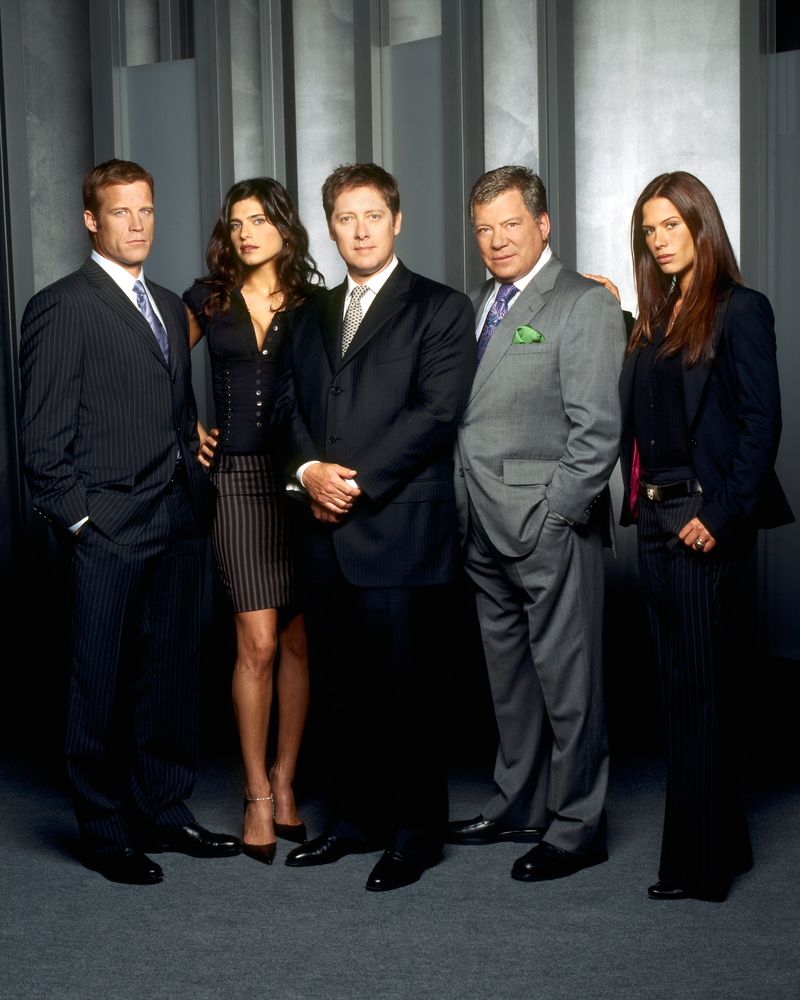
A serious legal drama unexpectedly spawned a series that felt like it had more fun with its own universe.
Instead of staying grounded in grim realism, this show embraced heightened characters, big speeches, and the kind of chemistry that makes you forgive a plot that occasionally goes off the rails.
The cases still matter, but the real draw is the relationship at the center, which turns courtroom tension into something closer to character-driven comedy and friendship.
William Shatner and James Spader create an entertaining push-pull dynamic, balancing arrogance, vulnerability, and surprising sincerity in ways that keep scenes lively.
The writing often takes swings at politics, ethics, and cultural debates, yet it rarely forgets to entertain first.
If The Practice was the lecture, this series was the conversation afterward, messy and loud and far more memorable.
Comments
Loading…