
 Chloe Peterson
12 Oscar-Worthy Performances That Never Got the Recognition They Deserved
Hollywood loves a good awards ceremony, but sometimes the Academy gets it wrong.
Over the years, brilliant actors have poured their hearts into roles that left audiences speechless, yet the Oscars passed them by without even a nod.
These snubbed performances remind us that talent doesn’t always need a golden statue to prove its worth.
1. Whoopi Goldberg in The Color Purple (1985)
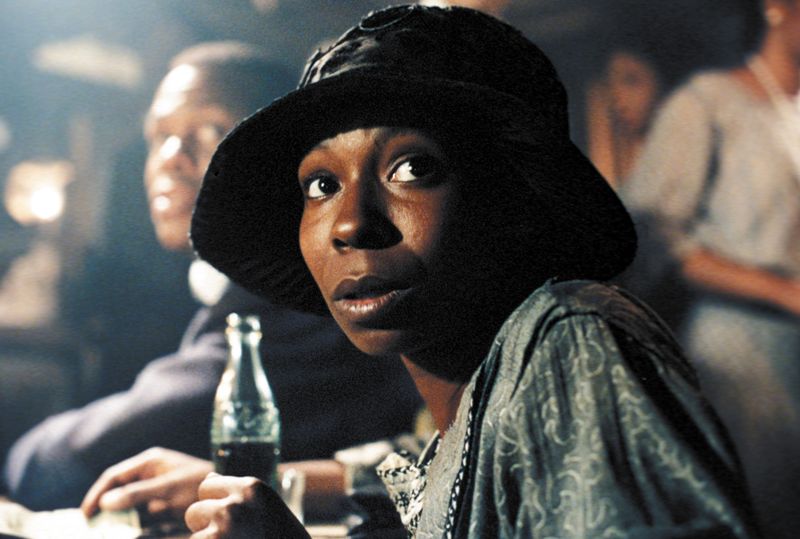
Whoopi Goldberg transformed into Celie Harris-Johnson with such raw emotion that audiences couldn’t look away.
Her journey from an abused young woman to someone who finally finds her voice was absolutely breathtaking.
Steven Spielberg’s adaptation earned 11 Oscar nominations, yet Goldberg walked away empty-handed.
The role launched Goldberg into stardom and proved she could handle serious dramatic material with grace and power.
Critics praised her ability to convey decades of pain through subtle facial expressions and body language.
Her performance remains one of cinema’s most unforgettable portrayals of resilience and strength, even without Academy recognition.
2. Angela Bassett in What’s Love Got to Do with It (1993)
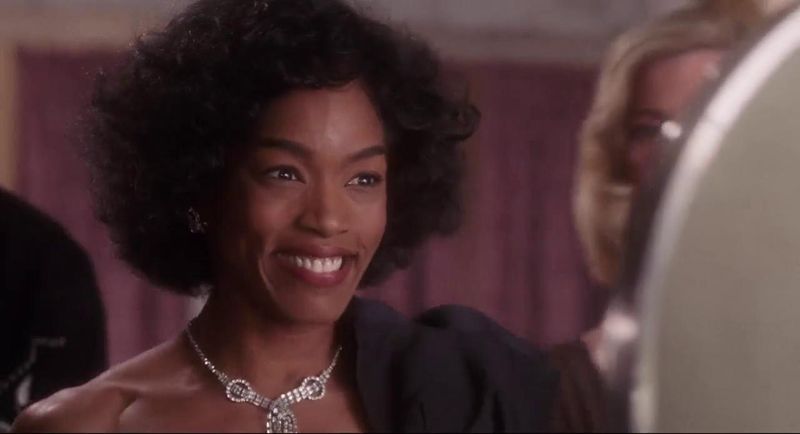
Angela Bassett didn’t just play Tina Turner—she became her.
Every hip shake, every powerful note, every moment of triumph felt completely authentic.
Bassett trained for months to capture Turner’s signature moves and fierce stage presence, delivering a performance that electrified the screen.
The Academy nominated her for Best Actress, but Holly Hunter took home the trophy for The Piano.
Bassett’s portrayal of Turner’s escape from an abusive marriage and rise to superstardom deserved more.
Her work remains a masterclass in biographical performance, showing how dedication and talent can create movie magic that transcends awards.
3. Ralph Fiennes in Schindler’s List (1993)
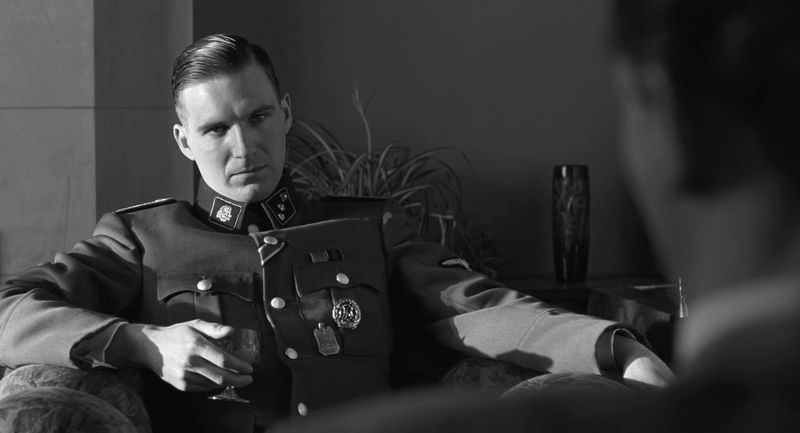
Chilling doesn’t even begin to describe Ralph Fiennes as Nazi officer Amon Goeth.
He brought terrifying humanity to a monster, making viewers understand how evil can wear a charming smile.
Fiennes made Goeth unpredictable and genuinely frightening without ever becoming a cartoon villain.
Despite Schindler’s List winning Best Picture, Fiennes lost Best Supporting Actor to Tommy Lee Jones for The Fugitive.
His performance required incredible emotional range, switching between casual cruelty and moments of twisted vulnerability.
Film scholars still study his work as an example of how to portray historical villains with complexity and depth that makes audiences deeply uncomfortable.
4. Björk in Dancer in the Dark (2000)
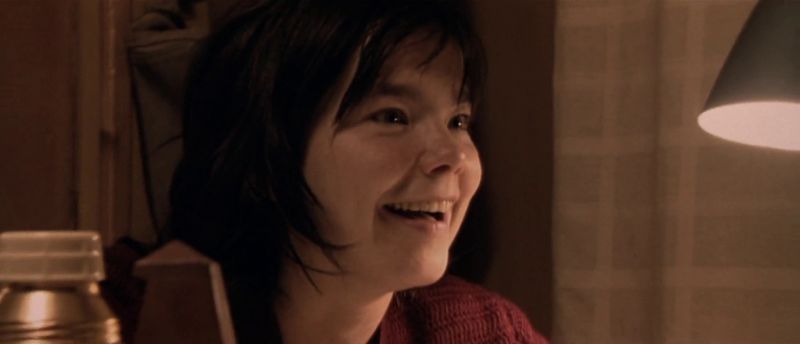
The Icelandic singer had never acted before, yet Björk delivered one of cinema’s most heartbreaking performances.
Playing Selma, a Czech immigrant slowly going blind while trying to save money for her son’s surgery, she created something truly special.
Her musical sequences blended reality and fantasy in ways that felt both magical and tragic.
Björk won Best Actress at the Cannes Film Festival, but the Academy completely ignored her work.
Director Lars von Trier pushed her to emotional extremes that resulted in a performance so raw it’s almost painful to watch.
Her final scenes remain some of the most devastating moments ever captured on film.
5. James Earl Jones in Field of Dreams (1989)
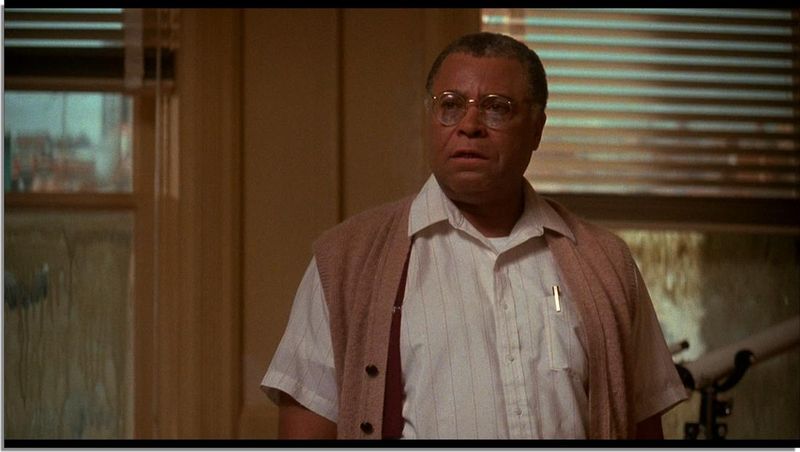
That legendary voice brought Terrence Mann to life with warmth, wisdom, and just the right touch of mystery.
James Earl Jones played the reclusive writer who rediscovers his passion for baseball and life itself.
His chemistry with Kevin Costner created some of the film’s most memorable moments, including that iconic speech about baseball being a constant through American history.
The Academy overlooked Jones completely, not even giving him a nomination.
His performance grounded the film’s magical elements in genuine human emotion and longing.
Jones reminded audiences why sometimes the quieter, more subtle performances deserve recognition just as much as the flashy ones.
6. Edward Norton in American History X (1998)
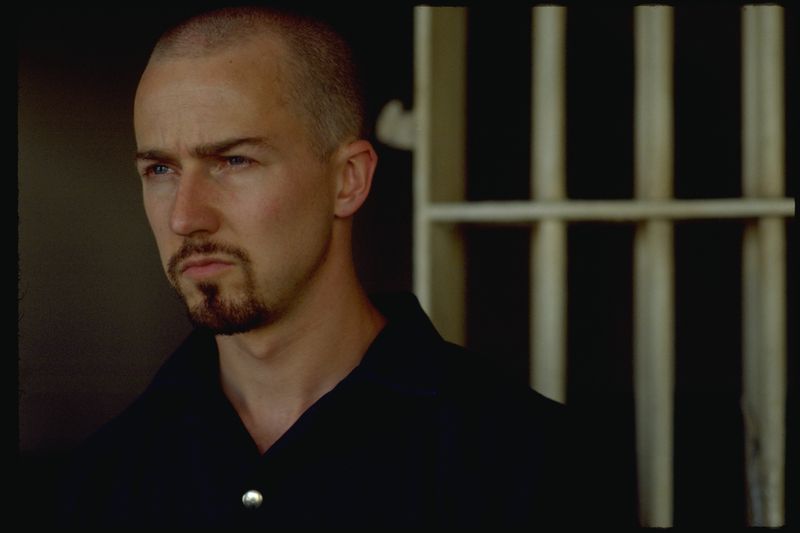
Edward Norton underwent a complete physical transformation, gaining muscle mass to play Derek Vinyard.
His portrayal switched between violent skinhead and reformed prisoner trying to save his younger brother from the same path.
Norton made audiences sympathize with a character who had done truly horrible things.
He earned a Best Actor nomination but lost to Roberto Benigni for Life is Beautiful.
Norton’s work required him to be both terrifying and tender, often in the same scene.
The famous curb-stomp scene and his emotional prison breakdown showcase an actor willing to go to dark places.
His commitment to showing both monster and man created unforgettable cinema.
7. Toni Collette in Hereditary (2018)
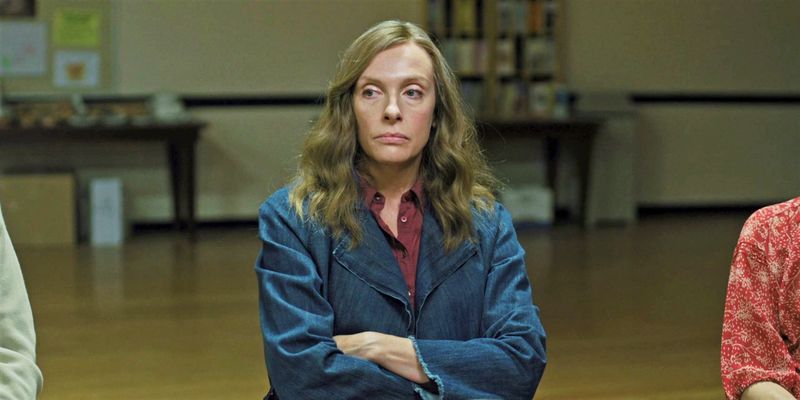
Horror performances rarely get Oscar attention, but Toni Collette’s work as grieving mother Annie Graham deserved to break that pattern.
She conveyed a woman’s complete psychological breakdown with terrifying authenticity.
That dinner table scene where she explodes at her son remains one of the most intense moments in recent cinema.
The Academy didn’t even nominate her, continuing their tradition of ignoring genre films.
Collette moved seamlessly between grief, rage, guilt, and supernatural terror throughout the film.
Her physical performance during the film’s climax required incredible emotional and athletic commitment.
Critics and audiences agreed she delivered one of the decade’s best performances, trophy or not.
8. Jake Gyllenhaal in Nightcrawler (2014)
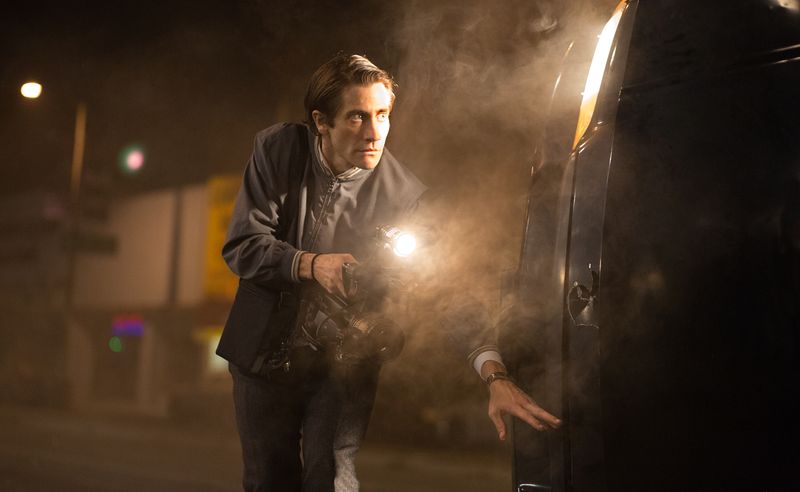
Jake Gyllenhaal lost 30 pounds to play Lou Bloom, a sociopathic freelance videographer who films crime scenes in Los Angeles.
His sunken eyes and unsettling smile created a character who felt both realistic and nightmarish.
Gyllenhaal made Lou charming and repulsive, often in the same breath, keeping audiences off-balance throughout.
The Academy completely snubbed him, not even offering a nomination for this career-best work.
His performance critiqued media sensationalism and American capitalism through one unforgettable creepy character.
The way Gyllenhaal delivered Lou’s corporate-speak dialogue while doing morally bankrupt things was darkly brilliant.
This role proved he could carry an entire film as an antihero.
9. Ethan Hawke in First Reformed (2017)
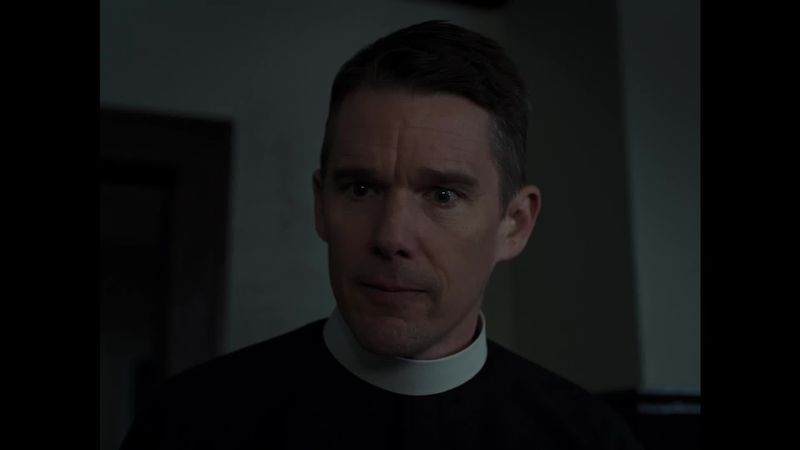
Ethan Hawke brought quiet desperation to Reverend Ernst Toller, a minister experiencing a crisis of faith in our modern world.
His internalized performance required viewers to lean in and pay attention to every subtle shift in expression.
Hawke conveyed a man wrestling with environmental doom, personal guilt, and spiritual emptiness without ever becoming melodramatic.
Despite critical acclaim, the Academy ignored this nuanced work completely.
Hawke’s journal-reading narration gave audiences direct access to Toller’s deteriorating mental state.
His final scenes build tension through stillness rather than action, showcasing true acting mastery.
Director Paul Schrader called it Hawke’s best performance, and many critics agreed wholeheartedly.
10. Annette Bening in 20th Century Women (2016)
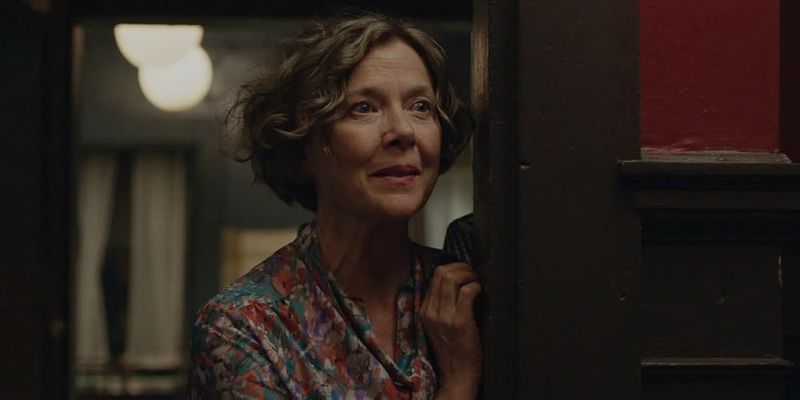
Annette Bening embodied Dorothea Fields, a single mother navigating life in 1970s California with wit, warmth, and wonderful complexity.
She made a character from a specific time and place feel universal and timeless.
Bening captured how Dorothea tries to understand her teenage son while realizing the world is changing faster than she can keep up.
She received a nomination but lost to Emma Stone for La La Land.
Bening’s performance celebrated women who don’t fit neat categories—artistic, practical, vulnerable, and strong all at once.
Her monologues about feminism and motherhood felt authentic rather than speechy.
The way she chain-smoked while contemplating life created an unforgettable cinematic icon.
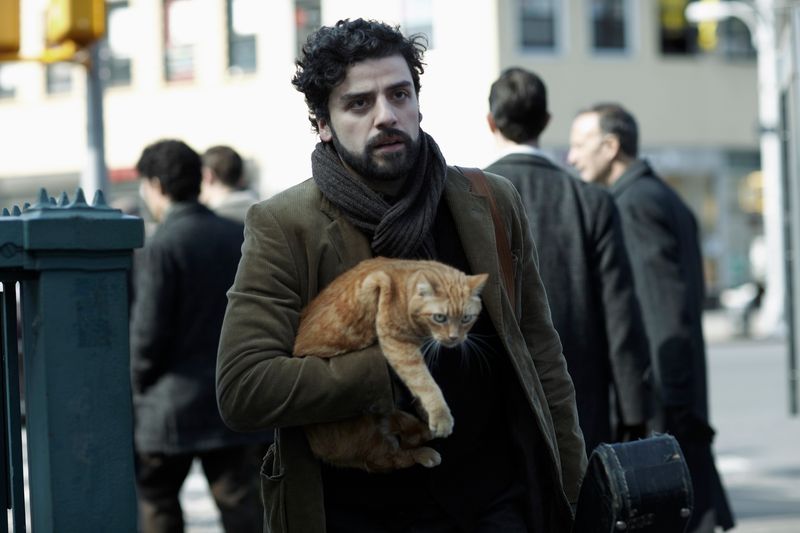
11. Oscar Isaac in Inside Llewyn Davis (2013)
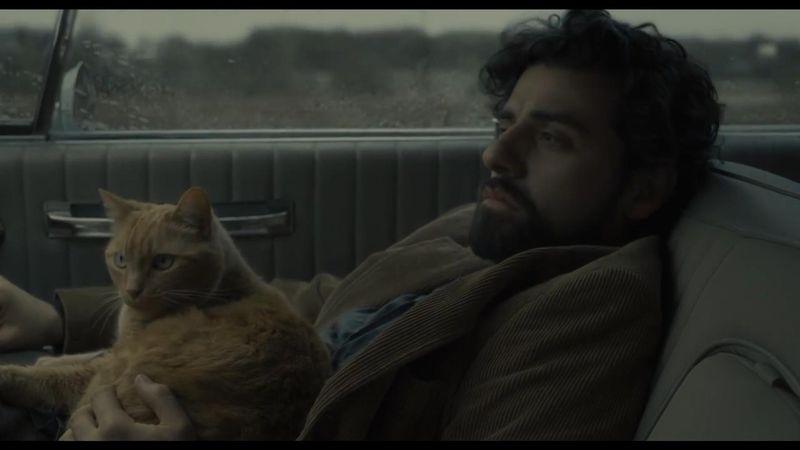
Oscar Isaac actually sang and played guitar for his role as struggling folk musician Llewyn Davis, performing live on set for authenticity.
He captured the bitterness and talent of an artist who can’t catch a break in 1961 Greenwich Village.
Isaac made Llewyn both sympathetic and frustrating, a man sabotaging his own chances while blaming everyone else.
The Coen Brothers’ film received critical praise, but Isaac got zero Oscar recognition.
His musical performances were so convincing that audiences assumed he’d been a musician before acting.
The way Isaac showed Llewyn’s pride preventing him from accepting help or compromise felt painfully real.
His work proved he could anchor a film as a difficult, flawed protagonist.
12. Lupita Nyong’o in Us (2019)
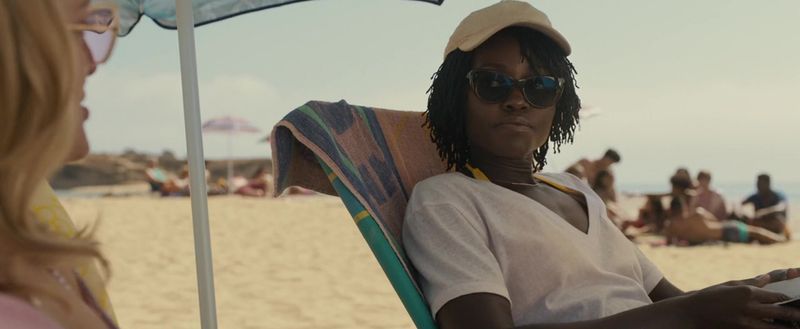
Playing dual roles as Adelaide Wilson and her doppelganger Red, Lupita Nyong’o created two completely distinct characters with different voices, movements, and personalities.
Her performance as Red, with that damaged raspy voice and unsettling movements, was particularly remarkable.
Nyong’o made audiences believe these were two separate people despite sharing the same face.
Once again, the Academy ignored a horror performance, no matter how brilliant.
Her work required incredible physical control and vocal technique to maintain Red’s disturbing mannerisms throughout filming.
The scene where Red explains her existence through that haunting voice showcased acting at its finest.
Nyong’o proved she could do so much more than the role that won her an Oscar years earlier.
Comments
Loading…