
 Mila Ross
Spending time outdoors can work wonders for both your mind and body. Nature provides simple, accessible ways to reduce stress, lift your mood, and reconnect with yourself. Whether you have just five minutes or a full afternoon, these activities can help you feel calmer, more balanced, and recharged.
Even short moments in nature can spark creativity and help you gain clarity on problems that feel overwhelming. Making time for the outdoors regularly can transform your mental and physical well-being in ways you might not expect.
1. Forest Bathing

Imagine walking slowly through a forest, taking in every smell, sound, and sight around you.
Forest bathing, or shinrin-yoku, comes from Japan and means soaking up the forest atmosphere with all your senses.
You do not need to hike for miles or break a sweat.
Simply wander among trees at a relaxed pace, breathing deeply and noticing the rustling leaves or bird songs.
Research shows this practice lowers blood pressure and reduces anxiety hormones in your body.
Even twenty minutes in a wooded area can shift your mood and clear mental fog.
Find a nearby park or trail and give yourself permission to slow down and just be present.
2. Barefoot Grounding
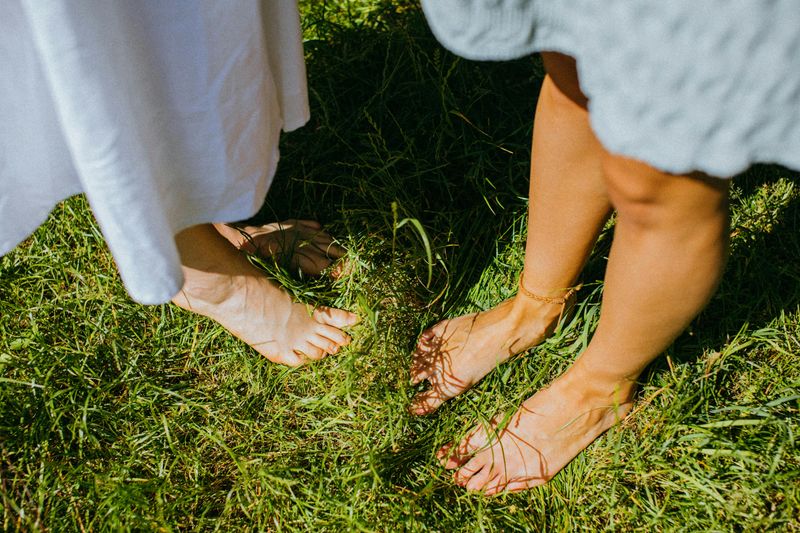
Kick off your shoes and feel the earth beneath your feet.
Grounding, also called earthing, involves direct skin contact with grass, sand, soil, or stone.
Many people report feeling more centered and energized after just a few minutes barefoot outdoors.
Scientists believe the earth’s natural electrical charge may help balance your body’s systems and reduce inflammation.
Your backyard, a beach, or a grassy park all work perfectly for this practice.
Start with five minutes and gradually increase your time as it becomes a habit.
Pay attention to different textures under your toes and notice how your body relaxes with each step on natural ground.
3. Nature Journaling
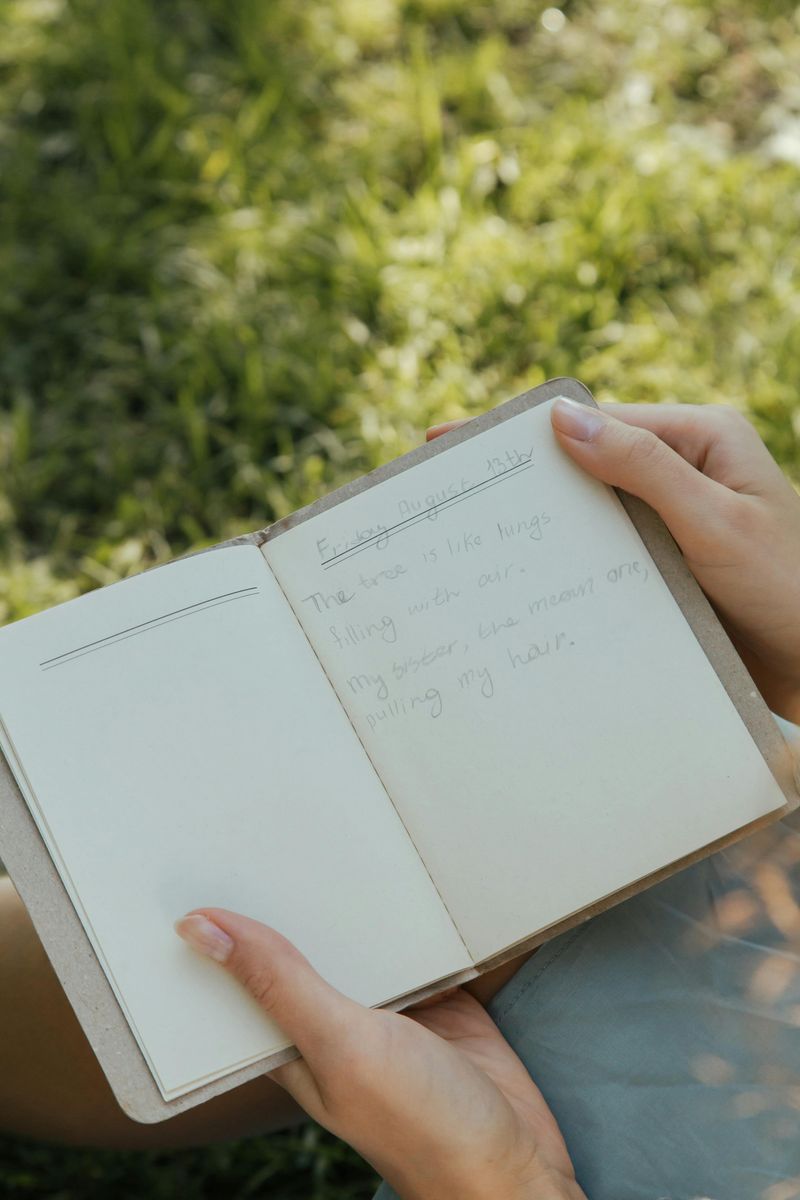
Grab a notebook and head outside to capture what you observe.
Nature journaling combines drawing, writing, and mindful observation in one creative outlet.
You do not need artistic talent—simple sketches of leaves, clouds, or insects work beautifully alongside your written thoughts.
This practice trains your brain to notice small details you might otherwise miss.
Recording seasonal changes, weather patterns, or wildlife behavior creates a personal nature diary you can revisit anytime.
Spend fifteen minutes sitting quietly in one spot, documenting everything you see, hear, and feel.
Over time, you will develop a deeper connection to your local environment and sharpen your observation skills naturally.
4. Bird Watching

Feathered friends offer endless entertainment and a perfect focus for your attention.
Bird watching pulls you into the present moment as you search for movement, listen for calls, and identify different species.
Even urban areas host surprising varieties of birds throughout the year.
All you need to start is curiosity and maybe a simple field guide or app on your phone.
Watching birds go about their daily routines—building nests, finding food, or singing—reminds us that life continues in beautiful patterns around us.
Set up a comfortable spot near a window or in your yard and observe for just ten minutes daily.
You will be amazed how this quiet activity reduces racing thoughts and brings unexpected joy.
5. Gardening Therapy

Digging in the dirt does more than grow plants—it grows peace of mind too.
Gardening therapy combines physical activity with nurturing living things, creating a powerful stress-relief practice.
Whether you tend a large vegetable garden or a few pots on a balcony, the benefits remain the same.
Soil contains helpful bacteria that may boost your mood naturally when you touch it.
Watching seeds sprout and plants flourish gives you a sense of accomplishment and purpose.
Start small with easy-to-grow herbs or flowers that match your climate and available space.
The repetitive motions of planting, watering, and weeding become meditative, helping your worries fade into the background while you focus on growth.
6. Sunrise or Sunset Viewing

Few natural events match the calming power of watching the sky change colors.
Sunrise and sunset viewing creates built-in meditation moments that bookend your day with beauty and reflection.
The soft light during these golden hours naturally encourages your body to relax and your mind to settle.
Making this a daily ritual helps regulate your sleep cycle and gives you something to look forward to.
Find a spot with a clear view of the horizon—a hilltop, beach, or even your front porch works wonderfully.
Bring a blanket or chair and simply watch the show nature provides free every single day.
Notice how the colors shift, clouds move, and light transforms everything it touches during these magical transitions.
7. Outdoor Meditation
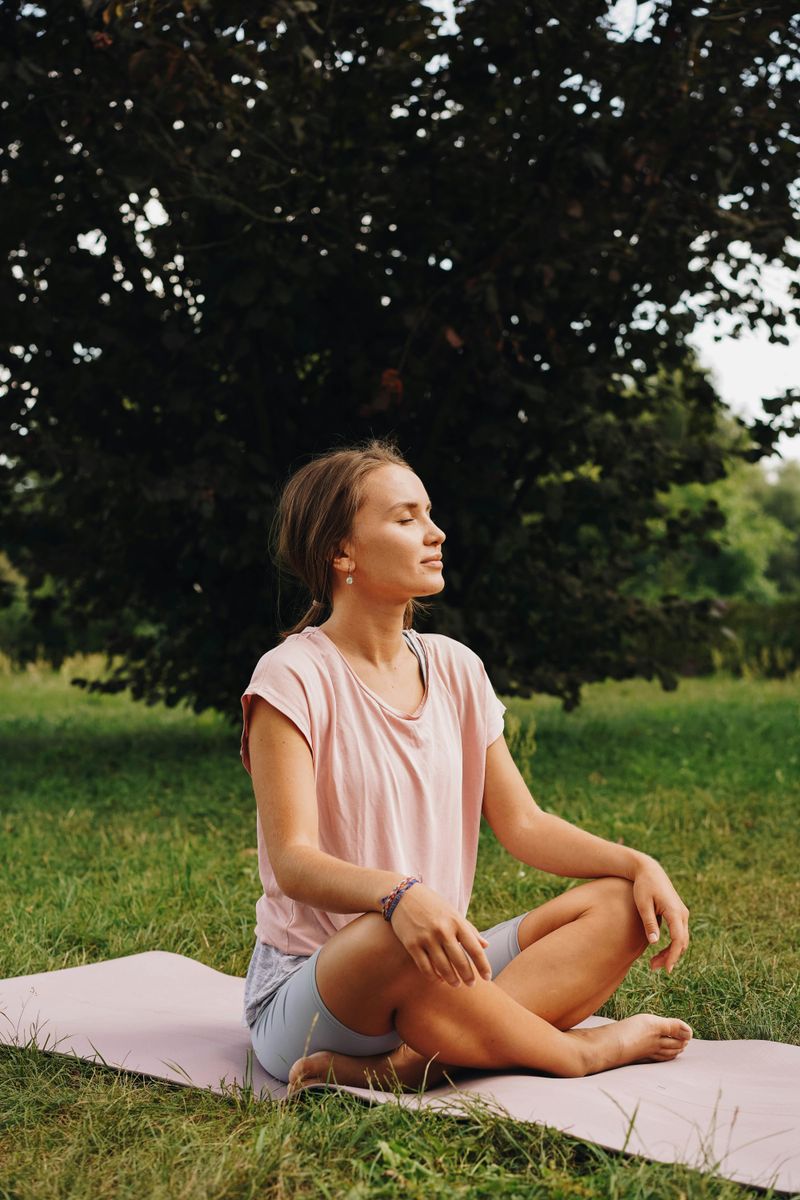
Trading your indoor meditation cushion for an outdoor spot adds new dimensions to your practice.
Fresh air, natural sounds, and gentle breezes become part of your meditation experience rather than distractions.
A quiet corner of a park, under a favorite tree, or beside water all make excellent outdoor meditation spaces.
Nature provides a constantly changing yet peaceful backdrop that helps anchor your awareness in the present moment.
Birds chirping, leaves rustling, or waves lapping create a natural soundtrack more soothing than silence.
Begin with just five minutes of sitting comfortably and focusing on your breath while staying open to your surroundings.
This practice strengthens both your meditation skills and your connection to the natural world simultaneously.
8. Nature Photography
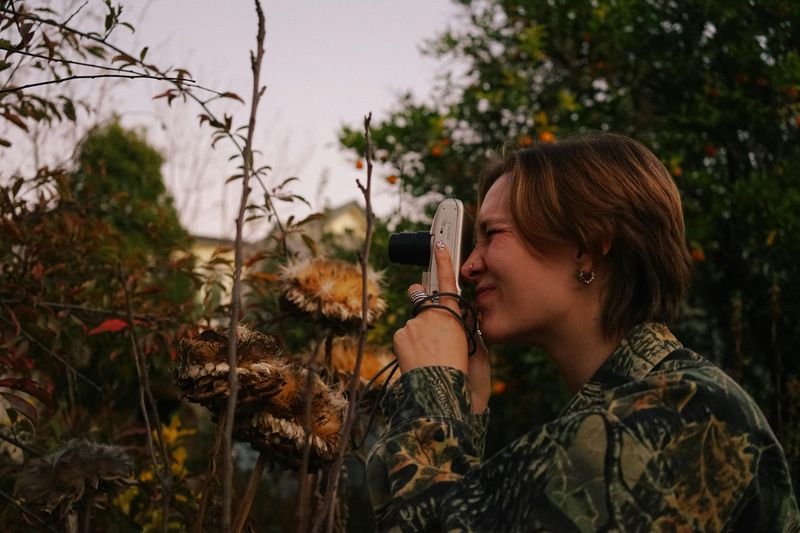
Your smartphone camera becomes a powerful tool for mindfulness when you photograph nature.
Hunting for interesting subjects—unusual flowers, intricate spider webs, or dramatic cloud formations—forces you to slow down and really see your environment.
Photography gives you a creative mission that makes outdoor time feel purposeful and engaging.
You do not need expensive equipment or technical skills to benefit from this activity.
Focus on capturing what genuinely interests you rather than creating perfect images.
Challenge yourself to photograph the same location at different times or seasons, noticing how light and weather transform familiar scenes.
Reviewing your nature photos later extends the therapeutic benefits and creates a visual journal of your outdoor adventures.
9. Water Therapy

Something about being near water instantly calms the human nervous system.
Water therapy includes any activity near rivers, lakes, oceans, or streams—sitting by the shore, wading in shallow areas, or simply listening to flowing water.
The negative ions near moving water may actually improve your mood at a chemical level.
Watching water move and change creates a natural form of meditation that requires no effort.
The rhythmic sound of waves or babbling brooks acts like a natural white noise machine for your brain.
Find a water source within reach and make regular visits part of your wellness routine.
Even fifteen minutes beside water can wash away tension and leave you feeling refreshed and renewed.
Comments
Loading…