
 Mary Murphy
After Marriage, These 13 Things Many Women Stop Holding Onto

Marriage brings joy, partnership, and new adventures, but it also brings changes that many women don’t always see coming.
Sometimes, in the rush to build a life together, certain parts of who we are start to fade into the background.
Recognizing what we might be letting go of is the first step toward keeping our own identity strong and our relationships healthy.
1. Close Friendships

When wedding bells ring and married life begins, those regular coffee dates and weekend hangouts with friends often become less frequent.
Between managing a household, coordinating schedules with a partner, and handling daily responsibilities, finding time for friends can feel nearly impossible.
Many women wake up months or even years later realizing they’ve lost touch with people who once knew them best.
The isolation that follows can be surprising and painful.
Friendships outside marriage provide support, fresh perspectives, and reminders of who you were before saying “I do.” Making time for these connections isn’t selfish—it’s necessary for emotional health and happiness.
2. Career Ambitions

Promotions get turned down.
Work hours get reduced.
Professional dreams quietly get shelved.
It happens gradually, often without a clear moment when the decision was made.
Family needs start taking priority, and suddenly that corner office or business idea feels less important than being home for dinner.
Partners might not even ask for these sacrifices—women often make them automatically, believing it’s what good wives do.
Years later, many women look back with regret, wondering what their careers could have become.
Balancing ambition with marriage is challenging, but completely abandoning professional goals can leave a hole that’s hard to fill later.
3. Financial Independence

Joint bank accounts make sense for many couples, but completely merging finances without maintaining any personal money can be risky.
Having your own account isn’t about hiding anything—it’s about maintaining autonomy and confidence in managing money.
When every purchase requires explanation or approval, decision-making power slowly disappears.
Women who once handled their finances confidently might find themselves asking permission for basic spending.
Financial independence provides security and equality in relationships.
Even a small personal account where you control the funds can make a huge difference in how valued and capable you feel within your marriage.
4. Personal Style

Remember those bold lipstick shades, funky earrings, or colorful outfits that once made you feel amazing?
Many women gradually tone down their appearance after marriage, switching to more “practical” or “appropriate” clothing.
Sometimes partners make comments about certain styles.
Other times, women just stop making the effort, thinking their appearance matters less now that they’re married.
The result is the same—losing a form of self-expression that brought genuine joy.
Your personal style is part of your identity.
Dressing in ways that make you feel confident and happy isn’t vain or unnecessary; it’s a celebration of who you are, married or not.
5. Self-Care Routines

That yoga class you loved?
The long bubble baths with a good book?
The Sunday morning runs that cleared your head?
These self-care rituals often disappear when marriage fills your schedule with shared activities and responsibilities.
Taking time for yourself can start feeling selfish when there’s always something that needs doing or someone who needs attention.
But neglecting self-care leads to burnout, resentment, and decreased mental health.
You can’t pour from an empty cup.
Regular self-care isn’t a luxury—it’s essential maintenance that helps you show up as your best self in your marriage and everywhere else.
Your partner should support, not discourage, these practices.
6. Personal Hobbies
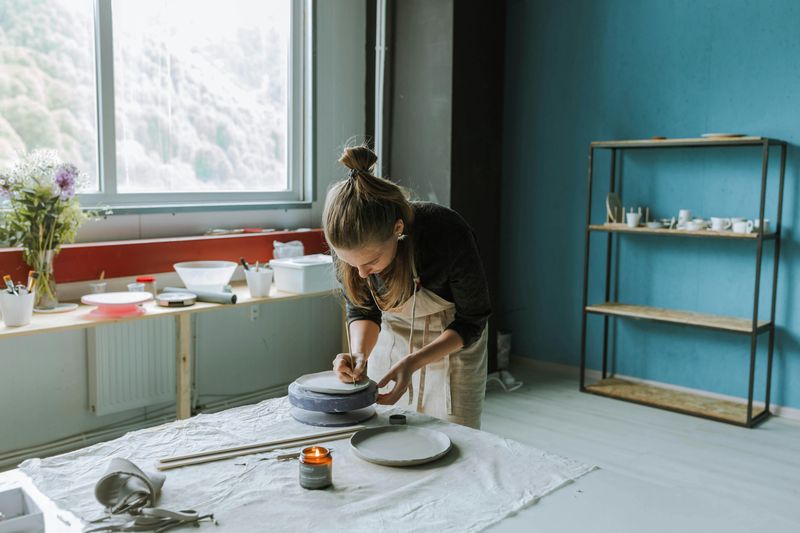
Photography, painting, playing guitar, gardening—whatever creative outlet once filled your free time might now be gathering dust.
When partners don’t share your interests, continuing those hobbies alone can feel awkward or lonely.
Coordinating schedules around shared activities leaves little room for individual pursuits.
Before you know it, months pass without touching that camera or easel, and the skills you worked hard to develop start fading.
Hobbies provide personal fulfillment that relationships alone cannot supply.
They keep your mind engaged, give you accomplishments that are entirely your own, and remind you that you’re a complete person beyond being someone’s spouse.
7. Family Relationships

Those weekly calls with mom become monthly, then sporadic.
Visits with siblings get postponed repeatedly.
Building a new family unit with your spouse sometimes means accidentally distancing yourself from the family you grew up with.
It’s easy to assume your original family will always be there, so you prioritize your new household.
But these relationships need maintenance too, and letting them fade can leave you feeling unmoored and disconnected from your roots.
Your family knew you before your spouse did.
They provide history, grounding, and unconditional support that’s different from marital love.
Making time for these relationships enriches rather than threatens your marriage.
8. Personal Goals

Writing that novel.
Starting that small business.
Learning a new language.
Individual dreams often get shelved when marriage shifts focus toward shared objectives like buying a house or supporting a partner’s career advancement.
There’s an unspoken expectation that personal ambitions should take a backseat to couple goals.
Women especially feel pressure to be supportive rather than self-focused, even when it means abandoning aspirations they’ve held for years.
Achieving personal goals builds confidence and fulfillment that strengthen rather than weaken relationships.
Your dreams matter just as much after marriage as before.
Partners who truly love you want to see you succeed individually, not just as a team.
9. Decision-Making Power

It starts small—letting your partner choose the restaurant, pick the movie, or decide where to live.
But gradually, always deferring to someone else’s preferences erodes your voice in the relationship.
Many women surrender decision-making authority without realizing it, thinking they’re being flexible or avoiding conflict.
The result is feeling overlooked, undervalued, and frustrated when your opinions consistently carry less weight.
Healthy marriages involve equal input on decisions that affect both partners.
Your preferences, ideas, and choices deserve respect and consideration.
Maintaining decision-making power isn’t about control—it’s about being an equal partner in shaping your shared life together.
10. Personal Space

Having a room, corner, or even just a drawer that’s entirely yours might seem unnecessary when you’re sharing a life.
But personal space—both physical and mental—is crucial for maintaining individual identity within a partnership.
Constant togetherness, while initially romantic, can become suffocating.
Everyone needs moments alone to think, decompress, and just exist without performing any role, even the role of spouse.
Personal space doesn’t indicate relationship problems; it indicates healthy boundaries.
A spot where you can retreat, pursue individual interests, or simply be alone with your thoughts helps you stay grounded, patient, and genuinely happy to reconnect with your partner afterward.
11. Health Priorities

Regular doctor appointments get skipped.
Exercise routines disappear.
Healthy eating habits give way to convenience meals that suit everyone’s schedules.
When managing a household and relationship, personal health often becomes the lowest priority.
Women especially tend to put everyone else’s needs first, neglecting their own physical and mental wellness.
This pattern seems noble but ultimately leads to exhaustion, illness, and resentment.
Prioritizing your health isn’t selfish—it’s necessary.
You can’t care for others or contribute to your partnership when you’re running on empty.
Regular checkups, exercise, and proper nutrition deserve protected time in your schedule, just like any other important commitment.
12. Spiritual Practices

Meditation, prayer, church attendance, or whatever spiritual routine grounded you before marriage might fade when your partner doesn’t share those practices.
Maintaining individual spirituality within a relationship can feel awkward or divisive.
But these practices often provide comfort, perspective, and resilience during difficult times.
Abandoning them leaves a gap that’s hard to identify but deeply felt—a sense of being disconnected from something larger than daily concerns.
Spiritual practices are deeply personal and don’t require your spouse’s participation to remain valid.
Partners can respect and support each other’s individual spiritual journeys while maintaining their own beliefs and routines.
This diversity can actually strengthen relationships.
13. Intellectual Growth

Book clubs, online courses, museum visits, documentary watching—whatever fed your curiosity and kept your mind sharp might disappear when shared schedules prioritize lighter entertainment or practical tasks over intellectual pursuits.
Continuing to learn and grow intellectually keeps you engaged with the world and brings fresh perspectives to conversations.
When intellectual growth stops, you might feel stagnant, bored, or like you have less to contribute to discussions.
Your mind needs exercise just like your body.
Pursuing knowledge, asking questions, and exploring new ideas keeps you interesting to yourself and others, including your spouse.
Intellectual growth makes you a more engaged, fulfilled partner with more to bring to your relationship.
Comments
Loading…