
 Harper Hall
15 Things Kids Absorb From Adults Without Being Told

Children watch everything adults do, soaking up behaviors and attitudes like sponges.
They learn powerful life lessons not from what we say, but from how we act every single day.
Understanding these silent teachings helps us become better role models and guides for the next generation.
1. How to Handle Stress and Pressure
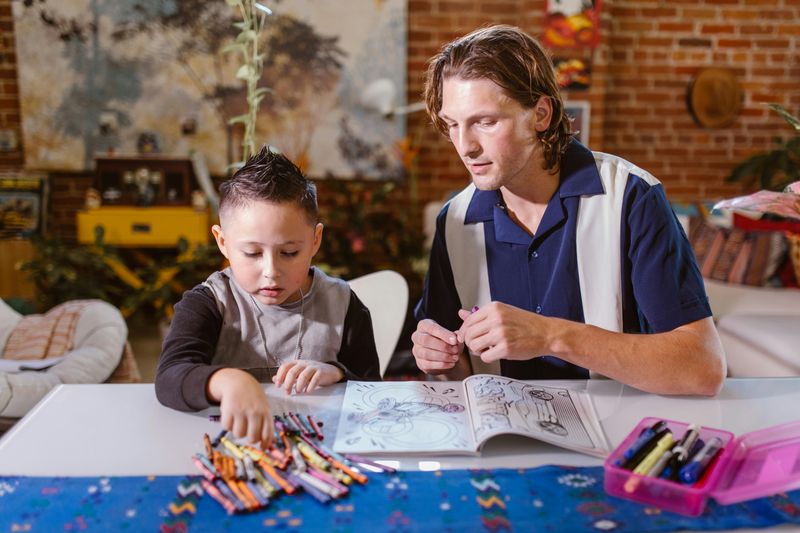
When adults face tough situations, kids pay close attention to every reaction.
Whether you take deep breaths during traffic jams or slam doors when frustrated, children notice and copy these responses.
Your calm problem-solving becomes their blueprint for managing their own worries.
Young minds learn that challenges are either terrifying obstacles or opportunities to grow.
If you model patience during stressful moments, kids absorb that resilience naturally.
They start using similar techniques when dealing with homework pressure or friendship conflicts, building emotional strength that lasts a lifetime.
2. Treating Others With Respect

Kids become mirrors of how adults interact with everyone around them.
From saying please and thank you to waiters, to holding doors for strangers, these small courtesies shape children’s understanding of kindness.
Respect isn’t taught through lectures but through consistent, everyday actions.
Children absorb your tone when speaking to service workers, neighbors, and family members.
They notice if you speak differently to people based on their job or appearance.
When adults model genuine respect for all people, kids naturally develop empathy and treat their classmates, teachers, and others with equal dignity.
3. Self-Talk and Inner Dialogue

Ever caught yourself saying negative things about your appearance or abilities out loud?
Children hear those words and adopt similar patterns of self-criticism.
Your inner voice becomes their template for how they should talk to themselves.
Positive self-talk creates confident kids who believe in their abilities.
When adults practice self-compassion and speak kindly about their mistakes, children learn that imperfection is human and acceptable.
They develop healthier self-esteem and resilience, knowing that setbacks don’t define their worth or potential for growth.
4. Work Ethic and Following Through
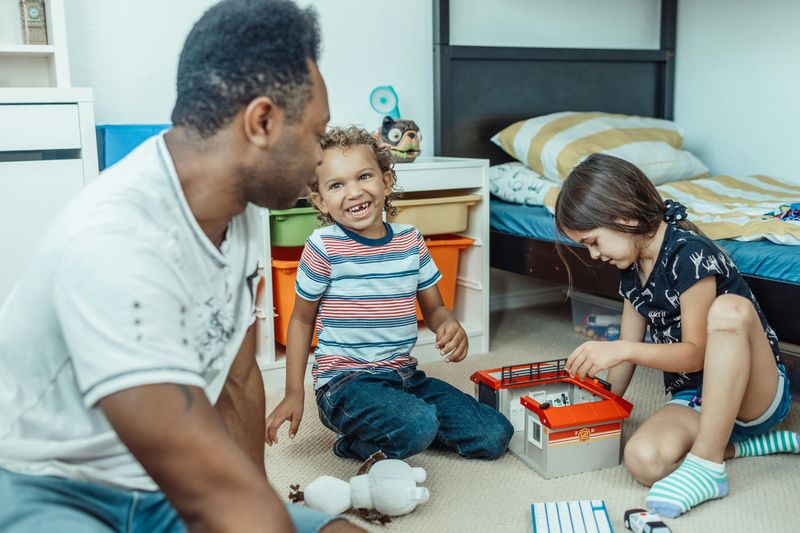
Children notice whether adults finish what they start or make excuses to quit.
Watching you complete household projects, meet work deadlines, or keep promises teaches them about reliability and commitment.
Your dedication becomes their standard for personal responsibility.
When you tackle boring tasks without complaining too much, kids learn that hard work matters even when it’s not fun.
They see that commitments deserve effort and time.
This observation builds their own sense of accountability, helping them become dependable students, friends, and eventually responsible adults who honor their word.
5. Expressing Love and Affection
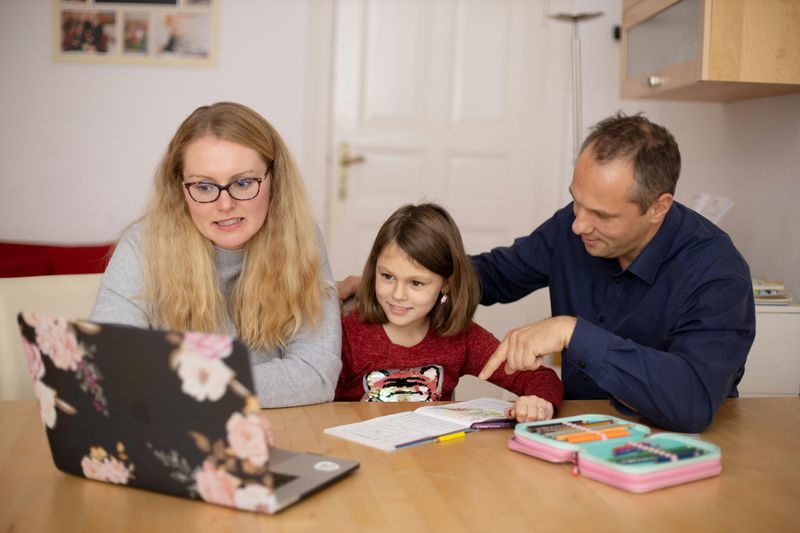
How adults show love creates the foundation for how children will express care throughout their lives.
Hugs, kind words, quality time, and small gestures of affection all register deeply in young minds.
Kids learn that love comes in many forms, not just through words.
Families that openly express appreciation and physical warmth raise children comfortable with emotional intimacy.
Kids who see adults saying “I love you” or giving compliments freely feel safer sharing their own feelings.
This emotional openness helps them build stronger, healthier relationships as they grow older and navigate friendships and romance.
6. Digital Device Habits and Boundaries
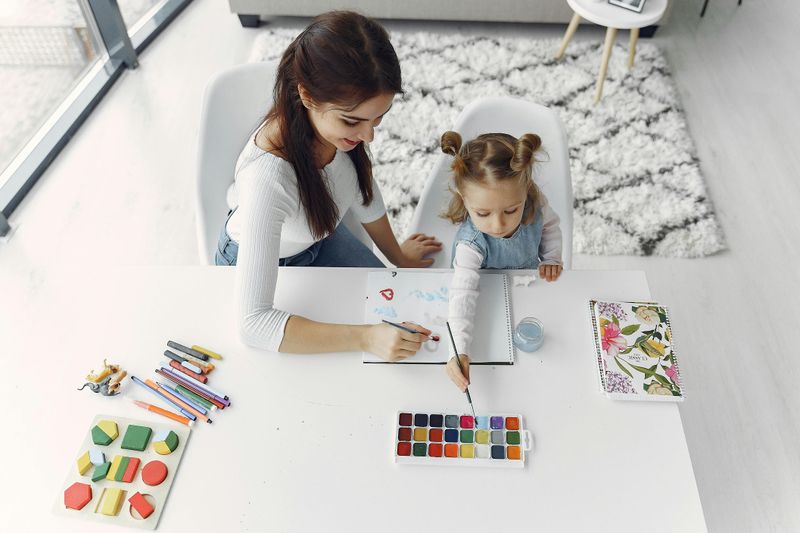
Scrolling through phones during dinner or checking emails constantly sends clear messages to children about technology priorities.
They absorb whether screens are tools we control or distractions that control us.
Your digital behavior becomes their normal relationship with technology.
Adults who set boundaries around screen time teach kids that real-world connections matter more than virtual ones.
When you put your phone away during conversations or designate tech-free times, children learn balance naturally.
They develop healthier habits around social media and gaming, understanding that devices are useful but shouldn’t dominate every moment of life.
7. Environmental Care and Responsibility
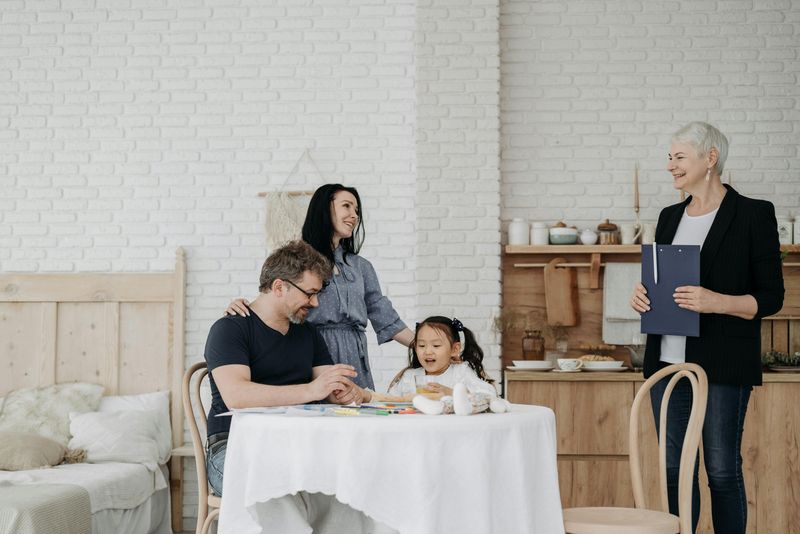
Recycling, conserving water, and reducing waste might seem like small actions, but kids notice every choice.
When adults care for the environment through daily habits, children absorb that stewardship as a natural responsibility.
They learn that protecting nature matters through actions, not just Earth Day lessons.
Watching you turn off lights, reuse containers, or pick up litter teaches kids that individuals make a difference.
They develop environmental awareness organically, understanding that their choices impact the planet.
These early lessons often create lifelong eco-conscious habits and a genuine desire to protect the world for future generations.
8. Honest Emotional Expression
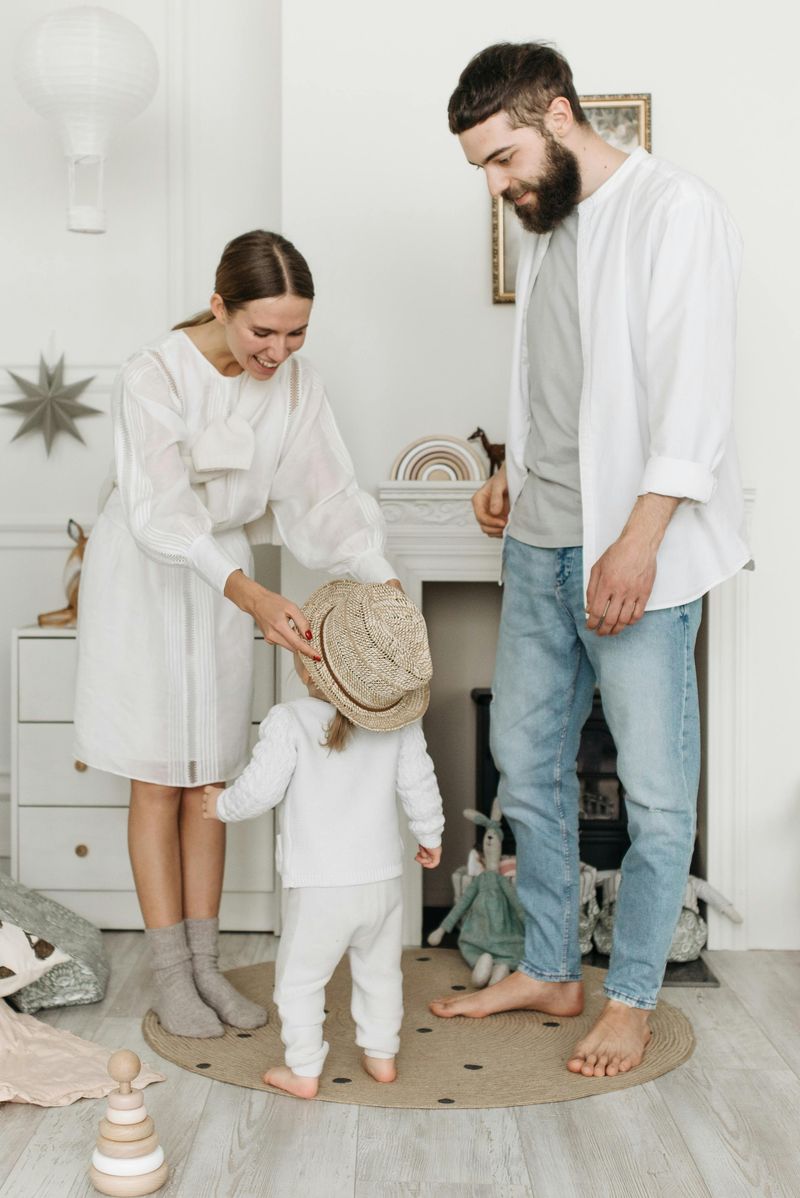
Kids grow up emotionally healthier when adults don’t hide all feelings behind fake smiles.
Seeing you express sadness, frustration, or joy appropriately teaches them that emotions are normal and manageable.
Emotional honesty gives children permission to feel their own feelings without shame.
When adults label their emotions and talk about them constructively, kids learn emotional vocabulary and communication skills.
They understand that feeling angry is okay but throwing things isn’t.
This modeling creates emotionally intelligent children who can articulate their feelings rather than acting out or bottling everything inside until they explode.
9. Conflict Resolution Skills
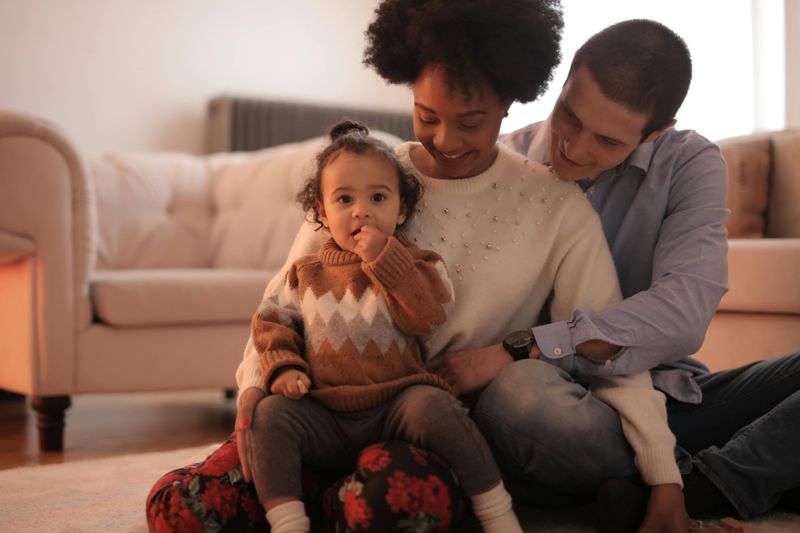
Arguments happen in every household, but how adults handle disagreements teaches children critical life skills.
Do you yell and slam doors, or do you talk through problems calmly?
Kids absorb these conflict patterns and repeat them in their own relationships with siblings and friends.
Watching adults apologize, compromise, and find solutions shows children that disagreements don’t have to end relationships.
They learn that listening matters as much as being heard.
These observations help kids develop negotiation skills and emotional maturity, preparing them to handle conflicts constructively rather than destructively throughout their lives.
10. Attitudes Toward Money and Spending
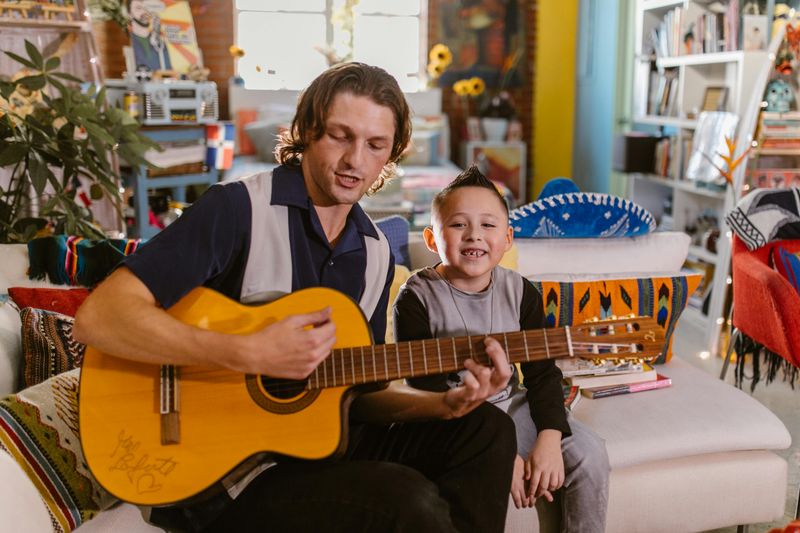
Financial habits transfer to children long before they earn their first dollar.
Whether you budget carefully, impulse buy, or stress about bills, kids absorb these money attitudes silently.
Your relationship with finances shapes their future economic behaviors and stress levels.
Children who see adults saving, comparing prices, and making thoughtful purchases learn delayed gratification and financial planning.
They understand that money requires responsibility and choices.
Conversely, kids who witness constant money stress or reckless spending often carry those anxieties and patterns into adulthood, affecting their financial well-being for years.
11. Reading and Learning Habits
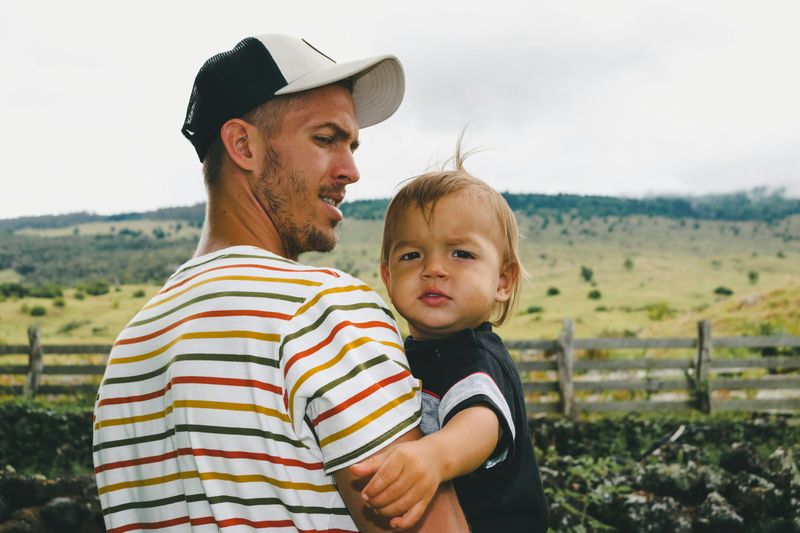
Children who grow up seeing adults read books, pursue hobbies, or learn new skills develop curiosity naturally.
Your enthusiasm for learning becomes contagious, showing kids that education doesn’t stop after school ends.
They absorb the value of knowledge through observation, not lectures about studying hard.
When adults model lifelong learning, children understand that growing intellectually is normal and enjoyable.
They see reading as pleasure rather than punishment.
This creates students who genuinely want to learn and explore new subjects, building a foundation for academic success and personal growth that extends far beyond childhood.
12. Body Image and Health Attitudes
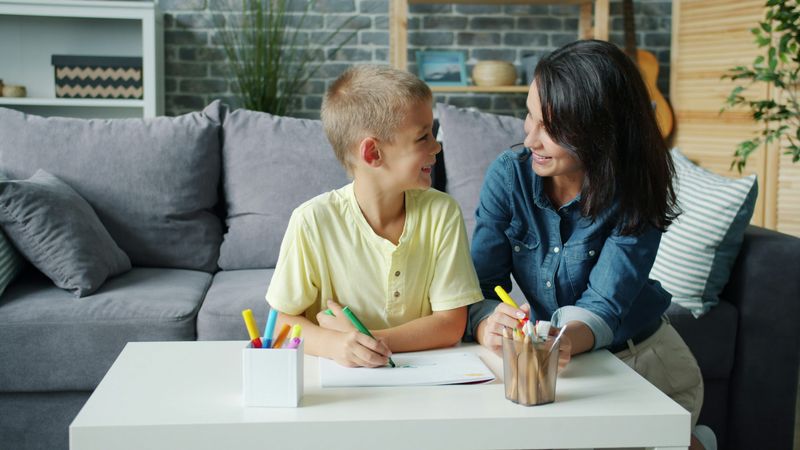
Comments about weight, appearance, or dieting don’t go unnoticed by children.
They absorb every criticism you make about your own body and apply those standards to themselves.
Your relationship with food and fitness becomes their template for self-image and health.
Adults who focus on strength, energy, and wellness rather than appearance raise kids with healthier body attitudes.
When you eat nutritious foods without guilt or exercise joyfully, children learn balance.
They develop positive relationships with their bodies, understanding that health matters more than fitting unrealistic beauty standards promoted by media and peers.
13. Prejudice or Acceptance of Differences
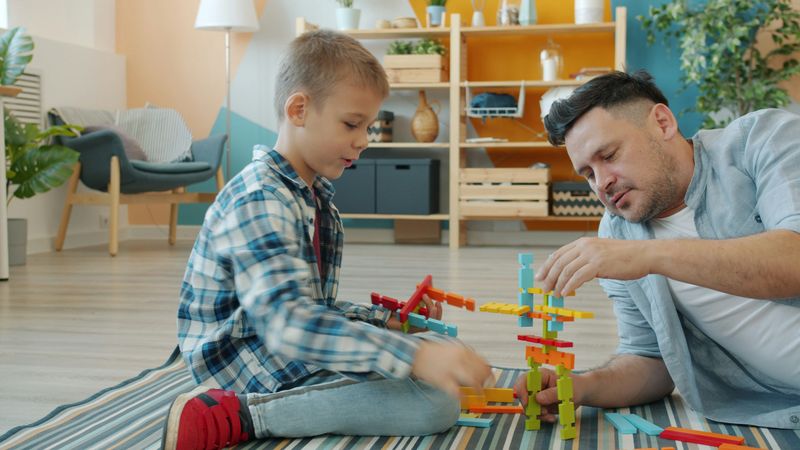
Kids aren’t born with biases; they learn them by watching how adults react to people who look, speak, or live differently.
Your comfort or discomfort around diversity directly shapes their attitudes toward race, religion, disability, and other differences.
Acceptance or prejudice transfers through subtle reactions and comments.
When adults embrace diversity through friendships, media choices, and open conversations, children develop inclusive worldviews.
They learn that differences make life interesting rather than threatening.
This early foundation of acceptance helps kids become compassionate global citizens who value all people regardless of background or identity.
14. How to Apologize and Admit Mistakes

Pride can prevent adults from saying sorry, but kids notice whether you own your mistakes or make excuses.
When adults apologize sincerely and take responsibility, children learn humility and accountability.
Your willingness to admit fault gives them permission to do the same without shame.
Children who see adults apologize develop stronger character and better relationships.
They understand that everyone makes mistakes and that admitting them shows strength, not weakness.
This lesson helps kids navigate friendships more successfully, repairing conflicts quickly rather than letting pride destroy important connections with peers and family members.
15. Gratitude and Appreciation
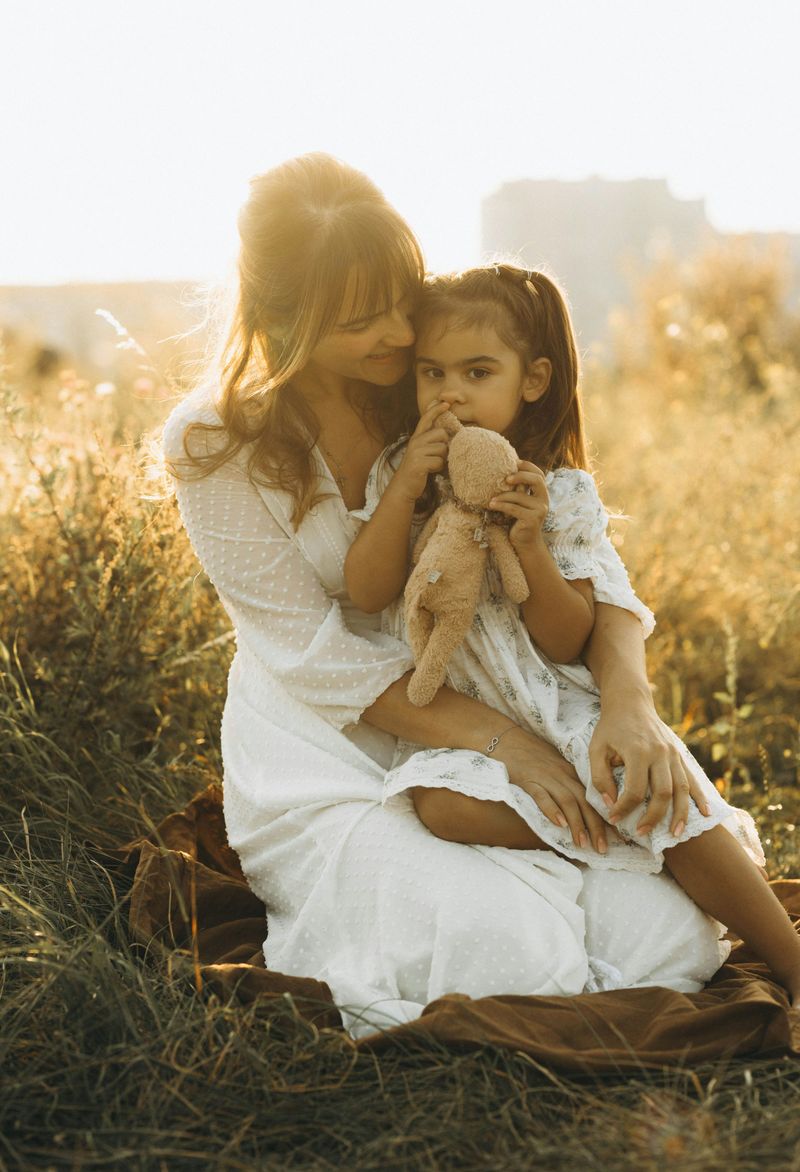
Complaining constantly or expressing thankfulness regularly both rub off on children in powerful ways.
Kids absorb your perspective on life, learning whether to focus on problems or blessings.
Your daily attitude becomes their lens for viewing the world and their circumstances.
Adults who regularly express gratitude for small things raise appreciative, optimistic children.
When you thank others genuinely and acknowledge good fortune, kids learn contentment and positivity.
They develop resilience and happiness, understanding that life offers many gifts worth celebrating.
This grateful mindset protects them from entitlement and helps them find joy even during challenging times.
Comments
Loading…