
 Hailey Watson
10 Reasons We’re Drawn to Complex Relationships

Have you ever wondered why some people seem to chase after relationships that feel like emotional roller coasters? Complex relationships can be messy, confusing, and downright exhausting, yet many of us find ourselves pulled toward them again and again.
Understanding the reasons behind this attraction can help us make better choices and recognize patterns in our own love lives. Whether it’s the thrill of uncertainty or deep-rooted emotional needs, these ten reasons reveal what keeps us hooked on complicated connections.
1. The Excitement of Unpredictability

Boring is the last thing anyone wants in a relationship, and complicated connections deliver constant surprises.
When you never quite know what’s coming next, your brain releases chemicals similar to what you’d feel on a thrilling amusement park ride.
Every text message becomes a mystery to decode, and every conversation feels loaded with hidden meanings.
Stable relationships might seem dull by comparison, even though they’re actually healthier in the long run.
Our brains can become addicted to the emotional highs and lows, creating a cycle that’s hard to break.
The unpredictability tricks us into thinking the relationship is more exciting and passionate than simpler connections.
2. Familiar Patterns from Childhood

Our earliest relationships with parents and caregivers create blueprints for how we connect with others later in life.
If your childhood included inconsistent affection or emotional unavailability, complicated relationships might actually feel like home.
Your brain recognizes these patterns as normal, even when they’re unhealthy.
Psychology experts call this repetition compulsion, where we unconsciously recreate familiar dynamics.
A person who grew up with an emotionally distant parent might pursue partners who are equally hard to reach.
Breaking free requires recognizing these patterns and consciously choosing different types of connections that feel unfamiliar at first.
3. The Challenge of Winning Someone Over
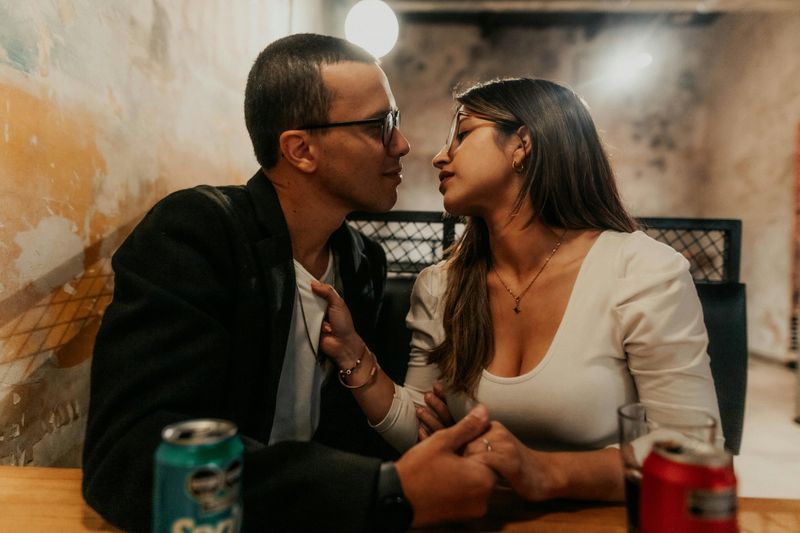
Human nature makes us value things we have to work hard to obtain.
When someone plays hard to get or sends mixed signals, they become a puzzle we’re determined to solve.
The chase activates the reward centers in our brains, making the pursuit feel incredibly satisfying.
Once the challenge disappears and the person becomes fully available, interest often fades surprisingly quickly.
This explains why some people lose interest right after someone finally commits to them.
The complexity itself becomes the attraction rather than the actual person, creating relationships built on conquest rather than genuine connection and compatibility.
4. Low Self-Worth and Validation Seeking

When you don’t believe you deserve healthy love, you might unconsciously choose relationships that confirm those negative beliefs.
Complex relationships often involve partners who withhold affection, making every small gesture of kindness feel like a major victory.
Each crumb of attention becomes incredibly valuable when you’re starving for validation.
People with low self-esteem sometimes feel suspicious of partners who treat them well consistently.
They might think something must be wrong with someone who actually wants them.
Healing requires building self-worth from within rather than seeking it from complicated romantic connections that never truly satisfy.
5. The Fantasy of Fixing Someone

Many people harbor secret superhero fantasies about being the one person who can heal someone’s wounds or change their problematic behavior.
This savior complex makes complicated partners seem like special projects rather than equal relationships.
You might believe your love is powerful enough to transform them into their best self.
Movies and books reinforce this dangerous myth that love conquers all and fixes broken people.
Real life works differently, and people only change when they decide to do the work themselves.
Relationships built on fixing fantasies typically end in disappointment and exhaustion rather than the fairy tale transformation you imagined.
6. Fear of True Intimacy

Ironically, complex relationships can serve as shields against the vulnerability required for genuine closeness.
When you’re constantly dealing with drama and uncertainty, you never have to face the scarier prospect of truly being seen and known.
The chaos provides a convenient distraction from deeper emotional connection.
Being fully vulnerable with another person requires tremendous courage and trust.
Complex relationships keep you at a safe distance while still feeling like you’re in a relationship.
The constant problems ensure you never have to risk the kind of openness that comes with stable, healthy partnerships where hiding becomes impossible.
7. Mistaking Drama for Passion

Intense arguments followed by tearful makeups can create an intoxicating cycle that feels like deep passion.
Our culture often confuses emotional intensity with true love, leading people to believe that if it doesn’t hurt, it’s not real.
Calm, steady affection seems boring compared to the fireworks of constant conflict.
Real passion exists without the need for drama and emotional turmoil.
Healthy relationships can be deeply passionate while also being peaceful and respectful.
Learning to recognize the difference between destructive intensity and genuine passion is crucial for finding lasting happiness rather than just temporary emotional highs that leave you drained.
8. Avoiding Commitment Through Complexity

Choosing unavailable or complicated partners provides a perfect excuse for why relationships never progress to serious commitment.
If your partner is always emotionally distant or dealing with drama, you can’t be blamed when things don’t work out.
The complexity becomes a shield against having to make real decisions about your future.
This pattern often reveals commitment fears hiding beneath the surface.
By selecting partners who can’t fully commit, you protect yourself from having to commit either.
Recognizing this self-sabotage pattern is the first step toward choosing partners who are actually available for the kind of relationship you claim to want.
9. The Allure of Being Needed

Complicated partners often come with a lot of problems that make them seem like they desperately need you.
Feeling needed can be incredibly addictive, especially if you struggle to feel valuable in other areas of your life.
Being someone’s emotional support system or problem solver provides a clear sense of purpose.
Healthy relationships involve interdependence rather than one person constantly rescuing the other.
When your entire identity becomes wrapped up in being needed, losing that role feels terrifying.
Building your own sense of worth independent of what you provide others helps break this unhealthy pattern and attracts more balanced connections.
10. Biological Wiring and Stress Bonds

Scientists have discovered that stressful situations can actually create powerful emotional bonds between people through shared trauma and intensity.
Your body releases bonding hormones during both positive experiences and negative ones, which explains why toxic relationships can feel so impossible to leave.
The stress itself becomes the glue.
This biological response helped our ancestors survive dangerous situations by strengthening group bonds.
In modern relationships, it can trap us in unhealthy dynamics that feel impossibly strong.
Understanding that these feelings are partly chemical rather than proof of true compatibility can help you make clearer decisions about whether to stay or go.
Comments
Loading…