
 Mary Murphy
Solitude can feel scary for many people. Being alone with your thoughts might seem uncomfortable or even unsettling. But facing these quiet moments helps us understand ourselves better, grow stronger, and feel more confident in our own company.
In stillness, we often discover thoughts and feelings we didn’t realize were there. Embracing these moments allows us to connect more deeply with ourselves and the world around us.
1. Fear of Confronting Inner Thoughts

Sitting quietly means facing everything you’ve been pushing down.
Worries about school, friendships, or family bubble up when distractions disappear.
Your brain starts asking tough questions you’d rather ignore.
Many people keep themselves constantly busy to avoid this mental conversation.
They fill every moment with music, videos, or chatter.
Silence forces you to deal with emotions you’ve been dodging all day.
Learning to sit with uncomfortable feelings actually makes you braver.
The more you practice, the less scary it becomes over time.
2. Constant Need for External Validation

Social media has trained us to crave likes, comments, and shares.
Without constant feedback from others, some people feel invisible or worthless.
Being alone means no one is watching, praising, or noticing you.
This dependency on approval becomes exhausting but addictive.
Every photo, every post becomes a test of your value.
Solitude strips away the audience, leaving just you with yourself.
Real confidence grows from within, not from follower counts.
When you learn to appreciate yourself without external cheerleaders, freedom follows naturally.
3. Uncomfortable Silence and Stillness

Background noise has become our constant companion.
TVs murmur in empty rooms, earbuds pump endless playlists, and notifications ping throughout the day.
Actual quiet feels unnatural and weird.
When everything goes silent, some people experience physical discomfort.
Their hearts race, palms sweat, or minds spin with random thoughts.
The stillness feels wrong because they’ve forgotten how peaceful it can be.
Did you know?
Studies show that even two minutes of silence can lower blood pressure and reduce stress hormones significantly.
4. FOMO – Fear of Missing Out

Everyone else seems to be having amazing experiences while you sit alone.
Your friends are posting party pictures, funny videos, and exciting adventures.
Solitude feels like being left behind in the race of life.
This fear drives people to say yes to everything, even activities they don’t enjoy.
They’d rather be miserable in a crowd than content by themselves.
Missing one event feels like social death.
Ironically, constantly chasing experiences means never fully enjoying any of them.
Sometimes the best memories happen in quiet moments you create for yourself.
5. Association with Loneliness and Rejection
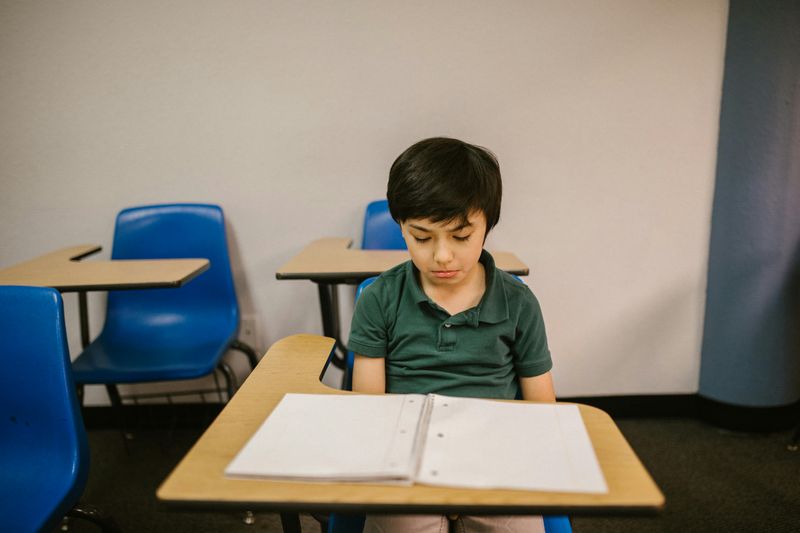
Our culture treats being alone like punishment.
Kids get sent to their rooms for misbehaving, and outcasts eat lunch by themselves.
Society has programmed us to see solitude as failure.
People worry that choosing alone time means something is wrong with them.
Friends might think you’re antisocial, depressed, or stuck-up.
The stigma makes solitude feel shameful rather than refreshing.
Choosing to be alone is completely different from feeling lonely.
One is powerful self-care; the other is painful isolation you can’t control.
6. Addiction to Digital Stimulation

Screens deliver instant entertainment at lightning speed.
Boredom lasts about three seconds before most people reach for their phones.
This constant stimulation rewires our brains to need perpetual excitement.
Without digital input, withdrawal symptoms appear quickly.
Restlessness, irritability, and anxiety kick in when devices disappear.
Solitude without technology feels impossible because the addiction runs deep.
Breaking free starts with small tech-free windows each day.
Even ten minutes of unplugged solitude helps reset your overstimulated nervous system gradually.
7. Low Self-Esteem and Self-Worth

Believing you’re not good company for yourself creates a vicious cycle.
If you don’t like who you are, spending time alone feels like torture.
Other people provide distraction from negative self-talk.
Low self-esteem makes solitude a mirror reflecting all your perceived flaws.
Every quiet moment becomes an opportunity for harsh self-criticism.
Crowds offer escape from that brutal internal voice.
Building self-compassion transforms alone time from punishment to privilege.
Treating yourself like a valued friend makes your own company genuinely enjoyable instead of something to avoid desperately.
8. Cultural and Social Conditioning
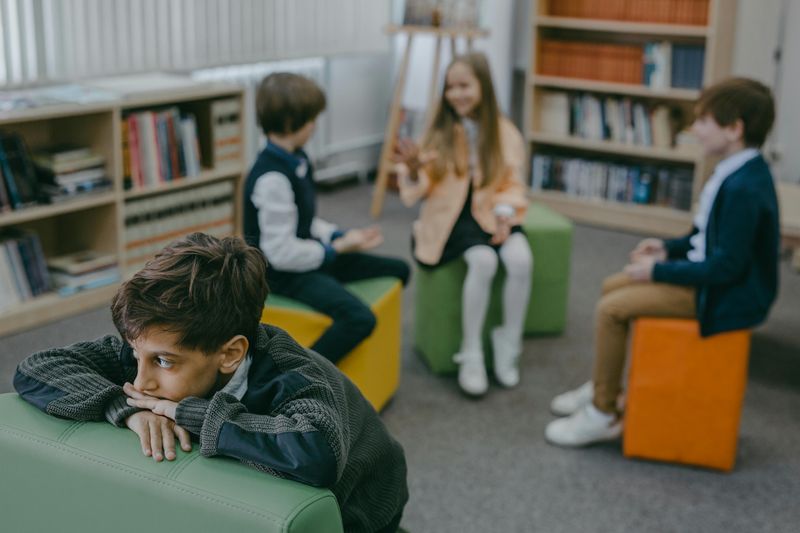
From kindergarten onward, we’re taught that teamwork and socializing are always superior.
Group projects, team sports, and social clubs dominate childhood.
Being a loner carries negative stereotypes in movies and books.
Extroversion gets celebrated while introversion gets questioned.
Parents worry when kids prefer reading alone over playing with others.
Schools rarely teach that solitude is healthy and necessary.
Different cultures view alone time differently, but Western society particularly prizes constant connection.
Unlearning this conditioning takes conscious effort and practice over many years.
Comments
Loading…