
 Harper Hall
12 Actors Who Ruined Their Own Careers With Bad Decisions
Hollywood loves a comeback story, but it loves a cautionary tale even more.
For every actor who rides early momentum into a long, steady career, there’s someone who seemed destined for the A-list and then watched opportunity slip away.
Sometimes it’s bad luck or a string of box-office misses, but other times the turning point is much more personal: arrests, public blowups, reckless choices, or behavior that made employers and audiences lose trust.
The results tend to look the same, even when the details differ—projects disappear, studios move on, and reputations become harder to repair than a résumé.
Below are 12 actors whose promising careers took a serious hit after decisions they made off-screen or in the public eye.
1. Lindsay Lohan
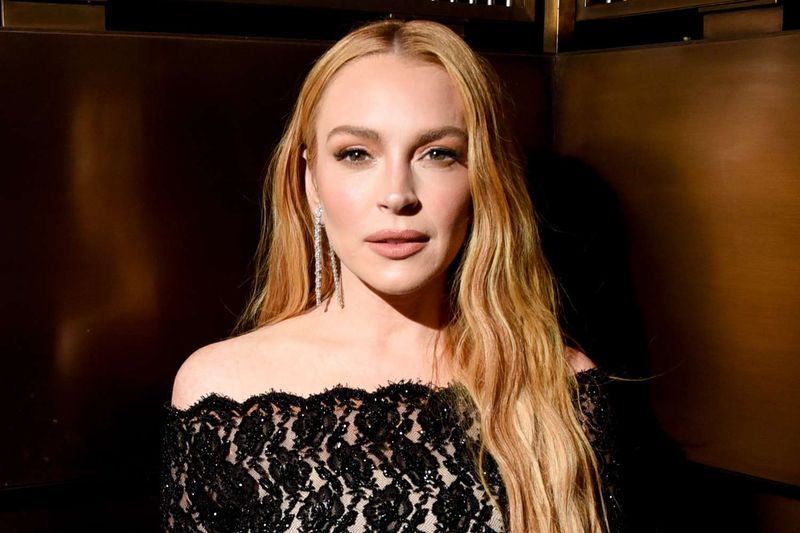
For a while, it felt like Hollywood had found its next long-term star in Lindsay Lohan, especially after a run of teen hits that proved she could carry a movie.
The problem wasn’t a lack of talent, but a growing pattern of legal trouble and tabloid-fueled chaos that began to overshadow her work.
Court dates, arrests, and constant headlines made her look unreliable at the exact moment studios want stability, since productions are expensive and delays can sink a project.
Over time, the narrative around her shifted from “bankable lead” to “risky hire,” and major roles became harder to land.
Lohan’s later efforts to rebuild—through smaller projects and a more controlled public image—show how long the recovery can take once trust is gone.
2. Charlie Sheen
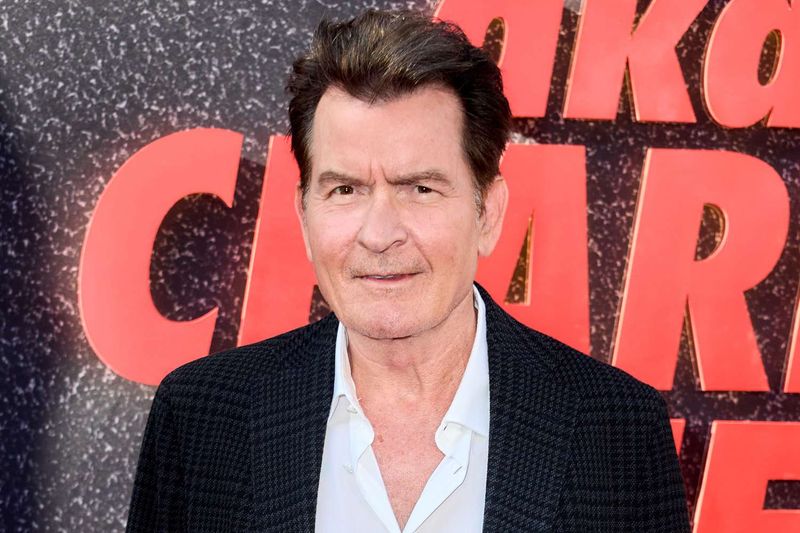
At his peak, Charlie Sheen had the kind of career many actors would envy: recognizable name, major film roles, and a wildly successful TV run that made him one of the highest-paid stars on television.
Then a series of public meltdowns, substance issues, and confrontations turned his fame into a spectacle that eclipsed his résumé.
What really damaged his prospects wasn’t a single incident, but the sense that he was unpredictable and difficult to manage, which is a nightmare for studios dependent on schedules and insurance requirements.
The fallout played out in real time, with professional relationships fraying and high-profile opportunities shrinking.
Sheen has kept working in various ways, but the era when he was a default choice for mainstream projects ended when his choices made him seem too volatile to bet on.
3. Shia LaBeouf
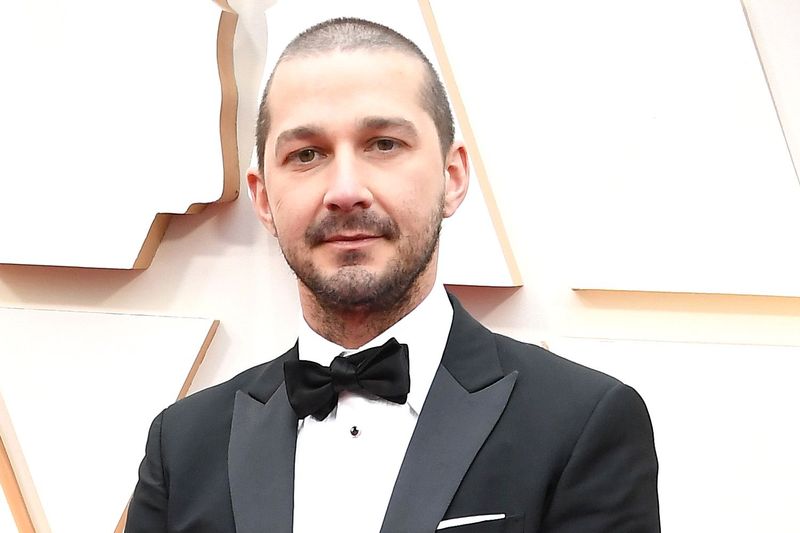
For years, Shia LaBeouf looked like someone who could move seamlessly from blockbuster franchises into a respected, unpredictable career path.
Instead, recurring reports of arrests, volatile incidents, and turbulent behavior began to define his public image more than his performances.
The entertainment industry can handle eccentricity, but it struggles with patterns that suggest instability or potential liability, since productions are collaborative and reputations are interconnected.
As headlines piled up, casting him became a bigger public-relations calculation, and that kind of friction can push decision-makers toward safer options.
LaBeouf has continued to work and earn praise at times, but his momentum has repeatedly been interrupted by off-screen controversies that changed how audiences and collaborators perceive him.
In a business built on perception, repeated public drama can quietly close doors even when the acting remains strong.
4. Wesley Snipes
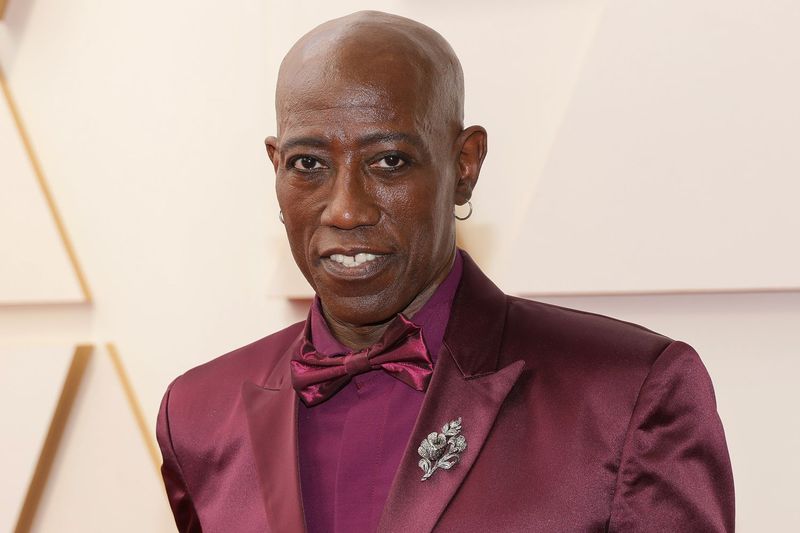
A lot of actors struggle to sustain stardom, but Wesley Snipes had a particularly strong run that mixed action credibility with real screen presence.
Then legal troubles related to taxes culminated in a conviction that derailed his career at a time when he could have been building on peak momentum.
Beyond the court outcome itself, the practical consequences mattered: time away from the industry, a damaged reputation with studios, and the sense that future projects might carry complications.
Hollywood loves reliability because production timelines, budgets, and insurance all depend on it, and legal instability makes everyone nervous.
Snipes eventually returned to acting and even earned renewed attention through later roles, but the years lost in the middle changed his trajectory.
His story is a reminder that financial decisions off-screen can be just as career-defining as choices made in front of the camera.
5. Winona Ryder
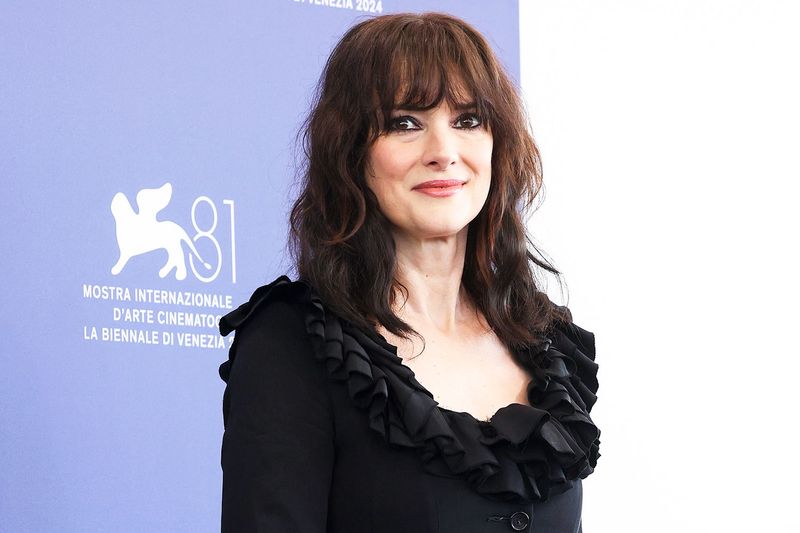
In the late ’80s and ’90s, Winona Ryder wasn’t just popular—she was culturally essential, with a distinctive presence that made her feel like the face of a generation.
That’s why her shoplifting arrest and subsequent conviction hit so hard, because it abruptly turned an admired star into tabloid fodder and industry gossip.
Even when the legal outcome is finite, the reputational impact can linger, especially for actors whose brand relies on trust, relatability, or a certain “it” factor.
Ryder’s career slowed significantly afterward, and the kinds of roles she was offered shifted as Hollywood recalibrated its comfort level.
The twist is that she eventually re-emerged with a major comeback and new fan base, proving a fall doesn’t have to be permanent.
Still, the scandal created a long detour that changed what her career might have been.
6. Mel Gibson
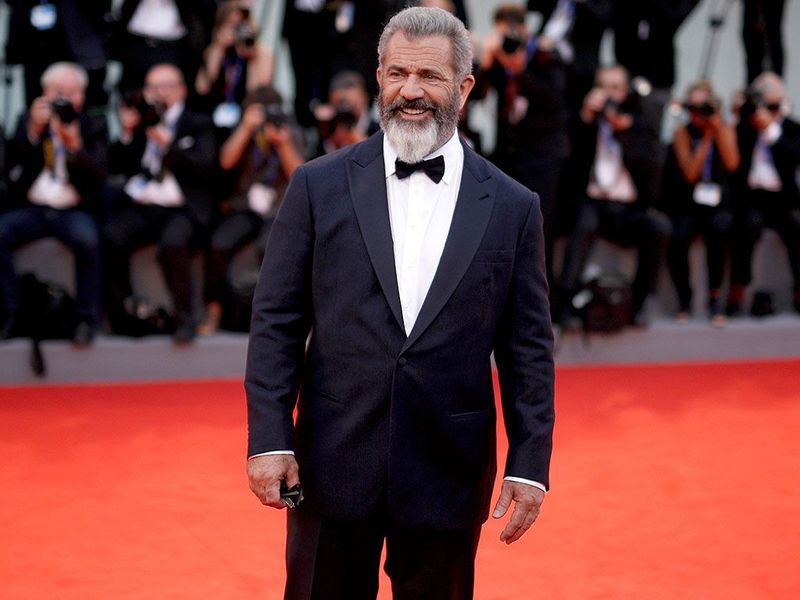
Long before he became a punchline, Mel Gibson was an undeniable force in Hollywood, with blockbuster hits and an image that blended charisma with credibility.
The shift came when a series of public scandals and widely criticized remarks dominated the conversation around him, and the industry’s tolerance for controversy reached its limit.
Even when an actor has proven box-office power, studios still weigh the backlash risk, especially when brands and international markets are involved.
Gibson’s career didn’t end, but it changed shape dramatically, moving from leading-man dominance to long stretches of diminished visibility and cautious re-entry.
His experience shows how fast the goodwill bank can empty when the public begins associating a star with anger, offensive language, or repeated controversy.
Rebuilding a reputation after that isn’t just about talent—it’s about trust.
7. Jussie Smollett
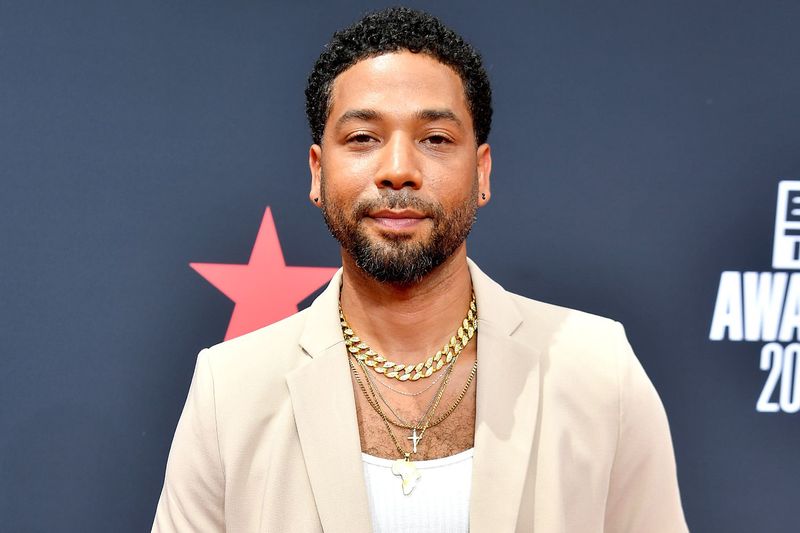
Not every career collapse comes from a slow build of bad press; sometimes it happens when one controversy becomes the only thing people associate with a name.
Jussie Smollett’s situation escalated into a criminal case tied to accusations that he staged a hate crime report, and the publicity quickly overshadowed his acting work.
Regardless of personal opinions, studios tend to avoid projects that create constant headlines, because controversy can consume marketing campaigns and distract from the work itself.
The result was a rapid shift from rising visibility to professional isolation, with mainstream opportunities drying up fast.
Even if an actor has talent, entertainment is a relationship business, and the industry’s confidence can disappear when decision-makers fear backlash.
Smollett’s case is also a reminder that public trust is fragile, and once credibility becomes the main story, it can be hard to convince people to look elsewhere.
8. Armie Hammer
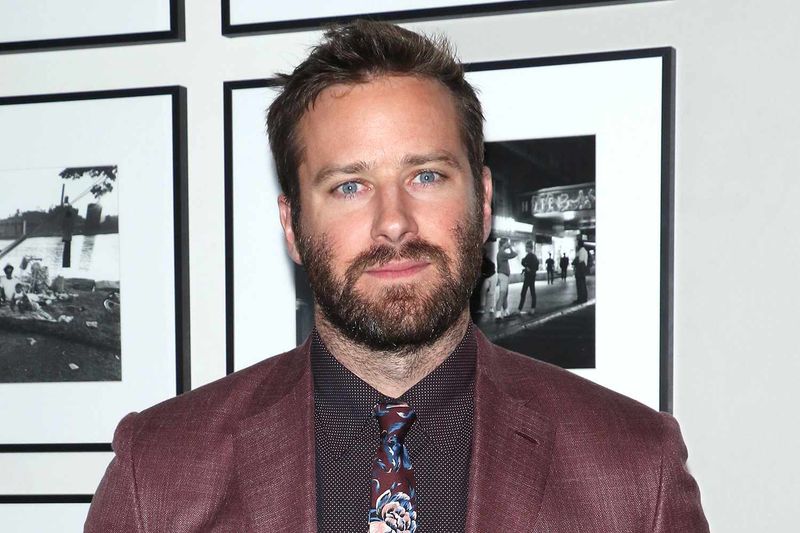
It’s difficult to overstate how quickly Armie Hammer appeared to be moving toward long-term leading-man status, especially after roles that positioned him as polished, charismatic, and highly castable.
Then a wave of scandal and graphic allegations made him a reputational risk in a way that’s hard for studios to navigate.
Even before legal outcomes are clear, an actor can become “too complicated” for mainstream projects, because executives worry about audience reactions, co-stars’ concerns, and brands distancing themselves.
The damage often isn’t just about guilt or innocence in the public mind; it’s about whether the controversy becomes bigger than the work.
Hammer’s career stalled abruptly as projects disappeared and public perception shifted from “rising star” to “headline problem.” His story shows how fast fame can reverse when a persona built on charm collides with allegations that fundamentally change how people see you.
9. Mark Salling
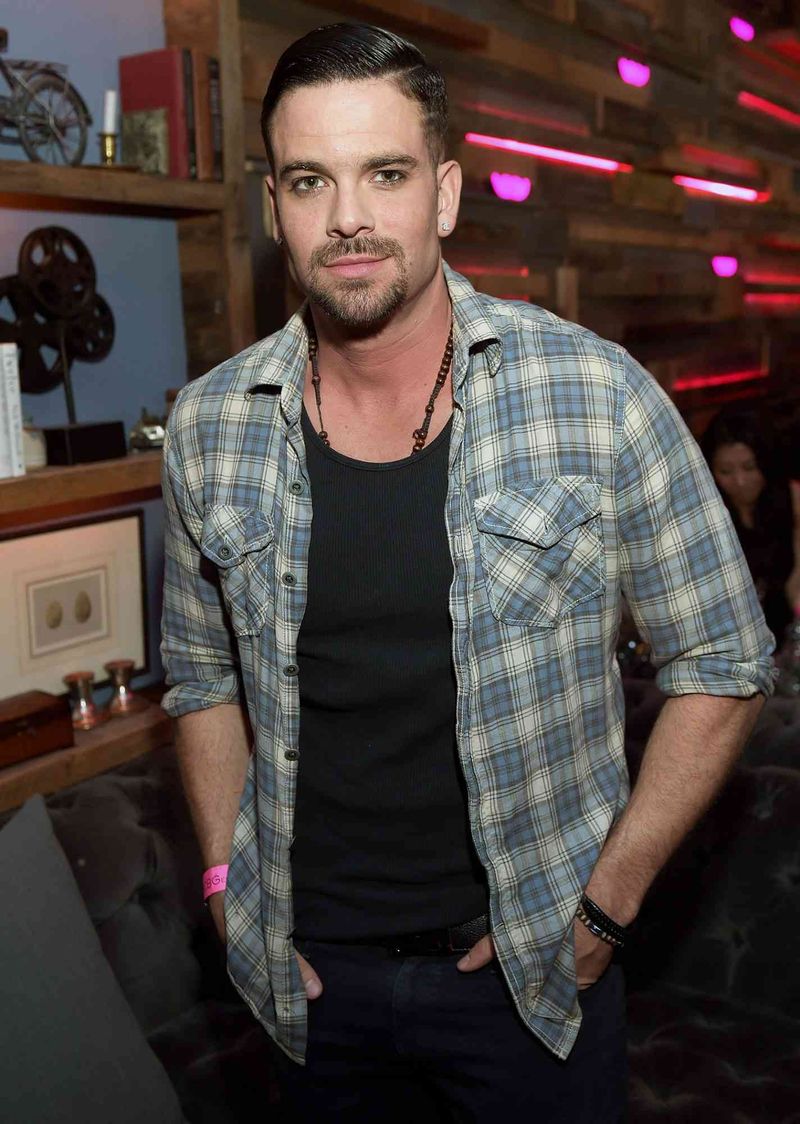
Sometimes a career ends not with a dramatic decline, but with a hard stop that makes a comeback nearly impossible.
Mark Salling gained fame through a major TV hit and looked positioned to transition into broader opportunities, but criminal charges and a conviction related to child pornography destroyed his prospects and permanently reshaped how the public remembered him.
In cases like this, the industry response tends to be immediate and decisive, because the allegations are serious and the reputational damage is overwhelming.
Even if an actor once had a devoted fan base, the type of offense matters, and audiences often draw a firm line that cannot be crossed.
Salling’s situation also illustrates how quickly fame can curdle into infamy, leaving behind a legacy defined more by criminal behavior than by performances.
It’s an extreme example of a promising career erased by choices that carried devastating consequences.
10. Jason Mitchell
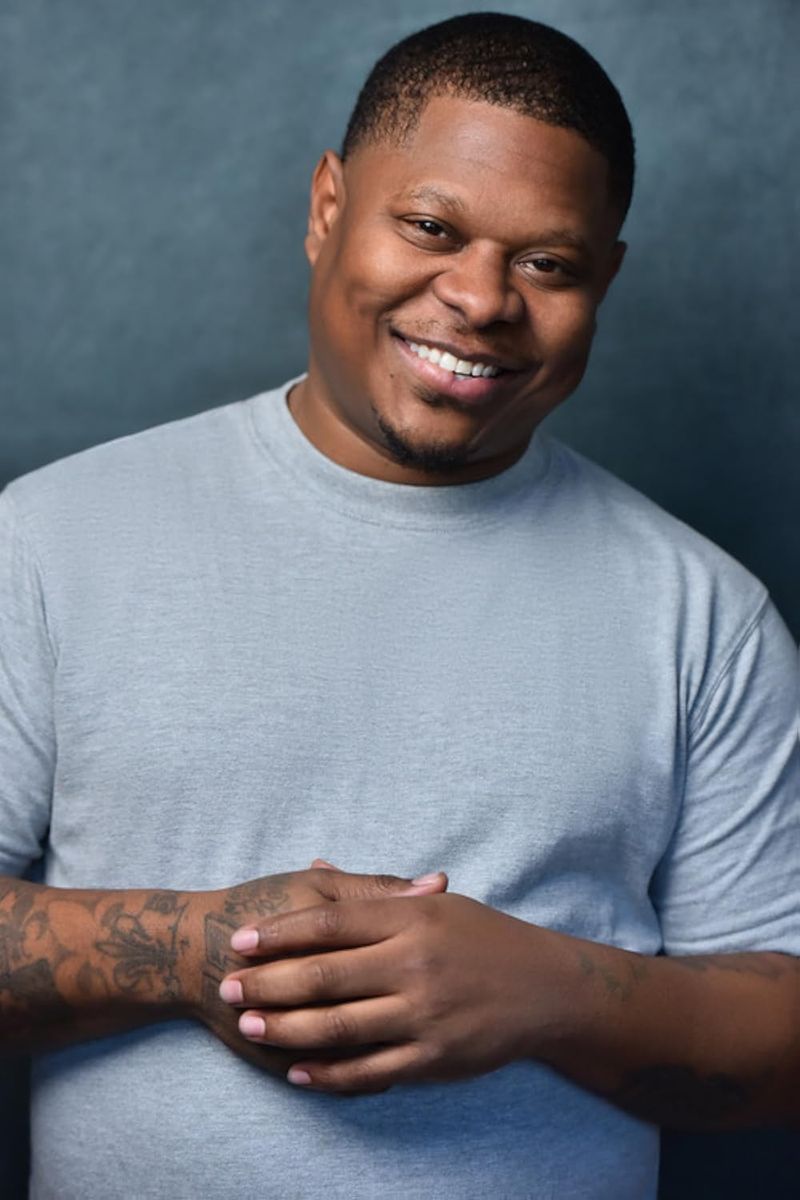
Early in his rise, Jason Mitchell had momentum that suggested he could become a major name, with performances that drew attention and roles that positioned him for bigger things.
Then multiple reports of on-set misconduct and HR complaints emerged, and he was publicly dropped from projects, which is one of the fastest ways to signal “unemployable” in an industry built on teamwork.
Whether audiences follow the details closely or not, studios pay close attention when a pattern suggests conflict, harassment, or behavior that makes co-workers uncomfortable.
Once the word “liability” enters the conversation, hiring decisions become less about talent and more about risk management.
Mitchell’s case highlights a harsh truth about entertainment: you don’t have to be convicted of a crime to lose opportunities; you simply have to become someone people feel they cannot safely or comfortably work with.
In that environment, momentum can vanish overnight.
11. Danny Masterson
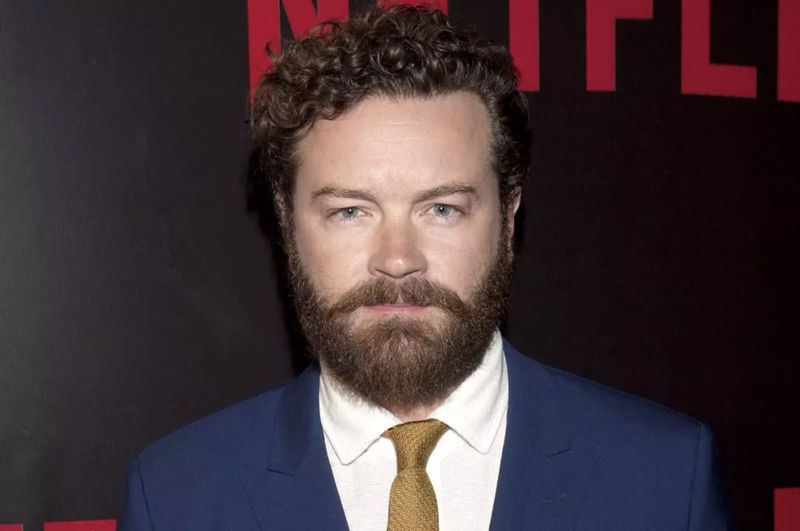
A long-running TV role can create the illusion that a career is unbreakable, but serious criminal convictions tend to erase any pathway back to mainstream work.
Danny Masterson’s conviction for rape and the public scrutiny surrounding the case ended whatever chance he had of sustaining a normal acting career, regardless of how recognizable he once was.
Studios are cautious even with minor controversies, so a conviction for a violent crime is essentially a professional dead end in most mainstream contexts.
Beyond industry decisions, there’s also the audience factor: viewers don’t want to separate entertainment from harm when the facts are this severe, and advertisers don’t want to be anywhere near the fallout.
Masterson’s story illustrates the difference between a scandal that fades and a conviction that brands someone permanently.
At that point, it isn’t about public relations or career strategy; it’s about consequences that can’t be negotiated away.
12. Randy Quaid
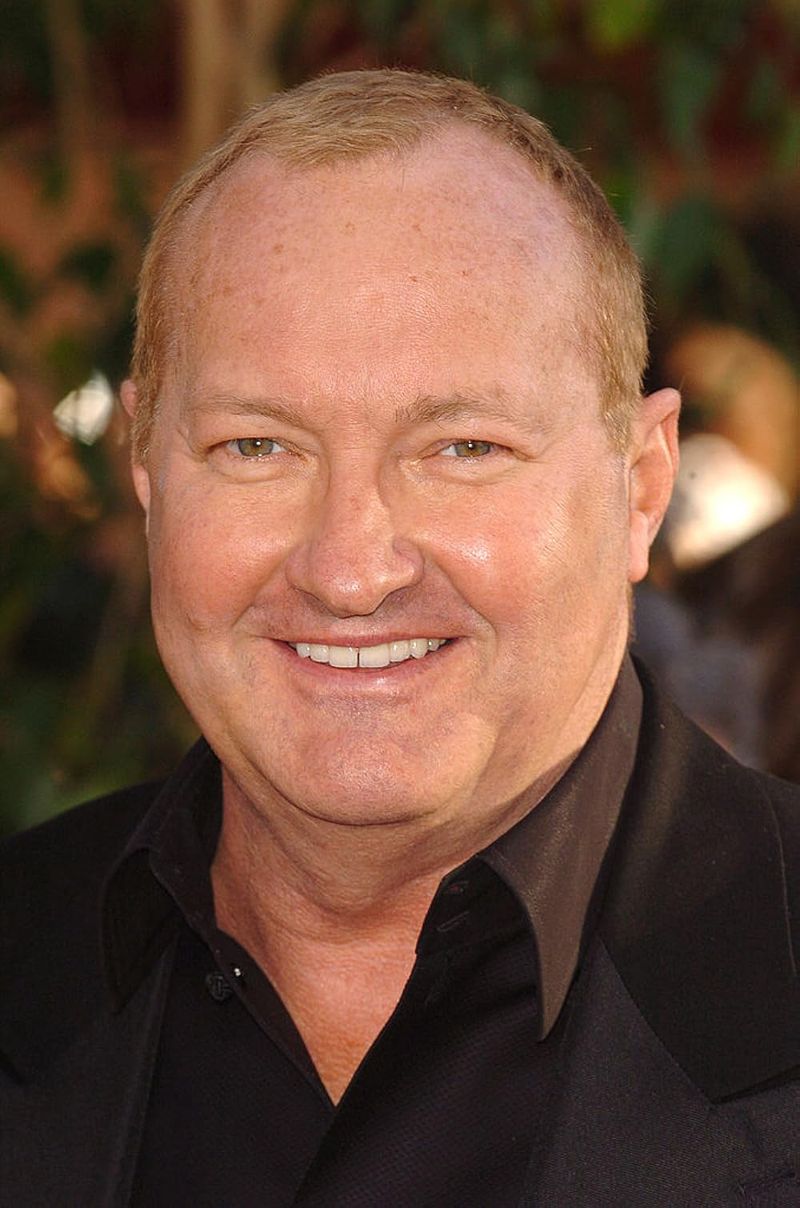
Some careers fade because roles dry up, but Randy Quaid’s decline became intertwined with years of legal trouble, erratic public behavior, and increasingly bizarre controversies that made him difficult for studios to consider.
The problem with repeated incidents is that they create a pattern, and patterns are what the industry fears most, since reliability and predictability are the invisible backbone of every production.
Even if an actor has delivered memorable performances, casting directors and producers have to think about whether someone will show up on time, stay stable, and avoid turning a set into a crisis.
Quaid’s public persona shifted from respected character actor to tabloid figure, and that change narrowed his opportunities dramatically.
His story is also a reminder that professional reputation is cumulative, and when instability becomes your brand, it can outshine decades of good work.
In Hollywood, it’s not just talent that gets you hired—it’s the confidence that you won’t derail the project.
Comments
Loading…