
 Chloe Peterson
15 Strict Rules Every Star of the Old Hollywood Had To Follow
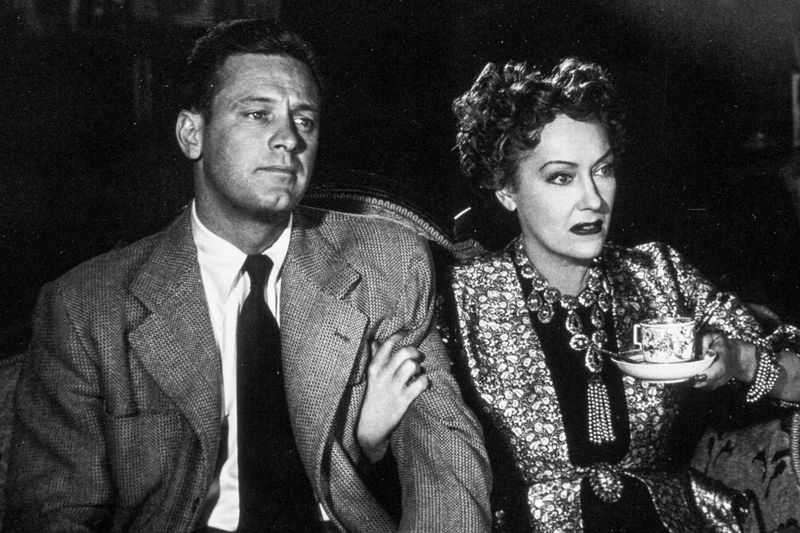
Old Hollywood sold the world a fantasy of effortless glamour, sparkling romances, and larger-than-life personalities who seemed to float through premieres without a care in the world.
Behind that polished image, though, the studio system ran more like a tightly controlled corporation than a dream factory, and the people on screen were often treated like long-term investments that had to be protected at all costs.
Contracts didn’t just cover work hours and paychecks, because they also reached into private lives, social circles, and even the stories stars were allowed to tell about themselves.
Publicists, executives, and fixers shaped what fans believed, sometimes down to the smallest detail, so nothing threatened a film’s success.
These rules weren’t suggestions, either, because breaking them could mean suspension, lost roles, or a career that quietly disappeared.
1. Morality clauses
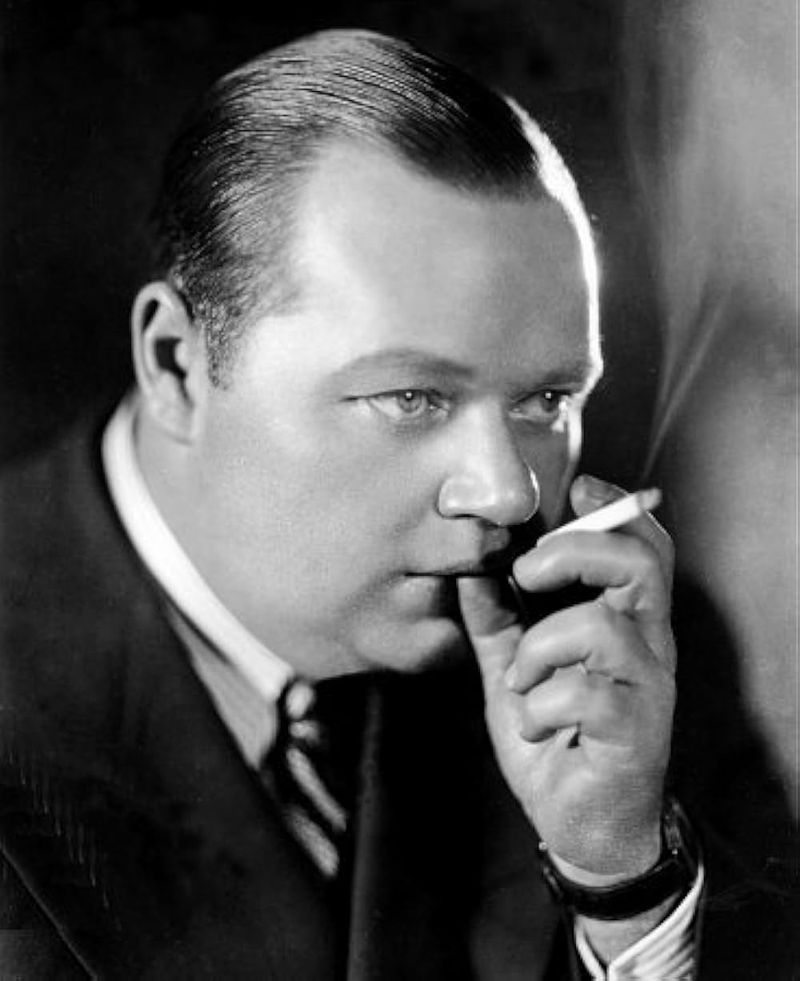
Contracts in the studio era often came with a built-in warning label, because your job could vanish the moment you were deemed “bad for business.”
Morality clauses gave studios broad power to punish behavior that might embarrass the company, whether the incident happened on set or in a private moment that became public.
The tricky part was how flexible the definition of “scandal” could be, since it often depended on gossip columns, public mood, and executive egos.
Stars learned quickly that reputation wasn’t just personal, because it was treated as part of the studio’s property.
Even innocent situations could be spun into something damaging if the narrative didn’t serve the brand.
Under this kind of pressure, many performers lived cautiously, knowing one headline could cost them everything.
2. Dating had to be managed/approved by the studio publicity team
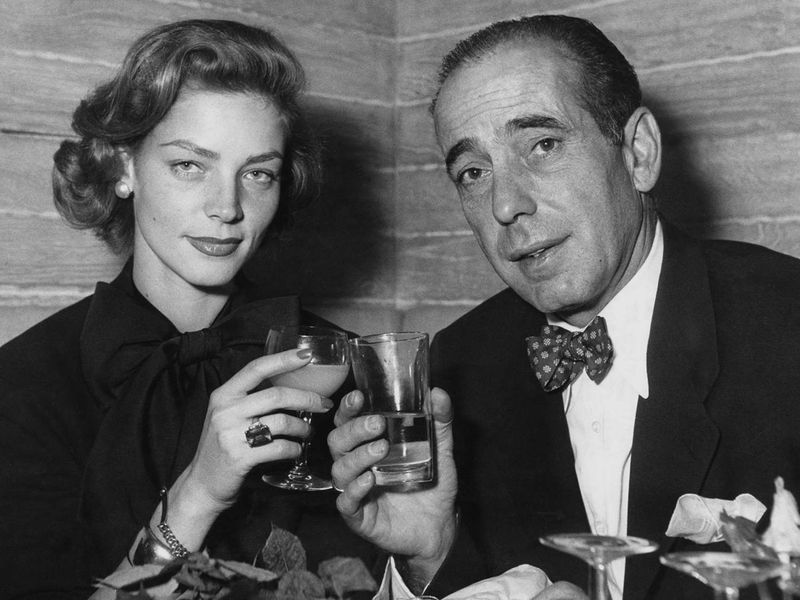
Romance wasn’t simply a private matter when fame was a product being packaged and sold.
Studios frequently expected stars to clear relationships through publicity teams, not because they cared about love, but because they cared about perception.
If a pairing didn’t fit a marketable storyline, it could be discouraged, quietly derailed, or rewritten into something more profitable.
Young actresses and heartthrob leading men were especially “managed,” since the illusion of availability was considered a selling point.
Even genuine relationships could be reshaped for magazines, with strategically timed appearances designed to create buzz around a release.
The exhausting part was that dating became work, because every dinner, photo, and rumor could be treated like a marketing asset.
It’s hard to build something real when a PR plan is always hovering nearby.
3. Fake relationships were arranged to boost a star’s image
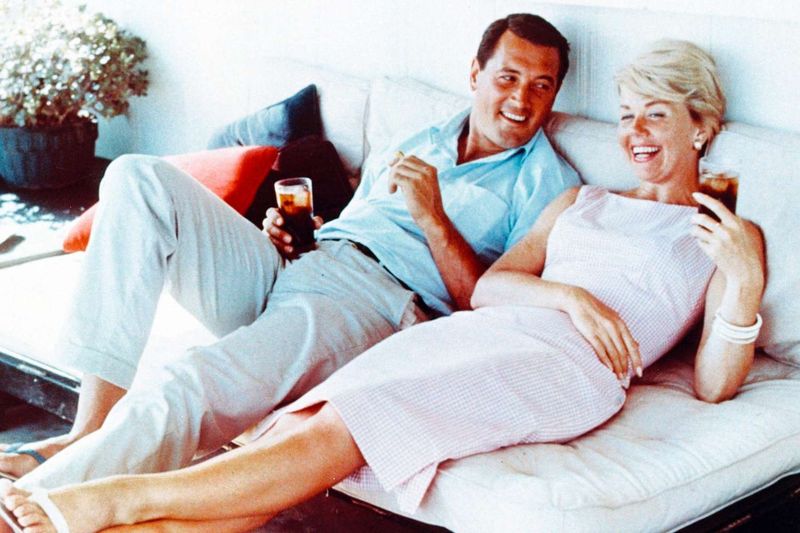
Publicity departments understood that a believable love story could sell tickets almost as well as a great trailer.
To keep names in headlines, studios sometimes encouraged “couples” who looked good together, photographed well, and conveniently had projects to promote.
These relationships could be as simple as staged outings, or as elaborate as coordinated interviews that repeated the same charming details.
The goal wasn’t intimacy, because it was attention, and attention translated into money.
For the stars involved, the emotional toll could be surprisingly heavy, since they were expected to perform affection on command while keeping their real lives hidden.
Fans were invited into a fantasy that wasn’t meant to be questioned, and the pressure to maintain it could be relentless.
When the public believes your romance is a brand, breaking up becomes a business decision too.
4. Secret marriages to protect box-office appeal
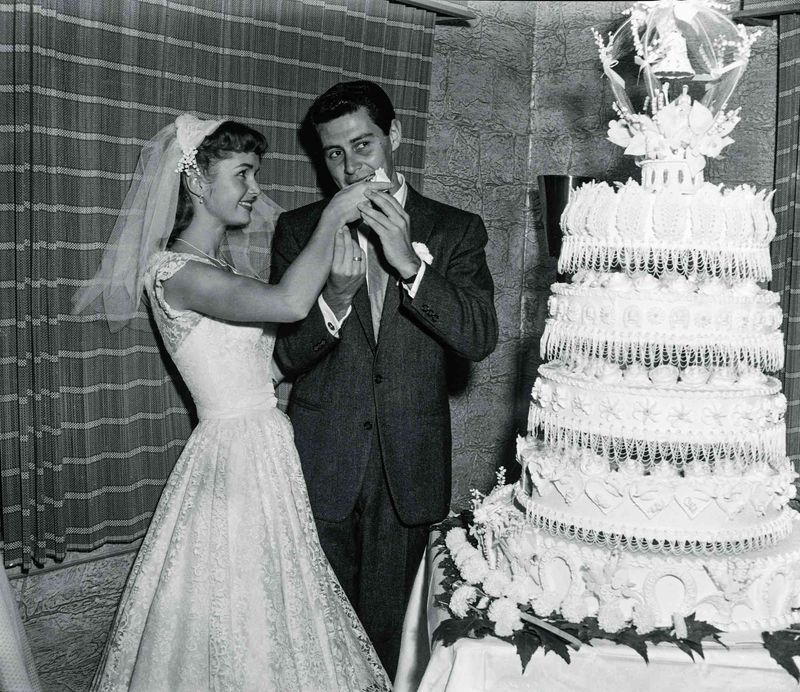
A wedding ring could be treated like a threat when a star’s image depended on appearing unattached.
Studios sometimes urged performers to keep marriages quiet, particularly if their careers were built on selling romantic fantasy to audiences.
In a system obsessed with “types,” a married actress might be deemed less desirable, and a married leading man could lose the swooning fan base that boosted ticket sales.
Couples found themselves sneaking around like they were doing something wrong, even though they were simply trying to live normally.
Some kept separate homes for appearances, while others avoided public events together to prevent speculation.
The strangest part is how marriage, which many people view as stability, was reframed as a marketing risk.
When image is everything, even happiness can be treated like bad publicity.
5. Pregnancies were hidden or worked around to protect the “perfect” image
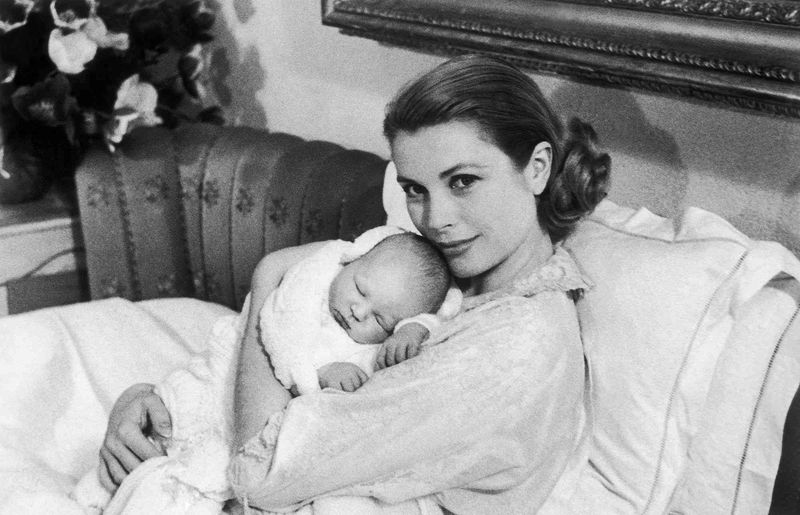
Motherhood didn’t fit the studio’s idea of continuous glamour, so pregnancy was often handled like a crisis to contain.
Actresses were pressured to conceal it through wardrobe tricks, careful camera angles, or sudden “vacations” explained away with vague statements.
In some cases, film schedules were rearranged to minimize visibility, while other times women were pushed to delay family plans entirely.
The underlying message was chilling, because it suggested that a natural life event could make someone less employable.
Publicists worried about changing fan perceptions, and executives worried about production delays, so the performer’s comfort was rarely the priority.
Even when audiences might have been sympathetic, studios preferred control over honesty.
Keeping a pregnancy secret meant carrying not only a child, but also an exhausting performance of normalcy every single day.
6. Strict appearance standards (weight, hair, makeup, even teeth)
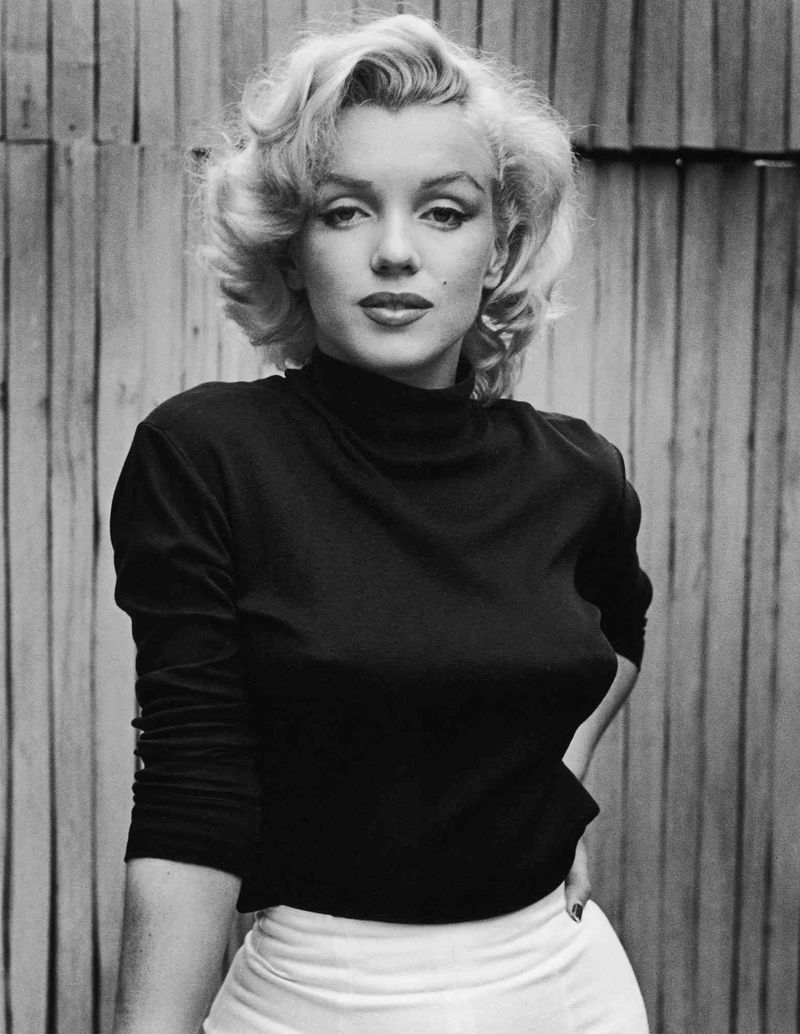
Beauty wasn’t just encouraged in Old Hollywood; it was monitored, measured, and enforced.
Studios invested in a specific “look” and expected stars to maintain it consistently, even as trends changed and roles demanded different styles.
Weight fluctuations could trigger panic, because a body was treated as part of the studio’s brand rather than a person’s reality.
Hair color might be dictated, eyebrows reshaped, and makeup styles standardized to create a recognizable signature that audiences associated with fantasy.
Some performers were pushed toward dental work or cosmetic procedures long before such choices felt common, and the pressure often intensified with age.
The most difficult part was how constant the scrutiny could be, since even a candid photo might be judged as evidence of “decline.”
When appearance becomes a job requirement, self-worth can get tangled up in somebody else’s expectations.
7. Studio-controlled wardrobes (on-screen and often off-screen styling too)
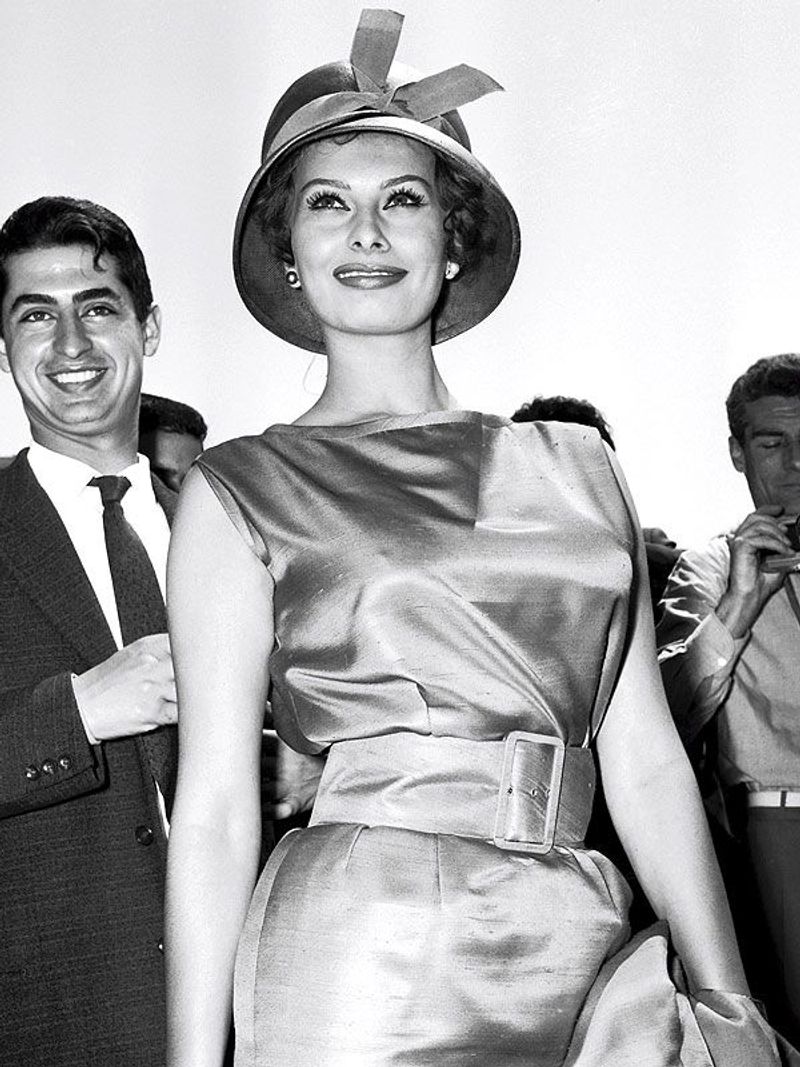
Fashion wasn’t simply a personal expression when studios wanted every public sighting to reinforce a carefully crafted persona.
Clothing choices could be dictated or heavily guided, especially for actresses whose style was tied to their marketability.
Designers, seamstresses, and publicists coordinated looks for premieres, photo shoots, and even casual outings, because the goal was consistency, not comfort.
The idea was to prevent any “off-brand” moment that could spark criticism or dilute the fantasy.
Sometimes wardrobes doubled as subtle messaging, with outfits chosen to signal innocence, sophistication, or allure depending on the image being sold at the time.
For performers, this could feel like losing the ability to dress for themselves, which sounds small until you realize it happens every day.
When your closet is controlled, your identity can start to feel rented.
8. Speech, accent, and etiquette training to fit the “star” mold
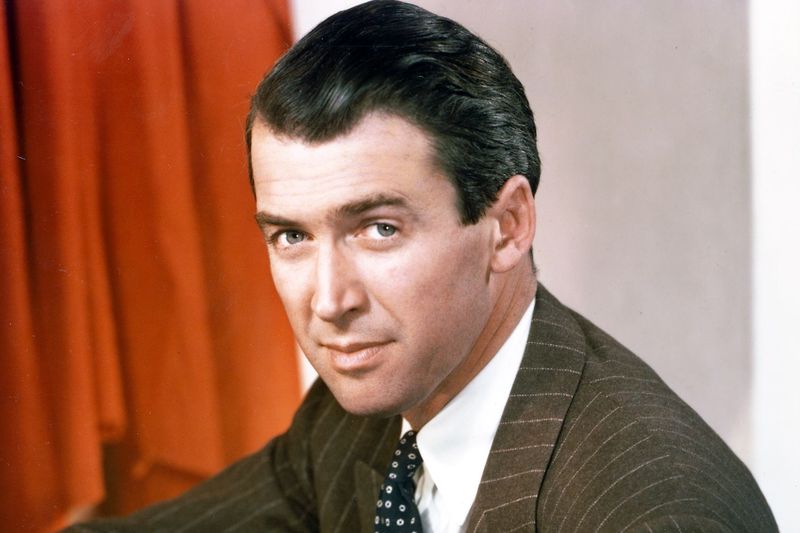
A star’s voice and mannerisms were treated as tools that could be engineered into something more polished.
Studios often required lessons in diction, posture, and social behavior, especially for actors whose natural backgrounds didn’t match Hollywood’s preferred “refined” image.
Accents might be softened, regional speech patterns removed, and even laughter coached to sound more elegant.
Etiquette classes taught performers how to handle formal dinners, greet important people, and answer questions in ways that sounded charming without revealing too much.
On the surface it looked like self-improvement, but it also reinforced a narrow idea of what was “acceptable” or “classy.”
The training could help careers, yet it also sent a message that authenticity wasn’t valuable unless it could be repackaged.
When you’re taught to perform even at a party, real relaxation starts to feel impossible.
9. Interviews were controlled with approved talking points
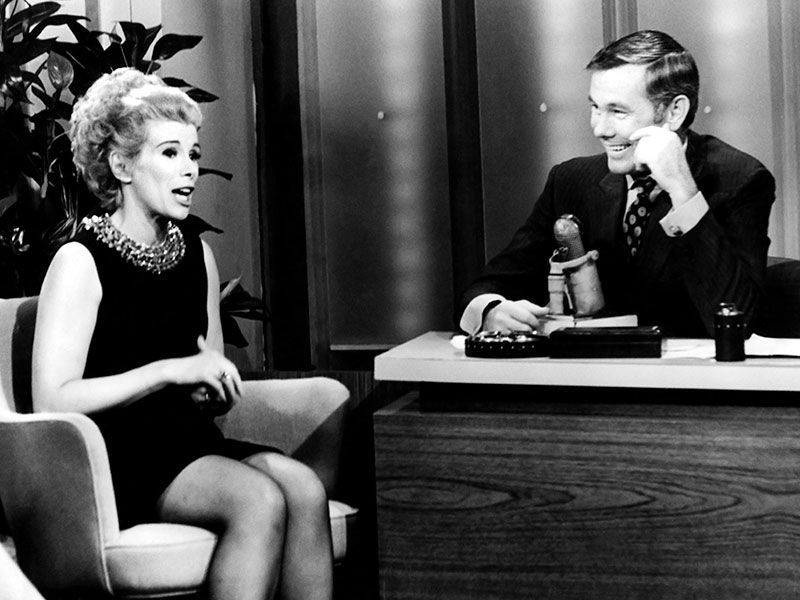
Press coverage rarely happened spontaneously, because studios preferred to choreograph every word that reached the public.
Stars were often given approved talking points, safe anecdotes, and carefully phrased answers that avoided controversy while keeping interest high.
Interviewers might be steered toward certain topics, while others were treated as off-limits, especially when they threatened the studio’s version of a performer’s life story.
This created a strange dynamic where fans felt they “knew” celebrities, yet were receiving a curated script rather than a real conversation.
For the performers, it could be exhausting to repeat the same charming lines across multiple outlets, knowing any deviation might cause panic.
Publicists valued predictability, because predictability was controllable.
The result was a glossy media machine that prioritized myth over truth, often leaving the actual person hidden behind rehearsed perfection.
10. No public political opinions (studios avoided controversy)
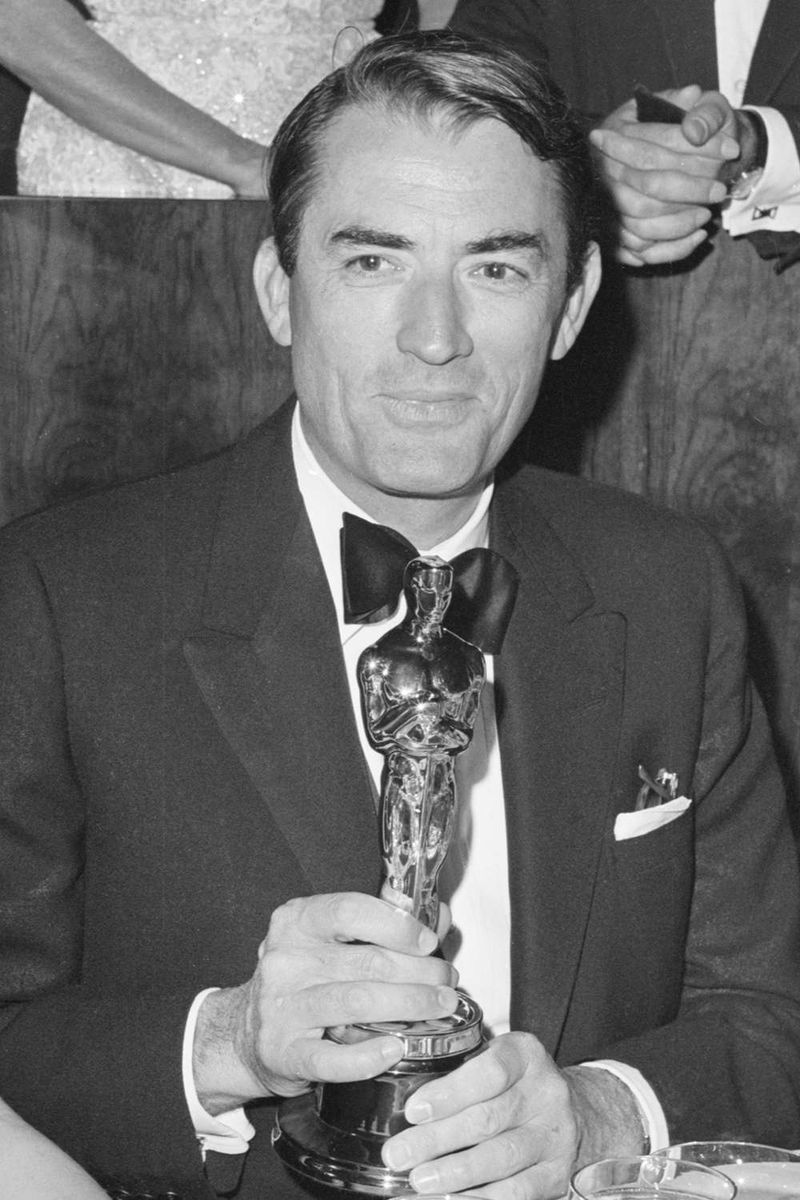
Keeping quiet about politics wasn’t always a personal choice, because studios often saw opinions as liability.
Executives worried that taking a stance could alienate audiences in different regions, trigger backlash from sponsors, or attract the wrong kind of press.
As a result, many performers were encouraged to stay neutral in public, even if they felt strongly about social issues.
In an era when careers could be fragile, speaking up wasn’t just risky; it could be devastating if it invited boycotts or negative headlines.
The rule also reinforced the idea that stars existed to entertain rather than participate in civic life, which is a convenient expectation when you want people to be visible but not influential.
Silence became part of the job description, and that silence often carried a price.
When your platform is powerful, being told not to use it can feel like its own kind of cage.
11. Closeted lives were managed with cover stories and strict secrecy
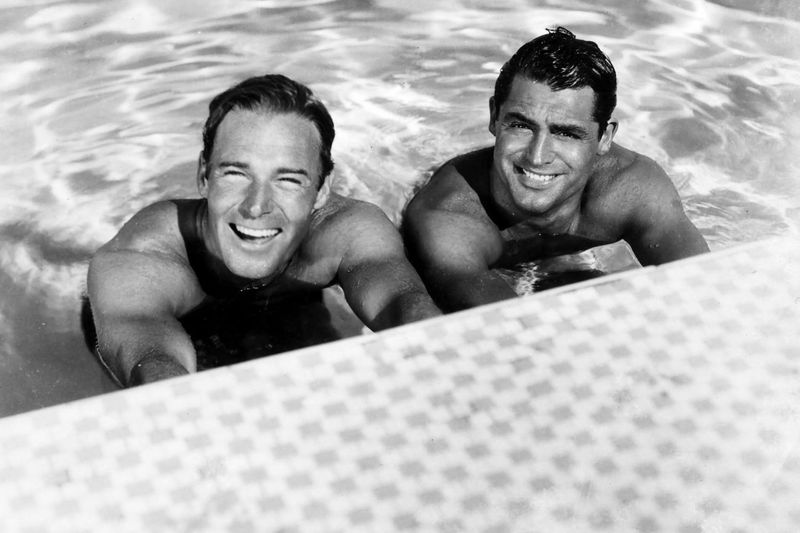
Personal identity could become a studio problem when it didn’t fit the era’s narrow public expectations.
Many performers were pressured to hide relationships and keep entire parts of their lives private, not because those lives were wrong, but because studios feared scandal and lost profits.
Publicists crafted cover stories, arranged “safe” dates, and carefully controlled appearances to maintain an image that matched what audiences were told to want.
Living under that level of secrecy could be emotionally exhausting, because it required constant vigilance in public and private spaces.
Even friendships could be scrutinized if they raised questions or suggested the “wrong” narrative.
The saddest part is that success often depended on erasing authenticity, which turned fame into a kind of performance that never ended.
When the public loves a version of you that isn’t real, it becomes hard to believe you’ll be loved for the truth.
12. Fixers cleaned up scandals (arrests, “indiscretions,” hush situations)
Hollywood didn’t just manage stories; it actively contained problems through behind-the-scenes specialists whose job was damage control.
Fixers handled everything from messy breakups and bar fights to more serious legal and personal crises, all with the goal of keeping headlines from hurting a star’s earning power.
Sometimes this meant paying for silence, arranging discreet medical care, or smoothing things over with law enforcement connections.
The public rarely saw the machinery, because the point was to make crises disappear before they gained momentum.
For stars, fixers could feel like both protection and surveillance, since accepting help often came with expectations of obedience afterward.
A scandal might be “solved,” but the performer could be left with lingering fear and a sense of indebtedness to the system.
When your mistakes are handled like business transactions, it becomes easier for the industry to prioritize profit over wellbeing.
13. You couldn’t refuse roles easily—the studio picked your projects

Creative freedom was limited when studios controlled contracts the way modern companies control long-term employment.
Performers under contract were often assigned roles based on studio needs, scheduling, and branding rather than personal interest.
Turning down a part could be treated like insubordination, especially if executives believed the actor owed loyalty for the opportunities provided.
This meant stars sometimes bounced between genres that didn’t suit them, or played repetitive characters that strengthened a “type” but weakened artistic range.
Even when an actor recognized that a role was damaging, refusing it could trigger punishment, suspension, or a reputation for being “difficult.”
The irony is that audiences assumed stars had glamorous choice, while many were working under a system that resembled strict corporate assignment.
When your career path is decided by someone else, you can become famous for a version of yourself you never intended to build.
14. Punishments like suspension (no work/no pay) kept stars in line
Discipline in the studio era could be swift, public, and financially brutal.
Suspension wasn’t just a slap on the wrist, because it often meant being barred from work while also losing pay, which created pressure to comply quickly.
Studios used this tactic to enforce obedience, whether the “offense” was refusing a role, missing a publicity event, or behaving in a way that threatened the brand.
The power imbalance was severe, since executives could pause a career while the public simply moved on to the next starlet or leading man.
Suspension also served as a warning to others, because Hollywood thrives on lessons delivered through rumor and example.
For performers, it could create constant anxiety, since stability depended on staying in good favor rather than delivering great work.
When your livelihood can be cut off at any time, fear becomes part of your daily routine.
15. Being “on call” constantly for reshoots, tests, promos, and publicity
Time didn’t fully belong to stars under contract, because studios expected them to be available whenever opportunity or urgency appeared.
Screen tests could pop up with little notice, reshoots might be scheduled suddenly, and publicity demands could override personal plans without apology.
Even rest wasn’t protected, since the machine moved quickly and executives didn’t want to lose momentum.
This created an exhausting lifestyle where boundaries were difficult to maintain, especially for performers who felt they had to say yes to everything to keep their careers alive.
On-call expectations also blurred the line between work and life, because personal events could be canceled for appearances that were framed as “part of the job.”
Over time, constant availability can erode health, relationships, and any sense of normal routine.
When your schedule belongs to someone else, freedom starts to feel like a luxury you can’t afford.
Comments
Loading…