
 Isabel Parker
If You Live Alone, These 10 Safety Tips Are Essential
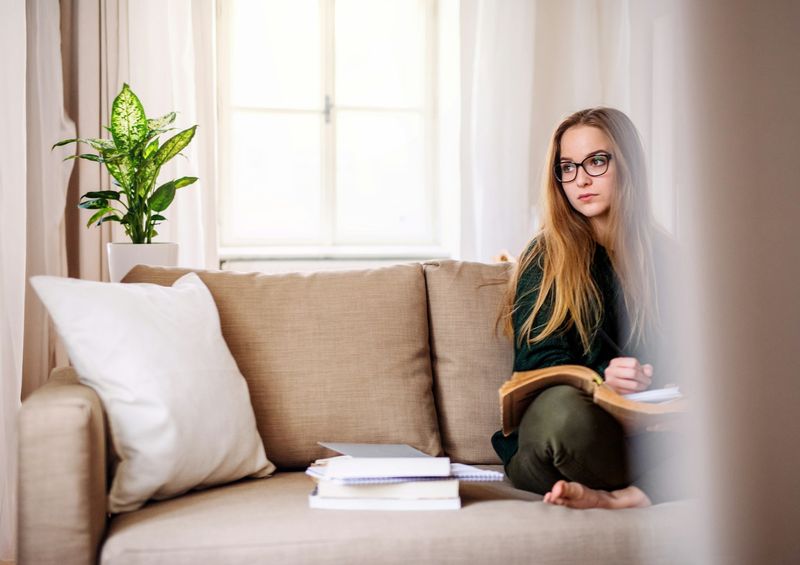
Living alone offers freedom and independence, but it also means being your own first line of defense when it comes to safety. Without roommates or family members around, you need to take extra precautions to protect yourself and your home.
Knowing the right safety strategies can help you feel secure and confident in your space. Here are ten essential tips every solo dweller should follow to stay safe and sound.
1. Secure All Entry Points
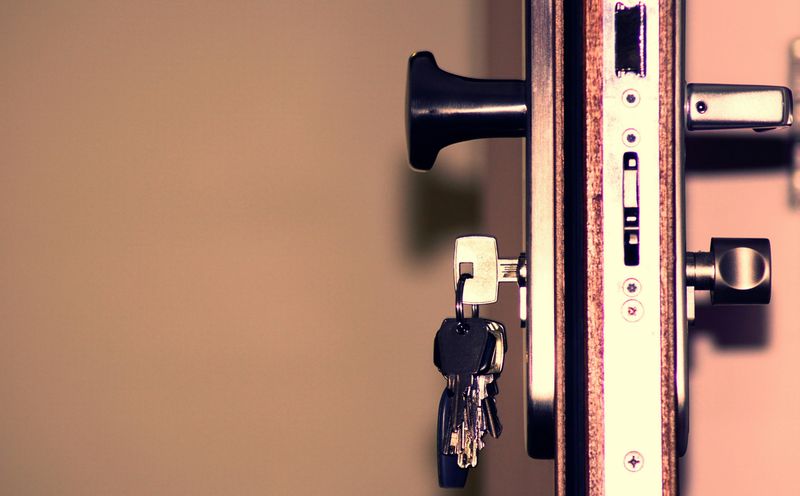
Strong locks make all the difference when you’re the only one home.
Deadbolts should be installed on every exterior door, and sliding doors need a security bar or dowel in the track to prevent forced entry.
Window locks matter just as much, especially on ground-level windows that could provide easy access.
Consider upgrading to smart locks that let you control access remotely and receive alerts when doors are opened.
Chain locks add an extra layer of protection when you’re answering the door.
Regular maintenance checks ensure all locks function properly and haven’t been tampered with.
2. Install a Video Doorbell

Seeing who’s at your door without opening it is a game-changer for solo residents.
Video doorbells let you communicate with visitors through your phone, even when you’re not home.
Many models record footage continuously or when motion is detected, creating a visual record of all activity near your entrance.
Night vision features ensure you can see clearly after dark.
Two-way audio allows you to speak with delivery drivers or unexpected guests without revealing you’re alone.
The mere presence of a visible camera often deters potential intruders from targeting your home.
3. Keep Emergency Contacts Handy

Having important numbers readily available could save precious minutes during an emergency.
Program your phone with local police, fire department, poison control, and trusted neighbors or friends who live nearby.
Write these numbers down and post them somewhere visible in case your phone dies or gets lost.
Share your address with a few trusted people who can send help if you’re unable to communicate clearly.
Medical information and emergency contacts should also be stored in your phone’s emergency settings.
Update this list regularly, especially if you move or change doctors.
4. Create the Illusion of Occupancy
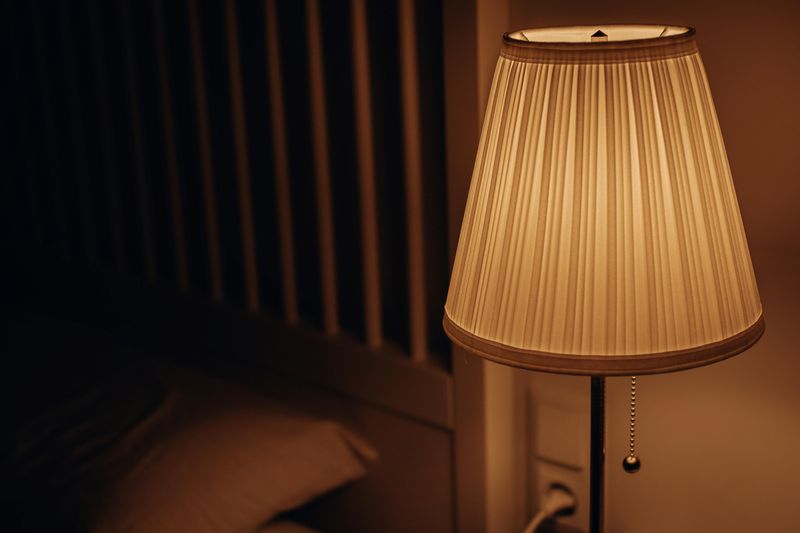
Burglars typically target homes that appear empty or vulnerable.
Timers on lamps and televisions make it look like someone’s home even when you’re away for extended periods.
Vary the schedule so lights don’t turn on and off at exactly the same time every day, which would look suspicious.
Ask a neighbor to collect mail and packages when you travel, or pause deliveries temporarily.
A pile of newspapers or packages signals an empty home.
Leave a car in the driveway if possible, or ask someone to park there occasionally while you’re gone.
5. Get to Know Your Neighbors
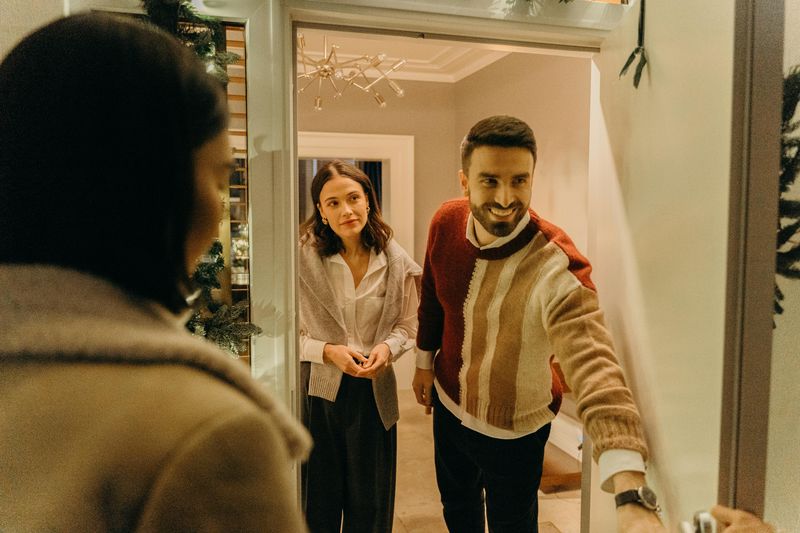
Building relationships with people nearby creates an informal neighborhood watch system.
Neighbors who recognize you and your routines are more likely to notice suspicious activity around your property.
Exchange phone numbers with at least two or three nearby residents you trust.
Mutual assistance agreements work well—you watch their place when they’re gone, and they do the same for you.
Friendly neighbors might also accept package deliveries or provide emergency help if needed.
Community connections make solo living significantly safer and less isolating.
6. Invest in a Security System
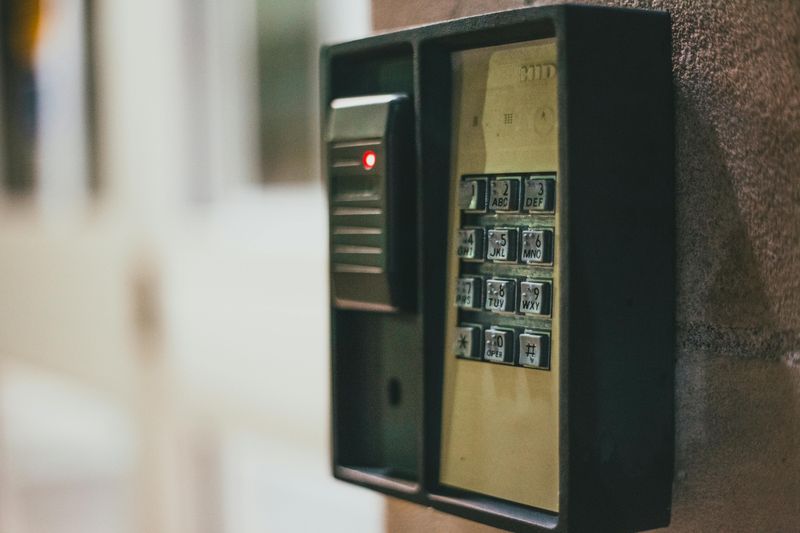
Modern security systems offer comprehensive protection that goes far beyond basic alarms.
Motion sensors, glass break detectors, and door/window sensors create multiple layers of defense throughout your home.
Professional monitoring services can dispatch emergency responders even if you’re unable to call for help yourself.
Many systems now integrate with smartphones, allowing you to arm, disarm, and monitor your home from anywhere.
Loud alarms scare off intruders while alerting neighbors to potential trouble.
Monthly monitoring fees are a small price for the peace of mind that comes with 24/7 professional protection.
7. Be Cautious on Social Media

Oversharing your whereabouts online can make you a target for criminals monitoring social platforms.
Posting vacation photos in real-time tells everyone your home is currently empty.
Wait until you return to share travel adventures, or at least adjust privacy settings so only trusted friends can see your posts.
Avoid mentioning that you live alone in public posts or profiles.
Geo-tagging features reveal your exact location and home address to potential stalkers or thieves.
Review your privacy settings regularly and be selective about who you accept as friends or followers online.
8. Keep Self-Defense Tools Accessible
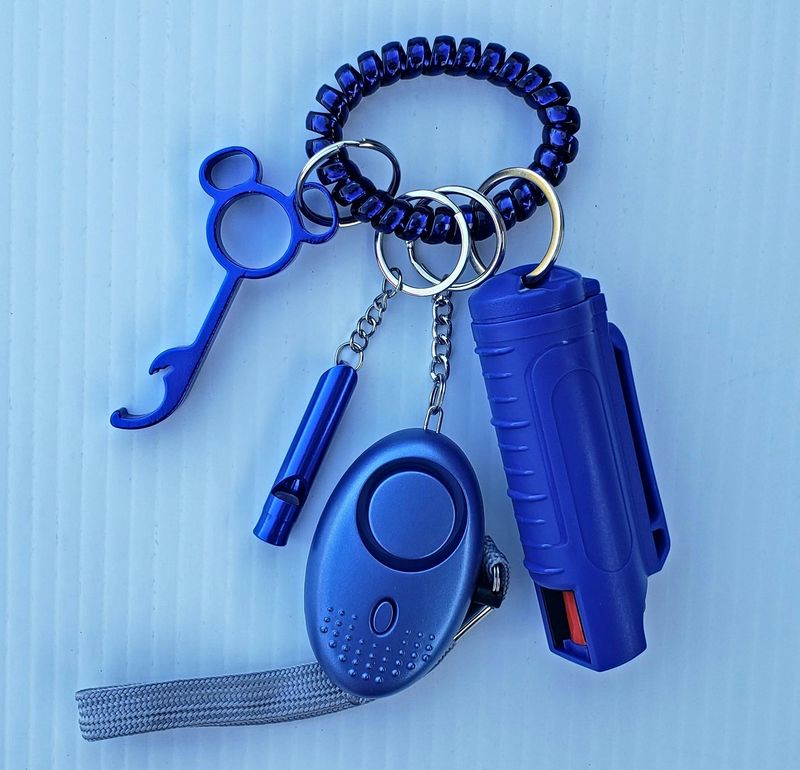
Personal safety devices provide confidence and protection when you’re home alone.
Pepper spray should be stored in easily accessible locations like your nightstand and near entry points.
Make sure you know how to use it properly before an emergency situation arises.
Personal alarms emit piercing sounds that can scare off attackers and alert neighbors to danger.
Some people keep baseball bats or other legal defensive items nearby for peace of mind.
Whatever tools you choose, practice using them and ensure they’re always within quick reach when needed.
9. Maintain Exterior Lighting

Well-lit exteriors discourage criminals who prefer working under cover of darkness.
Motion-activated floodlights near entrances, garages, and dark corners of your property startle intruders and make them visible to neighbors.
Solar-powered options eliminate electrical costs while providing reliable illumination.
Pathway lighting prevents trips and falls while making your property look occupied and well-maintained.
Replace burned-out bulbs promptly to avoid creating dark hiding spots.
Consider smart bulbs that you can control remotely or program to turn on automatically at sunset each evening.
10. Trust Your Instincts

Your gut feelings about people and situations often pick up on subtle warning signs your conscious mind misses.
If something feels off about a repair person, delivery driver, or stranger at your door, don’t ignore that sensation.
You’re never obligated to let anyone inside your home, regardless of their claimed purpose.
Verify identities before opening doors by calling the company directly using a number you look up yourself.
When walking to your door at night, have your keys ready and stay alert to your surroundings.
Living alone means relying on yourself, so honor those instinctive warnings that keep you safe.
Comments
Loading…