
 Hailey Watson
No matter how beloved a show is, the ending is the part that has to carry the full weight of everything that came before it.
Viewers invest years of time, emotion, and attention, so when a finale feels rushed, confusing, or wildly out of character, it can sour an entire series in one night.
Sometimes the backlash comes from loose plot threads, and sometimes it’s the tone, the moral, or the final twist that makes fans feel like the writers stopped listening to what the audience actually cared about.
The most controversial endings tend to have one thing in common: they leave people arguing, rewriting, and insisting the “real” ending exists somewhere else.
Here are eight finales that sparked that kind of lasting refusal.
1. Game of Thrones
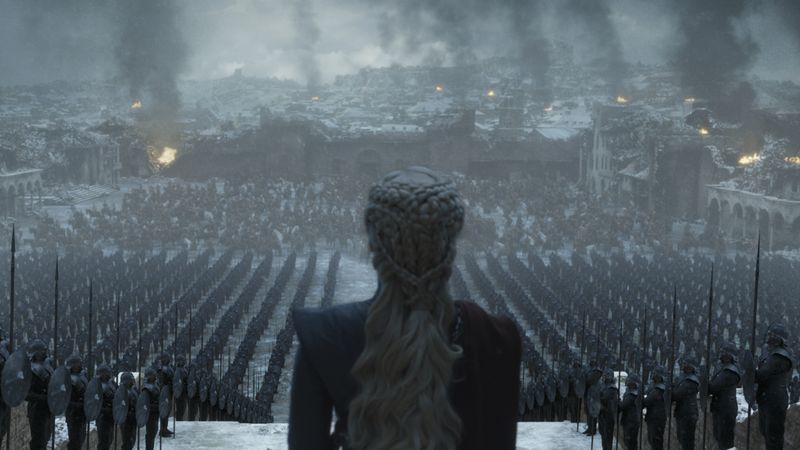
By the time the story reached its final stretch, many viewers were already bracing for a bittersweet conclusion, but they still expected it to feel earned and carefully built.
Instead, the last season struck people as hurried, with character decisions that seemed to leap past the emotional logic the show had spent years establishing.
The biggest frustration came from the sense that major arcs were wrapped up like checklist items, rather than consequences unfolding naturally from earlier choices.
Fans also struggled with how quickly the series moved from political complexity to blunt inevitability, especially when pivotal turns happened with minimal breathing room.
Even those who liked the broad outlines of the ending often wished the show had taken more time, because the pacing made huge moments feel oddly small.
2. How I Met Your Mother
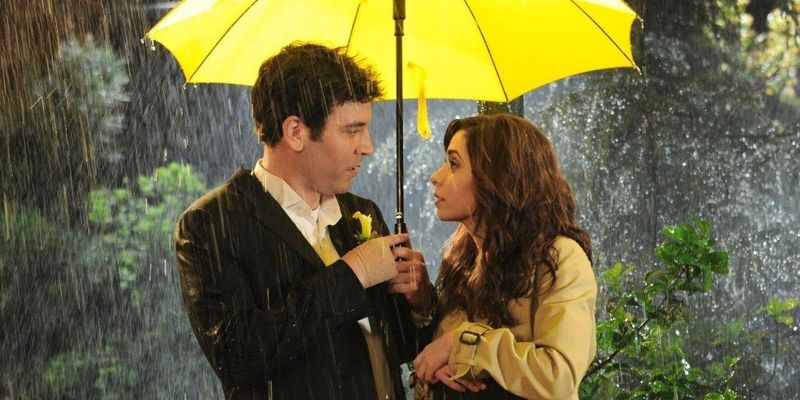
After nearly a decade of storytelling tricks and misdirection, audiences were prepared for the final reveal to be sentimental, surprising, and satisfying in a way that justified the long wait.
What many fans didn’t expect was a finale that felt like it was racing to undo the very growth it had spent seasons building, especially after dedicating an entire final season to a single relationship.
Viewers who stuck with the show through every detour wanted an ending that honored the emotional promise of the title, rather than pivoting back to an earlier idea that no longer fit the characters as they’d evolved.
The backlash wasn’t just about what happened, but about how it reframed the journey, making some people feel like their investment had been treated as a punchline.
3. Lost
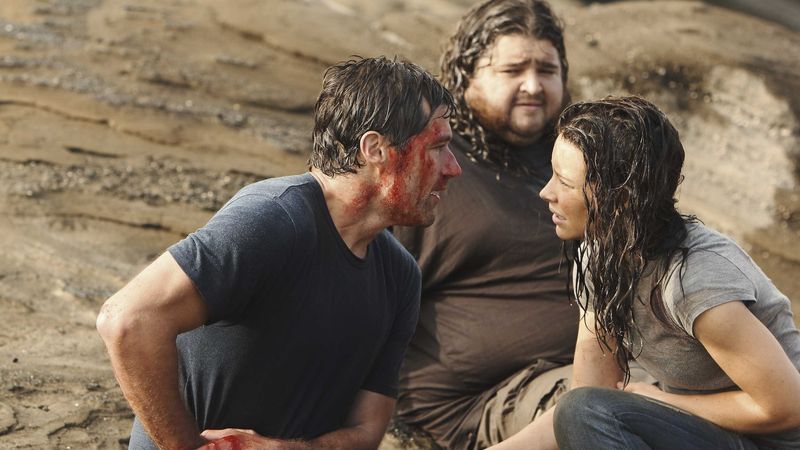
Long before the final episode aired, the series had trained its audience to look for patterns, clues, and answers hidden inside every symbol and side story.
Because of that, the finale faced an impossible challenge: it had to bring emotional closure while also satisfying viewers who wanted concrete explanations for the show’s strangest mysteries.
For some fans, the ending delivered a powerful sense of meaning and connection, emphasizing relationships over riddles and highlighting how deeply the characters mattered to each other.
For others, the shift felt like a dodge, as though the show had spent years setting up questions it no longer wanted to solve in a straightforward way.
The result was a lasting split where people still debate what the finale “really meant,” and why it didn’t land the same way for everyone.
4. Dexter

The final chapters tried to balance two competing ideas: letting the lead character face consequences while also preserving his strange, dark charisma that kept viewers watching.
That tension is exactly why the ending hit such a nerve, because many fans felt the show swerved toward a conclusion that was more frustrating than tragic, and more arbitrary than inevitable.
Instead of delivering a final reckoning that matched the series’ moral questions, the finale struck viewers as an attempt to avoid committing to a definitive statement about who Dexter truly was.
People wanted either a meaningful downfall or a hard-earned escape, but what they got felt like a narrative compromise that satisfied neither side.
Even years later, the show remains a go-to example of a finale that can retroactively weaken an entire run, simply because the destination didn’t match the journey.
5. The Sopranos
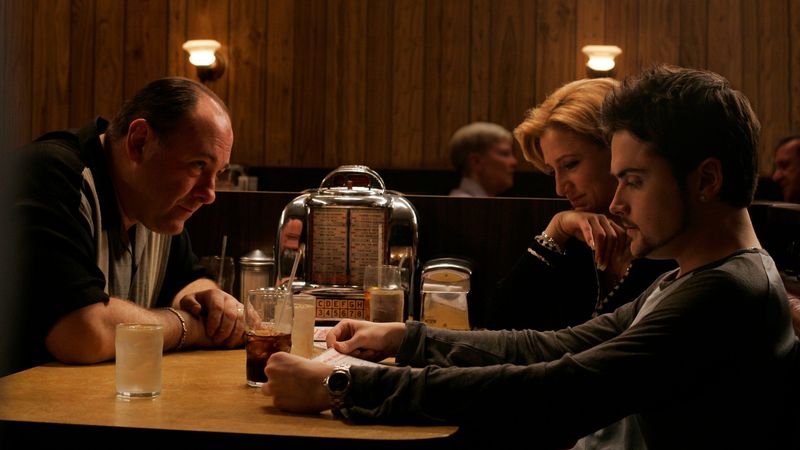
Few finales have generated as much conversation as the one that ends in a way that feels both perfectly intentional and completely maddening.
Rather than offering a tidy resolution, the last moment forces viewers into the same anxious uncertainty that hangs over the characters throughout the series, which is artistically bold but emotionally provocative.
Fans who loved the show’s realism and tension often appreciated that it refused to turn into a conventional crime-story wrap-up, because the series was never about neat morality or clean endings.
At the same time, plenty of viewers felt cheated because they wanted clarity after years of watching consequences pile up and danger close in.
The cut-to-black became a cultural event because it asked audiences to live with ambiguity, and a lot of people simply refused to accept that as a “real” ending.
6. Seinfeld
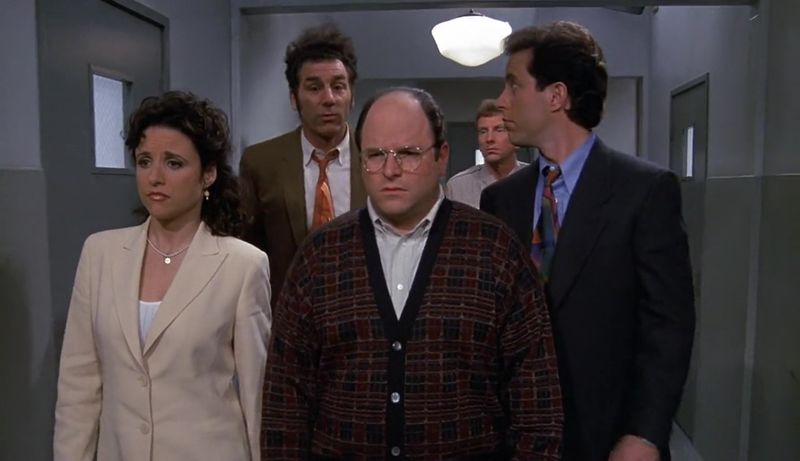
Comedy finales are tricky because audiences want to laugh, but they also want a sense that the final episode understands what made the series special.
The show’s ending leaned into a judgmental, retrospective setup that brought back familiar faces, but it also framed the main characters in a way that felt oddly preachy for a series famous for having no moral lessons.
Many fans weren’t upset because the characters “got what they deserved,” since the show had always been about selfishness and petty behavior, but because the finale didn’t feel like the same kind of joke the series usually told.
Instead of ending on something small, strange, and character-driven, it ended on a broad statement that some viewers thought missed the show’s comedic rhythm.
Over time, people have warmed to it, but plenty still insist the series deserved a smarter goodbye.
7. Killing Eve
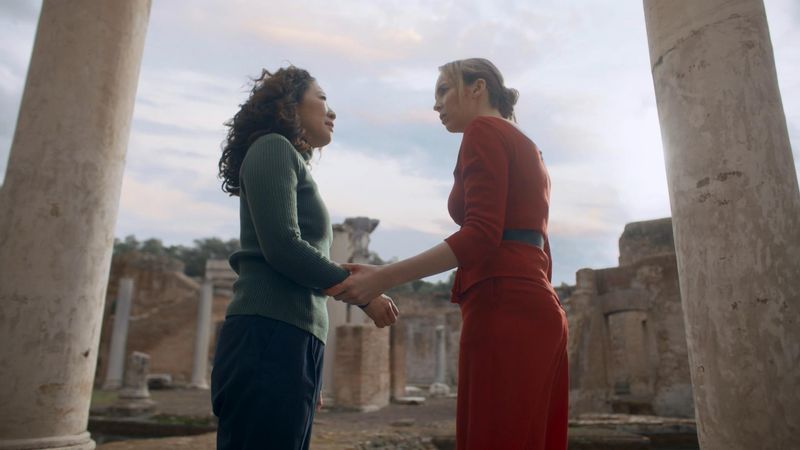
By the end, the series had built a tense, addictive push-and-pull that kept viewers hooked on the emotional stakes as much as the plot twists.
The final stretch, however, left many fans feeling like the show lost trust in its own core relationship, especially after seasons of carefully escalating obsession, humor, danger, and vulnerability.
Instead of delivering closure that felt shaped by the characters’ choices, the ending struck viewers as abrupt and tonally jarring, as though it prioritized shock over meaning.
People who loved the show weren’t necessarily asking for a fairy-tale resolution, but they wanted an ending that respected the complexity the series had spent years developing.
When that complexity collapses into a fast final move, fans often respond with denial, because it feels easier to imagine an alternate ending than to accept one that seems to undercut the entire point.
8. The 100
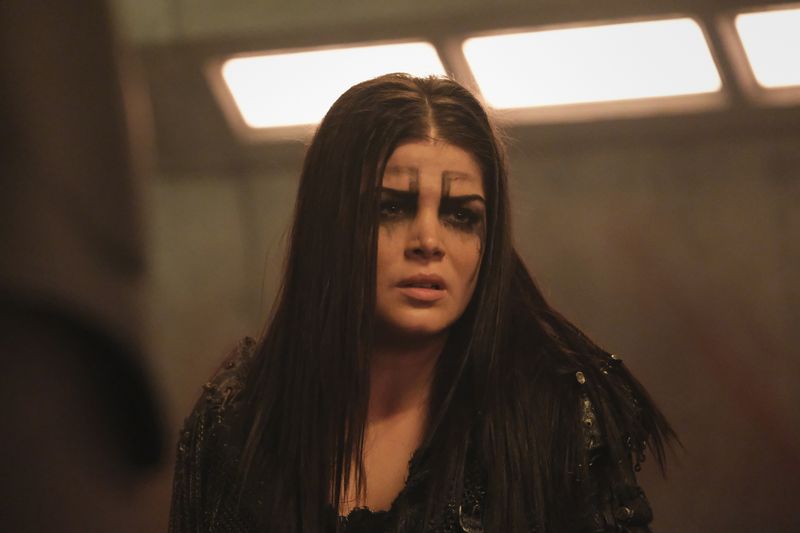
What started as a survival story evolved into a sprawling moral debate about leadership, sacrifice, and how far people will go to protect the ones they love.
With stakes that high, the finale needed to feel like a culmination of the show’s messy, complicated ethics, yet many viewers felt the final choices landed as emotionally punishing rather than thematically satisfying.
Fans were especially divided over how the ending treated certain characters and relationships, because it seemed to contradict the idea that growth and redemption mattered after so many brutal seasons.
The show had always made bold swings, but the ending struck some viewers as the kind of twist that asks the audience to accept a new set of rules at the last second.
When a series spends years insisting that choices have consequences, fans expect the conclusion to feel like the ultimate consequence, not a sudden genre switch.
Comments
Loading…