
 Harper Hall
14 Bandmates Who Hate Each Other’s Guts But Make Great Music Together
Some bands make it look effortless: a few talented people, one shared vision, and years of hit songs that sound like pure harmony.
Behind the scenes, though, plenty of iconic groups were held together with little more than deadlines, contracts, and sheer stubborn professionalism.
Creative partnerships can be intense even when everyone gets along, and when egos, money, addiction, fame, or old personal wounds enter the picture, the tension can turn toxic fast.
The wild part is how often the music still comes out brilliant, almost as if the friction itself adds fuel to the fire.
Below are famous examples of bandmate dynamics that reportedly swung from frosty to explosive, sometimes for decades.
In some cases, the members managed to reunite, share stages, or at least coexist long enough to tour.
In other cases, the bad blood became the story, eclipsing the songs and leaving fans stuck choosing sides.
Either way, these feuds prove one thing: a band can be a job, a marriage, and a pressure cooker all at once.
1. Liam Gallagher vs. Noel Gallagher

Sibling rivalries rarely stay small when the whole world is watching, and this one became almost as famous as the band’s anthems.
The Gallagher brothers’ relationship was reportedly defined by constant sniping, clashing personalities, and a tug-of-war over creative control that never really cooled off for long.
One brother leaned into chaos and swagger, while the other guarded the songwriting and direction like it was a fortress, which meant every disagreement came with career-sized consequences.
Over time, interviews, onstage moments, and tabloid headlines painted a picture of two people who could barely be in the same room without a spark.
Even when the music clicked, the partnership seemed to run on fumes, until the tension finally boiled over into a breakup that fans still debate as if it happened yesterday.
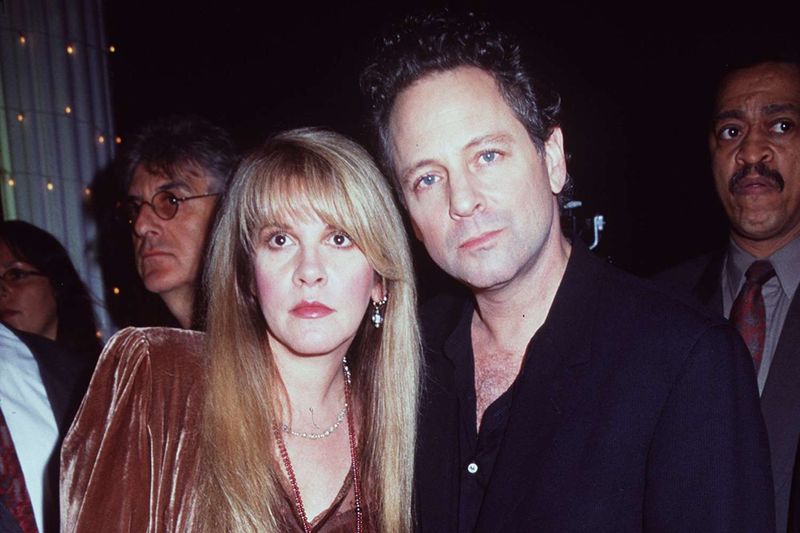
2. Lindsey Buckingham vs. Stevie Nicks
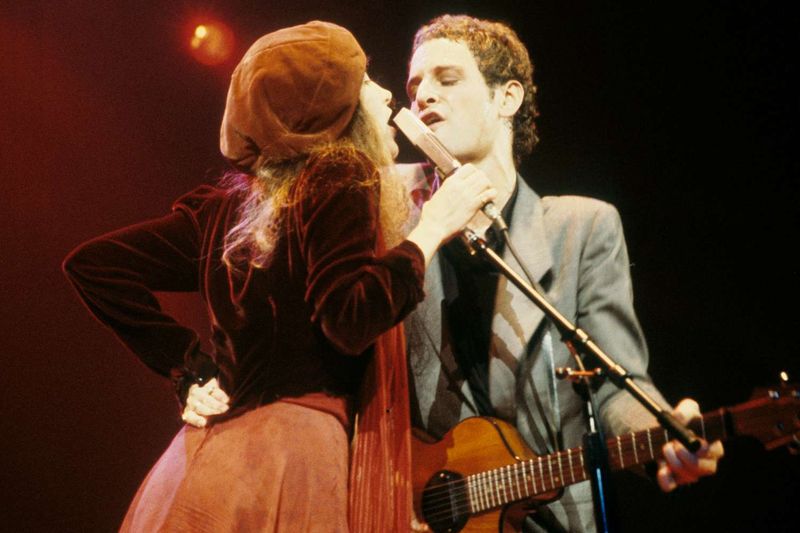
Long before the phrase “it’s complicated” became a cliché, this duo embodied it in a way that played out in public and in song.
A romantic relationship turned professional partnership can be hard enough, but adding touring, fame, and band politics makes everything more volatile.
Their split didn’t stop them from writing and performing together, yet it also didn’t erase the emotional landmines that reportedly followed them from studio to stage.
The band’s classic era is often described as lightning in a bottle, and part of that electricity came from unresolved feelings that never stayed neatly private.
Fans have watched performances where the tension feels almost visible, like two people acting polite while still fighting an old battle.
The result was music that sounded intensely personal, even when everyone tried to pretend it wasn’t.
3. John Lennon vs. Paul McCartney
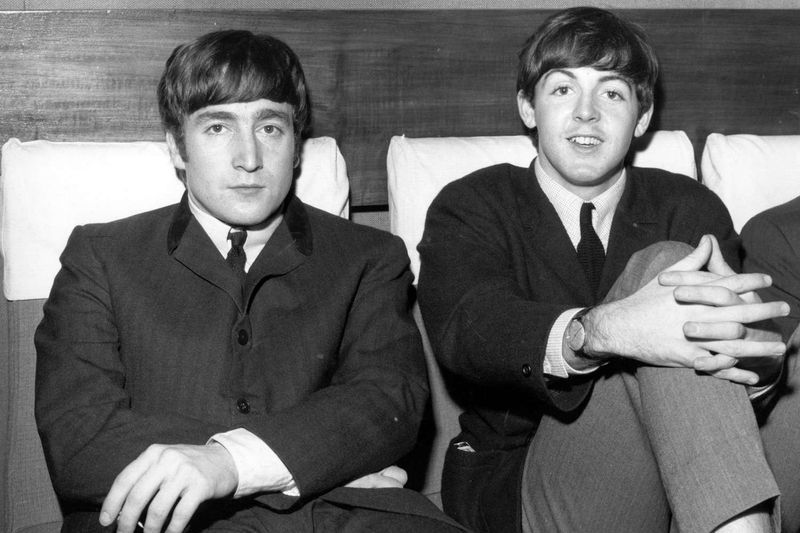
Few partnerships shaped modern pop like this one, which is exactly why the fallout still fascinates people decades later.
Their creative push-and-pull helped produce song after song that changed what bands could be, but the same intensity also meant disagreements were rarely casual.
As the group evolved, their goals and personal lives reportedly pulled them in different directions, turning collaboration into competition and friendship into a complicated mix of admiration and resentment.
Business decisions, management conflicts, and the pressure of being “the biggest band on earth” didn’t help, especially once everyone started protecting their own corner of the legacy.
After the split, comments in interviews and lyrics were interpreted as not-so-subtle shots, keeping the narrative alive.
Even so, the story isn’t just hate; it’s also the tragedy of two people who understood each other musically better than almost anyone else ever could.
4. Roger Waters vs. David Gilmour
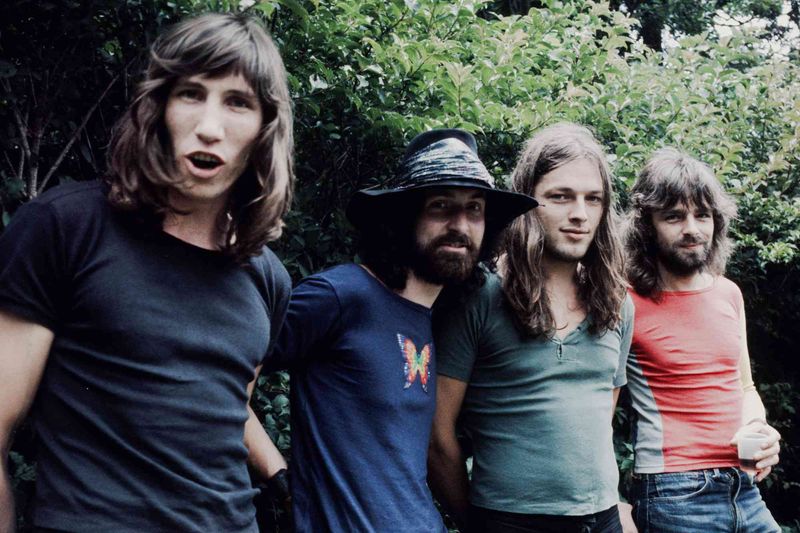
Creative control can be a slow-burning conflict, especially when a band’s identity becomes tied to one person’s vision.
Over the years, this feud has been described as a battle between a dominant conceptual storyteller and a guitarist whose musical voice helped define the sound, with both sides believing they were protecting what made the group great.
The tension reportedly escalated as albums became more politically and personally driven, and as decisions about leadership, credits, and direction stopped being negotiable.
Eventually, the conflict spilled into public statements and legal disputes, leaving fans watching two former collaborators argue over what “Pink Floyd” even meant.
What makes it especially striking is how much each contributed to the classic era, which makes the division feel like a masterpiece cut in half.
The music remains monumental, but the bitterness around ownership and recognition has often sounded just as loud.
5. Sting vs. Stewart Copeland
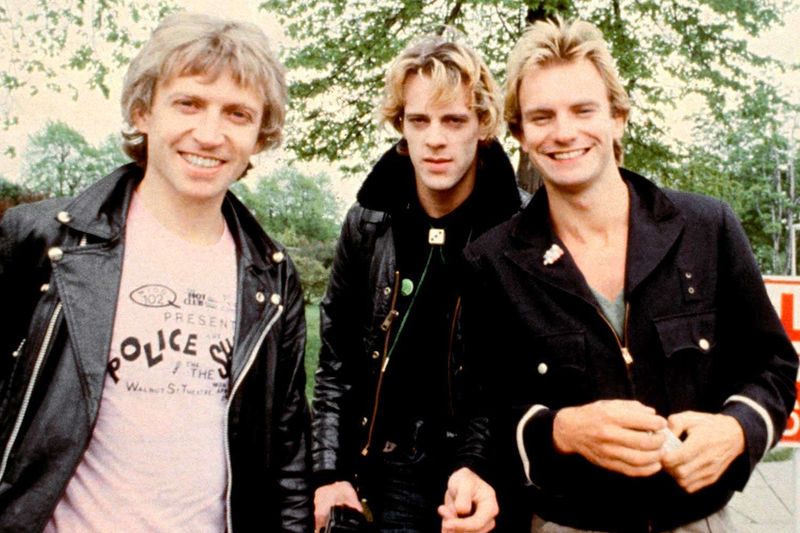
Some bands feel like a tight unit, and others feel like three separate engines running at different speeds.
This one often gets described as the second kind, with a frontman who wanted precision and polish and a drummer who thrived on friction, speed, and unpredictability.
As the band’s success grew, so did the stakes, and reportedly so did the arguments over songwriting credit, authority, and how much power one member should have.
Their chemistry on record was undeniable, yet interviews and later reflections have frequently suggested that working together involved constant negotiation and bruised egos.
The dynamic could be brilliant when it clicked, but exhausting when it didn’t, especially under the pressure of touring and relentless expectations.
When the group eventually stepped away, plenty of fans framed it as inevitable, because it’s hard to keep a band going when the internal rhythm section is also a source of constant conflict.
6. Axl Rose vs. Slash
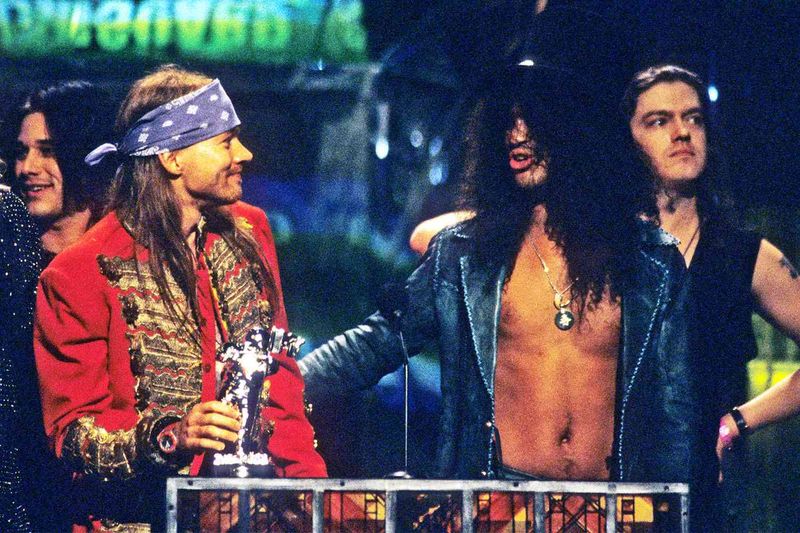
Rock history is full of disagreements, but this split became a symbol of what happens when charisma and control collide with creative independence.
The band’s peak years were fueled by a dangerous, unpredictable energy, yet that same volatility reportedly made decision-making a nightmare.
Over time, the relationship between the singer and the guitarist turned into a long-running saga involving public comments, disputes over the band name, and conflicting visions of what the group should be.
One side was often seen as guarding the brand and demanding strict standards, while the other wanted freedom, collaboration, and a more traditional band structure.
Fans watched the story unfold through lineup changes and years of distance, which only amplified the myth.
When reunion performances eventually happened, the moment felt huge precisely because people had spent so long assuming it would never be possible, given how personal the bitterness seemed.
7. David Lee Roth vs. Eddie Van Halen
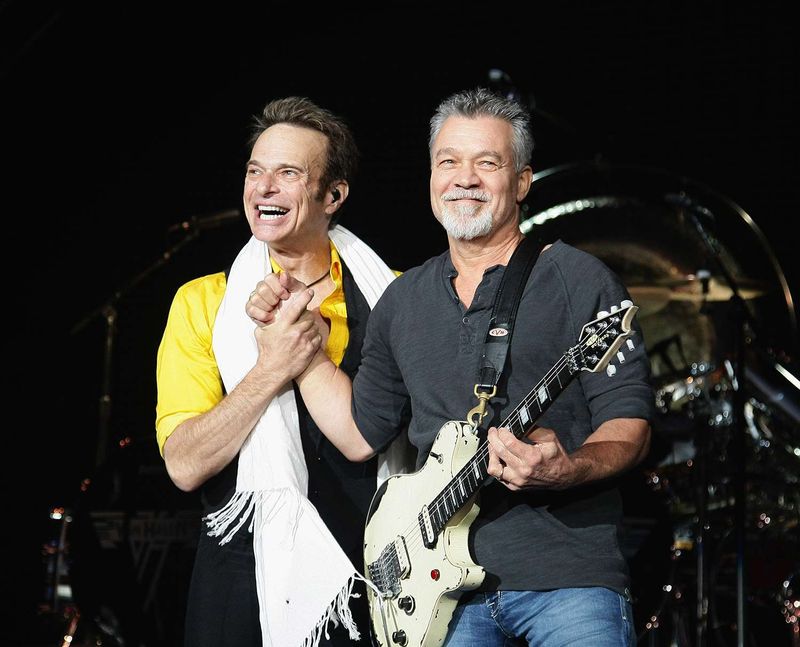
When a band has both a once-in-a-generation guitarist and a larger-than-life frontman, the partnership can either become unstoppable or implode under its own force.
Their dynamic was famously theatrical: dazzling musicianship on one side and swaggering showmanship on the other, with both elements essential to the band’s identity.
The conflict reportedly came from clashing priorities, since one member pushed for bigger spectacle and star power while the other cared deeply about musicianship and control in the studio.
As success piled up, the disagreements over direction and credit became harder to ignore, and the band’s internal balance started to shift.
The split and later reunions created different eras that fans still argue about, almost like separate franchises.
What keeps this feud compelling is that neither side seemed “optional,” which meant that any time they weren’t aligned, the whole machine threatened to break down.
8. Morrissey vs. Johnny Marr

A band can fall apart even without loud public brawls, especially when the creative relationship becomes a tug-of-war over identity.
This duo’s partnership was often framed as the meeting of sharp, melodic guitar craft and a singer whose persona, lyrics, and opinions dominated the spotlight.
Over time, the working relationship reportedly became strained by questions of creative control, communication, and the emotional toll of being in such an intense, closely watched collaboration.
When the group ended, the split felt permanent, not because the music wasn’t revered, but because the personal relationship appeared too damaged to repair.
Years later, the idea of a reunion became a recurring headline, yet the answers stayed complicated, and the distance between them became part of the mythology.
Fans still mourn what might have been, while also recognizing that the band’s brilliance may have depended on a balance that couldn’t last.
9. Ray Davies vs. Dave Davies
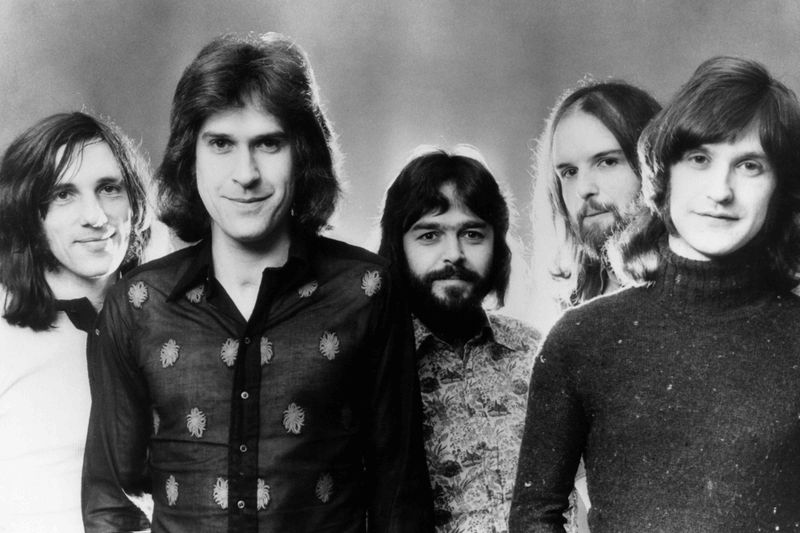
If you think sibling tension is rare in rock, this band is proof that family dynamics can be both fuel and fire.
The Davies brothers’ relationship has long been described as volatile, swinging between creative closeness and outright hostility that made rehearsals, recording, and touring feel like constant risk.
With one brother often positioned as the principal songwriter and the other bringing his own fierce personality and musical contributions, the power balance was never simple.
Their clashes reportedly included arguments over control, recognition, and what the band should sound like, with resentment building each time one voice overshadowed the other.
Even when the music thrived, the internal conflict seemed to lurk right under the surface, ready to explode over something small.
The legacy is fascinating because the songs are so sharp and cohesive, yet the personal story behind them suggests a band operating on the edge of collapse more often than fans realized.
10. Glenn Frey vs. Don Felder
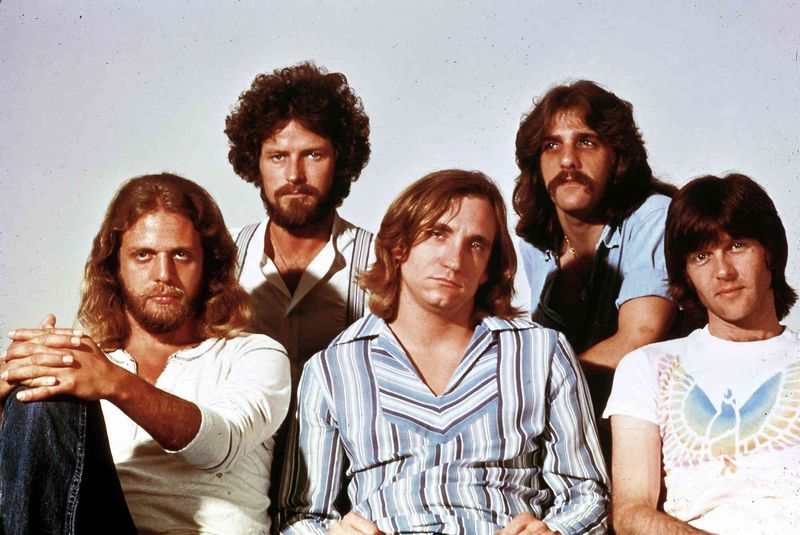
A band known for polished harmonies and smooth California-rock vibes had one of the messiest internal rifts in classic rock lore.
The tension reportedly escalated as success brought bigger money, bigger egos, and sharper arguments about songwriting credit and decision-making power.
Conflict between these two members became the lightning rod for wider issues in the group, especially as frustrations piled up from touring and the pressure to keep delivering hits.
Fans have often cited infamous onstage moments as proof that the band’s calm exterior hid a brewing storm.
After the breakup, the feud didn’t just fade away; it lingered through lawsuits, interviews, and competing narratives about who deserved what.
The irony is that the band’s sound was all about effortless cool, yet the behind-the-scenes reality seemed closer to a corporate boardroom fight than a carefree jam session, which makes the whole story feel even sharper in hindsight.
11. Brian Wilson vs. Mike Love
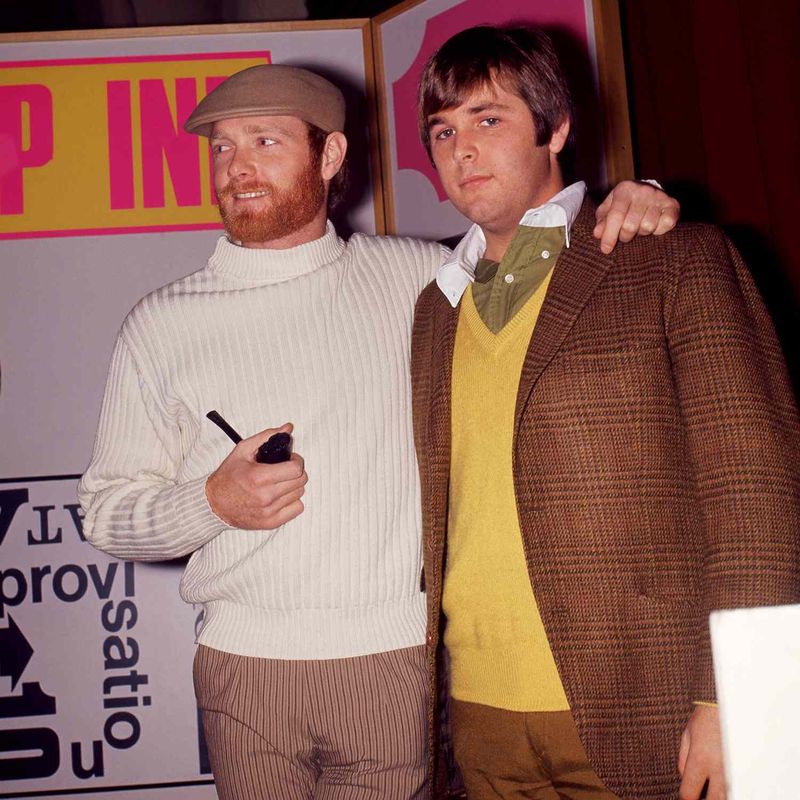
A band built on sunny melodies and beach imagery hid a serious struggle over leadership and legacy.
The creative center of the group was often associated with one member’s groundbreaking studio ambition, while another became known for guarding the band’s public identity and pushing for consistency that fans recognized.
That split reportedly created long-term tension, especially as the band’s direction shifted between artistic experimentation and more accessible, touring-friendly material.
Over the years, disagreements about credit, decision-making, and how to present the band to the world have been described as deep and personal, not merely professional squabbles.
The story also carries a layer of sadness, because mental health and pressure played major roles in shaping the group’s arc, which made internal conflict even harder to resolve.
What remains is a catalog that defines an era, paired with a behind-the-scenes history that feels like a cautionary tale about what fame can do to family-like bonds.
12. Roger Daltrey vs. Pete Townshend
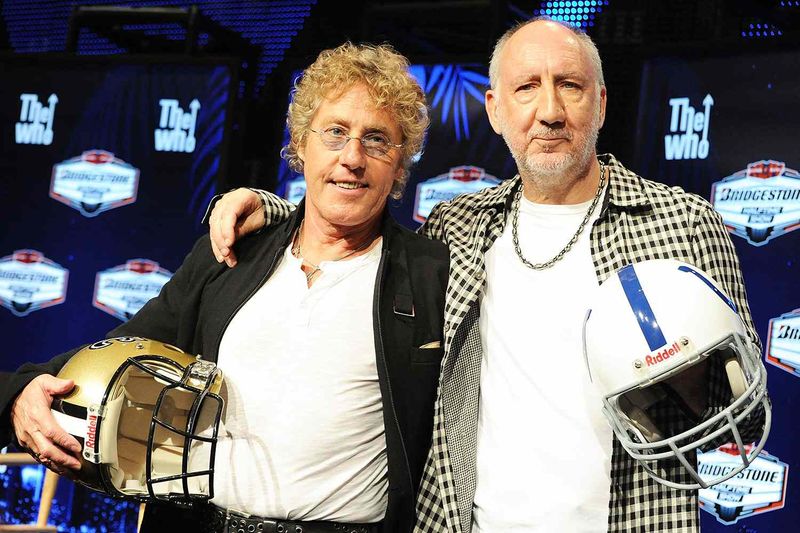
When a band’s sound is powered by both a force-of-nature vocalist and a songwriter with a grand vision, disagreements can become structural.
Their relationship has often been described as a battle between performance instincts and conceptual ambition, with both sides believing they understood what the band should represent.
As the years went on, the conflict reportedly surfaced in arguments about leadership, touring choices, and how to handle the weight of the band’s legacy.
Grief, aging, and the pressure to honor the past added even more complexity, because nostalgia can turn creative decisions into emotional minefields.
What fascinates fans is that the tension never fully erased the respect, even when it became obvious that patience was wearing thin.
The band’s music often carried themes of identity, rebellion, and contradiction, and it’s hard not to notice how those themes echoed in the relationship between the two people steering the ship.
13. Lauryn Hill vs. Wyclef Jean
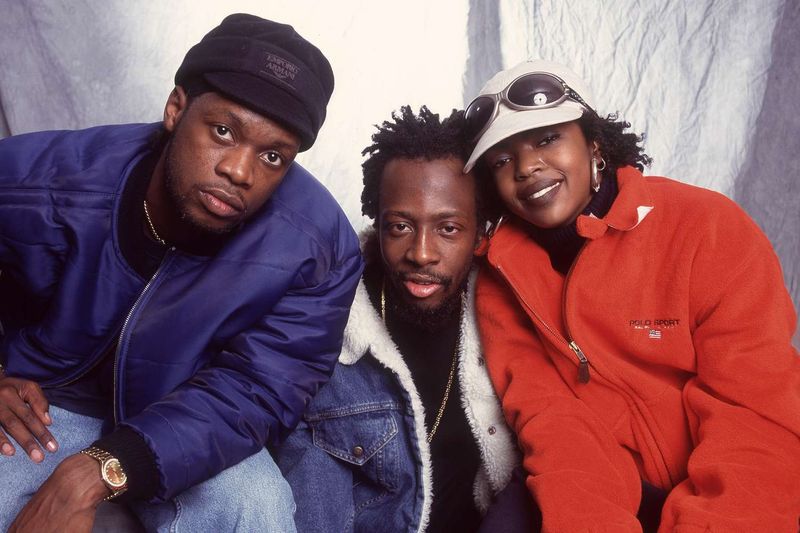
Few groups burned so brightly and so briefly, which is part of why the tension remains so captivating.
Their collaboration blended sharp lyricism, cultural impact, and a sense of purpose that made the music feel larger than the charts.
But the relationships inside the group were reportedly complicated, with personal history and emotional entanglements making professional teamwork fragile.
As fame arrived, the pressure to define leadership and direction only intensified, and the idea of “who gets credit” became more than a business question.
Reunion rumors have surfaced repeatedly over the years, often followed by uncertainty or cancellation, which keeps the narrative stuck in an endless loop of hope and disappointment.
The tragedy is that the chemistry was real, yet the interpersonal dynamics appeared too messy to sustain a long-term run.
Fans still treat any hint of a return as a major cultural moment, because the original run felt like a once-in-a-lifetime alignment that ended before it could stabilize.
14. Billy Corgan vs. Basically Everyone

Some bands develop a reputation for conflict so strong that it becomes part of the mythology, and this group is often described in exactly those terms.
The creative force at the center was known for ambitious vision and intense standards, which can produce extraordinary albums but also create an environment where collaborators feel pressured, criticized, or replaceable.
Over time, the relationships within the band reportedly fractured through a mix of personality clashes, communication breakdowns, and disagreements about direction, with certain members becoming symbolic of the broader tension.
The story is also tangled up in the realities of the era, including addiction, touring stress, and the emotional whiplash of sudden fame.
Even when reunions or partial reunions occurred, the relationships didn’t necessarily return to a warm, unified place, because old wounds have a way of reopening under the spotlight.
Fans often debate which lineup was “the real band,” yet the truth seems messier: the music was often built from conflict, and the cost of that fuel was the stability of the people making it.
Comments
Loading…