
 Isabel Parker
11 Cultural Messages Women Internalize Early

From the moment girls are born, society begins shaping how they see themselves and their place in the world. These unspoken rules and expectations are often so subtle that they become part of a young woman’s inner voice without her even realizing it.
Understanding these cultural messages is the first step toward recognizing which beliefs truly serve us and which ones we might want to challenge. When we bring these hidden messages into the light, we can choose which values to keep and which to leave behind.
1. Your Appearance Defines Your Worth
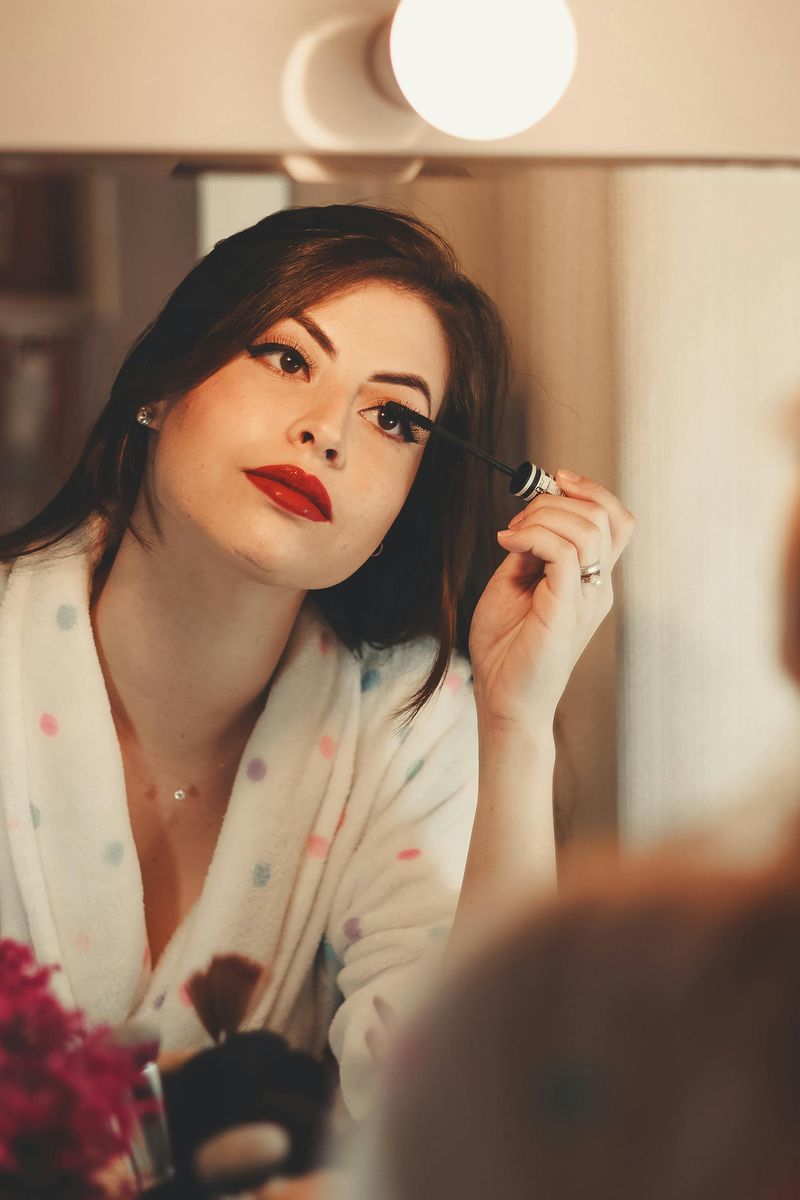
Girls often hear compliments about their looks before anything else.
Adults frequently comment on dresses, hairstyles, or how pretty a young girl appears, while boys receive praise for their strength or cleverness.
Over time, this constant focus teaches girls that physical beauty matters most.
Media reinforces this message through magazines, movies, and social platforms that showcase impossible beauty standards.
Young women begin measuring their value by how closely they match these idealized images.
Self-esteem becomes tangled with mirror reflections rather than inner qualities.
Breaking free means celebrating accomplishments, intelligence, kindness, and creativity as equally important.
Beauty can be enjoyed without making it the foundation of self-worth.
2. Being Nice Matters More Than Being Honest

Politeness gets drilled into girls from an early age with reminders to smile, share, and never hurt anyone’s feelings.
While kindness is valuable, this message often crosses into silencing genuine emotions.
Girls learn that expressing anger, disagreement, or setting boundaries makes them difficult or mean.
This conditioning creates adults who struggle to say no or advocate for themselves.
Women often apologize excessively, even when they’ve done nothing wrong.
Authentic communication gets sacrificed to maintain a pleasant facade.
True kindness includes honesty and respecting your own needs alongside others.
Speaking up doesn’t make someone unkind; it makes them real and trustworthy in their relationships.
3. Take Up Less Space

Watch how girls sit compared to boys, and you’ll notice a pattern.
Girls cross their legs, tuck their arms in, and make themselves physically smaller.
Meanwhile, boys spread out comfortably, claiming armrests and legroom without hesitation.
This physical shrinking mirrors emotional and social expectations.
Women learn to minimize their presence, lower their voices, and avoid drawing too much attention.
Ambition gets softened with qualifiers, and achievements are downplayed to avoid seeming boastful.
Reclaiming space means sitting comfortably, speaking at full volume, and owning accomplishments without apology.
Your presence deserves room, both physically and in conversations that matter to you.
4. Your Emotions Are Too Much

Passionate girls often hear they’re being dramatic, overreacting, or too sensitive.
Tears get dismissed as manipulation, and anger becomes labeled as hysteria.
Boys expressing similar emotions are just being boys, but girls face criticism for the same intensity.
This message teaches women to distrust their own feelings and instincts.
They second-guess legitimate reactions and apologize for natural emotional responses.
Important concerns get minimized because they fear being seen as irrational.
Emotions provide valuable information about our experiences and boundaries.
Feeling deeply is a strength, not a weakness, and deserves validation rather than shame or dismissal from others.
5. Compete With Other Women

Popular culture loves pitting women against each other, from reality shows to romantic comedies where women battle over men.
Girls learn early that other females are competition rather than potential allies.
Jealousy gets normalized while genuine friendships between women are portrayed as rare.
This manufactured rivalry keeps women divided and focused on each other instead of systemic issues.
Comparing yourself to other women becomes automatic, measuring success by who has better relationships, careers, or appearances.
Female friendships offer incredible support, understanding, and strength when we reject the competition narrative.
Celebrating other women’s successes doesn’t diminish your own worth or potential for achievement.
6. Prioritize Everyone Else’s Needs

Little girls receive toy kitchens, baby dolls, and nurse kits that teach caretaking as their primary role.
While nurturing is wonderful, girls rarely receive equal encouragement to prioritize their own dreams and ambitions.
Self-sacrifice becomes synonymous with being a good woman.
Adult women often exhaust themselves caring for everyone around them while neglecting personal health, goals, and happiness.
Guilt surfaces whenever they choose themselves, as though their needs matter less than others’ wants.
Sustainable caregiving requires self-care as a foundation, not an afterthought.
Putting yourself first sometimes doesn’t make you selfish; it makes you healthy and capable of genuine generosity.
7. Your Safety Is Your Responsibility

From childhood, girls hear warnings about their clothing, behavior, and choices in ways boys rarely experience.
Don’t walk alone at night, don’t dress provocatively, don’t drink too much, watch your surroundings constantly.
The underlying message places responsibility for male behavior on female vigilance.
Women develop hyperawareness and modify their lives around potential threats.
They carry keys between fingers, avoid certain routes, and feel guilty if something happens despite precautions.
This burden shouldn’t rest on their shoulders alone.
Real safety requires holding perpetrators accountable rather than restricting women’s freedom.
While staying aware makes sense, the responsibility for respectful behavior belongs to those who might cause harm.
8. Ambition Makes You Unfeminine

Career-driven women face labels like bossy, aggressive, or cold that men rarely encounter for identical behaviors.
Leadership qualities get praised in boys but criticized in girls who demonstrate the same traits.
Success stories often emphasize how women balance everything rather than celebrating professional achievements alone.
This double standard makes women downplay goals or apologize for wanting more.
They soften requests, qualify statements, and work twice as hard to avoid seeming too assertive or threatening.
Ambition is gender-neutral and deserves equal celebration regardless of who possesses it.
Wanting success, recognition, and advancement reflects healthy self-confidence, not a personality flaw that needs correction.
9. Marriage and Motherhood Are Your Ultimate Goals

Fairy tales end with weddings, and girls grow up surrounded by messages that romantic partnership and children represent the pinnacle of female achievement.
Questions about boyfriends, future husbands, and baby plans start young and continue relentlessly throughout adulthood.
Women who choose different paths face constant questions about their decisions, as though their lives lack completion without these traditional milestones.
Career accomplishments get overshadowed by relationship status discussions.
Fulfillment looks different for everyone, and there’s no single path to a meaningful life.
Whether someone chooses marriage, motherhood, both, or neither, their choices deserve respect and validation without judgment.
10. Perfection Is Achievable and Expected

Girls face pressure to excel academically while maintaining perfect appearance, social relationships, extracurricular activities, and family responsibilities.
Unlike boys, who receive more tolerance for messiness and mistakes, girls encounter criticism for any perceived shortcoming.
This impossible standard creates chronic stress and feelings of inadequacy.
Women become harsh self-critics, focusing on flaws rather than celebrating strengths.
They hesitate to try new things where they might not immediately excel.
Perfectionism paralyzes growth and steals joy from experiences.
Embracing imperfection as part of being human allows for learning, creativity, and authentic connections with others who appreciate real people.
11. Your Body Isn’t Really Yours
Girls receive conflicting messages about their bodies from every direction.
Cover up because your shoulders distract boys, but also look attractive and appealing.
Dress codes target female students disproportionately, teaching them that male comfort matters more than their autonomy.
Commentary about weight, development, and appearance becomes normalized as public property for discussion.
Strangers feel entitled to touch pregnant bellies, comment on food choices, or offer unsolicited opinions about physical changes.
Bodily autonomy means making choices about your own body without requiring approval or permission from others.
Your body belongs to you alone, and you decide what feels right regardless of external expectations.
Comments
Loading…