
 Isabel Parker
17 Actors Who Refused to Kiss Their Co-Stars On Screen
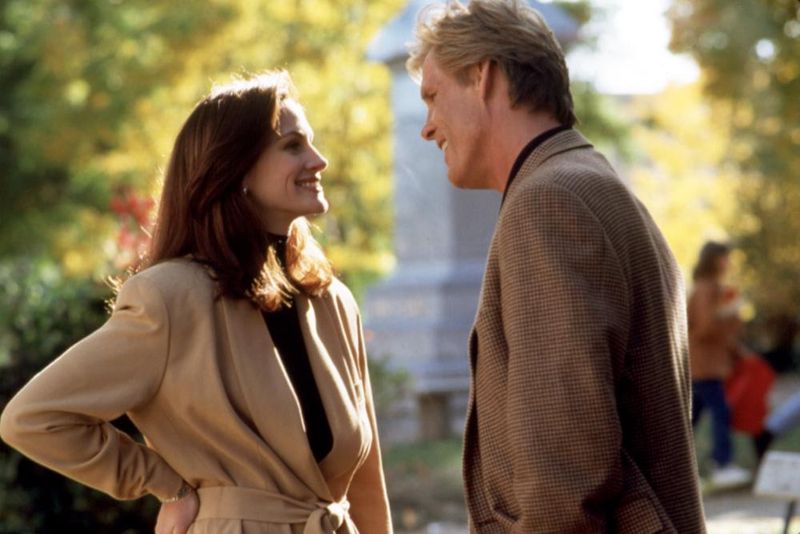
Not every on-screen romance is as effortless as it looks.
Over the years, several actors have refused to kiss their co-stars for personal, professional, or even religious reasons — forcing directors to rewrite scenes, use camera tricks, or rethink entire storylines.
From behind-the-scenes tensions and strict relationship boundaries to discomfort with certain scenes, these surprising Hollywood moments reveal the real-life complications hidden behind movie and TV romance.
1. Neal McDonough
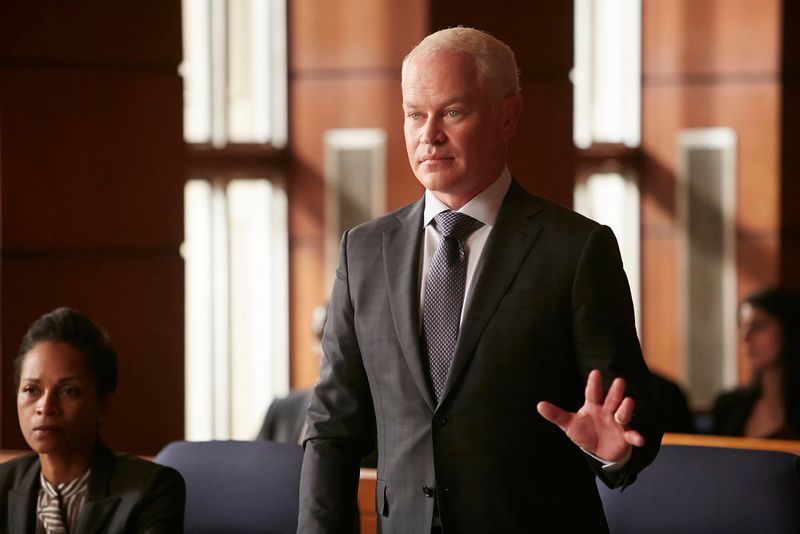
For years, McDonough has been unusually open about one firm line he won’t cross on camera: kissing anyone but his wife.
He has described it as a personal boundary tied to family values and the kind of commitment he wants to model, even if it limits his options in certain roles.
That stance has reportedly cost him work and forced creative adjustments when a scene leaned romantic.
When productions want him for a project anyway, the workaround tends to be staging the moment differently—blocking characters close together, cutting away right before lips meet, or leaning on implied intimacy rather than explicit contact.
It’s a reminder that “no” doesn’t always derail a story; it can simply nudge it into a different visual language that still gets the point across.
2. Kirk Cameron
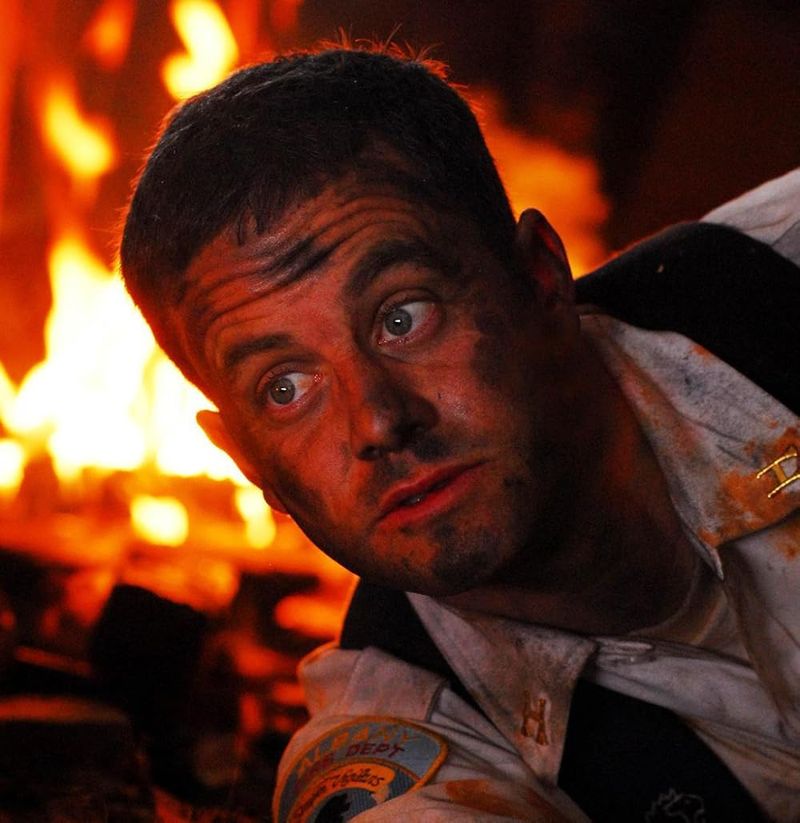
Sometimes a refusal becomes part of the film’s behind-the-scenes story, and that’s exactly what happened with Cameron on Fireproof.
He has spoken about not wanting to kiss anyone other than his real-life wife because of his religious beliefs and personal boundaries.
Since the movie’s emotional climax included a kiss between his character and his on-screen wife, the production reportedly used a creative solution that preserved the moment without breaking his rule.
Accounts commonly describe a stand-in being used for the shot, combined with careful angles and editing to make the kiss appear seamless to viewers.
Whatever your opinion of the decision, it shows how a director can “cheat” a romantic beat with framing and timing, delivering the intended emotional payoff while respecting an actor’s limits.
3. Denzel Washington
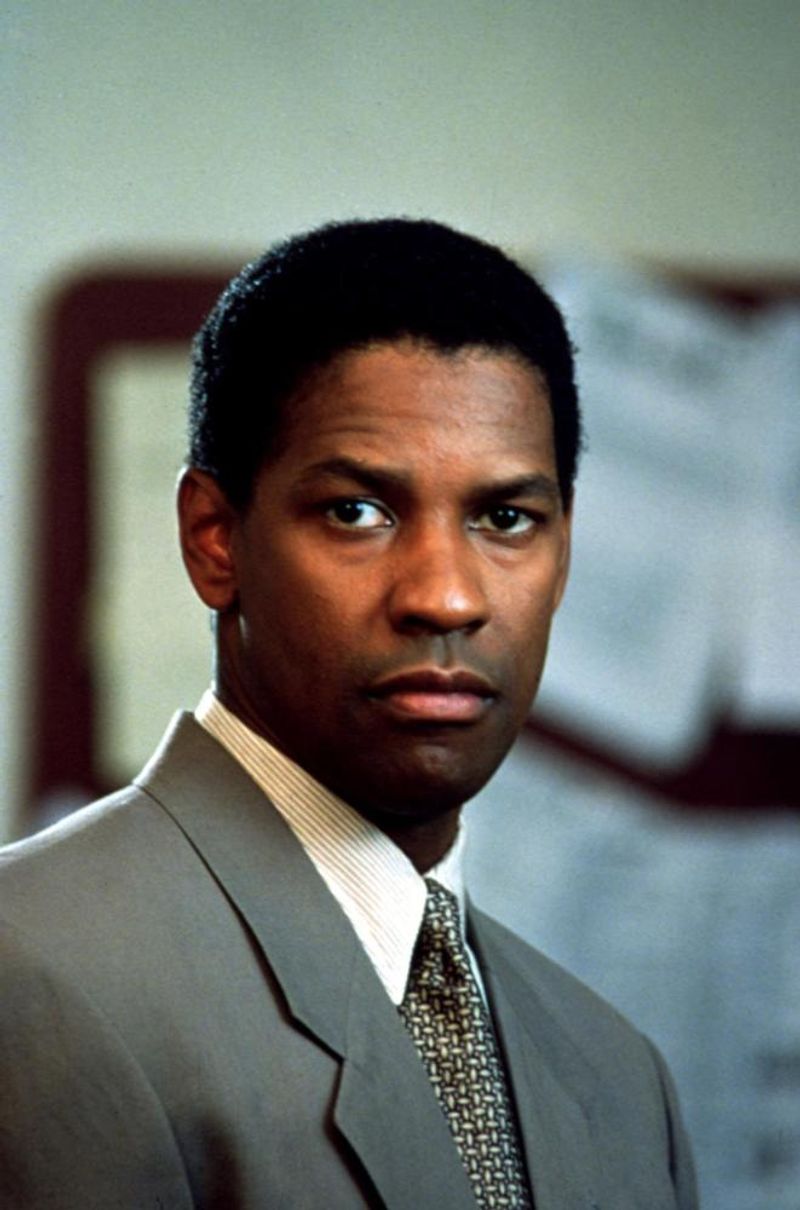
On sets with major stars, it isn’t unusual for intimate scenes to be negotiated rather than blindly followed, and Washington has been linked to one of the more famous examples.
During The Pelican Brief, he reportedly asked that a scripted kiss with Julia Roberts be removed, with the reasoning often framed as sensitivity to how audiences might react to his romantic pairing on screen.
The end result is a thriller that still carries tension and connection between the leads, but largely avoids overt physical intimacy.
Instead, the film leans on charged conversations, protective body language, and the kind of mutual trust that feels romantic without needing a kiss to “prove” it.
The moment also illustrates a bigger truth in filmmaking: actors, especially established ones, can shape not only their characters but the emotional boundaries of a scene.
4. Will Smith
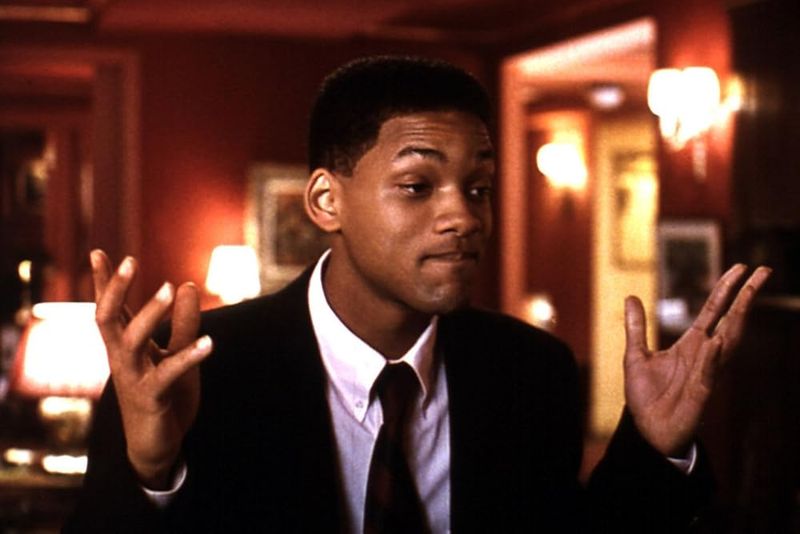
Early in his film career, Smith faced a script moment that pushed him outside his comfort zone, and he later admitted he didn’t handle it the way he wished he had.
In Six Degrees of Separation, a kiss between his character and another man was part of the story, and reports over the years have described how a stand-in was used instead of Smith for the shot.
Later interviews have often framed his decision as fear-driven, tied to anxiety about image and public perception at the time.
What makes this example linger is the regret: he has described looking back and wishing he’d been braver, recognizing that the kiss mattered to the character and to the film’s themes.
It’s a rare case where the “refusal” is paired with an explicit lesson learned, rather than a hard boundary that never wavered.
5. Brad Pitt
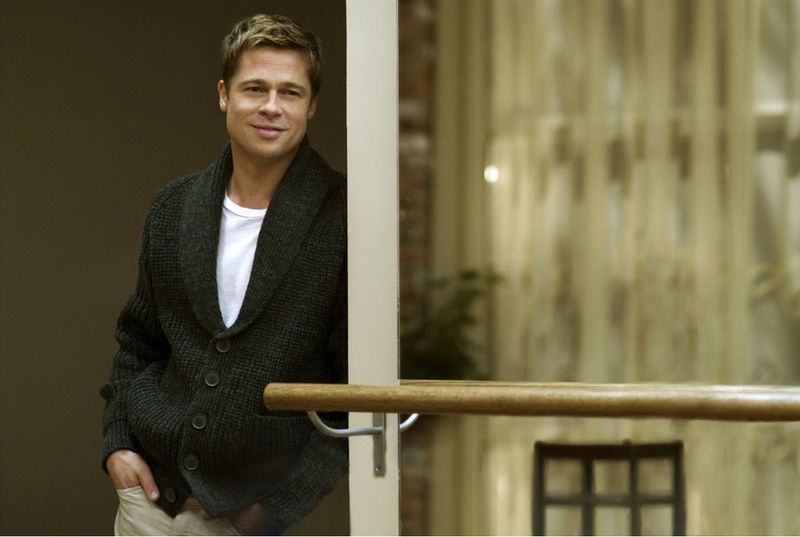
Not every story here is about a lifelong rule; sometimes it’s a moment of hesitation that turns into a footnote once filming moves forward.
With The Curious Case of Benjamin Button, industry chatter and entertainment reporting have long suggested that Pitt was initially uneasy about kissing Cate Blanchett on camera, partly because the scene’s context and age-illusion premise made it feel complicated.
Ultimately, the film still delivers its romantic beats, which hints that any reluctance was negotiated or resolved rather than treated as a permanent refusal.
Even when a kiss stays in the final cut, conversations like these are common behind the scenes, especially when characters’ ages, power dynamics, or the scene’s tone could be misread.
The takeaway is less “he wouldn’t do it” and more “this is how carefully intimacy can be calibrated,” with comfort and storytelling both on the table.
6. Thandiwe Newton
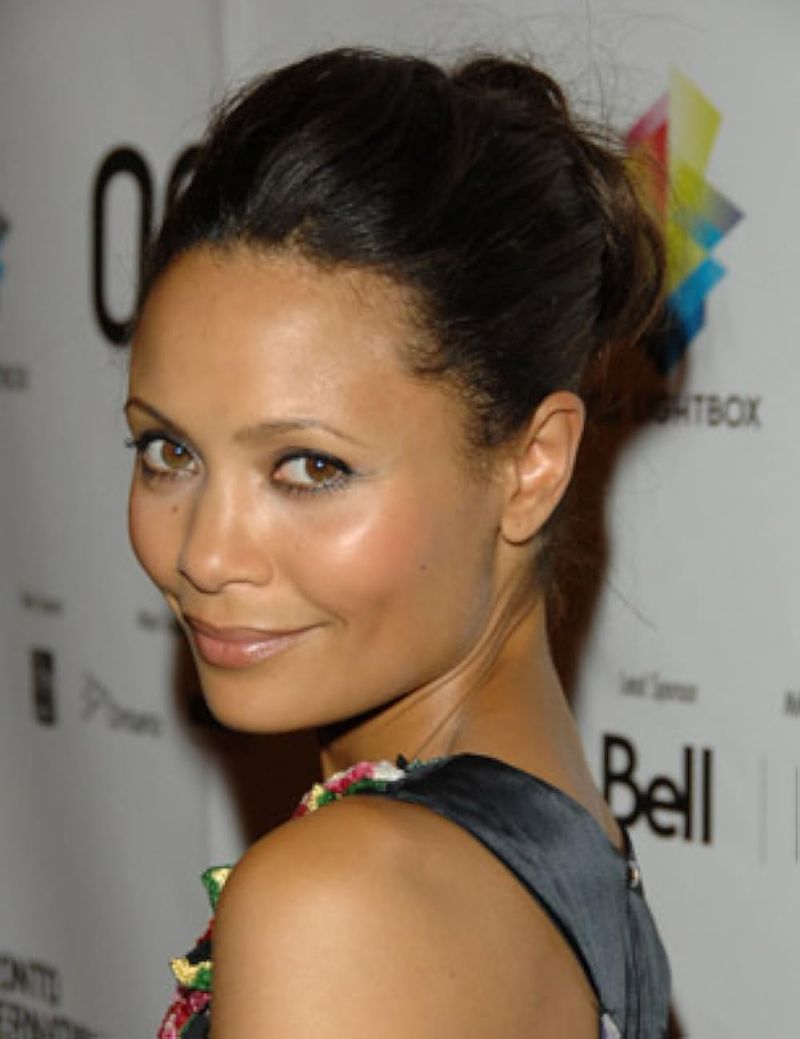
Health concerns can turn a simple kiss scene into a hard no, and Newton’s reported decision during RocknRolla is often cited for exactly that reason.
Accounts from set gossip and later discussion claim she didn’t want to kiss Gerard Butler while he was unwell, with a cold frequently mentioned in retellings.
In a business where people work long hours in close quarters, an intimate scene can feel like the worst possible time to ignore basic hygiene and risk.
Productions can usually solve this with small adjustments—shooting reaction shots separately, shifting blocking so faces don’t meet on camera, or replacing the kiss with a near-miss moment that still reads flirtatious.
Even when the details get repeated with slightly different versions, the broader point lands: refusing intimacy isn’t always personal or dramatic; sometimes it’s just someone saying, “I’m not getting sick for this.”
7. Lindsay Lohan
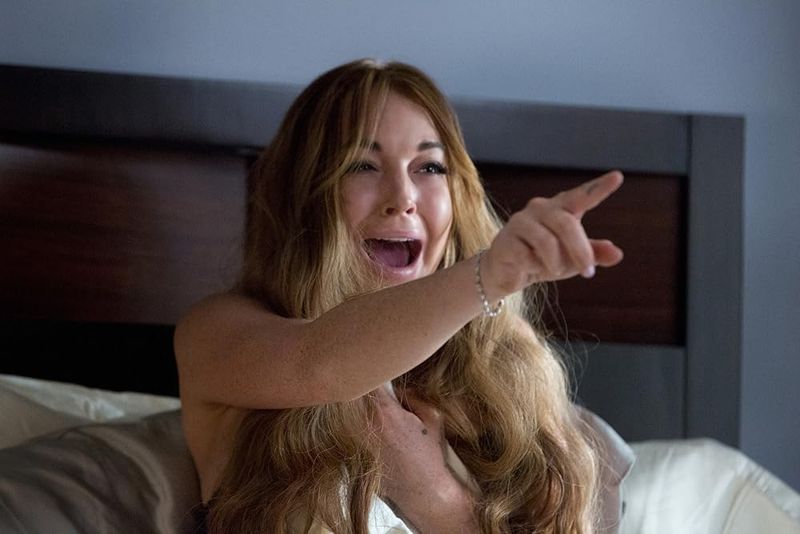
Comedy sets can be especially chaotic, which makes boundaries even more important, and Lohan has been repeatedly mentioned in reports about a kiss she didn’t want to film in Scary Movie 5.
Various entertainment stories claim she refused to kiss Charlie Sheen, with explanations ranging from discomfort to professional preference, depending on the source.
Because these accounts are largely reported secondhand, it’s smart to treat the “why” as rumor unless confirmed directly, but the situation itself illustrates how productions handle sudden limitations.
When a performer won’t do a kiss, directors can re-stage the joke so it still lands—think quick cuts, obstructed camera angles, or an interrupted moment that becomes funnier than the kiss ever would have been.
In parody films especially, the story can survive almost any change, as long as the timing stays sharp and the punchline remains clear.
8. Luke Grimes

Career decisions can get framed as “refusing a kiss” even when the reality is more complicated, and Grimes’ departure from True Blood has been discussed in that exact way.
Reports and entertainment coverage over the years have linked his exit to discomfort with where the character’s storyline was heading, including the show’s plans for a same-sex relationship.
Whether the key issue was one specific scene or a broader creative direction, the outcome was the same: he left the series and the role was recast.
This example stands out because it shows how refusal isn’t always solved with camera tricks; sometimes it forces a structural change in the production itself.
It also highlights how public narratives form around casting changes, often simplifying a web of factors—contracts, storytelling, comfort levels—into a single headline-friendly claim.
Regardless, it remains one of TV’s most frequently cited cases of a boundary colliding with a show’s creative plan.
9. Julia Roberts

When co-stars don’t get along, romance can become the hardest thing to fake, and Roberts’ reportedly tense experience with Nick Nolte during I Love Trouble is the kind of behind-the-scenes conflict that audiences still talk about decades later.
Rumors and interviews have long suggested the two clashed on set, and the friction has often been linked to claims that kissing scenes were difficult or avoided, sometimes with stand-ins or clever editing implied.
Because multiple retellings exist, the cleanest way to view this story is as an example of how personal dynamics can affect intimate acting.
If a production senses that physical scenes will be miserable, it may lean into camera tricks—shooting over shoulders, cutting away early, or emphasizing banter over touch.
The irony is that romantic comedies and action-romances live on spark, and when the spark isn’t there, the film has to manufacture it with technique rather than genuine rapport.
10. Kimberly McCullough

Teen actors often have the least power on set, which is why stories about boundaries in daytime television tend to resonate so strongly.
McCullough, who played Robin on General Hospital, has discussed experiences from her early years in the industry that included discomfort around romantic scenes.
In retellings that circulate widely, she has described pushing back on an intense kiss scenario when she was young, especially when the age gap or the context felt inappropriate.
That kind of refusal isn’t just about performance preference; it’s about safeguarding minors and ensuring that consent is informed and freely given.
Modern productions typically involve intimacy coordinators and clearer standards, but older television environments didn’t always have those protections.
Her example is a reminder that “refusing to kiss” can sometimes be a courageous act, especially when a young performer is asserting boundaries in a system that historically expected compliance.
When a scene is reworked to accommodate that boundary, it can also set an important precedent for how sets should function.
11. Janet Jackson
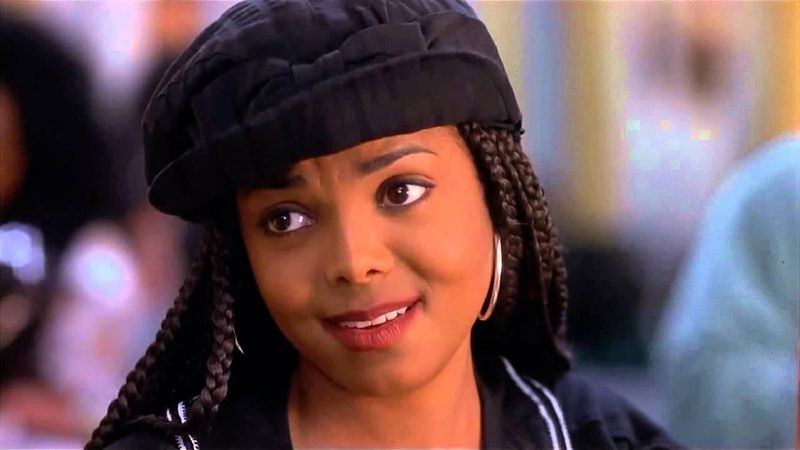
In the early 1990s, health fears and public misinformation were still shaping Hollywood decisions, and Jackson’s reported stance during Poetic Justice is often remembered through that lens.
A widely repeated claim, amplified by biographies and entertainment discussion, is that she wanted Tupac Shakur to take an AIDS test before a kiss scene.
Whether every detail is perfectly documented or not, the story persists because it reflects the era’s anxiety and the fact that actors sometimes bring medical concerns into intimate scenes.
Productions can handle these situations in a few ways: confirming safety through testing where appropriate, using stand-ins, or rewriting intimacy to avoid direct contact.
What makes this item particularly interesting for a modern reader is how much workplace norms have evolved; today, sets have clearer protocols, and misinformation is more openly challenged.
Still, the core issue remains the same—when someone feels unsafe or uncertain, a kiss isn’t “just acting,” it’s a boundary negotiation that affects the final film.
12. Jeff Bridges
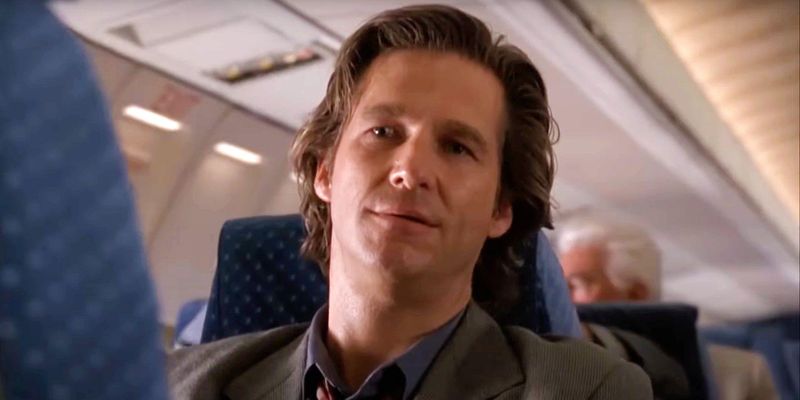
Auditions can be the most uncomfortable place for intimacy, because performers may feel pressure to prove they’re “easy to work with,” and that imbalance can blur consent.
Winona Ryder has spoken about an audition experience connected to Fearless in which a kiss was expected, and she has described Bridges refusing because she was too young.
In this telling, the refusal functions as a protective choice rather than a self-serving one, demonstrating that boundaries can also be used to safeguard a younger performer.
Even when a project ultimately includes romantic material, auditions are a particularly sensitive setting because there’s less context, less trust, and a stronger incentive to comply.
When a kiss is removed or postponed, it can actually help the scene later by keeping everyone grounded and respectful.
This example stands out because it flips the usual narrative: the “no” wasn’t about avoiding discomfort for himself, but about refusing to participate in a situation that didn’t feel appropriate.
13. Sigourney Weaver

Age gaps can trigger intense public scrutiny, so even the rumor of an intimate scene can become a headline, and Weaver’s comments about Avatar: Fire and Ash fit that pattern.
Discussion around the film suggested she might be involved in a kiss with a much younger co-star, and she has clarified in interviews that stand-ins were used rather than her actually filming the kiss.
That clarification matters because it shows how modern blockbuster productions manage intimacy alongside actor comfort, public optics, and the logistics of performance capture.
With visual effects, directors can stitch together the emotional tone of a scene while keeping the physical actions handled by doubles, especially when the performers’ faces and bodies are being augmented or composited anyway.
In other words, the “kiss” can be more of a cinematic illusion than a literal act.
This item is also a good reminder that what audiences assume happened on set often differs from what was physically filmed.
14. Alyson Hannigan
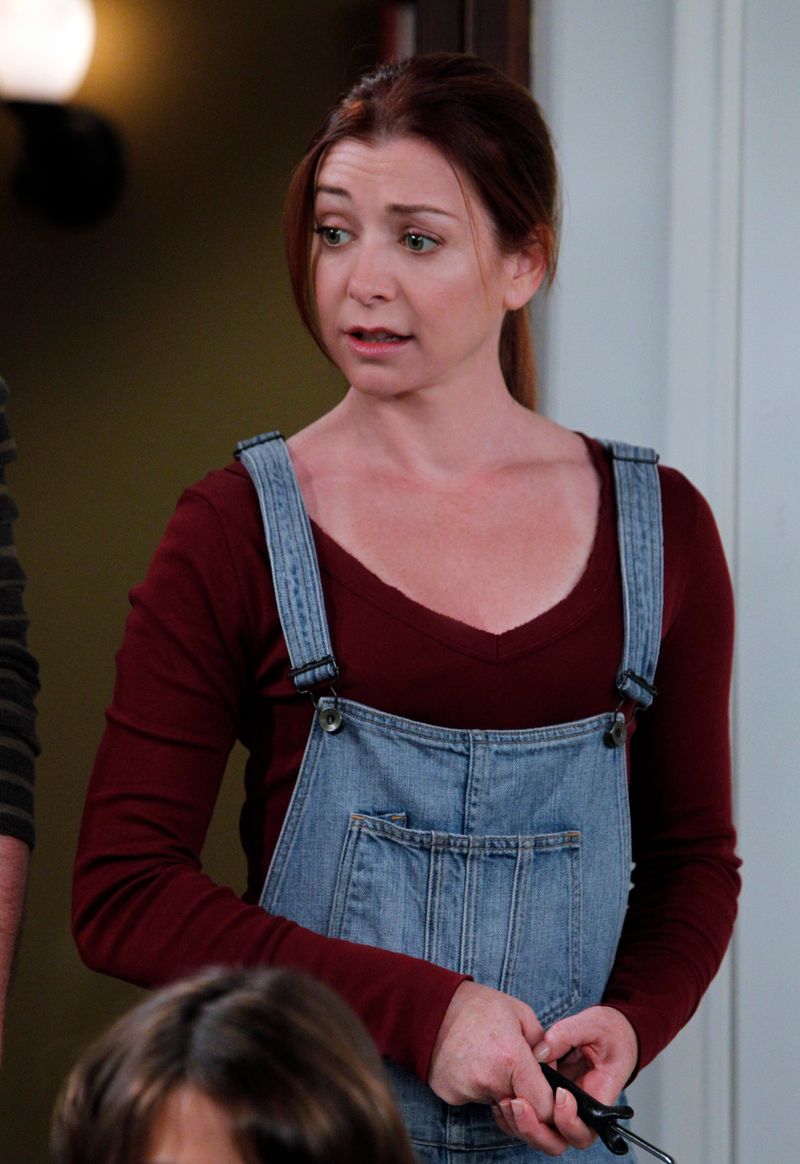
Long-running TV shows can create intimate scenes that repeat for years, which means small personal preferences can become big problems if ignored.
Hannigan has joked in interviews about disliking kissing scenes with Jason Segel because he smoked, famously comparing it to kissing an ashtray.
While this wasn’t a moral boundary or a refusal in the strictest sense, it’s still a real example of an actor wanting limits around physical contact and hygiene.
On sitcom sets, the solution is usually practical rather than dramatic: the actor might brush teeth, use mouthwash, or adjust timing so the kiss is quick and less unpleasant.
The comedic tone also helps, because the discomfort can be acknowledged without turning it into conflict.
What makes this a great list item is the relatability; plenty of people would balk at kissing someone who smells like smoke, and Hannigan’s honesty turns a behind-the-scenes annoyance into a reminder that “romance” on camera still involves very human details.
15. Candace Cameron Bure

Candace Cameron Bure has long been open about keeping her on-screen romance within strict personal limits.
In several family friendly projects, she has favored modest affection and has even spoken about wanting scenes to feel respectful to her marriage and faith.
That boundary shaped the kind of roles she accepted and the way intimate moments were staged.
What makes her entry fit here is how consistently she has treated kissing as a line worth negotiating, not just acting business as usual.
In an industry that often expects performers to go along, that kind of clarity can quietly change a whole production.
16. Penn Badgley
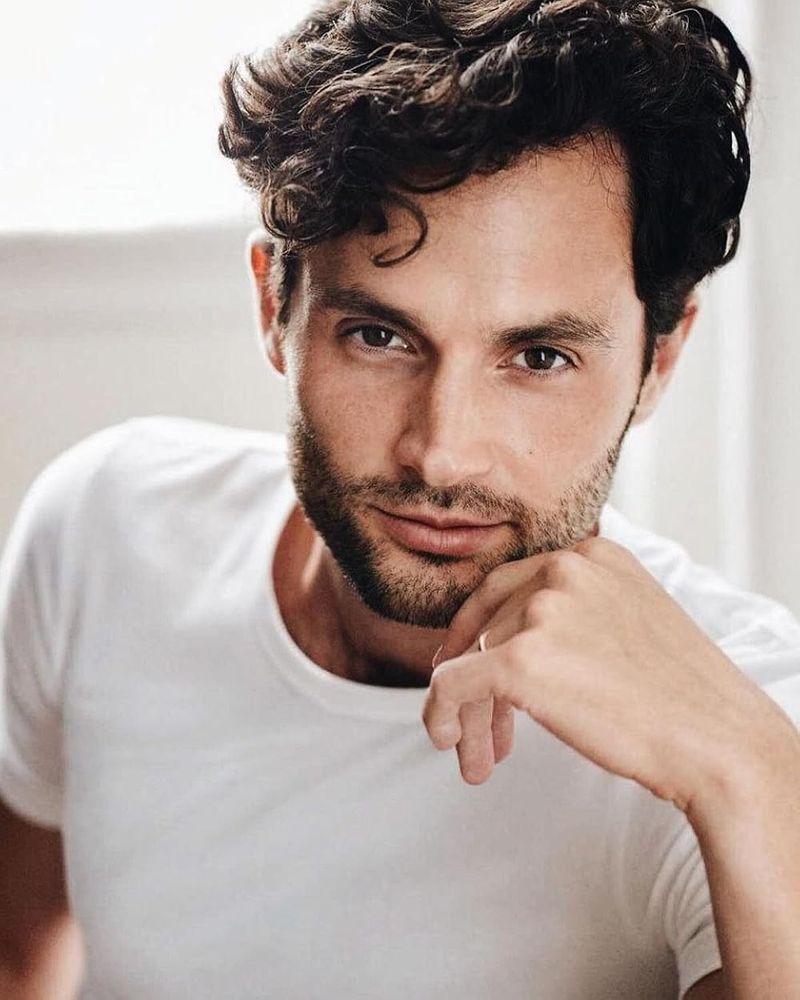
Penn Badgley brought a newer version of this conversation into public view when he revealed that he asked for fewer intimacy scenes after getting married.
While he was not rejecting every romantic moment outright, he made it clear that kissing and physical chemistry were no longer things he wanted treated casually.
That request reportedly changed how his scenes were approached.
His example stands out because it shows how boundaries can evolve with life, not just with one uncomfortable co-star or one difficult set.
For you as a viewer, it is a reminder that even modern leads sometimes push back against what a script assumes.
17. Madhuri Dixit

Madhuri Dixit spent years working in an era when screen romance was changing fast, yet she remained careful about what she would and would not do.
She reportedly turned down kissing scenes in multiple projects, preferring to protect a polished screen image that audiences already loved.
That choice never made her seem less charismatic, which is part of why it is still memorable.
There is something refreshing about a star proving that magnetism does not depend on crossing every line offered in a script.
Sometimes the refusal becomes part of the persona, and in her case, it only reinforced her control over her career.
Comments
Loading…