
 Harper Hall
The Real Show Was Off Camera: 10 Actors Who Cause the Most On-Set Drama
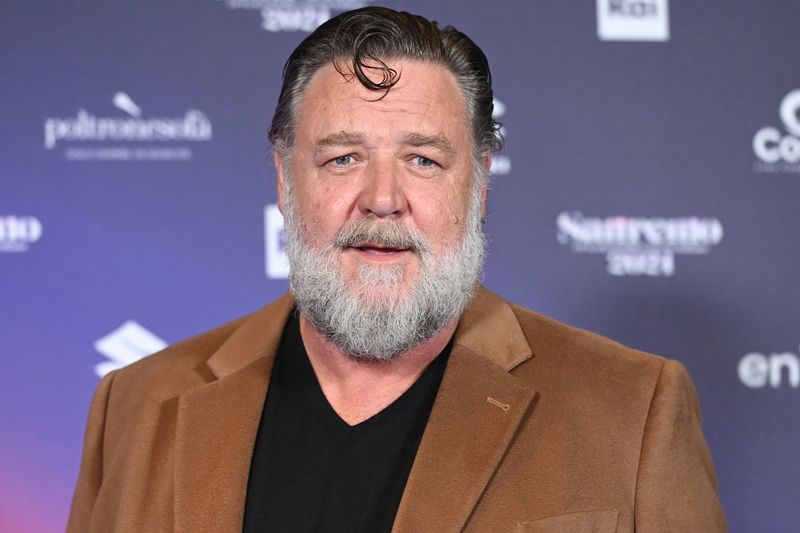
Hollywood sets are supposed to run like well-oiled machines, with hundreds of people working in sync to hit deadlines, protect budgets, and keep creative momentum alive.
In reality, it only takes one volatile personality to turn a smooth production into a daily fire drill.
Sometimes the drama is fueled by ego, sometimes by clashes over creative control, and sometimes by behavior that spills far beyond the soundstage.
What makes these stories so sticky is that they rarely stay private; leaked audio, sudden exits, feuds with co-stars, and reports from crew members have a way of becoming part of a film’s legacy.
The actors below aren’t defined solely by controversy, but each has been tied to enough behind-the-scenes turmoil to earn a reputation for making workdays tense, unpredictable, or downright chaotic.
1. Christian Bale
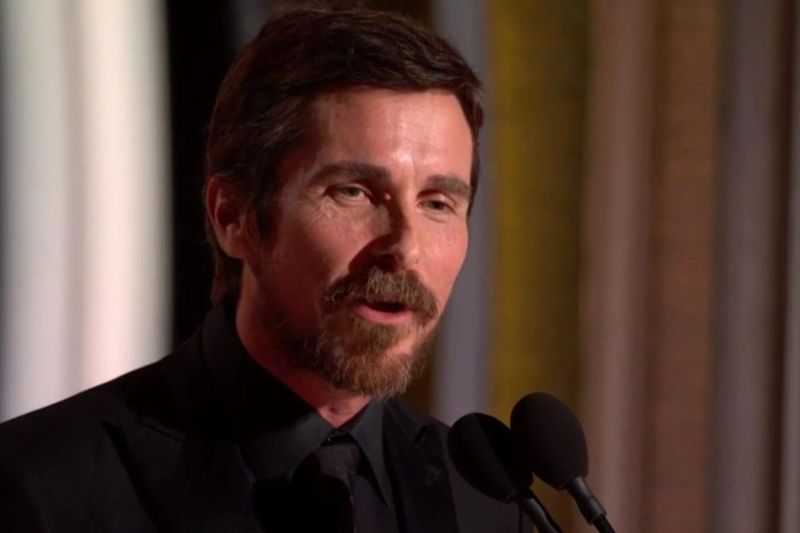
Few behind-the-scenes moments have become as widely replayed as the audio of a furious outburst that leaked from the set of Terminator Salvation.
The incident, which involved Bale berating the film’s director of photography, instantly turned into a global headline and a meme, but it also highlighted how fragile a set’s atmosphere can be when tempers boil over.
While Bale later apologized and insisted the blowup came from intense pressure and repeated interruptions, the recording painted a picture of a working environment where frustration had been building for a while.
Crew members rely on clear focus and mutual respect to keep dangerous, expensive shoots moving safely, and when emotions explode, it can shake everyone’s confidence.
The drama didn’t erase his talent, but it did cement his reputation for intensity.
2. Charlie Sheen
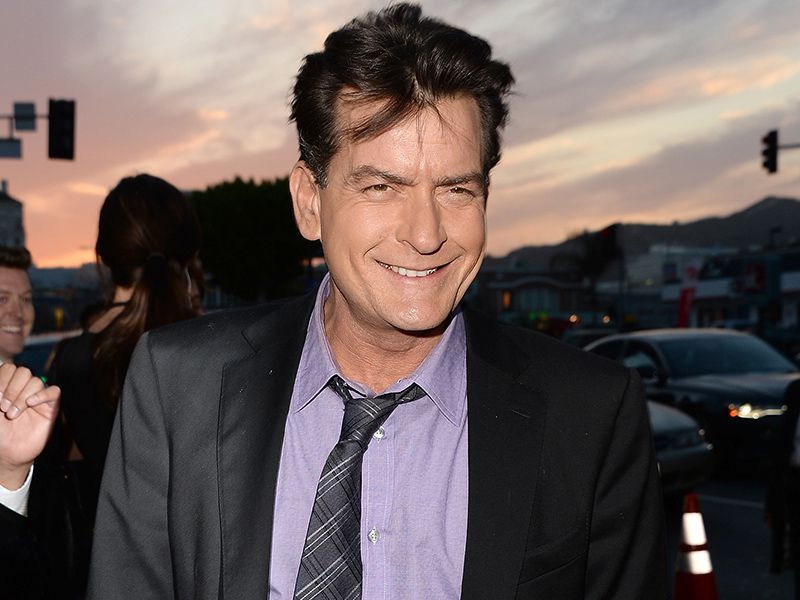
Long before streaming turned celebrity chaos into an around-the-clock spectacle, Sheen’s off-camera life began colliding with his work in a way that production simply couldn’t ignore.
The most famous example is Two and a Half Men, where public meltdowns, unfiltered interviews, and escalating conflict with series creator Chuck Lorre reportedly made the show’s behind-the-scenes situation increasingly untenable.
As the headlines intensified, the business side got louder too, because delays, rewrites, and uncertainty can bleed money fast on a network schedule.
The result was a rare case where a hit series became inseparable from the star’s personal spiral, and the drama eventually ended in his exit.
Even people who never watched the show remember the phrase “winning,” which says a lot about how completely the controversy swallowed the project’s narrative.
3. Lindsay Lohan
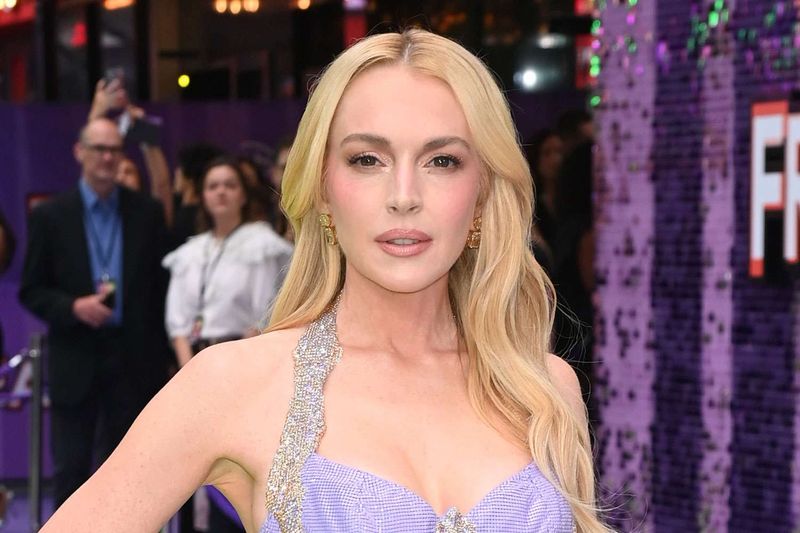
When a production depends on tight timing, reliability becomes a kind of currency, and Lohan’s mid-2000s era often came with reports that strained that currency to the breaking point.
Multiple sets were plagued by stories of late arrivals, missed call times, and general unpredictability that reportedly forced crews to wait around while expensive equipment and personnel sat idle.
The best-known example is Georgia Rule, where public comments from co-star Jane Fonda drew attention to alleged issues with professionalism, making the drama feel both personal and industry-wide.
It’s easy for audiences to forget that filmmaking is a massive coordination effort, and repeated disruptions ripple outward into everyone’s day, from assistant directors to background actors.
Lohan’s career has had different phases since then, but those years still shape how people talk about her behind-the-scenes reputation.
4. Shia LaBeouf
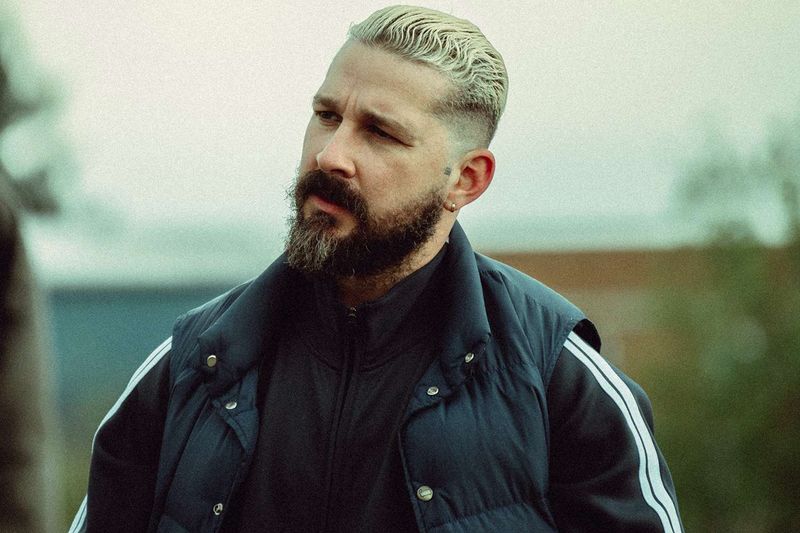
Tension follows certain performers not because they lack commitment, but because their commitment becomes combustible when it collides with other people’s methods.
LaBeouf has been linked to a string of high-profile conflicts and controversies, including reported friction during rehearsal and production processes and public disputes that spilled into interviews and statements.
One of the most talked-about chapters involves Don’t Worry Darling, a project surrounded by rumors of on-set strain, shifting narratives, and competing accounts from people involved.
Even when the truth is hard to pin down from the outside, the constant swirl can become its own kind of drama, distracting from the work and forcing studios into damage-control mode.
In an industry built on relationships and trust, the perception of volatility can be as damaging as the reality, because producers worry about morale and momentum on day one.
5. Chevy Chase
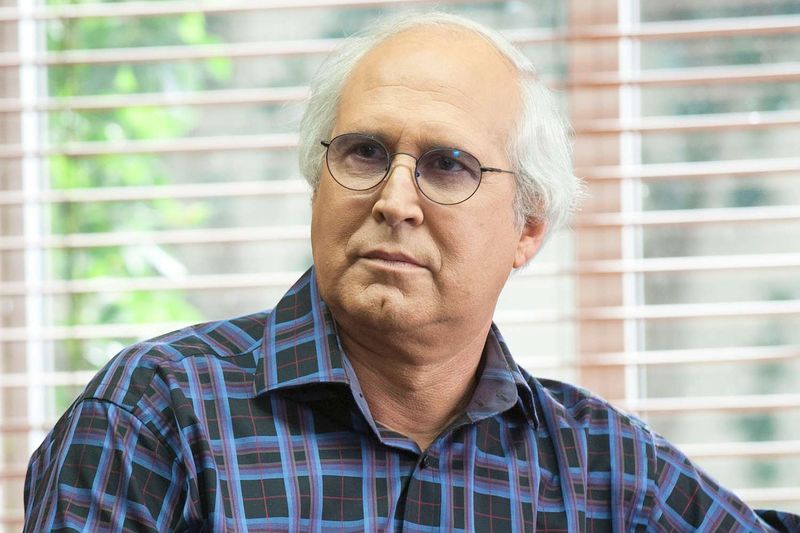
Comedy sets can be surprisingly tense places, because timing and tone matter, and one difficult personality can throw an entire cast off balance.
Chase has long been associated with stories of conflict, including reports of clashes with colleagues and writers across different projects.
The most cited modern example centers on Community, where behind-the-scenes accounts have described an uncomfortable dynamic that contributed to friction within an ensemble built on collaboration.
When humor is the product, the work still demands professionalism, and repeated tension can turn a creative space into a defensive one, with people bracing for the next blowup instead of pitching ideas freely.
His legacy includes iconic performances and a major place in comedy history, but those achievements often get discussed alongside the reputation for being hard to work with.
In Hollywood, that label tends to stick for a very long time.
6. Katherine Heigl
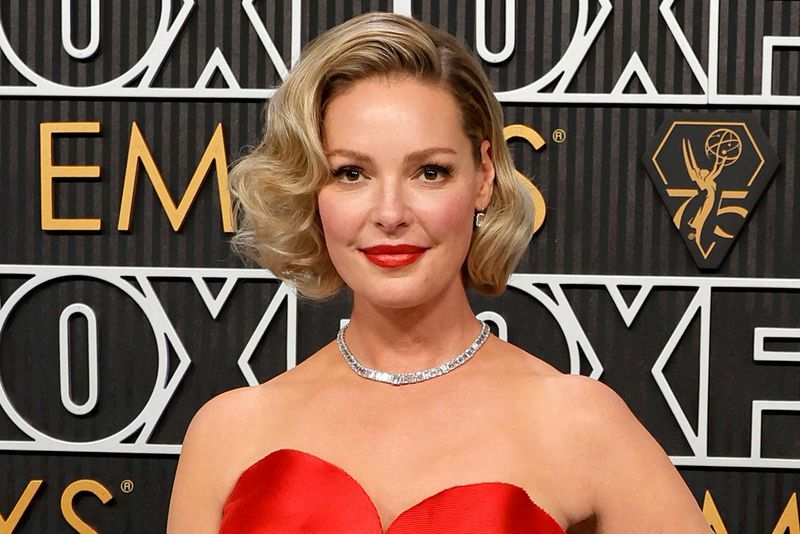
Industry “difficult” narratives often start with a spark and then spread until they become the only lens people use, and Heigl’s reputation is frequently tied to that kind of snowball effect.
Public comments about projects, including criticism of writing and creative choices, reportedly rubbed colleagues the wrong way and fueled stories that she was challenging on set.
The drama wasn’t always described as loud or explosive, but it carried a different kind of weight because it played out through interviews, headlines, and whispers about whether she was “worth the trouble.” Sets thrive on diplomacy, and when an actor’s dissatisfaction becomes a public storyline, producers may worry about morale, PR issues, and future negotiations.
Over time, Heigl has spoken about learning from the experience and pushing back against one-sided portrayals, yet the era still gets referenced whenever “hard-to-work-with” lists circulate.
7. Russell Crowe
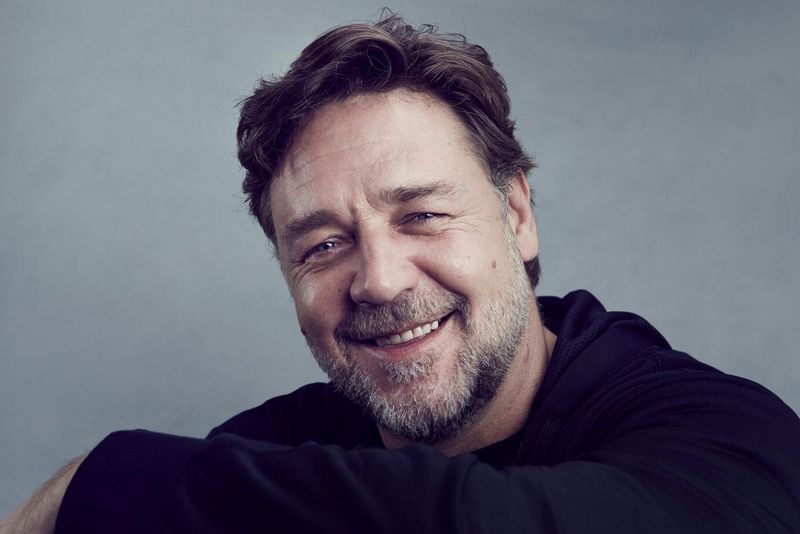
Big reputations come with big expectations, and Crowe’s intense image has often been paired with stories that suggest his temperament could be difficult to manage.
Reports over the years have painted him as fiercely serious about work, which can be an asset, but it also means conflict is more likely when someone disagrees with his approach.
Off-screen incidents, including widely publicized confrontations in his personal life, have reinforced the idea that anger could spill over when tensions run high.
On a set, even one heated argument can change the mood for weeks, because crews remember who raised their voice and who made the room feel unsafe.
Crowe remains widely respected for his performances, yet “brilliant but volatile” is a storyline that follows him in entertainment coverage.
In the Hollywood ecosystem, that combination tends to keep getting retold, even across different projects and decades.
8. Edward Norton
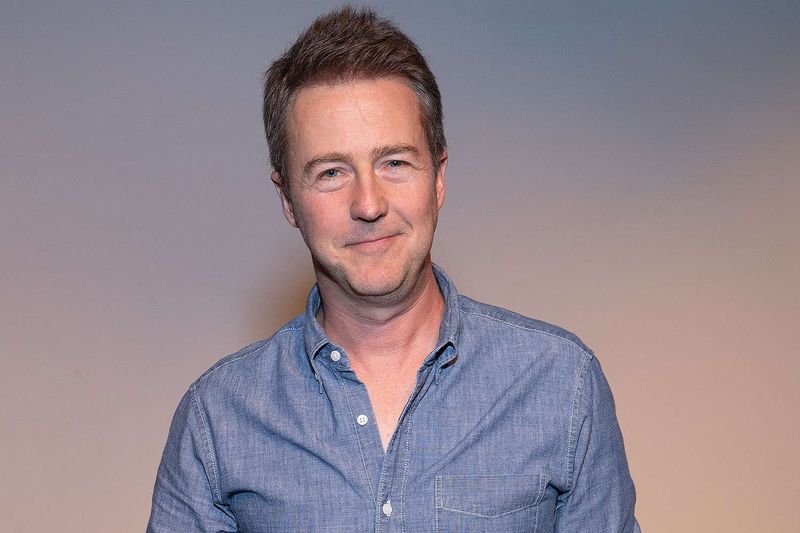
Creative control is a complicated subject, because filmmaking is collaborative, but some actors arrive with such strong opinions that the collaboration can start feeling like a tug-of-war.
Norton has repeatedly been described as deeply involved in scripts, edits, and character decisions, and that level of participation has sometimes been framed as a source of tension with directors and studios.
Stories about disputes over rewrites and final cuts have followed him for years, feeding a reputation for being brilliant yet challenging behind the scenes.
The tricky part is that audiences often love the results, which can make producers more willing to tolerate the friction, at least until schedules or egos collide.
On a working set, constant debate can slow decisions and create factions, especially if the director’s authority starts to feel contested.
Norton’s talent is undeniable, but the control narrative is a persistent part of his legend.
9. Val Kilmer
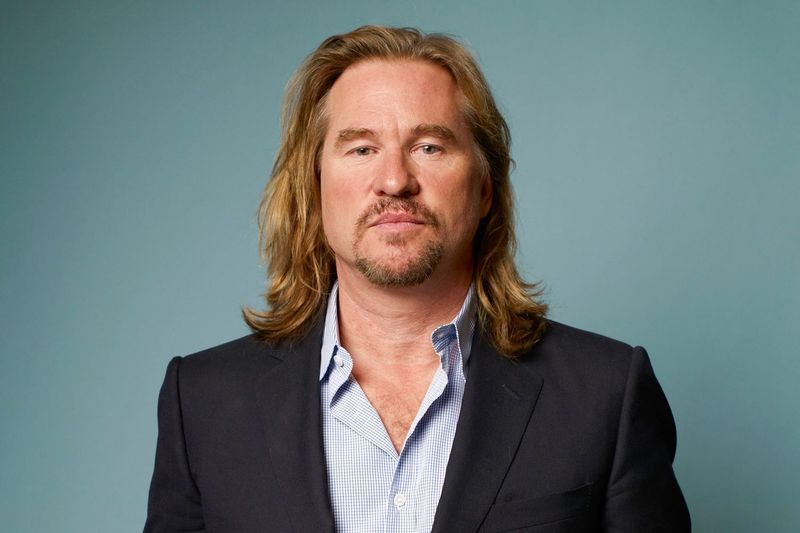
Even in the days before every rumor went viral in real time, Kilmer developed a reputation for being a complicated presence on set.
Accounts from different productions have described him as intense, sometimes combative, and at times difficult to direct, which created tension with co-stars and filmmakers.
The most famous anecdotes often involve power struggles, strong opinions about character choices, and an unwillingness to simply “go with it” when a director wanted something different.
That friction can become especially exhausting when a production is already under pressure, because the crew has to balance creative ambition with practical limits like time, weather, and budget.
Kilmer’s later health struggles changed public perception and invited more empathy, but the stories from earlier decades still circulate as cautionary tales about ego and collaboration.
In Hollywood lore, he remains one of the go-to examples of talent paired with turbulence.
10. Marlon Brando
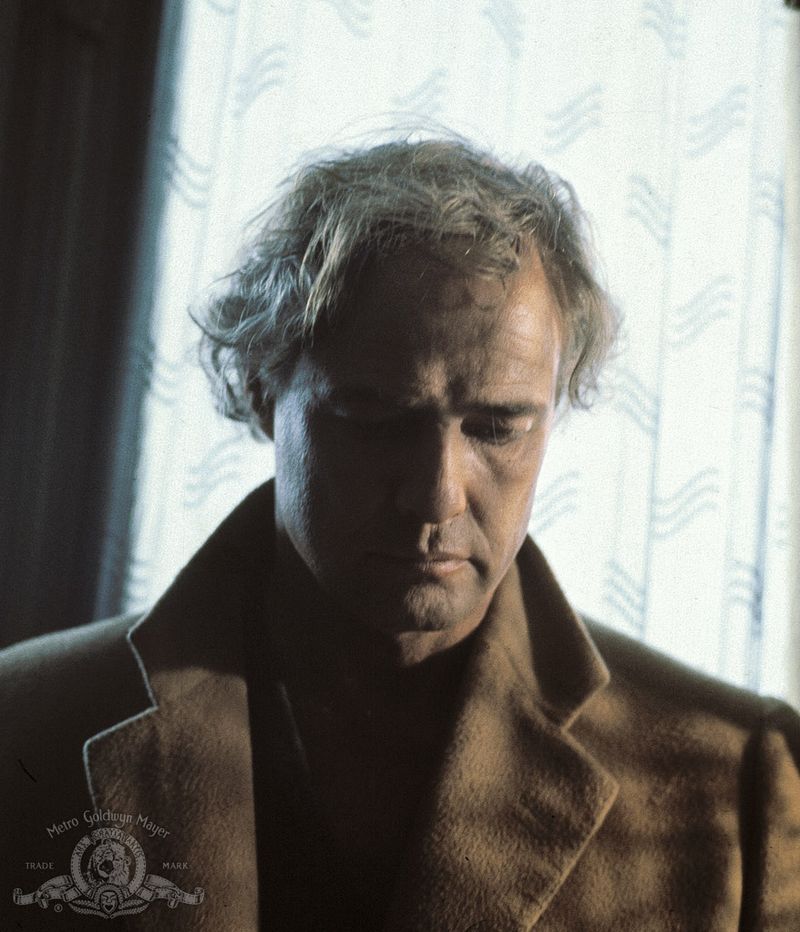
Legendary status does not always translate into easy working relationships, and Brando’s name has become shorthand for both genius and chaos in film history.
Numerous productions associated with him include stories of refusing to memorize lines, demanding changes, and pushing boundaries in ways that forced crews to adapt on the fly.
In some cases, the behavior was framed as artistic experimentation, while in others it was described as stubbornness that created delays and inflated costs.
When a production schedule is tight, improvisation at that level can feel less like creativity and more like sabotage, especially for directors trying to maintain authority.
Brando’s influence on acting is massive, and many performers still cite him as an inspiration, yet the same legacy includes a trail of anecdotes that make producers shudder.
The myth of Brando is part admiration and part warning about what happens when star power goes unchecked.
Comments
Loading…