
 Jade Reed
10 All-Female Bands That Proved Rock Was Never “Just for Men”

Rock history has a habit of acting like women showed up late to the party, but the truth is that women have been building the stage, hauling the amps, and rewriting the rules for decades.
All-female bands didn’t just prove they could play as hard, write as sharp, and tour as relentlessly as anyone else, they also expanded what “a rock band” could look and sound like.
Some of these groups crashed through radio barriers with hooks you still hear today, while others shaped entire underground movements that later became mainstream.
Together, they turned side-eye into sold-out shows, skepticism into respect, and “girl band” into a badge of power.
If you want a playlist that feels like confidence with a guitar strap, these ten trailblazers belong at the top.
1. The Runaways
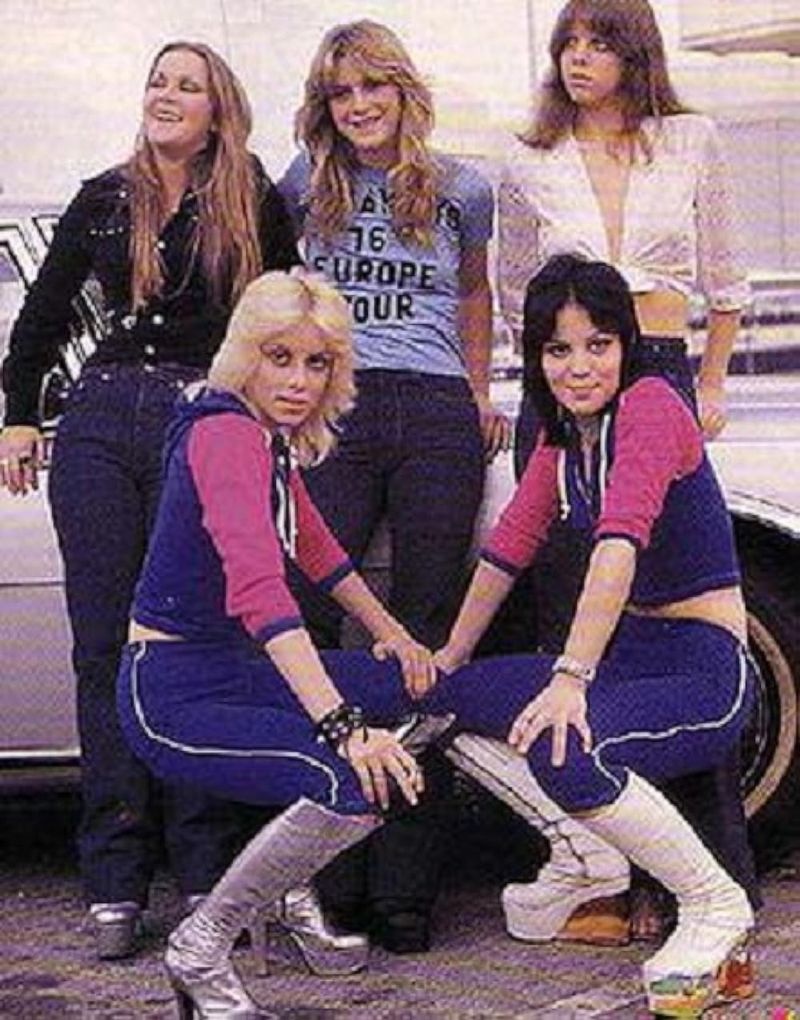
Before the world knew what to do with teenage girls who played loud guitars and meant it, this band exploded onto the scene with raw swagger and zero interest in being polite.
The Runaways were marketed as shock value at times, but their musicianship and attitude did real cultural damage in the best way, especially for young women who’d never seen themselves onstage like that.
Songs like “Cherry Bomb” became a battle cry, and the group’s influence echoed far beyond their short original run.
Their story also exposed how the industry treated young women as products first and artists second, which makes their success even more meaningful.
Even now, they read like a starting pistol for countless women-fronted and all-female rock acts.
2. The Go-Go’s

Pop success can sometimes make people underestimate how hard it is to pull off, but this band earned every bit of their spotlight through songwriting, chemistry, and relentless drive.
The Go-Go’s became a breakthrough moment for all-female bands in the mainstream, because they weren’t just the faces out front; they played their instruments and shaped their sound.
“We Got the Beat” and “Our Lips Are Sealed” still feel like instant mood-lifters, but there’s also real grit underneath that sunny sheen.
Their rise came out of the punk scene, which explains the edge hiding in the sparkle.
They also showed that women could be funny, stylish, and commercially dominant without watering down their artistry.
If your article needs a “history changed right here” moment, this is it.
3. The Bangles
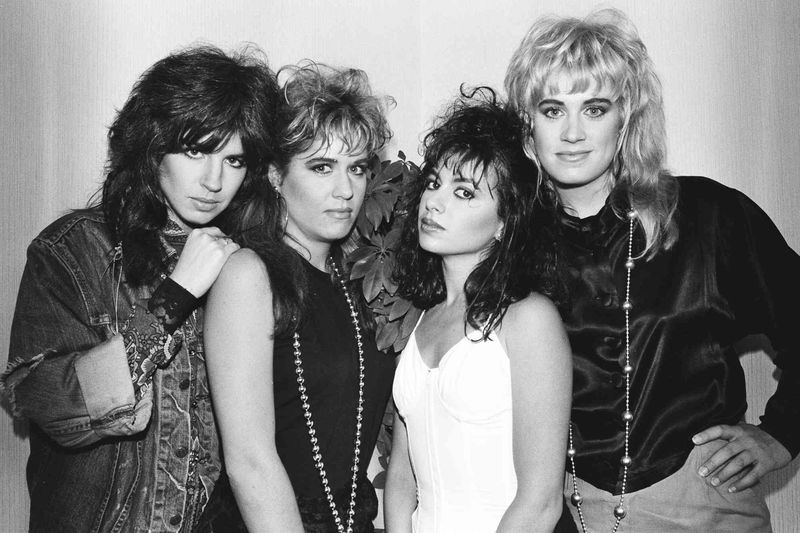
A lot of people first met them through glossy radio hits, but this band’s story is more interesting when you look under the pop polish.
The Bangles blended jangly guitars, sharp harmonies, and a love of classic songwriting into a sound that helped define an era, while still leaving room for genuine rock credibility.
“Manic Monday” and “Walk Like an Egyptian” became cultural fixtures, but tracks like “Hazy Shade of Winter” showed they could hit harder when they wanted to.
They also helped normalize the idea that women could lead a band without being boxed into one personality type, because their image was never just one thing.
In a decade known for big hair and bigger marketing, they managed to feel both of their time and surprisingly timeless.
4. The Slits

If you want proof that rock can be rebellious in ways that have nothing to do with volume, this band is a perfect example.
The Slits emerged from the late-’70s punk explosion with a sound that refused to stay in one lane, blending punk attitude with dub and experimental rhythms that felt daring even by today’s standards.
They challenged everything: the idea of what women should sing about, how they should move onstage, and how the industry tried to package female artists into something “sellable.”
Their influence shows up in alternative music for decades afterward, especially in artists who value weirdness and honesty over perfection.
Listening to them now feels like hearing a door get kicked open, because they made space for women to be messy, creative, and uncompromising without asking permission.
5. Fanny

Long before “women in rock” became a mainstream talking point, this group was already doing the work, writing, recording, and touring with a level of skill that should have made them household names.
Fanny is often credited as one of the first all-female rock bands signed to a major label, and their sound blended tight musicianship with classic rock energy that felt completely natural.
What makes their legacy especially important is how clearly they proved the point: there was never a talent gap, only an access gap.
They didn’t need a gimmick to be compelling, because the playing was the hook.
If your readers love discovering overlooked pioneers, this is the “how did I not know them?” entry that makes the whole list feel deeper.
6. L7

Grunge and punk have always been full of big personalities, and this band carved out a place by being blunt, heavy, and unapologetically themselves.
L7’s music hits with crunchy guitars and a don’t-mess-with-me confidence that made them stand out in the ’90s alternative scene, even when the spotlight didn’t always treat women equally.
Their songs often carried sharp social commentary, but they delivered it with humor and bite rather than lectures, which made the message land harder.
Beyond the sound, they embodied a kind of fearless stage presence that told young women it was okay to take up space and be loud about it.
If your readers like the idea of “rage, but make it catchy,” this is the section that will have them opening Spotify immediately and turning the volume up.
7. Bikini Kill

The riot grrrl movement wasn’t just a music scene, it was a cultural pushback, and this band became one of its most recognizable sparks.
Bikini Kill used punk as a vehicle for calling out sexism, harassment, and the way women were expected to shrink themselves, especially in spaces dominated by men.
Their songs were confrontational in a way that felt necessary rather than performative, because the point wasn’t to be liked; it was to be heard.
What makes their impact so lasting is how many artists cite them as a permission slip to be direct, political, and loud without sanding down their edges.
Their shows and zines also helped build community, which mattered just as much as the records.
Even if a reader doesn’t think they “like punk,” this story tends to pull people in because the mission is so clear.
8. Sleater-Kinney

Plenty of bands have talent, but not many build a legacy that feels both critically respected and emotionally personal at the same time.
Sleater-Kinney has been praised for their fierce guitar interplay, intelligent lyrics, and the kind of intensity that makes you feel like the music is staring right back at you.
They grew out of the riot grrrl ecosystem but expanded beyond it, proving that feminist energy could live inside sophisticated songwriting and still punch you in the chest.
Their influence stretches across indie rock, alternative, and modern punk, largely because they made “serious rock band” feel like an identity women could claim without explanation.
What really hooks people is the way their songs balance sharpness with vulnerability, as if anger and tenderness can share the same microphone.
If your article needs a modern classic with depth, this is a must.
9. The Donnas

Throwback rock can easily turn into parody, but this band made it feel like a celebration rather than a costume.
The Donnas leaned into a garage-rock meets punk sensibility, pairing big riffs with confident, playful lyrics that captured the rush of being young, loud, and totally unbothered by anyone’s expectations.
Their sound nodded to classic rock influences while keeping the energy fast and sharp, which helped them stand out during a time when rock radio was still slow to take women seriously.
They also modeled something underrated: the ability to be fun without being treated as trivial.
For readers who love high-energy tracks that feel like driving too fast with the windows down, this is the entry that delivers pure adrenaline.
They didn’t just join the boys’ club, they showed up and made it way more entertaining.
10. HAIM

Modern rock and pop can blur together, and this band has mastered that blend without losing their identity as a tight, instrument-driven group.
HAIM pairs sharp songwriting with rhythmic confidence, turning personal stories into songs that feel effortlessly replayable while still sounding musically rich.
Their appeal isn’t just that they’re talented, it’s that their musicianship is obvious, from the groove-forward basslines to the guitar parts that quietly carry entire choruses.
They also helped reintroduce the idea of a “band” in an era dominated by solo acts, showing that sibling chemistry and a shared vision can still create a distinct cultural moment.
Whether a listener comes in through “The Wire” or later albums, the takeaway is the same: they make being in a band look powerful, modern, and completely normal, which is exactly why they matter.
Comments
Loading…