
 Jade Reed
12 Best Classic Movies on Prime Video That Never Go Out of Style
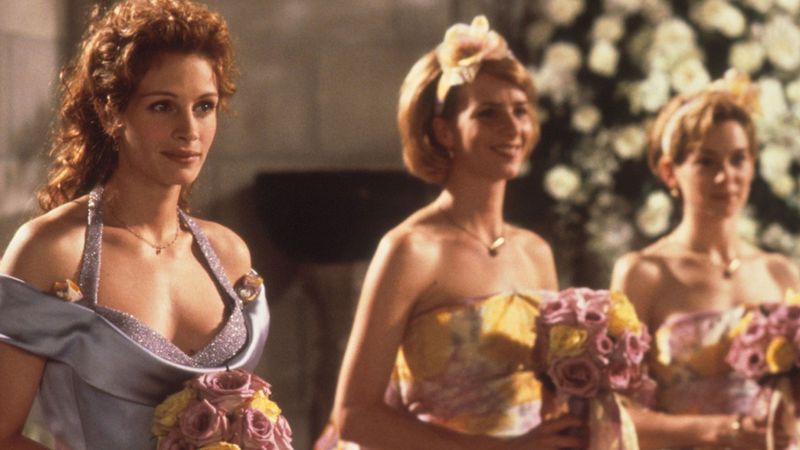
Classic films have a unique magic that transcends decades, offering stories and performances that resonate just as powerfully today as they did upon release.
Prime Video has curated an impressive collection of timeless movies spanning multiple genres, from heartwarming dramas to edge-of-your-seat thrillers.
Whether you’re rediscovering old favorites or exploring cinematic gems for the first time, these twelve films prove that great storytelling never ages.
1. Misery (1990)
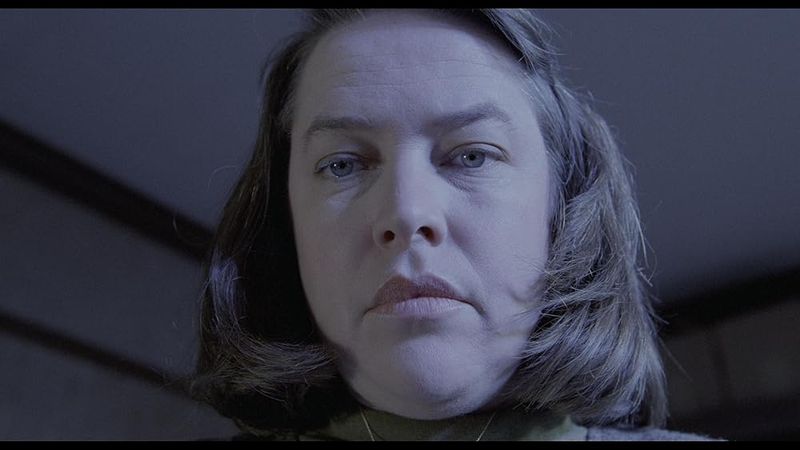
Few thrillers trap you as completely as this adaptation of Stephen King’s nightmarish tale.
A famous author crashes his car during a blizzard and wakes up in the remote home of his self-proclaimed number one fan.
What begins as gratitude quickly spirals into terror as her obsession reveals itself in increasingly disturbing ways.
Kathy Bates earned her Oscar by creating one of cinema’s most unforgettable villains—a woman whose sweetness masks genuine menace.
The snowbound setting amplifies the claustrophobia, making escape feel impossible.
Every scene crackles with tension, proving that sometimes the scariest monsters look like ordinary people.
2. Sorry, Wrong Number (1948)
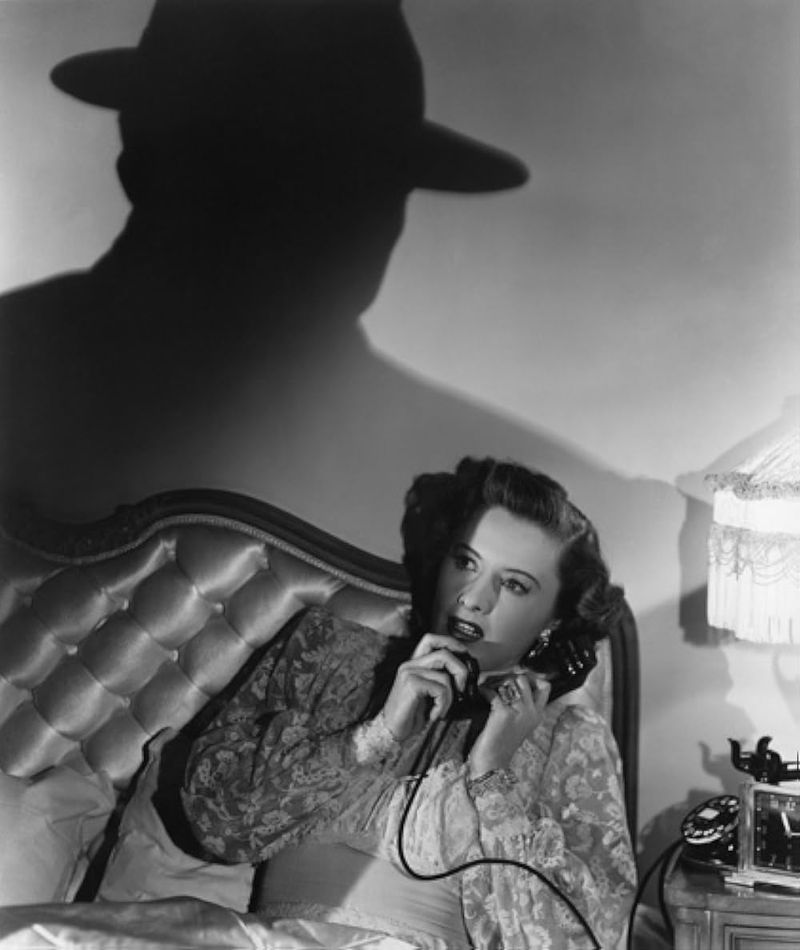
Built almost entirely around telephone conversations, this noir masterpiece demonstrates how limitation breeds creativity.
Barbara Stanwyck plays a bedridden woman who accidentally overhears a murder plot on a crossed phone line.
As she desperately tries to piece together the fragments of conversation, the danger creeps closer to home than she ever imagined.
The film’s genius lies in its mounting dread—each call reveals another puzzle piece until the horrifying picture becomes clear.
Stanwyck delivers a tour-de-force performance, conveying terror through voice and facial expressions alone.
This tight, economical thriller proves that atmosphere and acting can be more powerful than elaborate action sequences.
3. The Conversation (1974)
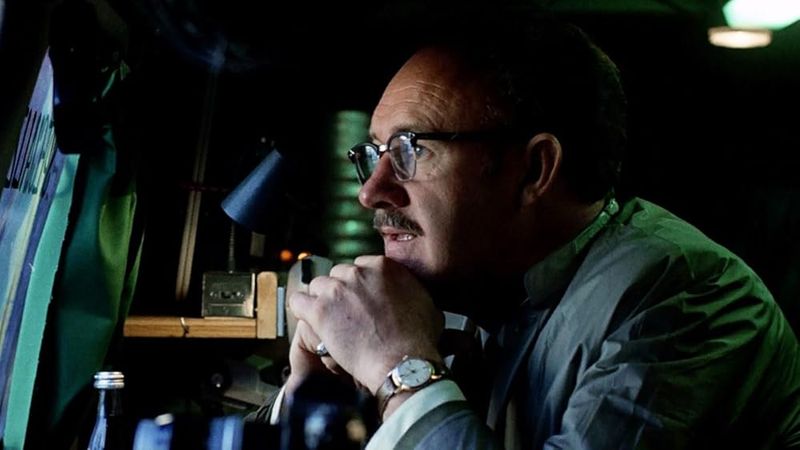
Before privacy concerns dominated headlines, Francis Ford Coppola crafted this prescient thriller about surveillance technology and moral responsibility.
Gene Hackman plays a paranoid wiretapping expert who becomes entangled in a possible murder conspiracy.
His character’s obsessive replaying of a recorded conversation mirrors our own descent into uncertainty about what’s real and what’s imagined.
The film unfolds slowly, building unease through repetition and ambiguity rather than explosive action.
Hackman’s introspective performance captures a man whose professional detachment crumbles when confronted with the consequences of his work.
Its exploration of guilt, isolation, and technological intrusion feels remarkably relevant decades later.
4. It’s a Wonderful Life (1946)
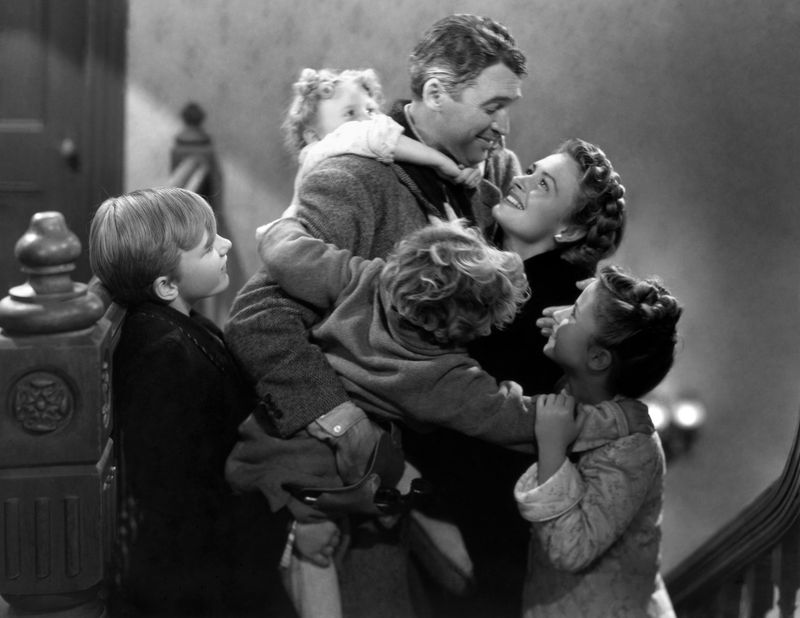
Frank Capra’s beloved holiday classic explores what one person’s existence truly means to their community.
George Bailey stands on a bridge contemplating ending his life when an angel intervenes, showing him how different his town would be if he’d never been born.
The journey through this alternate reality reveals the profound impact of small acts of kindness and sacrifice.
Though often labeled a feel-good movie, it honestly addresses depression, disappointment, and shattered dreams before earning its hopeful conclusion.
James Stewart brings depth to a man wrestling with unfulfilled ambitions and mounting pressure.
Decades later, its message about finding meaning in everyday connections still resonates beautifully.
5. My Best Friend’s Wedding (1997)
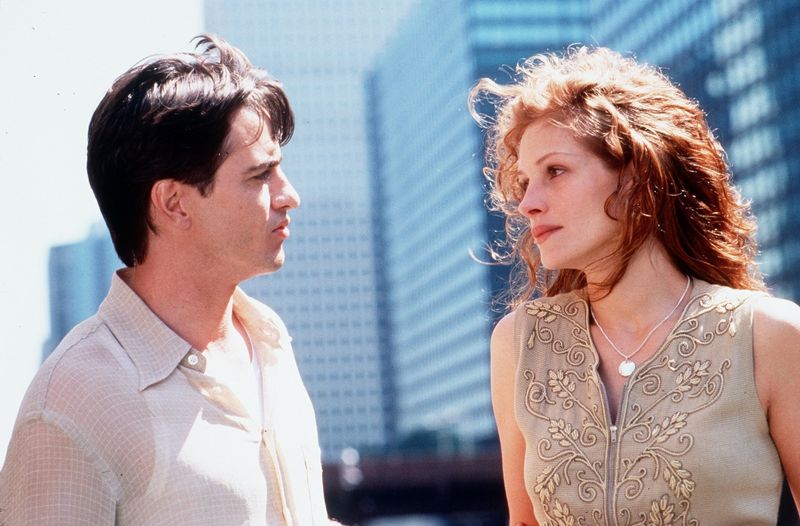
Julia Roberts shines in this clever romantic comedy that flips the genre on its head.
Instead of rooting for the perfect couple, we watch a woman sabotage her best friend’s wedding because she suddenly realizes she’s in love with him.
The witty banter flies fast, and every scheme backfires in delightfully awkward ways.
What makes this film endure is its emotional honesty about jealousy and missed opportunities.
Roberts brings charm and vulnerability to a character who isn’t always likable but remains utterly relatable.
The supporting cast adds depth, particularly Rupert Everett as her hilarious confidant who steals nearly every scene he’s in.
6. Annie Hall (1977)
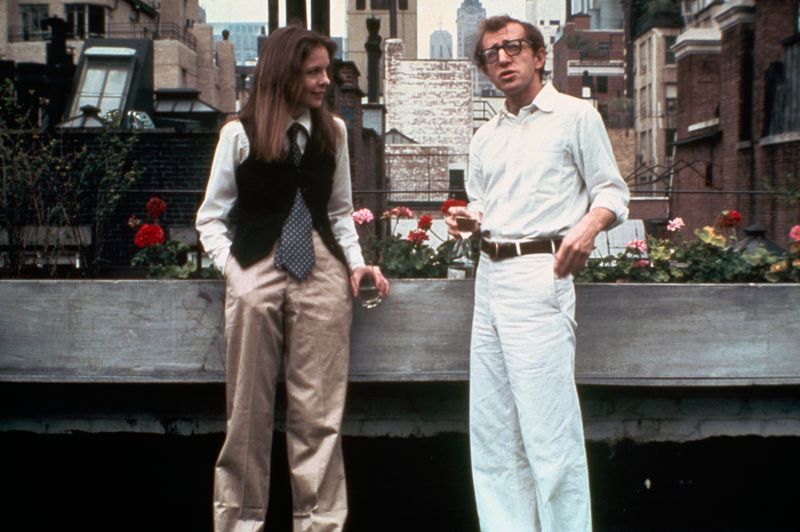
Woody Allen revolutionized romantic comedies by making them smarter, messier, and more emotionally authentic.
This unconventional love story follows a neurotic comedian and a quirky aspiring singer through their relationship’s highs and inevitable lows.
Breaking the fourth wall, jumping through time, and animated sequences keep the storytelling fresh and unpredictable.
Diane Keaton’s iconic performance earned her an Oscar while launching a thousand fashion trends with her menswear-inspired wardrobe.
The dialogue crackles with wit, anxiety, and genuine insight into how relationships unravel despite good intentions.
Its bittersweet ending acknowledges that not all great loves last forever, making it refreshingly honest among romantic comedies.
7. Rear Window (1954)
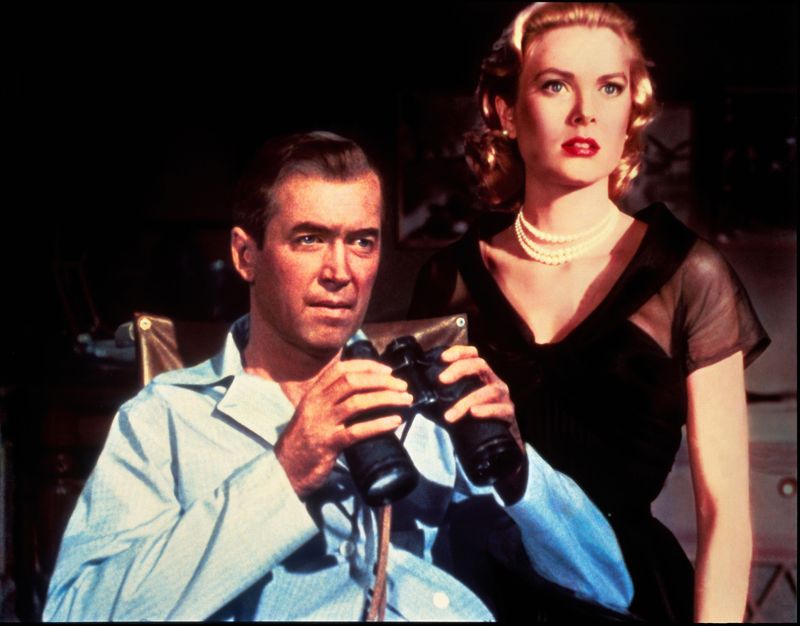
Alfred Hitchcock transforms voyeurism into art with this ingenious thriller set almost entirely in one apartment.
James Stewart plays a photographer confined to a wheelchair who begins spying on his neighbors across the courtyard out of boredom.
When he suspects one of them committed murder, his casual observation becomes dangerous obsession.
The film’s brilliance lies in its visual storytelling—each apartment window reveals mini-dramas playing out simultaneously.
Hitchcock makes us complicit in the protagonist’s voyeurism while questioning the ethics of watching others.
Grace Kelly adds glamour and intelligence as the girlfriend who gets drawn into the investigation, creating one of cinema’s most suspenseful and cleverly constructed mysteries.
8. West Side Story (1961)
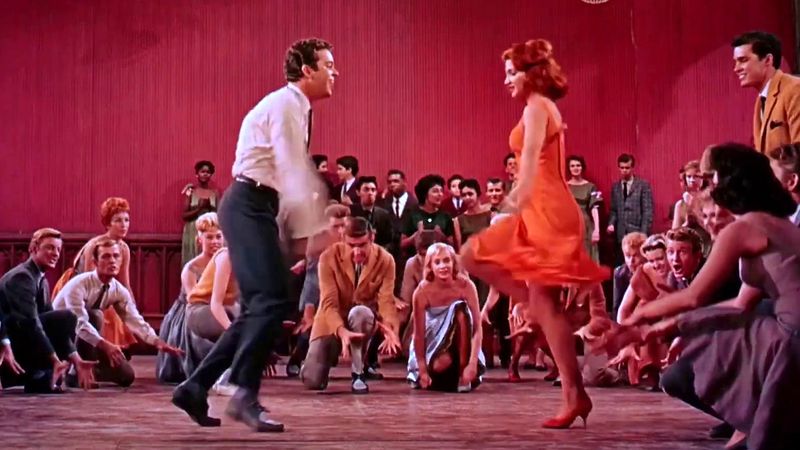
Shakespeare’s Romeo and Juliet gets a bold reimagining set among rival street gangs in 1950s New York City.
The Jets and Sharks battle for territory while Tony and Maria fall desperately in love across the divide.
Leonard Bernstein’s soaring score and Jerome Robbins’ electrifying choreography elevate gang conflict into something operatic and heartbreaking.
The dance sequences remain breathtaking, turning violence and romance into athletic poetry.
Though dated in some respects, the film’s exploration of prejudice, immigration tensions, and doomed young love still packs emotional punch.
Its vibrant colors, memorable songs, and tragic ending ensure its place among cinema’s greatest musicals.
9. Monty Python and the Holy Grail (1975)
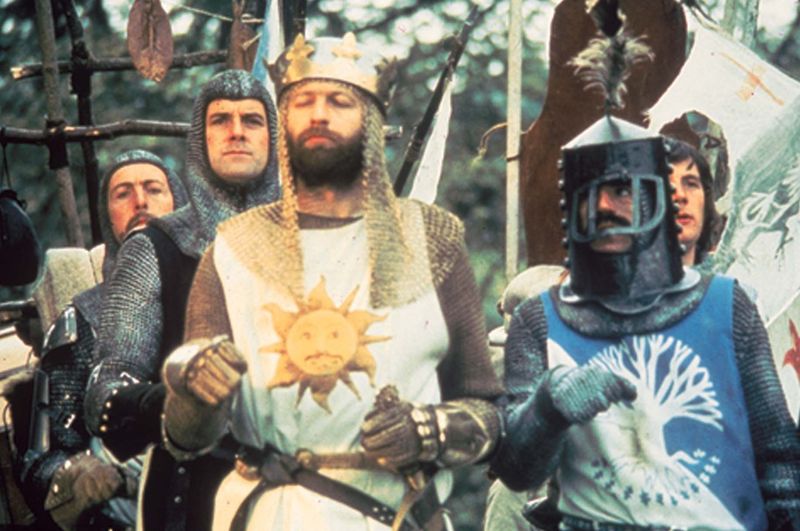
King Arthur and his knights quest for the Holy Grail in this absurdist comedy that gleefully demolishes medieval legend.
Coconuts substitute for horses, a killer rabbit guards a cave, and the French taunt from castle walls in outrageously silly accents.
The Monty Python troupe’s surreal humor and willingness to abandon narrative logic create comedy that defies conventional structure.
Decades later, fans still quote lines like “It’s just a flesh wound” and “Run away!”
The low budget forced creative solutions that became part of the charm.
From the Black Knight’s stubborn refusal to quit fighting to the Bridge of Death’s ridiculous questions, every sketch builds on inspired lunacy that influenced comedy for generations.
10. The Breakfast Club (1985)
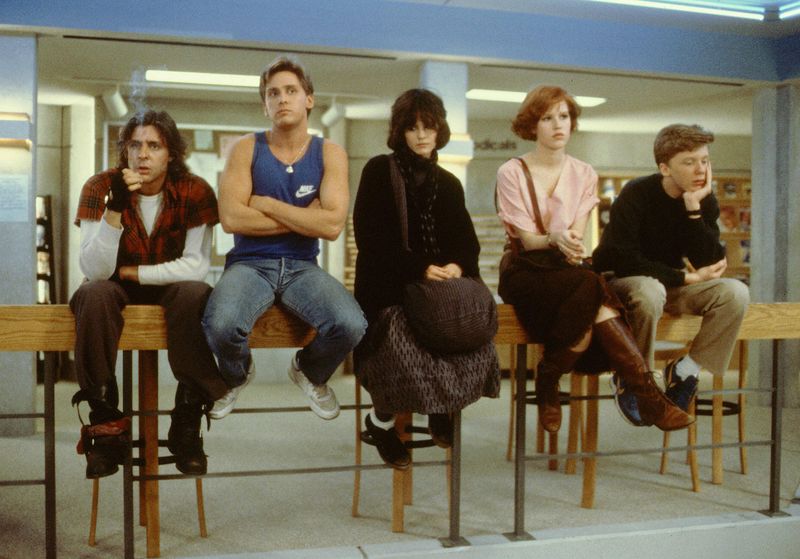
Five high school stereotypes spend Saturday detention together and discover they’re more than the labels society assigns them.
The brain, athlete, basket case, princess, and criminal start as antagonists but gradually reveal vulnerabilities and shared struggles.
John Hughes’ screenplay gives each character depth while honestly portraying the pressures and pain of adolescence.
What keeps this film relevant is its emotional authenticity—the conversations feel real rather than scripted, touching on family dysfunction, social pressure, and identity confusion.
The ensemble cast delivers breakthrough performances that launched several careers.
Though fashions have changed, the core truths about teenage life and the desire to be truly seen remain timeless.
11. Funny Girl (1968)
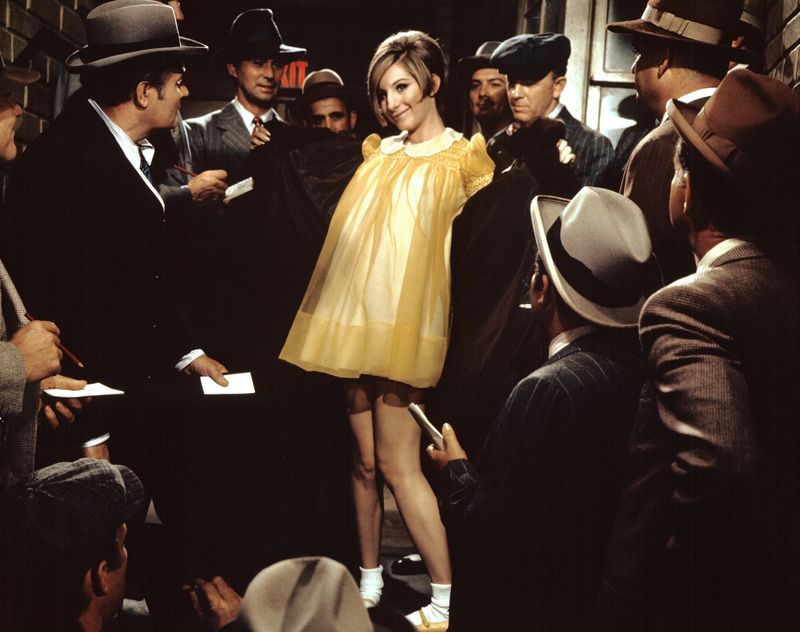
Barbra Streisand exploded onto the screen in this musical biography of vaudeville star Fanny Brice.
Her powerhouse voice and comedic timing make every scene electric, whether she’s belting out show-stoppers or delivering self-deprecating jokes.
The film traces Fanny’s rise from awkward outsider to Broadway sensation while exploring her complicated marriage to charming gambler Nick Arnstein.
Streisand’s Oscar-winning performance balances ambition, humor, and heartbreak as Fanny learns that professional success can’t compensate for romantic disappointment.
The musical numbers showcase her extraordinary talent while the dramatic scenes reveal genuine acting chops.
Its message about choosing yourself over a failing relationship still empowers viewers today.
12. 12 Angry Men (1957)
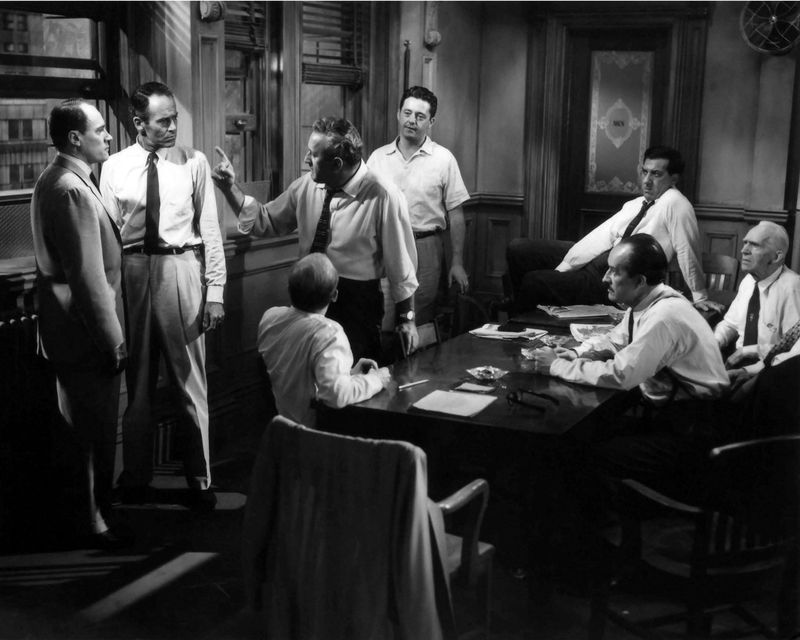
Twelve jurors must decide a teenager’s fate in a murder trial that seems open-and-shut—until one man votes not guilty.
What unfolds is a masterclass in dialogue-driven drama as Juror 8 systematically challenges assumptions and exposes prejudices.
Sidney Lumet’s direction keeps the single-room setting visually dynamic while the script reveals each juror’s biases and backgrounds.
Henry Fonda anchors the ensemble with quiet conviction as the voice of reasonable doubt.
The film explores justice, moral courage, and how personal experiences shape judgment.
Despite minimal action, the tension builds relentlessly as certainty crumbles under scrutiny.
Its examination of prejudice and the responsibility of civic duty remains powerfully relevant today.
Comments
Loading…