
 Harper Hall
14 Movies Where No One Gets a Happy Ending

Not every movie ends with a kiss in the rain or a triumphant victory. Some films take audiences on dark journeys where characters face devastating consequences, and hope seems like a distant memory.
These stories stick with us precisely because they refuse to offer easy comfort or tidy resolutions. Prepare yourself for fourteen unforgettable films that prove happy endings aren’t always necessary for powerful storytelling.
1. Oldboy (2003)
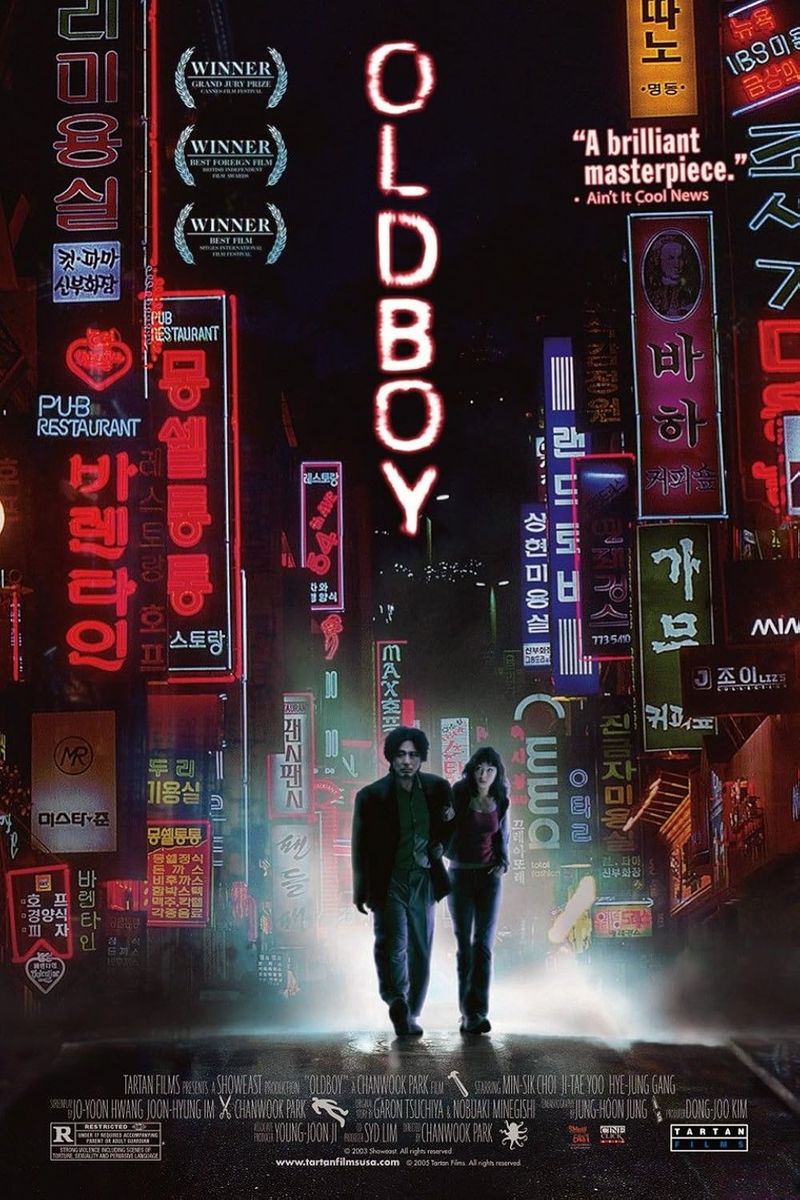
Park Chan-wook’s masterpiece follows a man imprisoned for fifteen years without explanation, only to be released just as mysteriously.
His quest for revenge becomes a twisted maze of manipulation and horror.
The shocking revelation at the end destroys everything he thought he knew about his life.
Violence permeates every frame, but the psychological torture cuts deeper than any physical wound.
Oh Dae-su’s journey ends not in triumph but in devastating self-mutilation and denial.
The villain wins by orchestrating a punishment so cruel that death would have been merciful.
This Korean thriller remains unforgettable because it refuses redemption for anyone involved in its dark tale.
2. Melancholia (2011)
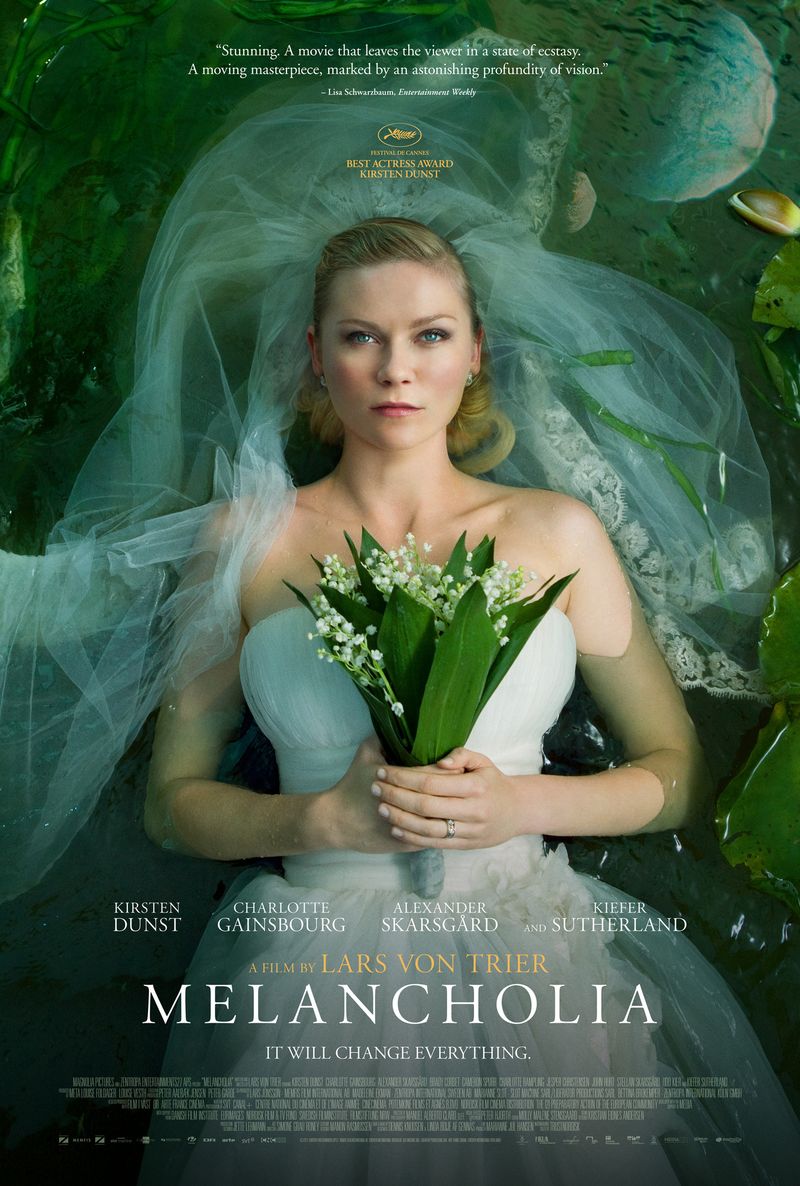
By turning depression into a literal celestial threat, Lars von Trier creates a powerful metaphor for mental illness.
Justine’s despair aligns with the planet’s approach, signaling total annihilation, while Claire desperately searches for hope.
Justine’s quiet acceptance makes the ending deeply unsettling.
Wealthy characters throw lavish parties and maintain their routines even as doom approaches overhead.
Scientific calculations prove wrong, and the planet doesn’t pass by harmlessly as predicted.
The final moments show the family huddled together as Melancholia collides with Earth, obliterating everything.
Nobody survives, nobody finds peace, and the universe continues indifferently after humanity’s extinction in this haunting meditation on despair.
3. Atonement (2007)
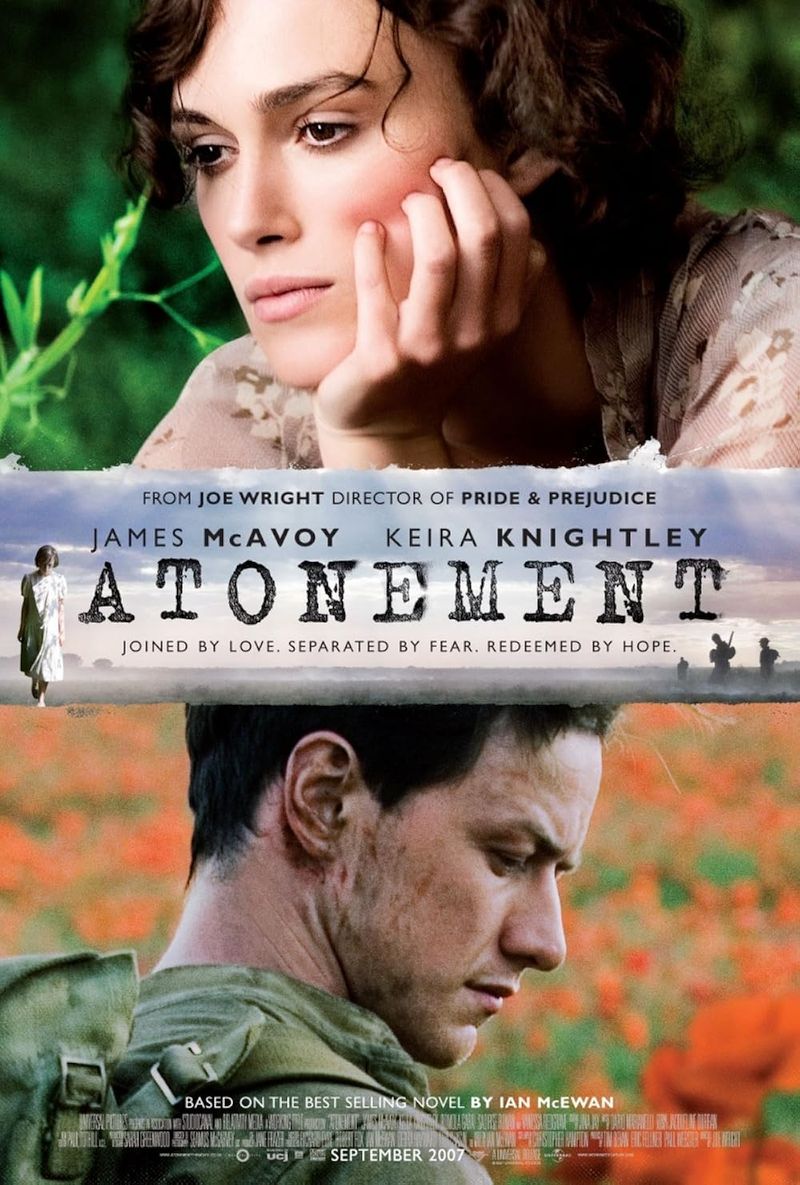
Young Briony’s false accusation destroys two lives and haunts her for decades afterward.
Robbie gets sent to prison for a crime he didn’t commit, then to war where conditions prove brutal.
Cecilia waits faithfully, but their reunion never happens outside of fiction.
The elderly Briony reveals in the final scenes that she invented a happy ending in her novel because reality offered none.
Both Robbie and Cecilia died separately during the war, never reconciling or finding peace.
Her atonement remains incomplete because words cannot undo the damage her childhood lie caused.
The film strips away its beautiful fantasy to show that some mistakes carry consequences too heavy to ever truly fix.
4. Manchester by the Sea (2016)
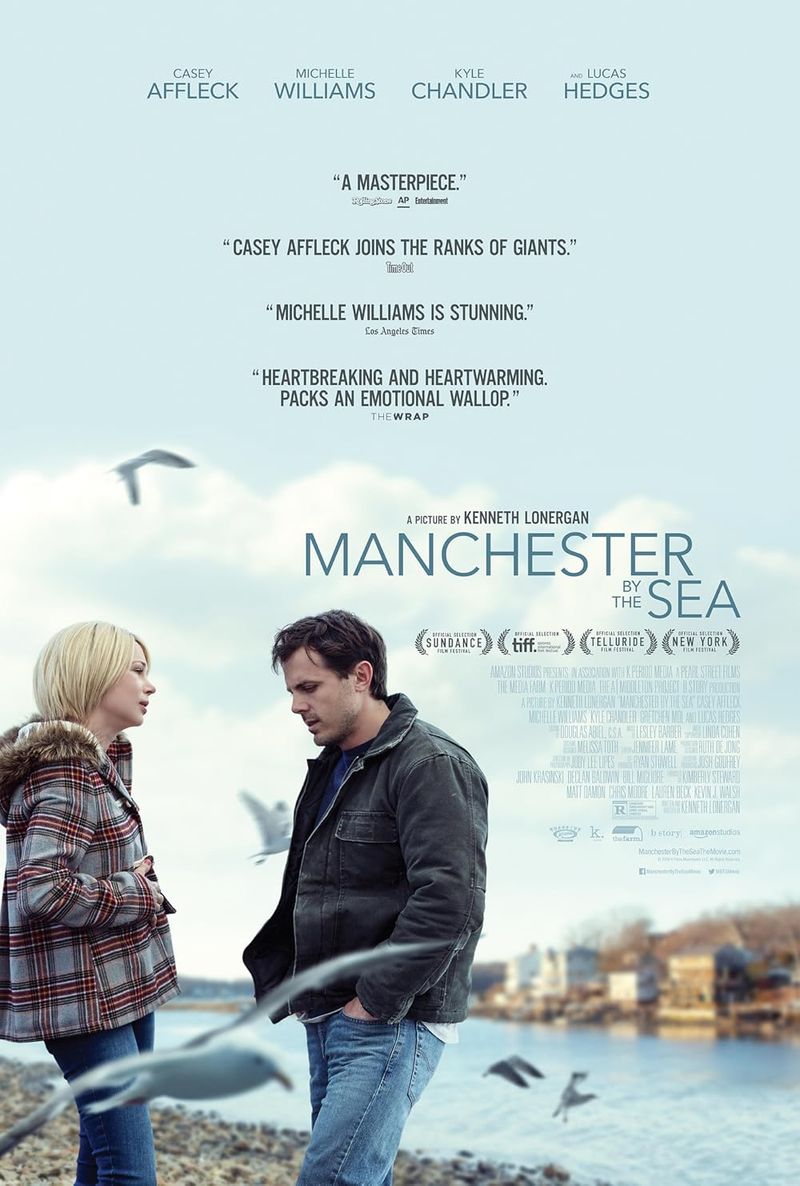
In this unflinching character study, Lee Chandler’s past tragedy shadows every choice he makes.
A fire he accidentally caused killed his three children, destroying his marriage and his sense of self.
Following his brother’s death, Lee must confront both family obligations and his own grief as he returns home to care for his nephew.
Small moments of connection offer glimpses of healing, but Lee cannot forgive himself or move forward.
His ex-wife’s tearful attempt at reconciliation on the street goes nowhere meaningful.
Patrick, the nephew, will be okay, but Lee returns to his isolated life as a janitor.
The film ends without redemption or closure, just a damaged man continuing to survive rather than truly live.
5. Irreversible (2002)
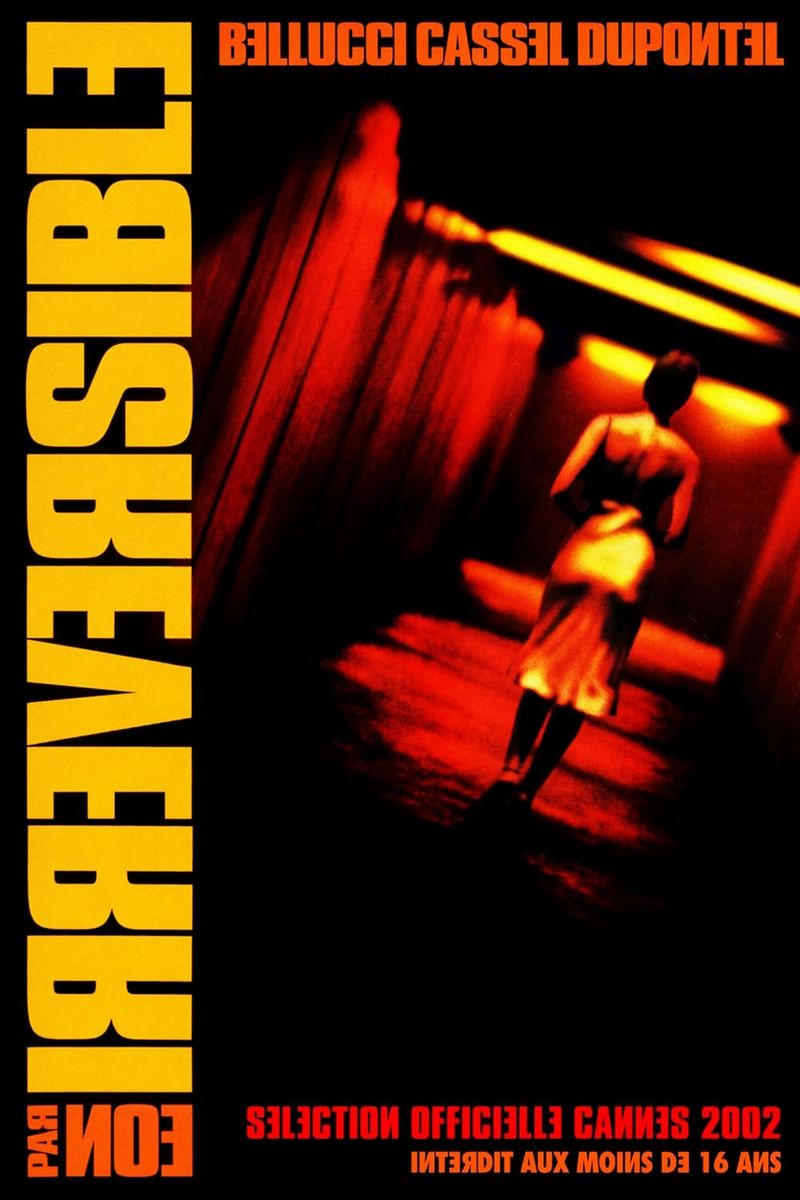
Gaspar Noé tells this brutal story in reverse chronological order, beginning with horrific violence and ending with peaceful innocence.
Marcus and Pierre seek revenge for a savage assault on Alex, but their rampage leads them to the wrong man.
Innocent people die while the actual perpetrator escapes justice entirely.
The film’s backwards structure means we see the happy couple before knowing what horror awaits them.
Alex’s brutal assault in an underpass remains one of cinema’s most difficult scenes to watch.
The story concludes (or begins) with Alex happy in a park, unaware of the nightmare approaching.
Time destroys everything, the film suggests, and violence only creates more victims without solving anything or bringing closure.
6. Requiem for a Dream (2000)
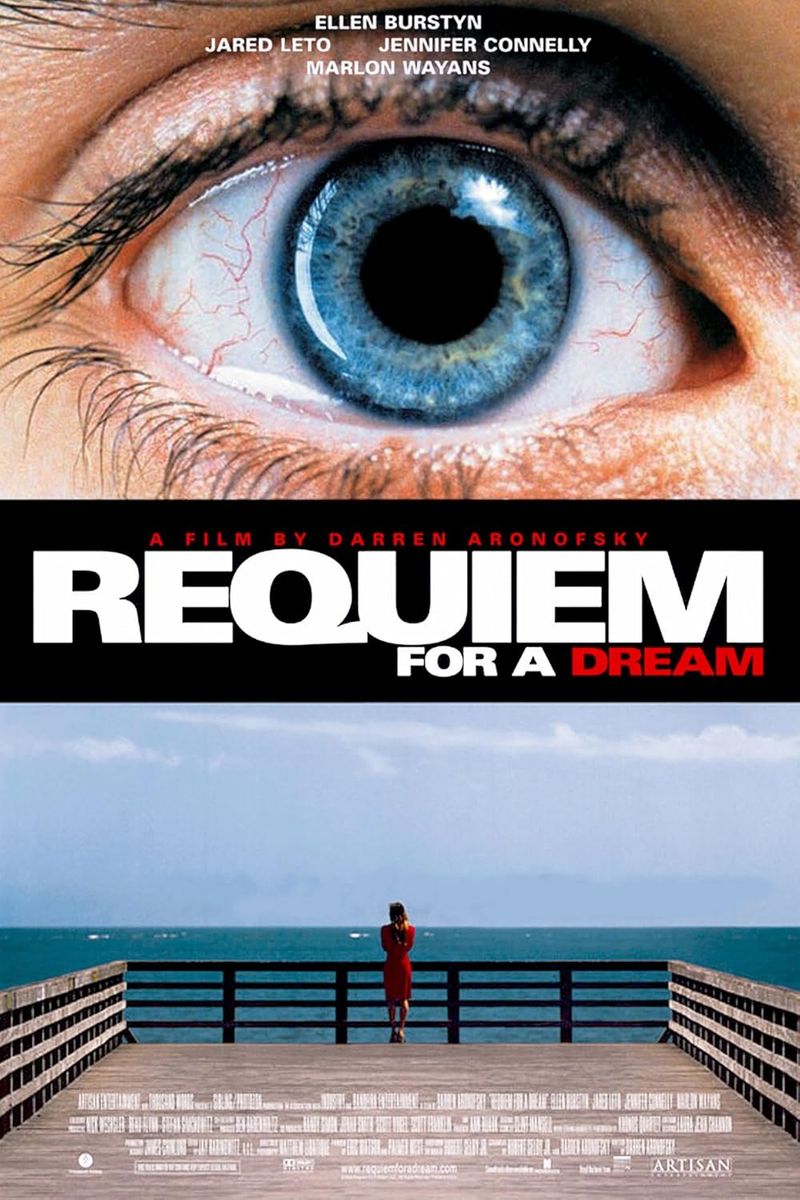
Darren Aronofsky’s nightmare about addiction shows four people destroying themselves chasing different dreams.
Harry and Marion’s love cannot survive their heroin dependency.
Tyrone ends up in a racist prison system that will crush him.
Marion prostitutes herself in degrading situations to feed her habit.
Sara, Harry’s mother, becomes addicted to diet pills while fantasizing about appearing on television.
Her descent into amphetamine psychosis leads to electroshock therapy and a vegetative state.
The rapid-fire editing and haunting score emphasize the downward spiral consuming everyone.
The film ends with all four characters isolated, broken, and defeated by their addictions with no hope of recovery or redemption offered.
7. The Virgin Suicides (1999)

In her debut, Sofia Coppola portrays five sisters growing up under strict parental supervision in 1970s suburbia.
The outside world, embodied by curious neighborhood boys, offers no relief.
Cecilia’s suicide only tightens the family’s oppressive grip, magnifying their sorrow and entrapment.
The remaining sisters plan an escape with the boys, but it turns out to be a setup.
When the boys return after getting a car, they discover the girls have all taken their own lives.
The parents move away, leaving the boys haunted by memories they’ll never fully understand.
The dreamlike narration emphasizes how the girls remained mysterious and unknowable even in death, their suffering invisible until too late.
8. In Bruges (2008)
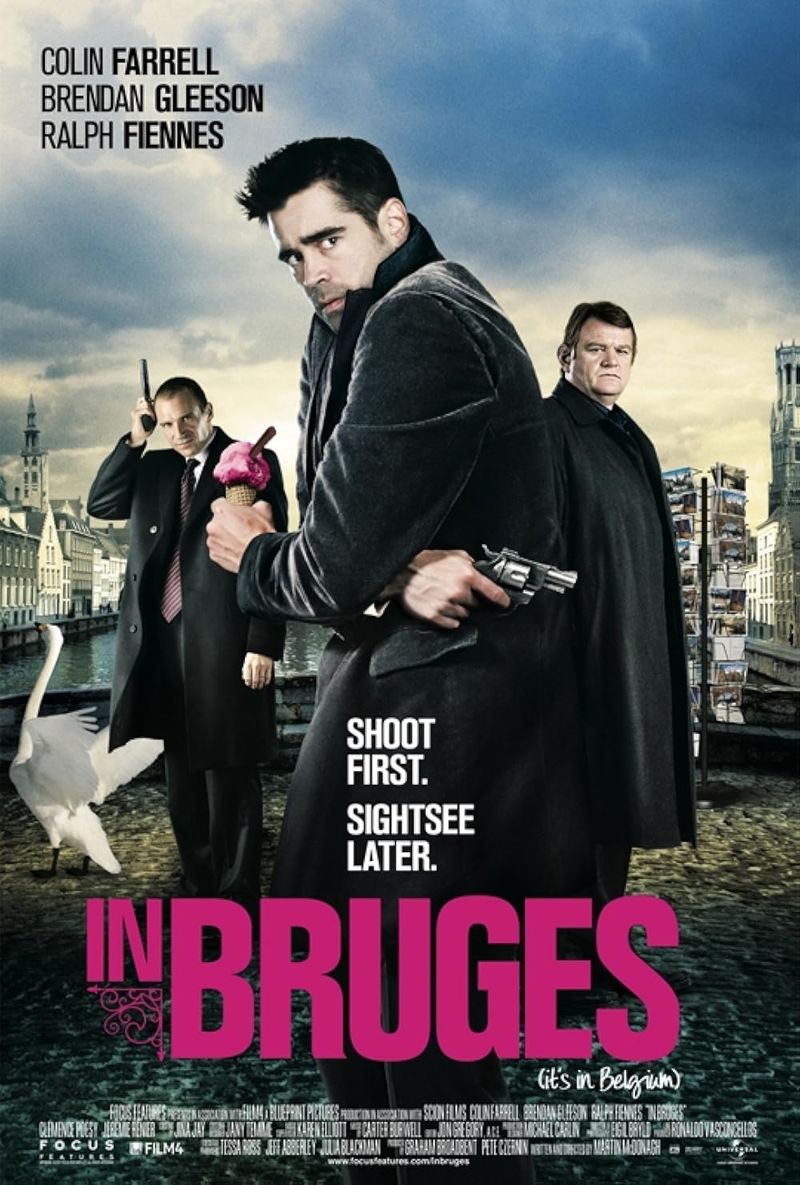
Martin McDonagh’s dark comedy follows two hitmen hiding in Belgium after a job goes wrong.
Ray accidentally killed a child during a hit and spirals into suicidal guilt.
Ken receives orders to kill Ray but cannot bring himself to murder someone so broken and young.
Ken sacrifices himself to save Ray, but their boss Harry tracks Ray down anyway because of his strict moral code.
A chaotic shootout in the medieval town square leads to more innocent deaths.
Ray survives physically but remains psychologically destroyed by the child’s death.
The film ends with Ray uncertain whether he wants to live, his guilt unresolved and his future bleak despite escaping immediate death.
9. Revolutionary Road (2008)

1950s suburbia gleams on the outside, but inside the Wheeler household, frustration and longing fester.
Frank and April chase the idea of escape, yet every step toward Paris reveals how fragile their love has become.
April becomes pregnant again, destroying their escape plans and any remaining hope for change.
She attempts to give herself an abortion and dies from the complications.
Frank continues his hollow existence, raising their children in the same suburban prison they both hated.
The film concludes with their neighbor’s husband turning off his hearing aid as his wife discusses the tragedy, symbolizing willful ignorance to suburban suffering.
10. Romeo + Juliet (1996)

Baz Luhrmann modernized Shakespeare’s tragedy with guns, cars, and a kinetic visual style while keeping the original dialogue.
Two teenagers from rival families fall desperately in love in a violent, stylized version of Verona Beach.
Their secret marriage cannot survive the hatred surrounding them.
Romeo kills Juliet’s cousin in a moment of rage, leading to his banishment and their separation.
Miscommunication about Juliet’s faked death leads Romeo to poison himself beside her body.
She wakes moments too late, finds him dead, and shoots herself.
The feuding families reconcile over the bodies of their children, but the price paid makes any peace feel hollow and pointless.
11. American History X (1998)
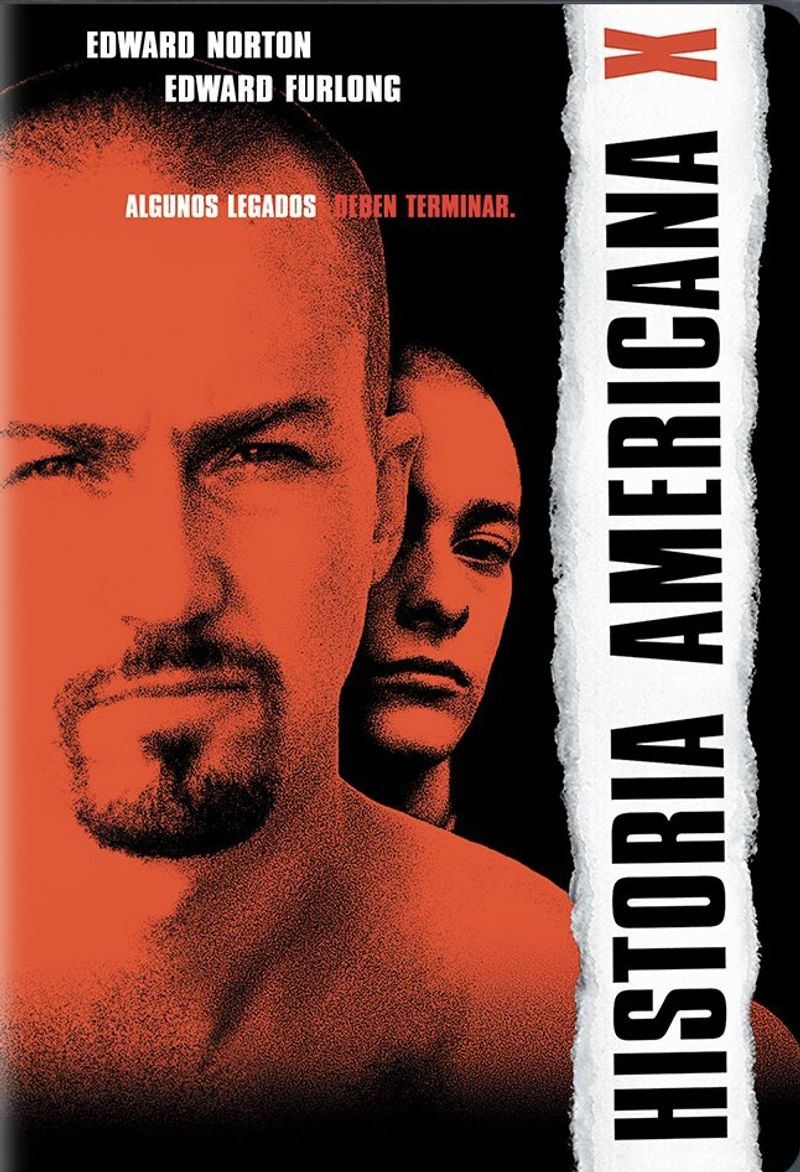
Racism and revenge define Derek Vinyard’s early life, but prison and the guidance of a compassionate teacher spark a fragile transformation.
Tony Kaye’s powerful drama explores redemption, responsibility, and the desperate struggle to prevent a younger brother from following a path of hatred.
Derek shares his hard-earned wisdom and the brothers seem to reconnect meaningfully.
Danny writes an essay about his brother’s transformation and redemption.
Just when hope appears possible, Danny gets shot and killed in a school bathroom by a Black student he previously antagonized.
The cycle of hatred and violence continues despite Derek’s change of heart, proving that redemption doesn’t guarantee salvation or happy endings.
12. A Simple Plan (1998)

Sam Raimi directed this thriller about ordinary people corrupted by discovered money.
Hank, his brother Jacob, and their friend find millions in a crashed plane.
Their plan to keep the money seems simple until paranoia and violence spiral out of control.
Hank transforms from a decent man into a murderer protecting his secret fortune.
Jacob, learning he’ll be blamed for everything, asks Hank to kill him and make it look like suicide.
Hank complies, murdering his own brother, only to discover the money must be returned anyway.
The film ends with Hank’s marriage strained, his brother dead by his hand, and his soul destroyed for wealth he never got to keep.
13. The Pianist (2002)
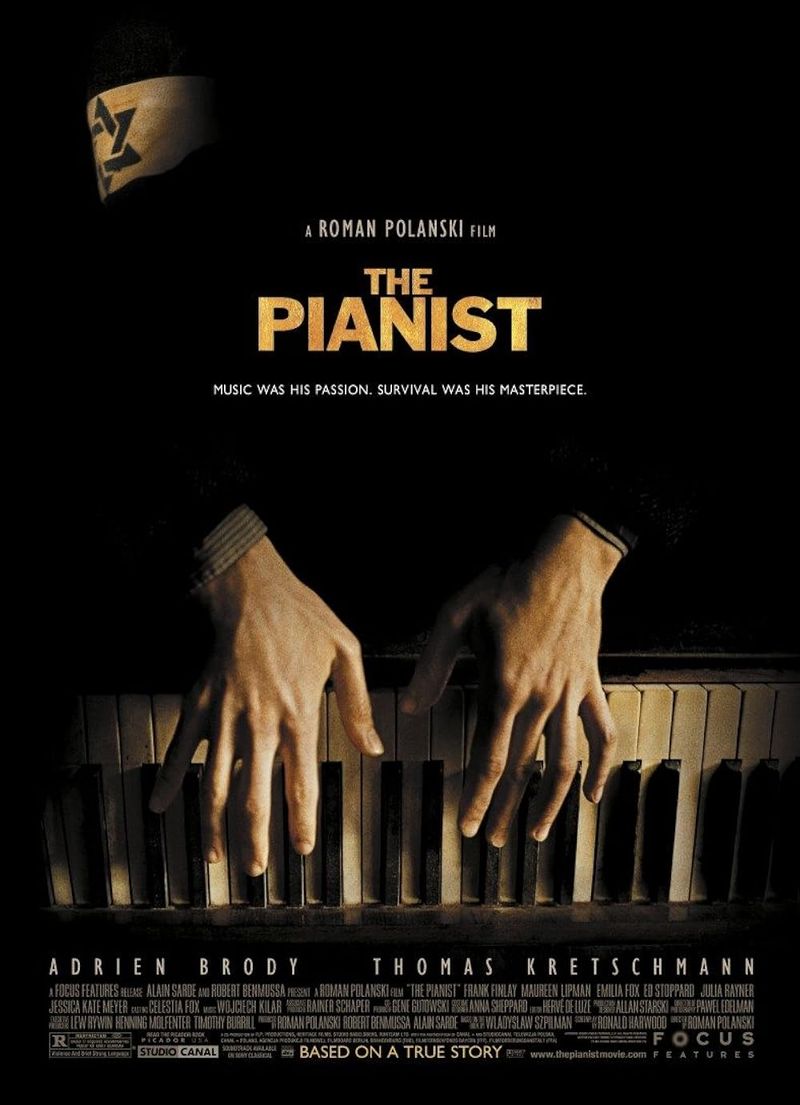
Amid the devastation of the Warsaw Ghetto, pianist Władysław Szpilman is left alone to navigate a city consumed by death.
Roman Polanski’s haunting film captures his fight for survival, hiding among rubble and starvation while his family is sent to the camps.
A German officer discovers him but spares his life after hearing him play piano, showing brief humanity amid genocide.
Szpilman survives the war, but his family perishes in the camps.
The German officer who saved him dies in a Soviet prison camp.
Survival comes at the cost of everything Szpilman loved, and the film acknowledges that living through such horror means carrying unbearable loss forever.
14. Joker (2019)
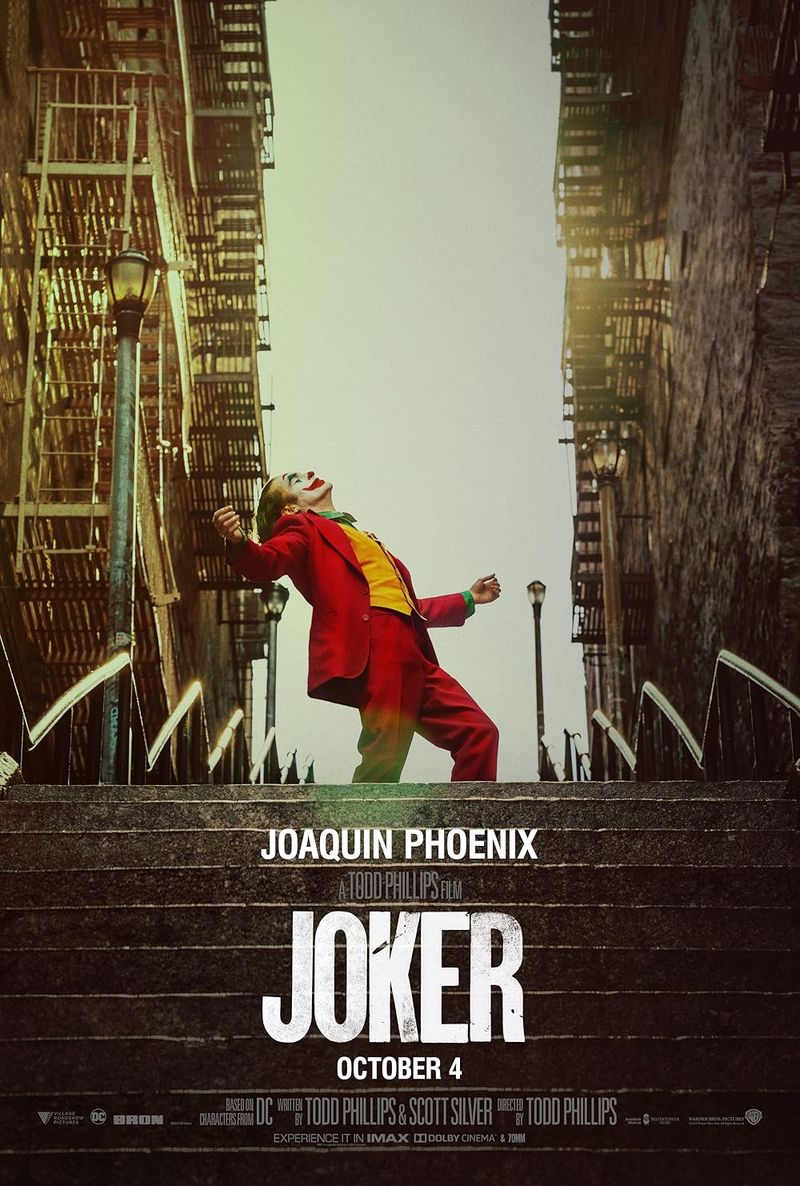
Todd Phillips reimagined Batman’s nemesis as a mentally ill man failed by society in this disturbing character study.
Arthur Fleck suffers from a neurological condition causing inappropriate laughter and struggles to survive in a cruel Gotham City.
His social worker loses funding, his medication disappears, and violence becomes his only language.
Arthur’s descent into the Joker persona inspires citywide riots and chaos that he never intended to lead.
He murders a talk show host on live television, becoming an icon for angry masses.
The film ends with Arthur in an institution, laughing at a joke we’ll never understand.
His transformation brings no satisfaction or victory, only madness and the destruction of whatever humanity remained in Arthur Fleck.
Comments
Loading…