
 Isabel Parker
12 Life Lessons I Learned From Failing (Repeatedly)

Most people talk about failure like it’s a single dramatic moment, but my experience has been far less cinematic and a lot more repetitive.
I’ve failed in ways that were public, quiet, expensive, embarrassing, and occasionally all at once.
I’ve launched things that went nowhere, chased plans that fizzled out, and replayed the same mistakes because I truly believed I’d “learned my lesson” the first time.
The humbling part is realizing that failure doesn’t always teach you instantly; sometimes it teaches you in installments.
Still, if you stay honest, adjust your approach, and keep moving, repeated failure can turn into something surprisingly useful.
These are the life lessons I didn’t want, didn’t ask for, and absolutely needed—and if you’re in a rough season right now, I hope they make you feel less alone and more prepared for what comes next.
1. Failure isn’t a verdict—it’s data

Every time something collapsed, it handed me a report card full of clues.
Patterns emerged, not punishments: timing was off, assumptions were wrong, or the approach needed a tune up.
That shift turned panic into curiosity and made setbacks feel like experiments.
You can ask better questions when you treat results like feedback, not identity.
What went right, even a little?
What bottleneck kept everything stuck, and what tiny lever could move it tomorrow?
Data is unemotional, which helps when emotions run loud.
Instead of spiraling, you can review the tape, note the variables, and rerun the test with tweaks.
Failure becomes a lab, not a courtroom.
2. Consistency beats “talent” when motivation disappears

Motivation ghosts you on rainy Tuesdays.
Systems don’t.
The people who quietly win set low friction routines that execute even when the vibe is missing.
You don’t need a perfect plan.
You need a plan you can keep when you’re tired, busy, or bored.
Five daily reps beat one heroic sprint that burns you out for weeks.
Talent opens a door.
Consistency keeps you in the room long enough to learn the steps and own the stage.
Build a minimum standard you almost never miss, and watch the compounding take over.
3. My ego was often the real problem

It wasn’t skill I lacked.
It was humility.
Asking for help felt like weakness, so I muscled through and made simple mistakes the smart version of me could have avoided.
Ego kept the learning gates closed.
Once I cracked them open and asked dumb questions, progress sped up.
Starting small stopped feeling like an insult and started feeling like a clean slate.
If you’re stuck, check pride first.
Can you admit the gap, take the beginner seat, and let others hand you shortcuts?
Growth accelerates when your identity stops trying to drive.
4. Trying to do it perfectly is just procrastination in a fancy outfit

Polishing the first sentence for an hour felt productive.
It wasn’t.
It was fear playing dress up, delaying the only thing that moves the needle: shipping.
The messy first draft is a ticket to momentum.
Once something exists, you can shape it, cut it, and sand the edges.
Before that, you’re decorating a blank wall and calling it progress.
Set a tiny deadline and hit publish ugly.
You’ll cringe.
Then you’ll improve twice as fast, because reality gives clearer notes than your imagination ever will.
5. Rejection is redirection (and sometimes protection)

Some doors slammed because I wasn’t ready.
Others shut because the room behind them was wrong for me.
I’m grateful to both now.
A no pushed me toward projects where my skills actually mattered.
It also saved energy I would have spent forcing fit.
Looking back, the near misses were plot twists that kept the story interesting.
When rejection hits, ask what it might be guarding you from.
A mismatch can look glamorous from far away.
Up close, misaligned values and expectations drain you dry.
6. If I’m not willing to be bad at something, I’ll never be good at it
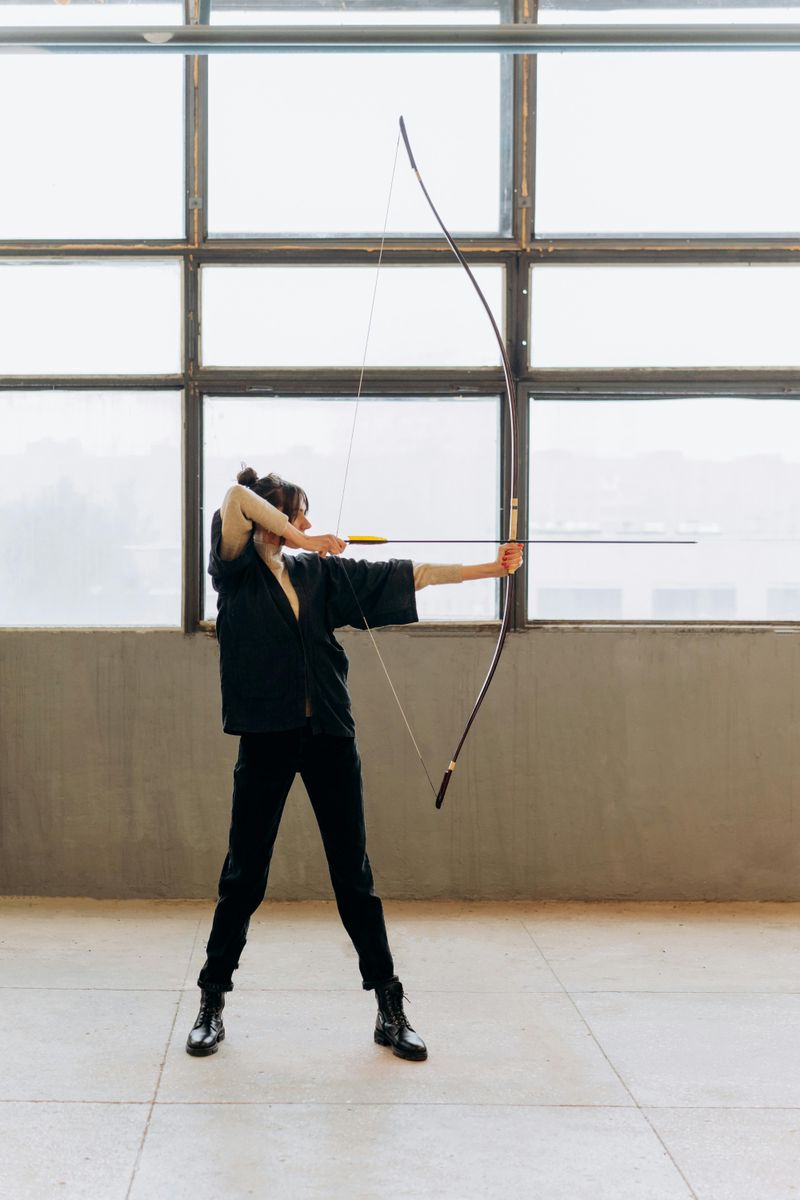
The entry fee for excellence is awkwardness.
Wobbly first steps, off key notes, clumsy drafts.
You pay in public or you never enter the room.
Once you accept that early attempts will be ugly, you unlock repetition without shame.
Reps transform embarrassing into effortless.
That’s the whole trick.
Let yourself be hilariously bad for a while.
Relax your shoulders, keep the reps short, and track tiny wins.
Confidence shows up to the practice, not the fantasy.
7. My habits mattered more than my goals

Big goals felt cinematic.
The daily cues, triggers, and tiny checkmarks actually changed me.
Identity shifted by what I did on boring days, not what I declared on exciting ones.
Systems reduced decision fatigue.
Same time, same place, same tiny action.
Goals pointed the compass, while habits moved my feet in that direction.
Design a routine that survives chaos.
Make it smaller than you think and attach it to existing anchors.
The scoreboard will take care of itself when your calendar runs the play.
8. I was underestimating how long things take
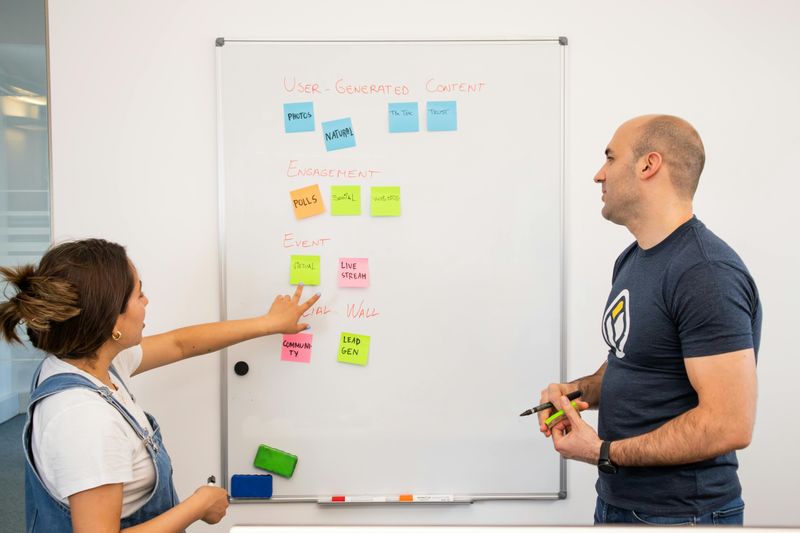
Everything important needed more cycles.
More drafts, more conversations, more quiet thinking than my optimistic brain predicted.
Deadlines weren’t wrong, just naive.
Once I started padding timelines, stress dropped and quality rose.
Staying in the game longer beat scrambling at the buzzer.
Patience turned into a competitive advantage.
When pacing feels slow, remember compounding needs time to work.
Keep the flywheel turning, keep showing up, and let the calendar do some heavy lifting for you.
9. The “right time” is usually a myth

Waiting for perfect conditions kept me parked.
Weather never cooperated.
Nerves never vanished.
The green light appeared only after I pressed the gas.
Starting while scared built momentum that planning never did.
Tiny actions made the path visible.
Courage arrived late, but it did arrive once I moved.
If you’re hesitating, pick the smallest next step and do it today.
Ready is a feeling that follows action, not a prerequisite for it.
10. Confidence is built after action—not before it

I kept hunting for confidence like it was a key.
Turns out it is a receipt.
You do the thing shaky, survive, and your brain prints proof.
Repetition signs the receipt in bold ink.
Each attempt whispers you can handle more.
Eventually the whisper becomes the new normal.
If you want confidence, earn evidence.
Stack tiny wins, save the screenshots, and revisit them when doubt gets loud.
Action writes the story confidence reads from.
11. Feedback stings, but it shortcuts improvement

Unfiltered notes can smack the ego.
Then they shave months off the journey.
The fastest leaps happened when I asked one focused question: what is one thing I can fix?
Vague praise feels nice and changes nothing.
Specific critique feels spicy and changes everything.
You don’t need to adopt every note, just test the sharp ones.
Ask early, ask often, and ask people who do the thing well.
You’ll win speed, clarity, and fewer blind spots.
That’s worth a short sting.
12. Resilience is a skill you can practice

Bouncing back wasn’t a personality trait I lacked.
It was a muscle that needed reps.
Small recoveries built capacity for bigger ones.
Rituals helped: sleep, movement, journaling, honest talks with friends.
When setbacks hit, those anchors kept me from drifting too far.
The bounce shortened over time.
Practice recovery on purpose.
Try challenges that stretch you, then restore.
You’ll fear failure less when you trust your ability to return stronger.
Comments
Loading…