
 Mary Murphy
12 Expectations Placed on Women That No One Questions

Society has created countless invisible rules that women are expected to follow without question. From childhood through adulthood, these unspoken expectations quietly shape how women act, dress, speak, and even think about themselves.
Because these demands are so deeply ingrained and widely accepted, they often feel “normal,” leaving little room to pause, question them, or consider who they truly serve.
1. Always Appearing Pleasant and Friendly

Women face constant pressure to smile and seem approachable, even to strangers.
Walking down the street often means hearing “Smile, it can’t be that bad” from random people.
This demand doesn’t apply equally to men, who rarely get told to change their expressions.
The expectation creates exhaustion because faking happiness takes real emotional energy.
Women worry about seeming rude or unfriendly if they don’t constantly radiate warmth.
Their actual feelings take a backseat to making others comfortable.
Breaking this pattern means recognizing that neutral expressions are perfectly acceptable.
Nobody owes strangers a performance of cheerfulness just for existing in public spaces.
2. Taking Primary Responsibility for Household Management

Even when both partners work full-time jobs, women typically handle most domestic planning.
They remember doctor appointments, track when groceries run low, and coordinate family schedules.
This invisible labor exhausts them while often going completely unnoticed.
Men might “help” with chores, but women usually carry the mental burden of organizing everything.
They create shopping lists, plan meals for the week, and remember which child needs new shoes.
This management work never truly ends.
Fair partnerships require sharing this cognitive load, not just completing assigned tasks.
Everyone benefits when household responsibilities get distributed more evenly across all family members.
3. Maintaining a Youthful Appearance at All Costs
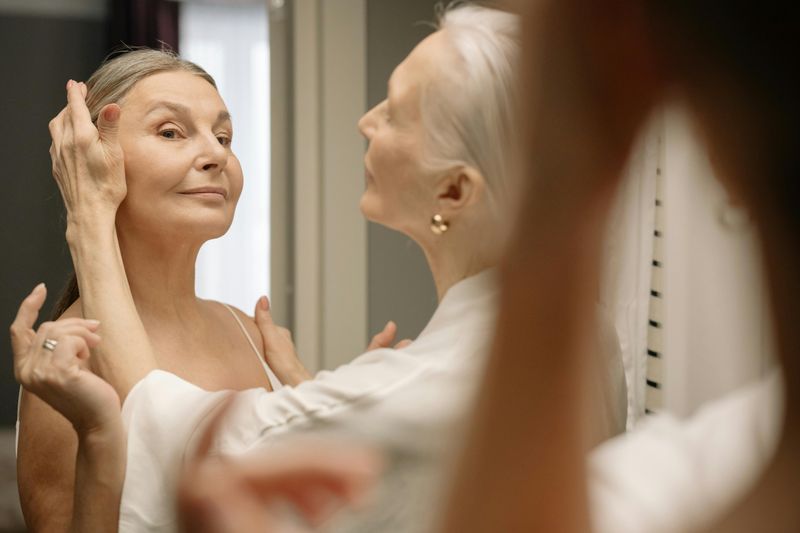
Aging naturally feels like failure when society celebrates only young-looking women.
Wrinkles, gray hair, and other natural changes become problems requiring expensive solutions.
Meanwhile, men with gray hair get called distinguished and attractive.
The beauty industry profits billions by convincing women that aging is something to fight desperately.
Anti-aging creams, procedures, and treatments promise to turn back time.
Women spend countless hours and money trying to look decades younger.
True freedom comes from accepting that bodies change over time and that’s completely normal.
Aging represents experience, wisdom, and years of living fully rather than something shameful to hide.
4. Being the Emotional Caretaker in Relationships
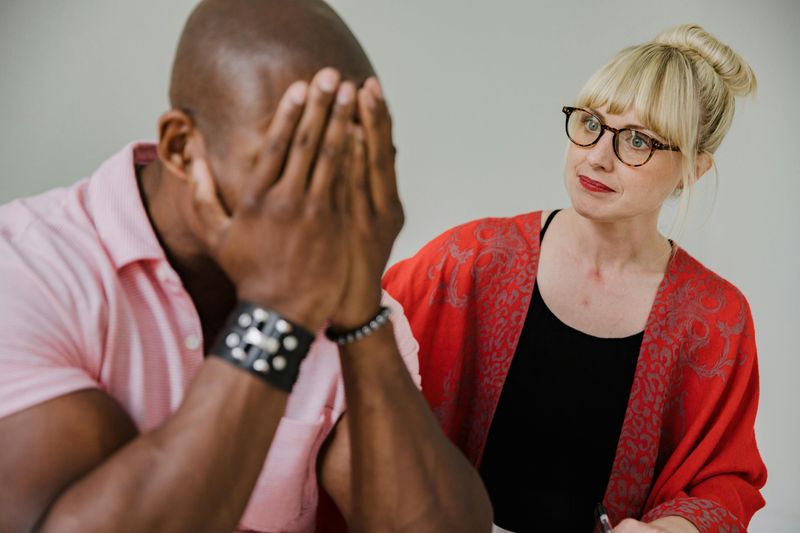
Women automatically become responsible for managing everyone’s feelings, from partners to children to coworkers.
They notice when someone seems upset and take charge of fixing emotional problems.
This unpaid therapy work drains their own emotional reserves.
Partners expect women to decode their feelings and initiate difficult conversations about relationship issues.
Women must navigate emotional landscapes while also managing their own internal experiences.
The burden becomes overwhelming when nobody reciprocates this care.
Healthy relationships require both people to handle their emotions and support each other equally.
Women shouldn’t carry sole responsibility for maintaining emotional harmony in every relationship they have.
5. Dressing Appropriately Without Being Too Revealing
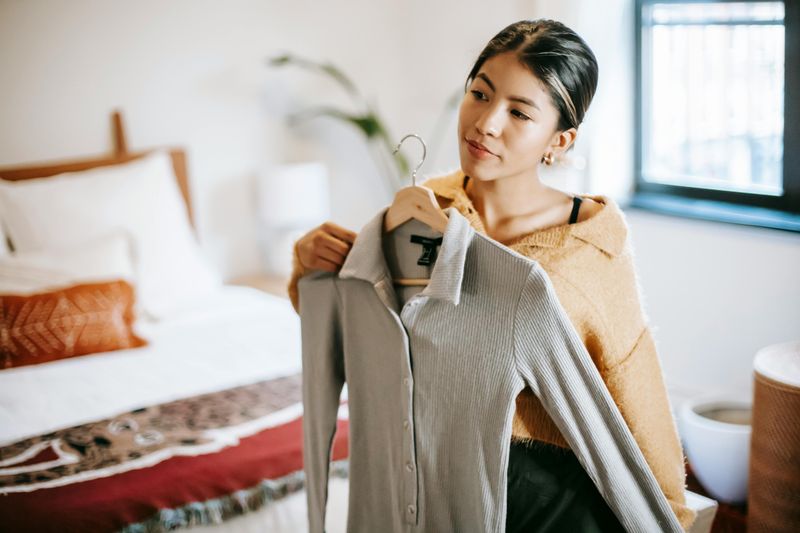
Finding the perfect balance between attractive and modest creates impossible standards that shift constantly.
Clothing choices face scrutiny whether women dress conservatively or show more skin.
School dress codes target girls specifically, teaching them their bodies distract others.
Professional environments demand women look polished and feminine without appearing too sexy or distracting.
Summer heat doesn’t change expectations, leaving women sweltering in layers while men wear shorts.
Judgment comes regardless of choices made.
Women deserve to wear whatever feels comfortable without constant commentary about their bodies.
Clothing choices belong to the person wearing them, not observers who feel entitled to share opinions.
6. Prioritizing Family Over Career Ambitions

Ambitious women face questions about balancing motherhood and work that men never encounter.
Interviewers ask about family plans, assuming women will eventually choose children over careers.
Promotions pass them by because managers doubt their commitment.
Society paints successful career women as cold or selfish if they delay or skip having children.
Working mothers get criticized for not staying home, while stay-at-home mothers get dismissed as lazy.
Women can’t win regardless of their choices.
Career ambitions and family don’t have to conflict, and women shouldn’t face pressure to sacrifice professional goals.
Men pursue careers without constant questions about their parenting plans or dedication.
7. Removing All Body Hair Regularly
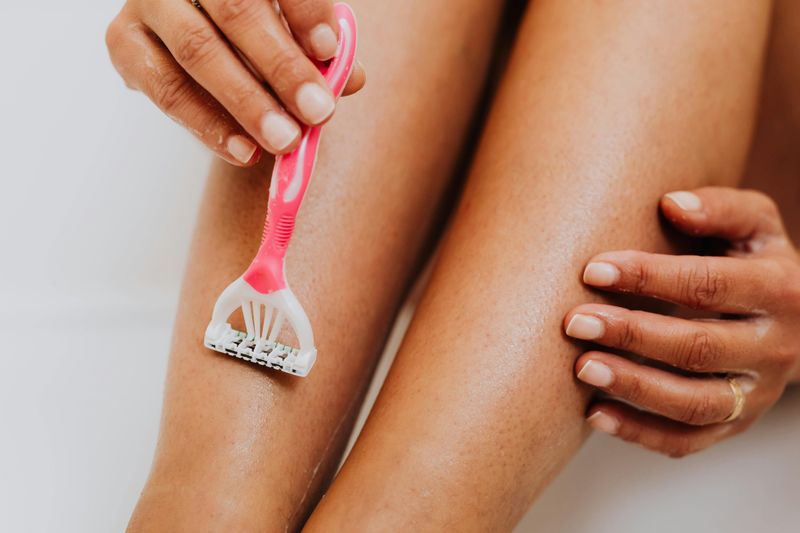
Body hair grows naturally on everyone, yet women must constantly shave, wax, or laser it away.
Legs, underarms, bikini lines, and even arms face scrutiny if hair appears.
This grooming expectation costs significant time and money throughout a lifetime.
Summer brings extra pressure because shorts and swimsuits reveal more skin that must stay perfectly smooth.
Painful hair removal methods become routine despite causing irritation, ingrown hairs, and discomfort.
Men rarely face similar expectations about their body hair.
Choosing whether to remove body hair should be a personal preference, not a social requirement.
Natural bodies aren’t inherently less attractive or less professional than hairless ones.
8. Speaking Softly and Avoiding Assertiveness

Direct communication from women gets labeled as aggressive, bossy, or too emotional.
Speaking up in meetings means risking being called difficult or hard to work with.
Men using identical language get praised for strong leadership and confidence.
Women learn to soften their statements with qualifiers like “maybe” or “I think” to avoid seeming pushy.
They apologize excessively even when they’ve done nothing wrong.
This speech pattern undermines their authority and credibility.
Clear, direct communication shouldn’t depend on gender, and women deserve respect when speaking assertively.
Confidence and leadership look the same regardless of who displays these qualities.
9. Maintaining Perfect Weight and Body Shape
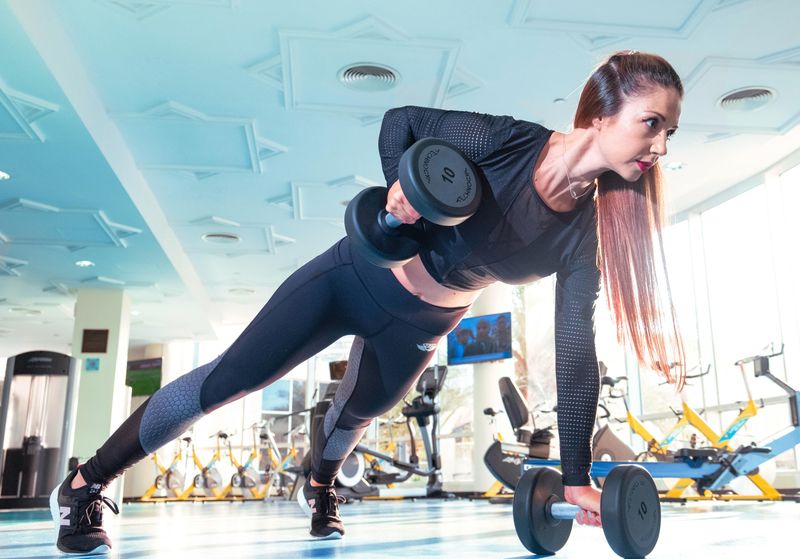
Women’s bodies face constant evaluation against impossible standards that change with fashion trends.
Too thin, too curvy, too muscular – criticism comes from every direction regardless of actual health.
Diet culture profits by convincing women their natural bodies need fixing.
Social media amplifies these pressures with filtered images and unrealistic beauty standards appearing everywhere.
Women compare themselves to edited photos and feel inadequate.
Exercise becomes punishment rather than enjoyment when focused solely on changing appearance.
Bodies come in countless shapes and sizes, all deserving respect and care.
Health matters more than fitting arbitrary beauty standards that shift constantly anyway.
10. Being Naturally Skilled at Childcare
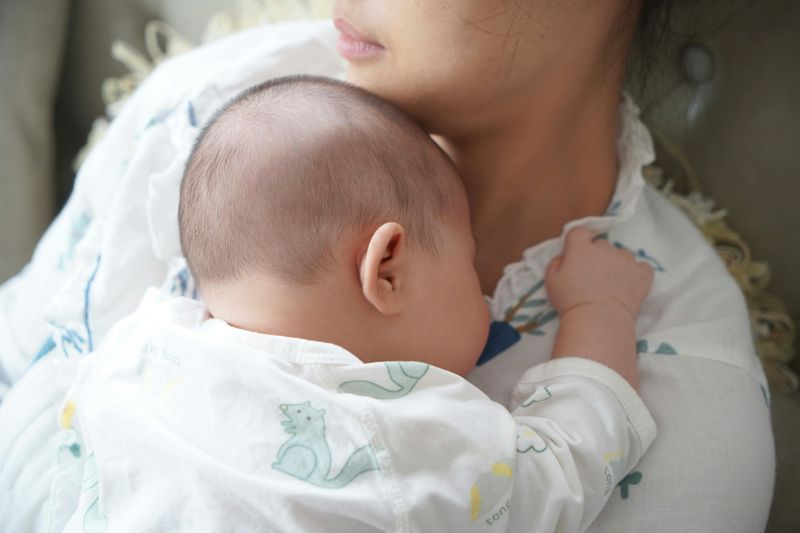
Society assumes women instinctively know how to care for children without training or practice.
New mothers face expectations to immediately understand infant needs while fathers get praised for basic participation.
This myth ignores that parenting skills develop through learning and experience.
Women who don’t enjoy spending time with children get treated as abnormal or defective.
Meanwhile, men can openly dislike childcare without facing similar judgment.
Babysitting requests always go to female relatives first, regardless of actual experience or interest.
Parenting abilities aren’t genetic or gender-based but learned through practice and patience.
Everyone starts as a beginner regardless of gender identity.
11. Staying Safe by Restricting Freedom

Women constantly modify their behavior to avoid danger that society treats as their responsibility to prevent.
Walking alone at night, wearing certain clothes, or accepting drinks at bars all become risky activities requiring elaborate precautions.
Men rarely face similar restrictions on their freedom.
Keys between fingers, sharing locations constantly, and avoiding headphones while walking become survival strategies.
Women plan routes around well-lit areas and text friends when they arrive home safely.
These precautions consume mental energy and limit independence.
Safety shouldn’t require women to shrink their lives and activities.
Addressing harmful behavior from perpetrators matters more than restricting potential victims’ freedom.
12. Gracefully Accepting Unsolicited Comments About Appearance
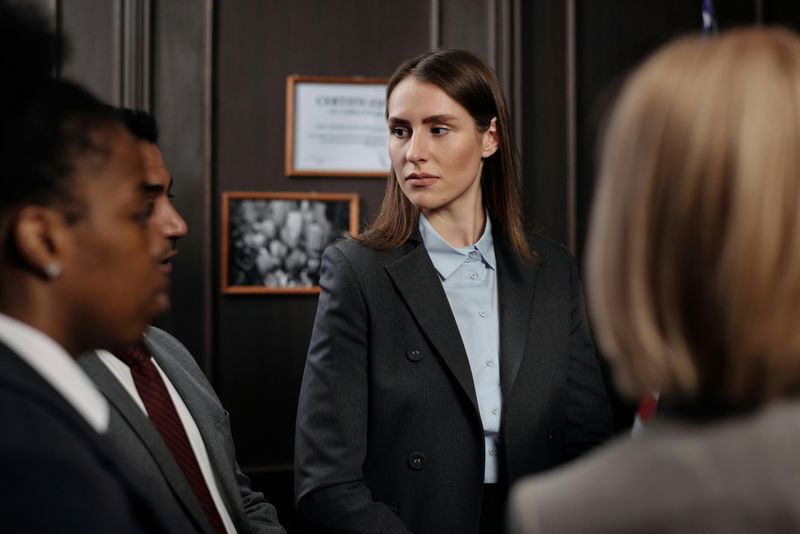
Strangers feel entitled to comment on women’s bodies, outfits, and faces without permission or invitation.
These observations range from compliments to criticisms, all treating women’s appearances as public property.
Objecting to unwanted commentary gets dismissed as being oversensitive or unable to take a joke.
Coworkers comment on weight changes, relatives critique hairstyle choices, and random people share opinions about makeup or clothing.
Women must smile politely through these invasions rather than expressing discomfort.
Their feelings matter less than the commenter’s right to share thoughts.
Bodies belong to the people living in them, and appearance commentary should only happen with explicit permission.
Keeping thoughts private shows basic respect for others’ autonomy.
Comments
Loading…