
 Jade Reed
Feeling Overwhelmed? These 10 Hobbies Build Real Mental Resilience Just as Good as Therapy

When life feels like a runaway treadmill, resilience is the pause button you can actually press.
You do not need a perfect routine or expensive gear to build it either.
Simple, repeatable hobbies can train your brain to stay steady when everything else wobbles.
Try a few of these and watch your stress turn into strength you can feel.
1. Long-distance walking or hiking (especially solo)

Out on a long walk, your breath finds a rhythm and your thoughts settle into step.
Your brain learns: discomfort is not danger.
Hills look big until you reach the top and realize your legs knew the way before your doubts did.
This hobby builds distress tolerance, patience, and hard-won confidence.
You finish hard things and your nervous system believes you next time.
Start with 20 to 30 minutes, same route, once a week, no headphones so your senses can guide you.
Bring water, pick a pace that lets you talk comfortably, and notice one small detail each block or bend.
A leaf, a sound, the temperature shift in shade.
Small observations anchor you when anxiety wants to sprint ahead.
2. Strength training or bodyweight training

Weights do not lie and that is the point.
Add one rep, one pound, one better breath, and you feel setbacks shrink to size.
Progress you can measure makes setbacks feel survivable.
Strength work builds self-efficacy, discipline, and emotional regulation through controlled strain and recovery.
Keep it simple: two to three moves like squats, push-ups, and rows, twice a week.
Track what you did so your brain sees evidence instead of guessing.
Rest between sets, exhale through the effort, and stop one clean rep before form breaks.
That restraint teaches patience as much as the grind builds grit.
Over time, everyday stress feels like a lighter bar.
3. Gardening or plant care
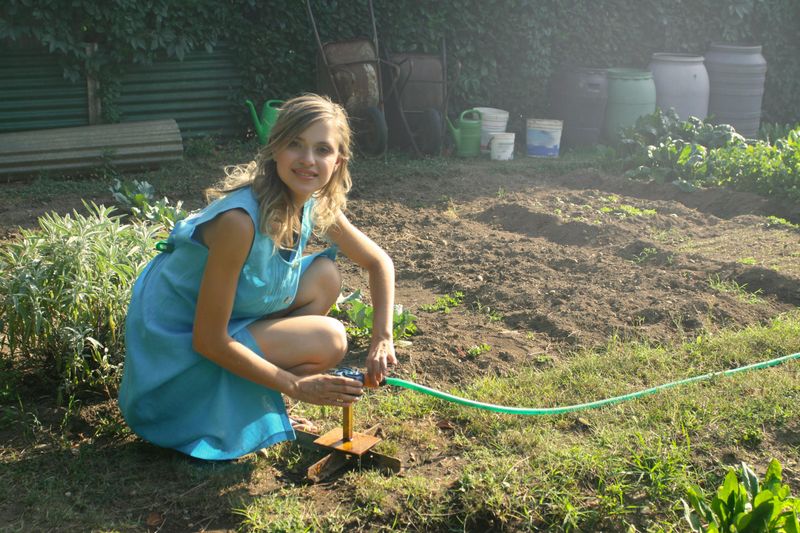
Nothing rushes in a garden, and that is the lesson.
You water, prune, and wait.
It trains you to focus on what you can control and accept what you cannot force.
Plant care builds steady optimism, routine, and a kinder relationship with time.
Start with herbs on a windowsill and one weekly plant reset day.
Check leaves, rotate pots, clear dead bits, and celebrate tiny new growth like a headline worth sharing.
When life feels chaotic, soil and light are simple truths.
You show up, the plants respond, and your nervous system softens.
Mistakes are just compost for the next season.
4. Journaling with structure (not just venting)

Blank pages can swallow thoughts, so give them lanes.
You stop spiraling when your thoughts have a place to land.
Ten minutes is enough when you work with structure.
Try three prompts: What happened, what I am telling myself, what else could be true.
This builds cognitive flexibility, perspective taking, and problem solving.
The mind loves categories because categories tame chaos.
Write short sentences and do not chase perfect words.
The goal is clarity, not poetry.
Close with one next step you could take before the day ends.
5. Learning a musical instrument or singing

Early notes squeak, timing slips, and that is the training.
You practice being bad at something and staying anyway.
Five to ten minutes daily on one riff or scale is enough to rewire stubborn self talk.
This builds frustration tolerance, delayed gratification, and calm through breath and repetition.
Keep the session tiny and specific so quitting feels harder than continuing.
A metronome and slow tempo will be your best coaches.
Record one take a week to hear progress your memory forgets.
Celebrate smoother transitions, cleaner tone, and steadier breathing.
Soon your stress exhales on the downbeat.
6. Martial arts or boxing (any coached combat sport)
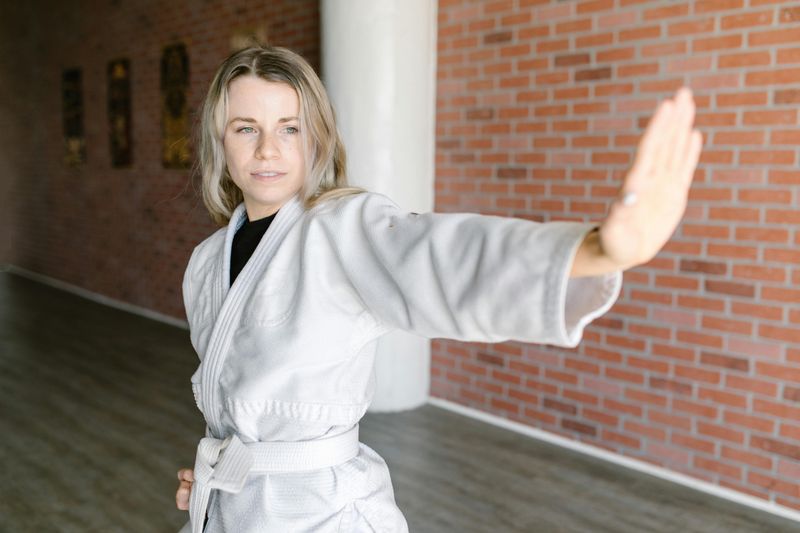
Gloves on, heart up, and the room sharpens into now.
You learn to stay present when your body wants to panic.
A beginner class once a week, plus basic footwork at home, is enough to change your baseline.
Coached combat sports build boundary setting energy, confidence, and nervous system regulation under stress.
Drills make fear specific, and specific fear is solvable.
You leave calmer because your body practiced danger in safe frames.
Start slow, hydrate, and honor clean technique over power.
Notice the inhale before a jab and the exhale after.
That rhythm follows you into hard conversations.
7. Team or partner based recreation (pickleball, rec league, dance classes)

Showing up with others might feel awkward at first.
Resilience grows faster with safe community reps.
Commit to four weeks so you get past the name game and into real rhythm.
Team or partner activities build social resilience, rejection tolerance, and communication skills.
You practice repair after a missed shot and celebrate small wins out loud.
That feedback loop trains confidence you can borrow on rough days.
Pick something playful so effort feels like play.
Dance, doubles, rec league, whatever gets you laughing while moving.
Connection makes consistency easy.
8. Volunteer work with visible impact

Purpose is a shock absorber.
When you help in ways you can see, worries shrink to fit the room.
One shift a month at a food bank, shelter, or cleanup crew makes a surprising dent in stress.
Volunteer work builds meaning, perspective, competence, and emotional stamina.
Tasks are concrete, outcomes visible, and gratitude contagious.
You leave carrying proof that effort matters.
Pick a cause you care about and set a recurring date.
Bring a friend if accountability helps.
The world gets lighter when your hands are full of something useful.
9. Cooking from scratch challenges

Open the fridge, see puzzle pieces, and build a meal.
You learn you can make something good from what you have got.
Pick one skill per week like soups, bread, sauces, or meal prep to keep momentum friendly.
Cooking challenges build adaptability, creativity under constraints, and confidence through small wins.
You iterate, taste, adjust, and try again.
Every dish is a tiny lab for courage.
Set a timer, put on calm music, and plate with intention even on Tuesdays.
Share with someone or freeze portions for future you.
Consistency turns your kitchen into a resilience workshop.
10. Puzzle hobbies (crosswords, chess, logic puzzles, jigsaw deep focus)

Your brain loves a tidy challenge when life feels messy.
It trains your brain to stay engaged instead of bailing.
Fifteen minutes a day with a no quitting mid puzzle rule builds quiet grit.
Puzzles grow focus, frustration tolerance, and calm persistence.
Crosswords, chess tactics, logic grids, or a jigsaw all count.
Pick one and track streaks so progress feels visible.
Slow down on the tricky parts and breathe once per move.
Notice how attention returns when you name the problem.
That skill transfers when stress tries to scatter you.
Comments
Loading…