
 Jade Reed
You have limited space, limited patience, and unlimited marketing trying to fill your bag.
Before you spend another dollar on shiny travel gadgets, let’s talk about what actually earns its seat on the plane.
Some “essentials” do more clogging than helping, turning a smooth trip into a clunky shuffle.
Save cash, carry less, and move smarter with swaps that genuinely work.
1. Money belt / hidden “secret” pouch
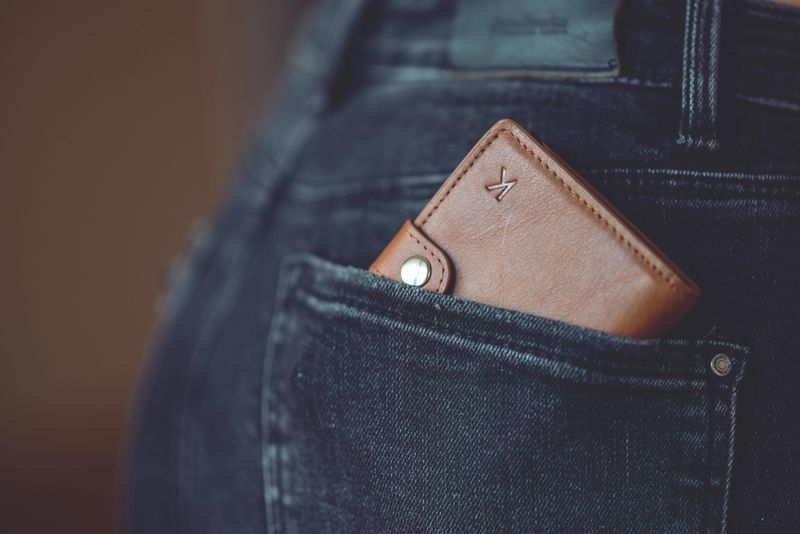
Strapping cash under clothes sounds clever until the itch hits at security.
Sweat, chafe, and awkward public contortions make the whole routine feel ridiculous.
Pickpockets target distraction, not just zippers, so this stealthy stash rarely helps when you actually need to pay.
Reachability matters more than secrecy.
A small crossbody worn forward in crowded areas keeps everything where you can see it.
Add a phone lanyard or wrist strap so it does not take a flying leap off a café table, and stash a backup card separately.
Think layers of access, not one magic pouch.
Keep day money handy, backups buried, and alerts on for quick card freezes.
You will move faster, look less frazzled, and stop sweating through your shirt for the sake of a twenty.
2. Neck pillow (the giant U-shaped one)

That jumbo U cushion looks cozy until it eats half your bag and becomes a neck doughnut you babysit for hours.
Most versions push your head forward instead of cradling it.
After boarding, it often ends up clipped outside like a sad travel badge.
Go lighter and smarter.
A packable scarf or hoodie gives warmth, lumbar support, and a clean layer between you and the window.
If you truly need structure, get a compact inflatable that adjusts firmness and disappears after landing.
Window seats let you wedge and drift without wrestling foam.
Mix scarf cushioning with side leaning for better rest than floppy horseshoes promise.
Sleep comes from support plus stillness, not bulky gear that bonks your seatmate.
3. Overpriced “travel-size” toiletries (bought just for the trip)
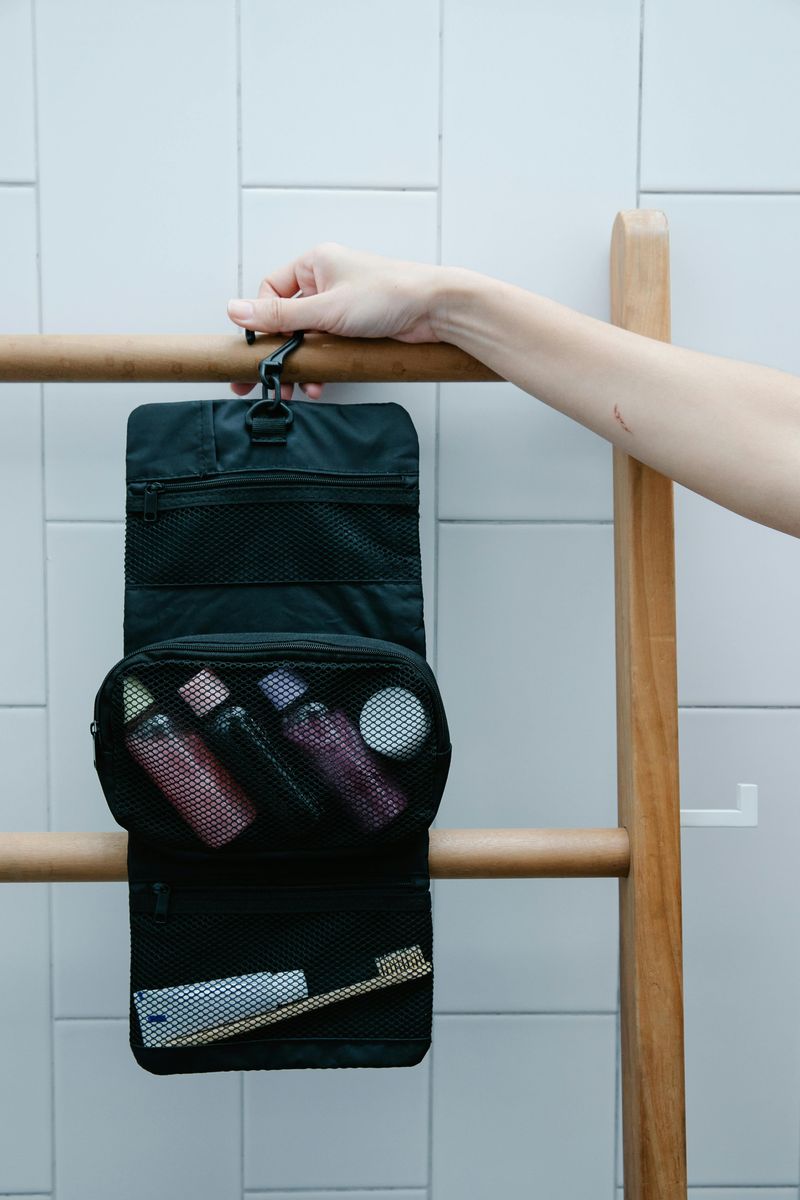
Those cute minis are budget vampires.
You pay more per ounce, then they leak anyway, and half the time the hotel has basics.
TSA panic pushes panic purchases you would not make at home.
Refill silicone bottles from your normal products and carry only what you actually finish.
A tiny decant of conditioner, a dab of moisturizer, a sunscreen stick.
Everything else can be bought on arrival in sizes you will use, not worship.
Travel light means trimming decisions and liquids.
Pack a core kit, keep it in a quart bag, and stop rebuying plastic thimbles of shampoo.
Your wallet and suitcase both breathe easier, and your routine stays familiar.
4. Shoe bags (especially the fancy ones)
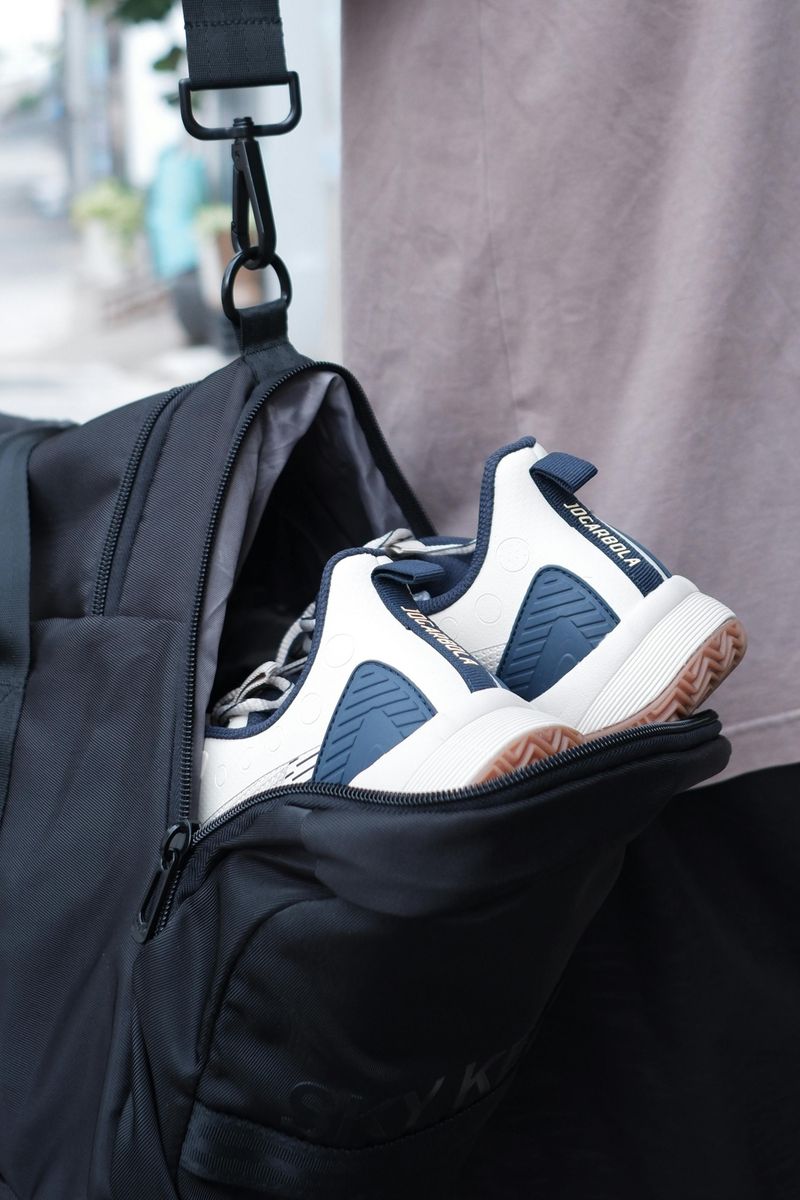
Fancy shoe bags promise couture cleanliness, but they are just bags with better marketing.
Shoes need separation, not silk.
You probably already have something that does the job without a logo or a premium price tag.
Grab a plastic grocery bag, slip-on shower caps over soles, or repurpose a drawstring pouch from old gear.
They weigh less, cost nothing, and fit odd shapes better than stiff boutique versions.
Dirt stays contained, and packing stays flexible.
Save the money for snacks or laundry.
Simple barriers keep clothes clean while your footwear takes the abuse it always does.
Practical beats posh when every ounce matters.
5. “Anti-theft” backpack with locks on every zipper
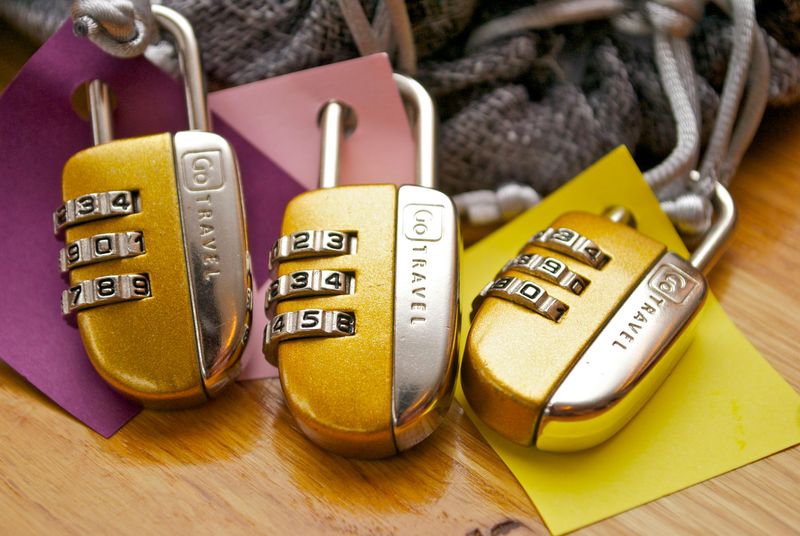
Hardware everywhere turns a simple bag into a fussy puzzle.
You end up wrestling clips and cords while missing your train.
Most theft is opportunistic, and the easiest win is keeping the bag where you can see and feel it.
A normal backpack or crossbody that you will actually wear beats a fortress you hate.
In tight crowds, slide it to the front.
Add a tiny carabiner or zipper clip for a quick deterrent without turning access into a chore.
Attention, posture, and routine checks do more than chunky locks.
Keep valuables centralized, leave souvenirs spread out, and do not set the bag down and wander.
Smart habits travel lighter than steel mesh.
6. RFID-blocking wallet / passport holder
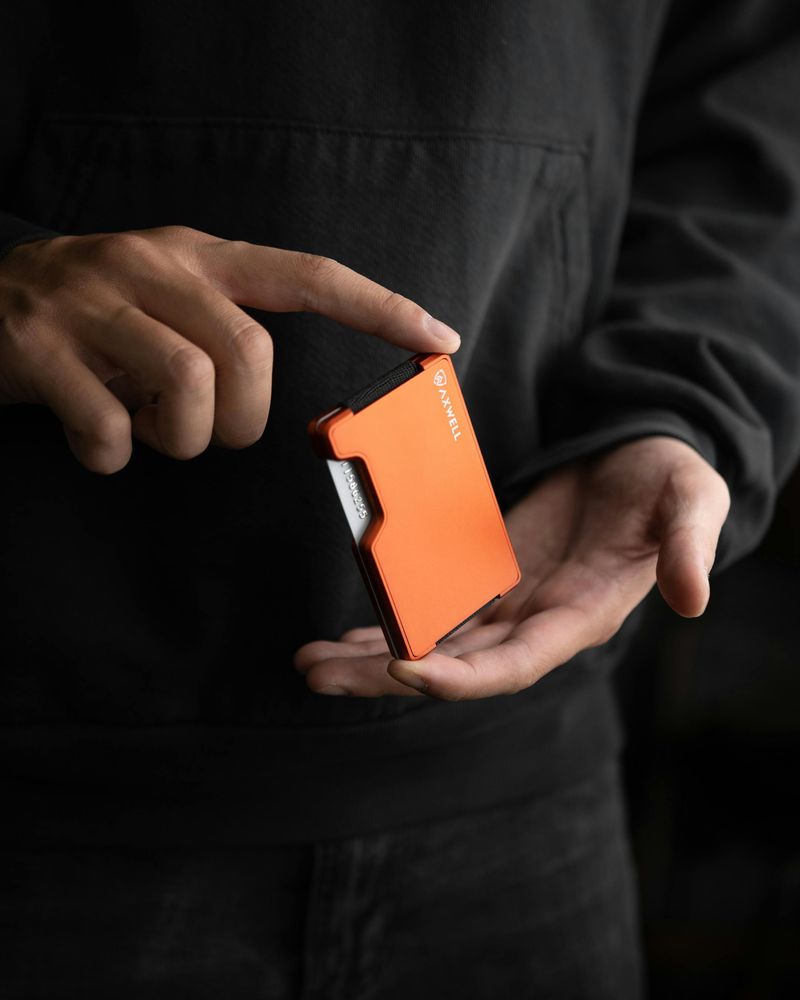
RFID panic sounds high tech, but the risk is tiny for most travelers.
Modern cards use dynamic security, phones add layers, and contactless skimming headlines are mostly hype.
A bulky shield just makes paying slower.
Carry a slim wallet with only what you use.
Split backups in a different pocket or bag, and turn on bank alerts so fraud pings your phone fast.
That combination beats metal sleeves that pretend to be armor.
Real protection is behavior.
Keep the wallet zipped, use tap-to-pay on your phone with biometrics, and freeze a card in the app if needed.
Practical, light, and actually effective.
7. Packing cubes you buy before you even know how you pack
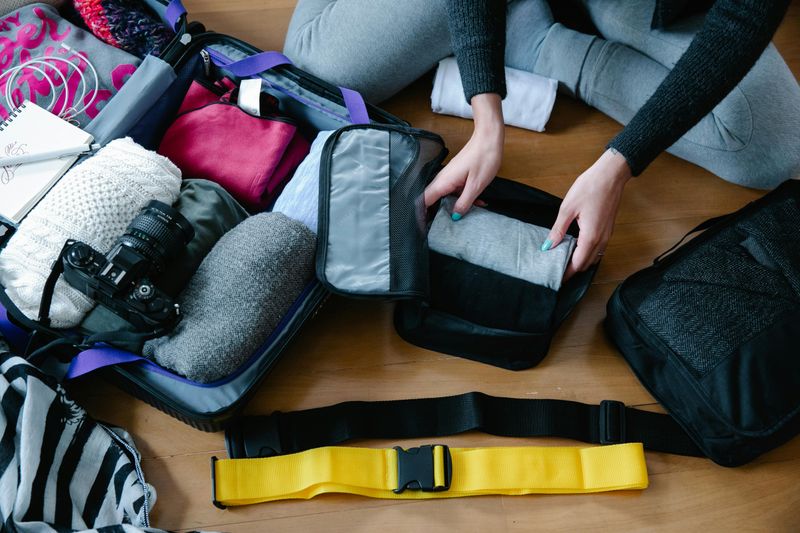
Everyone swears by cubes until they turn your suitcase into Tetris with zippers.
For some people, they are magic; for others, just bulk that steals space and time.
Buying a full set before learning your style is an expensive experiment.
Test first.
Use one cube or a couple of zip bags to see if grouping clothes helps you find things faster.
Notice what annoys you, then buy only the shapes that fix that specific problem.
Compression can wrinkle and hide what you own.
Visibility and repeatable folds matter more than brand claims.
Build a system that matches your habits, not a stranger’s packing video.
8. Mini first-aid kit the size of a brick

Preparedness is great until you lug a pharmacy for no reason.
Those brick kits cram in burn dressings, eye pads, giant shears, and sixteen gauzes you will never touch.
Meanwhile, the thing you need is buried under tape and good intentions.
Go micro and targeted.
Pack a few bandages, blister patches, pain reliever, antihistamine, and any personal meds you rely on.
Local pharmacies fill the rest, often better suited to the region anyway.
A tiny kit lives in your day bag, so you actually use it.
Refill after each trip, swap items for climate and activity, and leave the tactical tourniquet to trained pros.
Light, usable, and enough for real life.
Comments
Loading…