
 Jade Reed
15 Movie and TV Roles That Left Actors Emotionally Scarred
Acting may seem glamorous from the outside, but some roles demand so much from performers that they leave lasting emotional wounds.
When actors fully commit to intense characters, the psychological toll can be severe and long-lasting.
From disturbing horror films to emotionally devastating dramas, these 15 performances pushed their stars to breaking points they never expected to reach.
1. Sophie Turner in Game of Thrones (2011–2019)
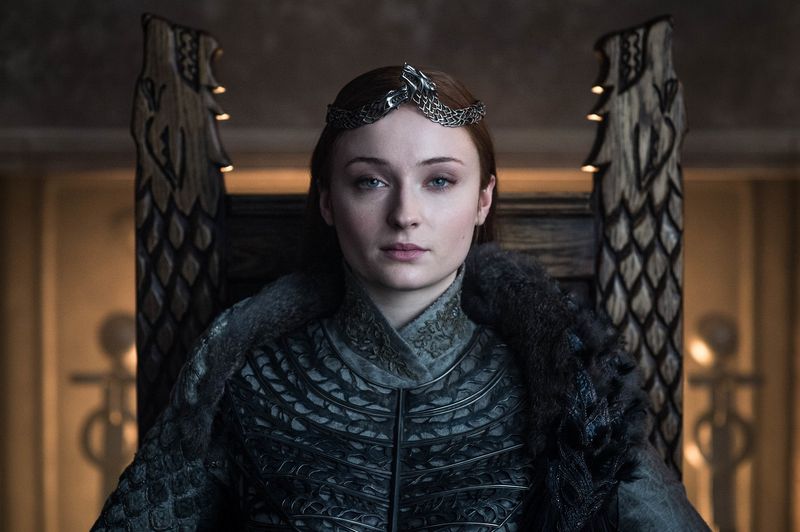
Imagine spending your entire teenage years filming scenes of abuse, betrayal, and trauma.
Sophie Turner was only 15 when she started playing Sansa Stark, a character who endured horrific experiences throughout the series.
For nearly ten years, she lived inside this darkness while growing from a child into an adult.
The constant exposure to such heavy material took a serious toll on her mental health.
Turner has openly discussed developing long-term trauma symptoms that continued affecting her even after the cameras stopped rolling.
The boundary between herself and Sansa became dangerously blurred during those formative years.
2. Tom Hanks in Cast Away (2000)
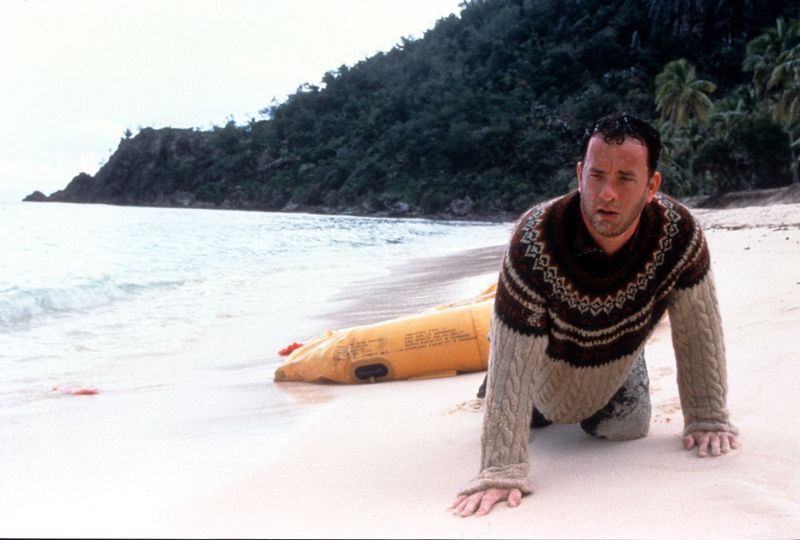
Being stranded on a desert island might sound like an adventure, but filming it pushed Tom Hanks to his mental limits.
The role required him to spend long stretches shooting completely alone, with no other actors around for company.
Day after day of isolation began affecting his mind in unexpected ways.
Hanks admitted the experience “drove him nuts” and fundamentally changed how he viewed loneliness.
The famous volleyball Wilson became more than just a prop—it represented his desperate need for connection.
He found himself having actual imagined conversations with the inanimate object, showing how deeply the isolation penetrated his psyche.
3. Daniel Day-Lewis in Phantom Thread (2017)
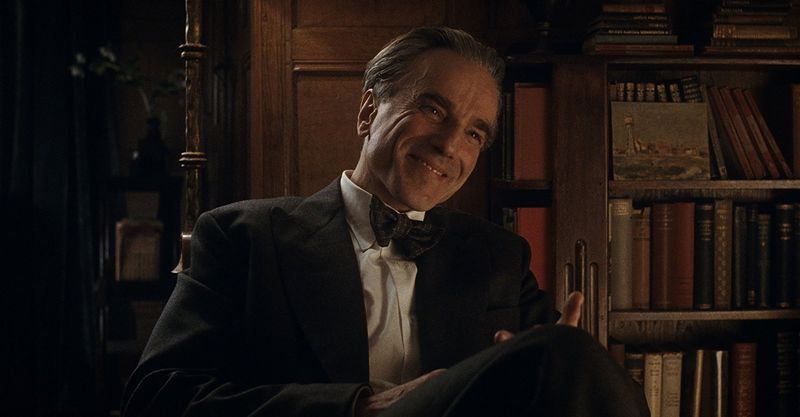
What happens when a role becomes so emotionally overwhelming that it ends your entire career?
For Daniel Day-Lewis, one of the greatest actors of his generation, Phantom Thread became his final performance.
The film’s deep sadness and emotional complexity affected him so profoundly that he decided to walk away from acting forever.
Day-Lewis has always been known for his intense method acting approach.
But this particular character pushed him into emotional territory he couldn’t recover from.
He stated clearly that the experience made him no longer want to participate in theater or filmmaking, marking a stunning end to a legendary career.
4. Leonardo DiCaprio in Shutter Island (2010)
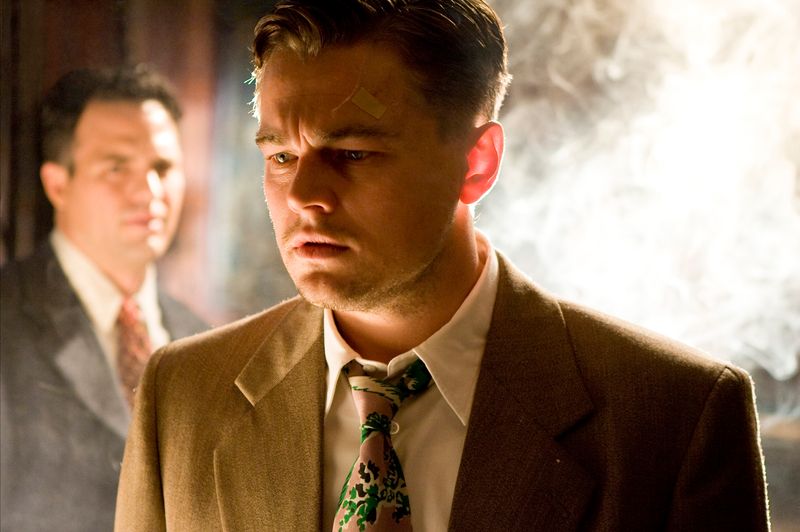
Playing a mentally unstable detective investigating a psychiatric facility sounds challenging enough on paper.
But Leonardo DiCaprio discovered the role reached into parts of his mind he didn’t know existed.
The psychological thriller forced him to explore disturbing mental states and confront darkness he wasn’t emotionally prepared to face.
DiCaprio described the experience as deeply intense and unsettling in ways that lingered long after filming wrapped.
The role gave him actual nightmares that disrupted his sleep and peace of mind.
Even for an actor of his caliber and experience, Shutter Island proved to be one of the most psychologically demanding projects of his career.
5. Lady Gaga in House of Gucci (2021)

Method acting can be powerful, but staying in character for nine straight months nearly broke Lady Gaga.
Playing Patrizia Reggiani, she immersed herself so completely that she couldn’t find her way back to her real self.
The character’s emotional darkness became a prison she couldn’t escape from, even when cameras weren’t rolling.
The situation became so serious that production had to bring in a psychiatric nurse toward the end of filming.
Gaga needed professional help to safely exit the role and return to her actual identity.
This extreme example shows how dangerous complete character immersion can become when proper boundaries aren’t maintained throughout a lengthy production.
6. Miley Cyrus in Hannah Montana (2006–2011)

Growing up as two people at once created an identity crisis that Miley Cyrus is still processing today.
For five years during her most formative period, she lived as both herself and a manufactured pop star persona.
The blonde wig and heavy makeup weren’t just costumes—they became a separate identity that overshadowed her real self.
Cyrus has spoken candidly about feeling valueless without the Hannah Montana character.
She struggled to understand who she actually was when stripped of the persona millions knew and loved.
The experience of being famous for playing someone else during crucial developmental years left psychological scars that influenced her entire adult life and career choices.
7. Zac Efron in Extremely Wicked, Shockingly Evil and Vile (2019)
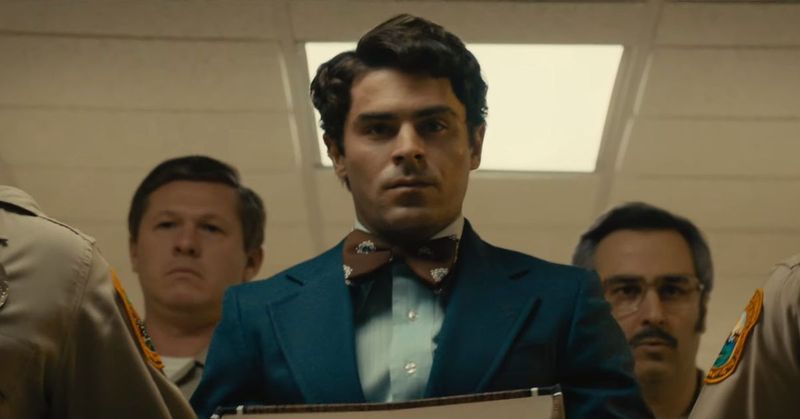
Getting inside the mind of a serial killer is dangerous territory for any actor.
Zac Efron took on the challenging role of Ted Bundy, one of America’s most notorious murderers.
The part required him to understand and portray a charming exterior hiding monstrous evil underneath.
Efron discovered that emotionally detaching from such a dark character was incredibly difficult.
He admitted he was unable to fully separate himself from Bundy even after filming concluded.
The psychological residue of inhabiting that mindset clung to him in disturbing ways.
Playing someone capable of such horrific acts left marks on his mental state that took significant time to fade.
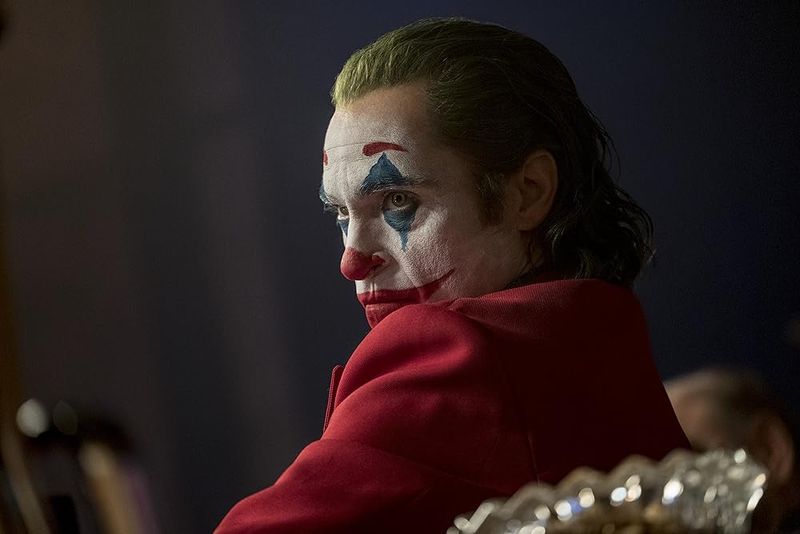
8. Joaquin Phoenix in Joker (2019)

Losing 52 pounds isn’t just physically challenging—it can fundamentally alter your mental state.
Joaquin Phoenix underwent this extreme transformation to play the Joker, and the results went far beyond his appearance.
The severe caloric restriction led to obsessive thoughts and disordered thinking patterns that consumed his daily life.
Phoenix himself acknowledged that the physical transformation directly affected his sanity during filming.
His mind became unstable as his body weakened, creating a genuine psychological fragility that enhanced the performance but damaged his wellbeing.
The Oscar-winning portrayal came at a steep personal cost that highlights the dangers of extreme physical transformations for roles.
9. Michael B. Jordan in Black Panther (2018)
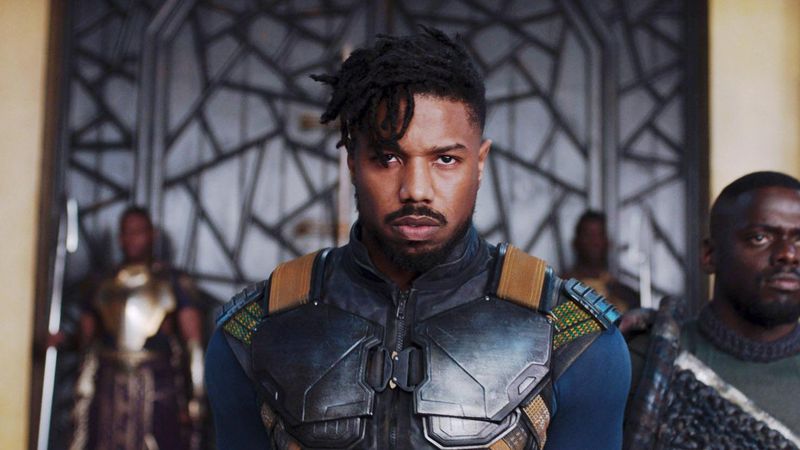
Creating a compelling villain often requires actors to access their darkest emotions.
Michael B. Jordan took this to an extreme level for Killmonger, isolating himself so completely from others that he forgot how to connect.
He deliberately cut himself off from love and warmth to embody the character’s rage and pain.
The strategy worked brilliantly for the performance but left Jordan emotionally damaged afterward.
He later revealed he needed actual therapy to relearn how to accept love and emotional connection from the people in his life.
The experience taught him that some acting methods have lasting consequences that require professional help to undo.
10. Kate Winslet in The Reader (2008)
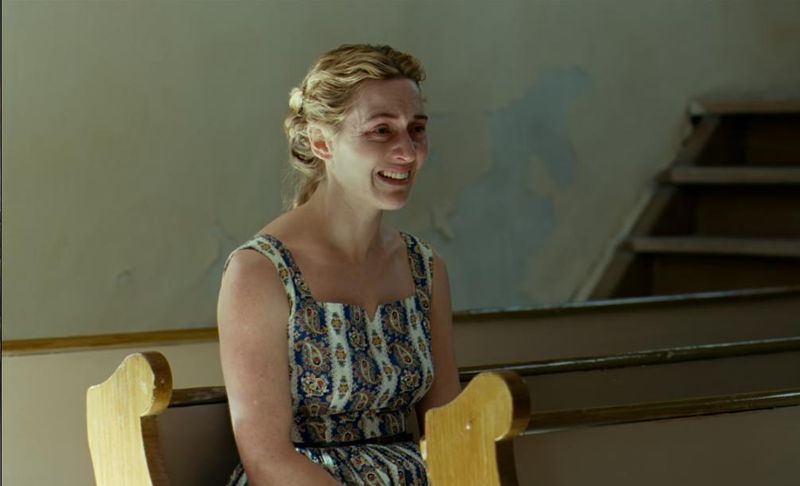
Some characters carry such heavy emotional weight that actors feel physically injured by them.
Kate Winslet described feeling like a “crash victim” after portraying Hanna Schmitz in The Reader.
The role dealt with extremely difficult themes including the Holocaust and complex moral questions without easy answers.
Winslet struggled to process the emotional aftermath once filming ended.
The character’s guilt, shame, and tragic circumstances left her feeling genuinely traumatized.
She compared the experience to surviving an actual accident, suggesting the psychological impact felt as real and damaging as physical injury.
The Oscar-winning performance came at a significant personal cost to her mental wellbeing.
11. Natalie Portman in Black Swan (2010)
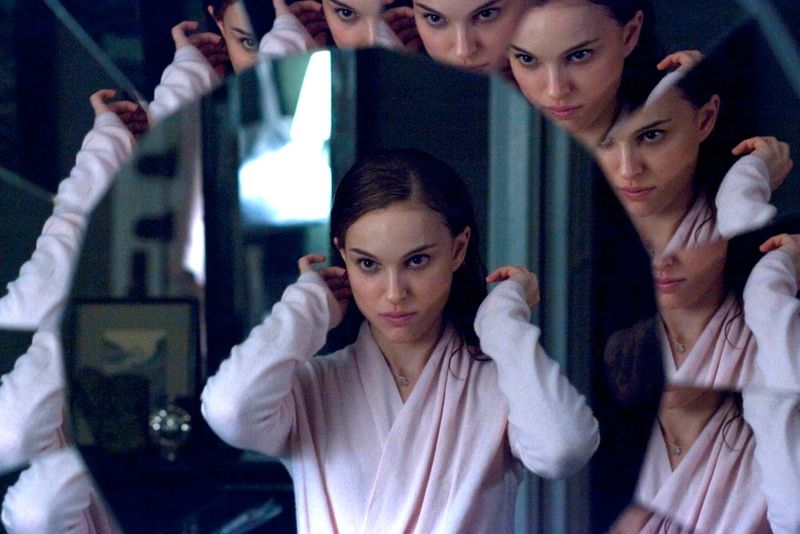
Ballet meets psychological horror in a role that nearly destroyed Natalie Portman.
Playing Nina Sayers required extreme physical training combined with portraying a mental breakdown.
The dual demands of perfecting ballet technique while descending into madness created an overwhelming challenge that consumed her completely.
Portman later admitted she probably should have entered rehab after filming wrapped.
The combination of physical exhaustion and psychological intensity left her in a dangerous state.
She deliberately chose a much lighter role for her next project to help herself recover.
The Oscar she won for the performance came at the cost of her mental and physical health.
12. Alex Wolff in Hereditary (2018)
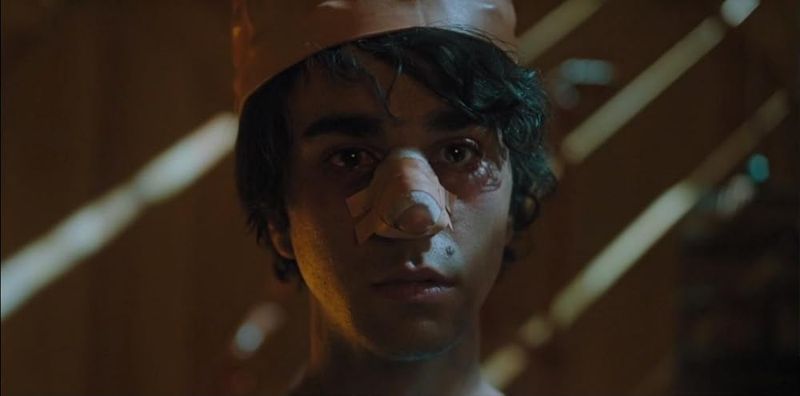
Horror films can be especially damaging to actors because the fear and trauma feel so real during filming.
Alex Wolff experienced this firsthand in Hereditary, one of the most disturbing horror movies of recent years.
The subject matter was so dark that he described his approach as “emotional masochism.”
Beyond the psychological toll, Wolff also suffered actual physical injuries during the film’s intense scenes.
The combination of mental anguish and bodily stress created a perfect storm of trauma.
He pushed himself into genuinely painful emotional territory to make the horror feel authentic.
The result was a terrifyingly real performance that left him genuinely scarred by the experience.
13. Ned Beatty in Deliverance (1972)
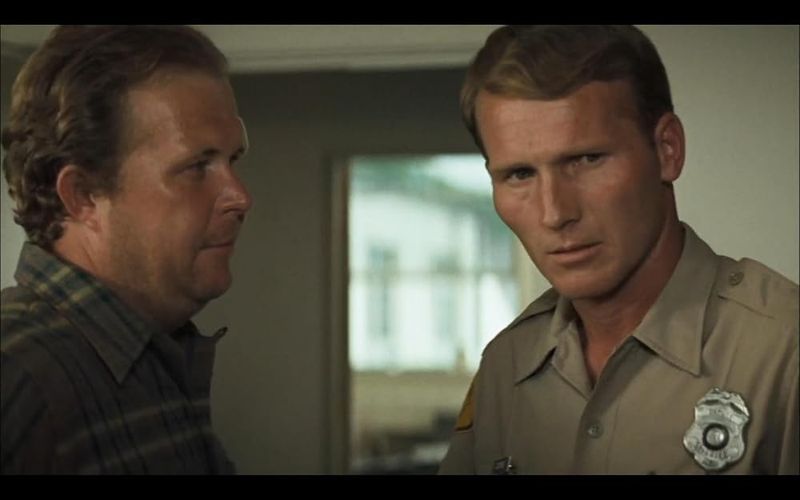
Some scenes are so disturbing that they haunt actors for the rest of their lives.
Ned Beatty’s infamous assault scene in Deliverance became one of cinema’s most shocking moments.
The brutality and violation depicted affected Beatty deeply and shaped the entire trajectory of his life afterward.
The trauma from filming that scene stayed with Beatty for years, influencing his personal and professional choices.
Rather than letting it destroy him, he eventually channeled the experience into advocacy work.
He became a passionate advocate for survivors of assault, turning his painful experience into something meaningful.
The scene defined his career but also gave him purpose beyond acting.
14. Janet Leigh in Psycho (1960)
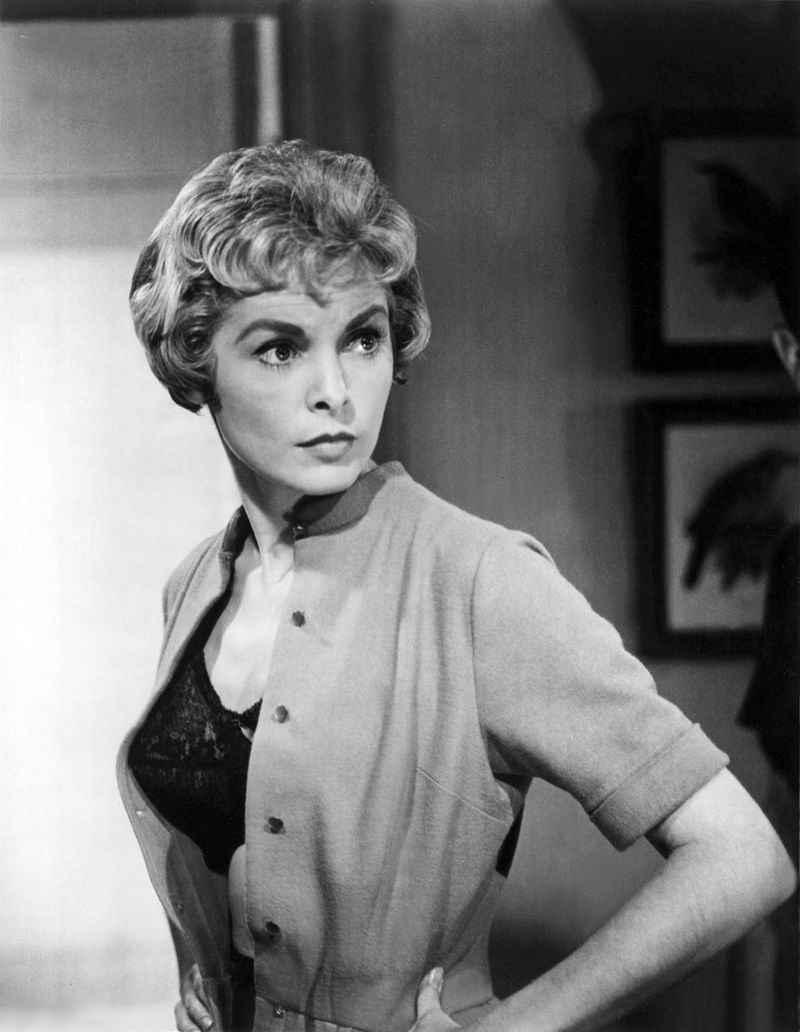
Alfred Hitchcock’s shower scene in Psycho traumatized audiences worldwide, but it affected star Janet Leigh most of all.
The terrifying sequence was so realistically filmed that it fundamentally changed her personal habits.
She became genuinely afraid of showers after experiencing the scene from the victim’s perspective.
For a long time afterward, Leigh avoided showers entirely and opted for baths instead.
Even then, she kept all doors and windows locked, unable to shake the vulnerability she felt during filming.
The scene lasted only minutes on screen but created a lasting phobia that affected her daily life.
It’s a striking example of how movie magic can create real psychological damage.
15. Anne Hathaway in Les Misérables (2012)
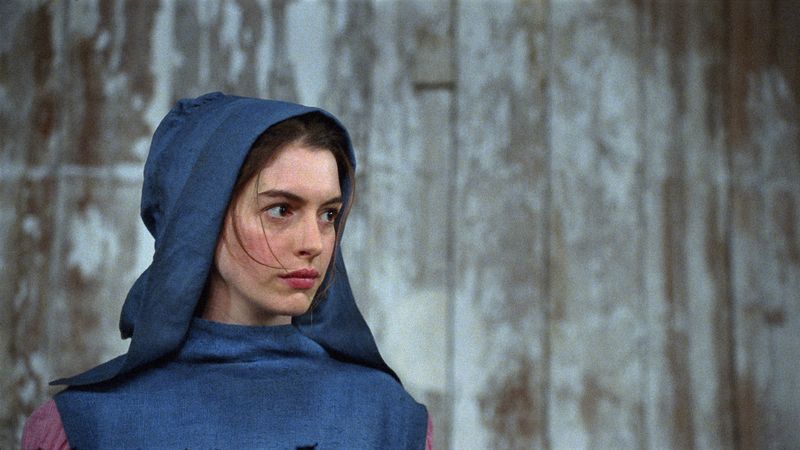
Winning an Oscar sometimes requires sacrifices that border on dangerous.
Anne Hathaway underwent extreme physical deprivation to play the dying Fantine in Les Misérables.
She lost dramatic amounts of weight and pushed her body to unhealthy limits to portray the character’s suffering authentically.
The physical transformation triggered what Hathaway described as a “break with reality.”
Her mind began functioning differently as her body weakened from malnutrition and exhaustion.
After filming concluded, she needed weeks to feel like herself again.
The recovery process was long and difficult, showing how physical extremes can cause genuine mental health crises even for experienced professionals.
Comments
Loading…