
 Chloe Peterson
14 Legendary Female Vampires on the Big Screen
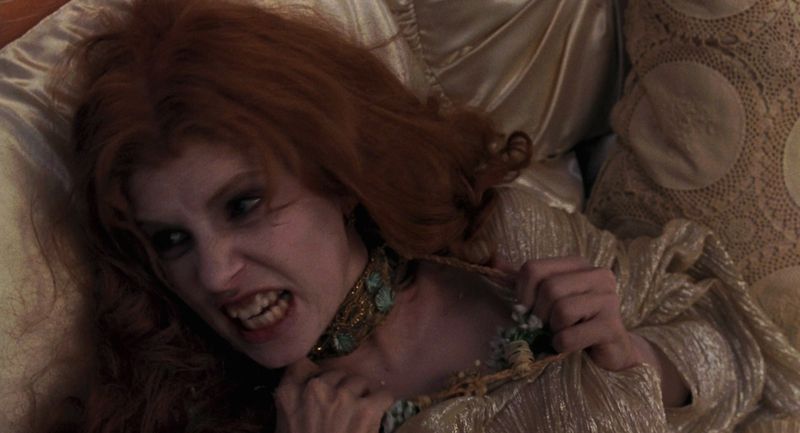
Vampires have haunted movie screens for over a century, but some of the most captivating bloodsuckers wear fangs and fabulous gowns. Female vampires bring a unique blend of danger, elegance, and raw power that makes them unforgettable.
From ancient queens to modern-day warriors, these cinematic icons have redefined what it means to be a creature of the night. Whether they’re seducing victims or battling other supernatural beings, these legendary ladies prove that women can be just as terrifying and mesmerizing as their male counterparts.
1. Queen Akasha — Queen of the Damned
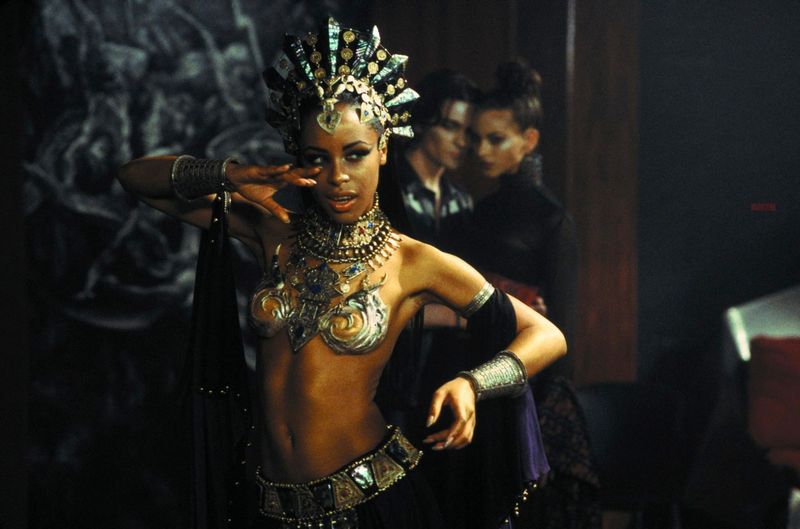
Aaliyah brought ancient evil to life in her final film role as the mother of all vampires.
Queen Akasha awakens after thousands of years of slumber, hungry for world domination and fresh blood.
Her beauty masks a ruthless ambition that makes even the oldest vampires tremble in fear.
The Egyptian queen doesn’t just want to feed—she plans to reshape the entire world under her rule.
Her supernatural powers far exceed those of ordinary vampires, making her nearly unstoppable.
Akasha’s combination of grace, power, and absolute terror creates an unforgettable villain.
This performance stands as a haunting tribute to Aaliyah’s talent and screen presence.
2. Victoria — Twilight Saga
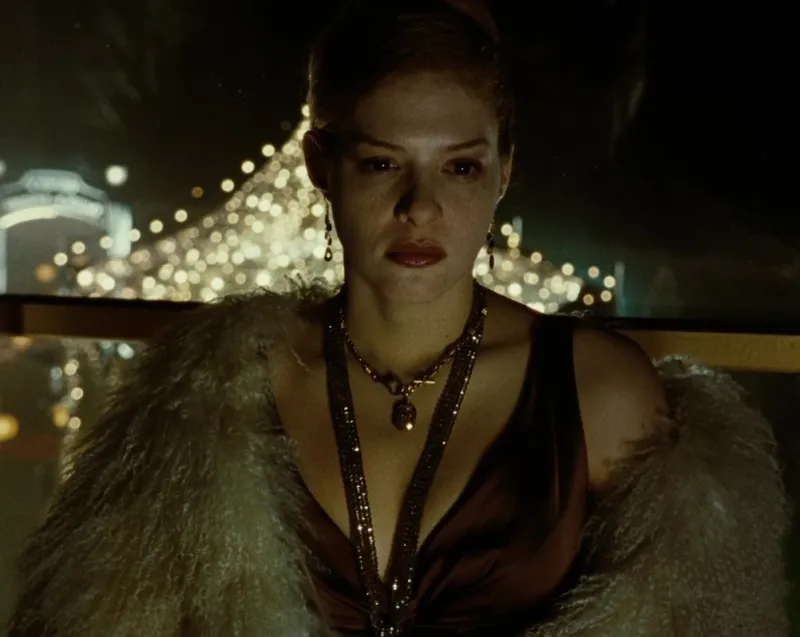
Revenge drives this red-haired vampire through multiple Twilight films with single-minded determination.
Victoria loses her mate James and dedicates her immortal existence to making Bella Swan suffer the same pain.
Her wild, untamed appearance reflects the savage nature lurking beneath her deceptively delicate features.
Unlike the civilized Cullen family, Victoria embraces her predatory instincts without apology.
She builds an army of newborn vampires, manipulating them into doing her violent bidding.
Her tracking abilities make her a persistent threat that refuses to disappear.
Victoria represents the darker side of vampire existence that the main characters often try to avoid.
3. Alice Cullen — Twilight Saga
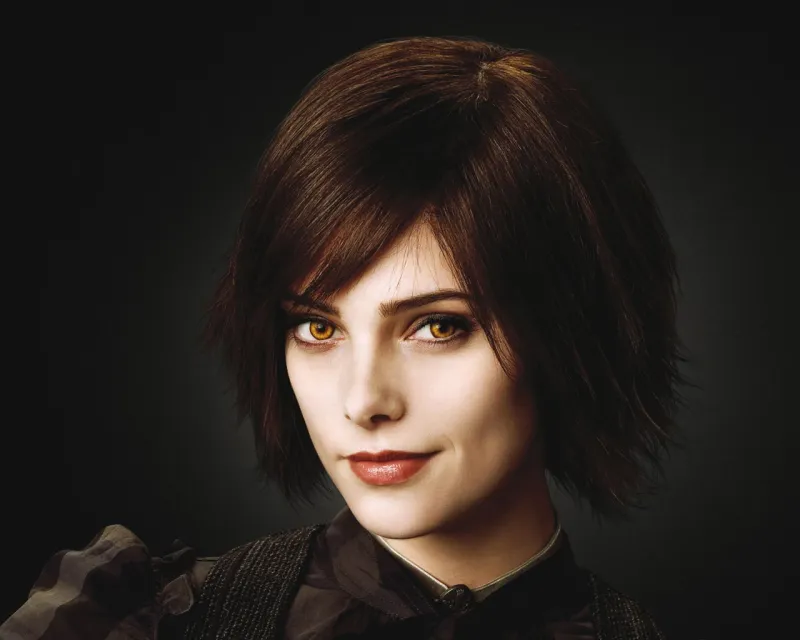
Pixie-like and perpetually cheerful, Alice sees the future and uses her gift to protect her vampire family.
Her tiny frame hides incredible strength and lightning-fast reflexes that surprise enemies who underestimate her.
Fashion-forward and optimistic, she brings lightness to the often-serious Cullen household.
Alice’s visions aren’t always set in stone—they shift based on people’s decisions, creating constant uncertainty.
She forms a special bond with Bella, becoming both friend and protective sister figure.
Her backstory reveals a tragic human life she can’t remember, adding depth to her bubbly personality.
This vampire proves that being undead doesn’t mean abandoning joy or hope for the future.
4. Marie — Innocent Blood

A vampire with a conscience walks the streets of Pittsburgh in this underrated horror-comedy gem.
Marie only feeds on criminals and mobsters, creating her own moral code in an amoral world.
Anne Parillaud plays her with a mix of sensuality and dark humor that keeps viewers guessing.
When one of her victims doesn’t quite die, Marie accidentally creates a vampire mob boss with dangerous ambitions.
She teams up with an undercover cop to clean up the supernatural mess she’s created.
Their unlikely partnership blends romance, action, and genuine scares.
Marie’s struggle to maintain humanity while embracing her predatory nature makes her surprisingly relatable despite being a monster.
5. Miriam Blaylock — The Hunger
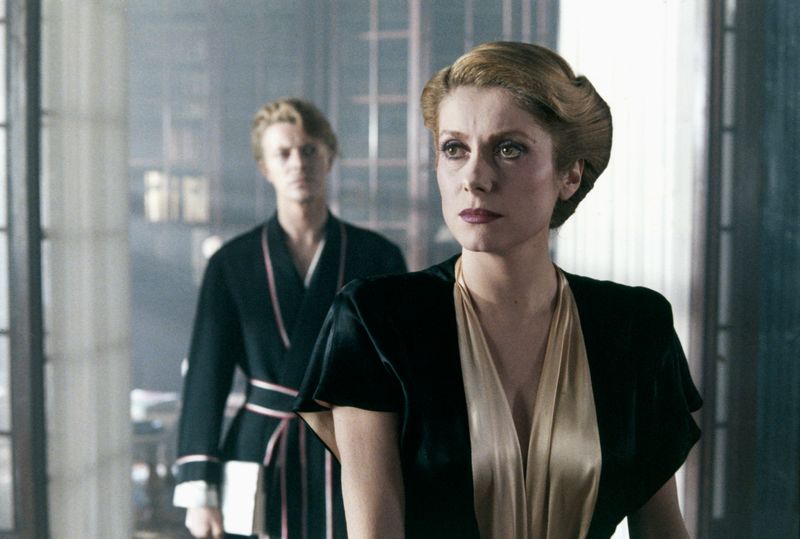
Eternal elegance meets existential dread in Catherine Deneuve’s portrayal of this ancient vampire.
Miriam has lived for thousands of years, collecting lovers who eventually age rapidly and turn to dust.
Her New York penthouse contains boxes of her former companions, a museum of lost love and inevitable decay.
She preys on unsuspecting victims with her current partner David Bowie, living a life of refined culture and bloodshed.
When David begins aging, Miriam seeks a replacement in Susan Sarandon’s character.
The film explores the loneliness of immortality and the price of eternal beauty.
Miriam’s cold sophistication makes her one of cinema’s most stylish and tragic vampires.
6. Countess Maria Zaleski — Dracula’s Daughter
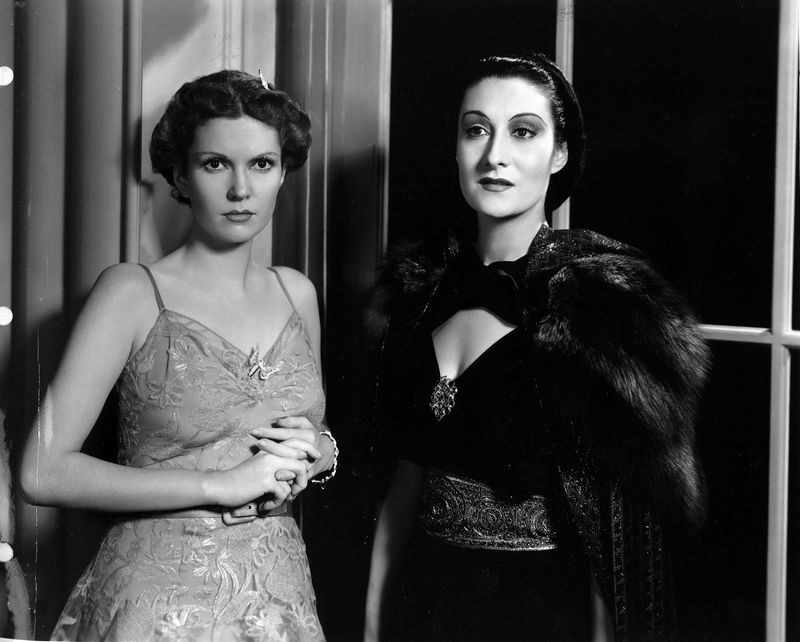
Universal Studios’ first major female vampire arrived in 1936 as Dracula’s tormented offspring.
Countess Maria desperately wants to escape her vampiric curse and live a normal life.
She seeks help from a psychiatrist, hoping modern medicine can cure her supernatural affliction.
Her internal struggle between bloodlust and the desire for redemption creates genuine tragedy.
The film hints at forbidden desires that were daring for 1930s cinema.
Maria kidnaps a young woman and the psychiatrist who tried to help her, unable to resist her darker impulses.
This early portrayal established the template for sympathetic vampire characters struggling against their monstrous nature for generations to come.
7. Katrina — Vamp
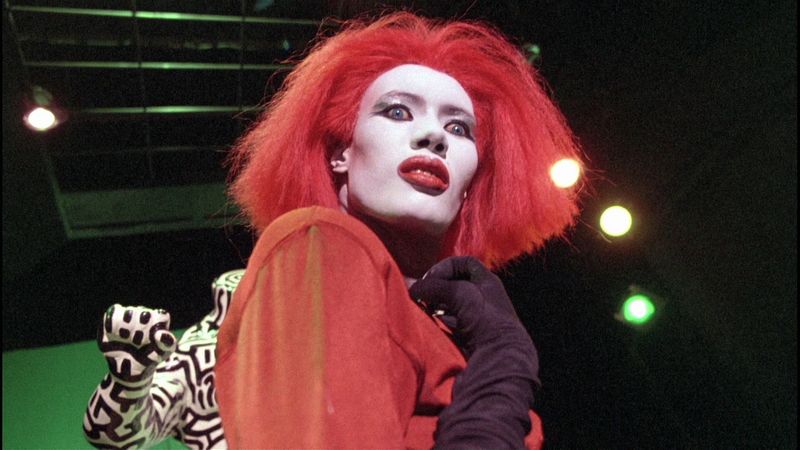
Grace Jones transformed herself into a wordless, otherworldly vampire queen for this 1980s horror-comedy.
Katrina performs at an after-hours club where college students stumble into a nest of bloodsuckers.
Her avant-garde appearance and movements create an alien presence that’s both fascinating and terrifying.
Jones uses body language and striking visuals instead of dialogue to convey menace.
Her elaborate costumes and makeup push vampire aesthetics into high-art territory.
The film balances genuine scares with comedic moments as the students fight for survival.
Katrina’s unique interpretation proves that vampire characters don’t need traditional beauty or extensive dialogue to leave a lasting impression on audiences.
8. Lucy Westenra — Dracula
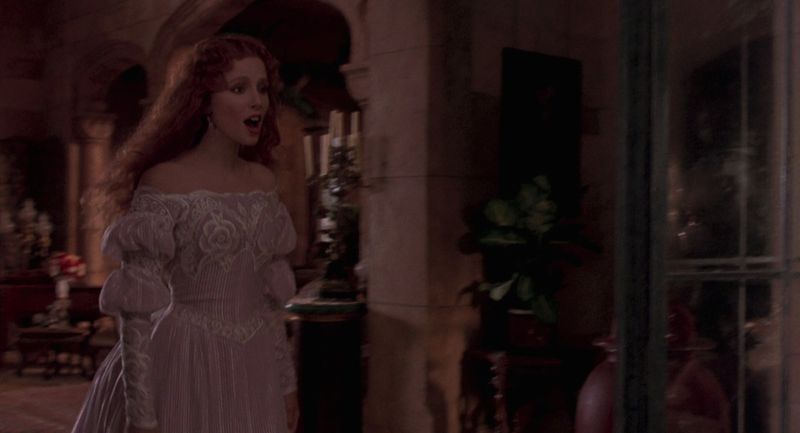
Francis Ford Coppola’s lavish adaptation transforms Lucy from innocent victim to tragic monster.
Sadie Frost portrays her as a flirtatious socialite who becomes Dracula’s first English conquest.
Her transformation showcases the film’s spectacular costume design and gothic atmosphere.
Lucy’s descent into vampirism corrupts her completely, turning her into a predator who stalks children.
Her former fiancé must destroy her in a heartbreaking scene that emphasizes love and duty.
The film explores Victorian repression through Lucy’s fate.
Her elaborate wedding dress and undead bride appearance created iconic imagery that influenced vampire films for decades.
Lucy represents innocence destroyed by ancient evil.
9. Dracula’s Brides — Bram Stoker’s Dracula
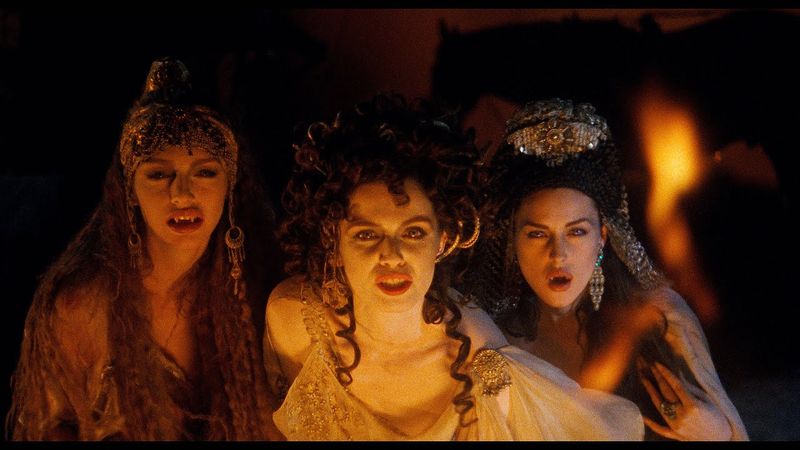
Three seductive vampires serve Dracula in his Transylvanian castle, embodying forbidden desire and supernatural danger.
They attempt to seduce Jonathan Harker early in Coppola’s film, creating one of its most visually stunning sequences.
Their flowing white gowns and predatory movements blur the line between dream and nightmare.
These brides represent centuries of Dracula’s victims, transformed into eternal servants.
They display both childlike playfulness and savage hunger in equal measure.
The scene where they try to drink Jonathan’s blood remains intensely atmospheric and unsettling.
Their brief appearance left such an impression that they’ve become iconic representations of vampire seduction.
The brides embody the film’s themes of sensuality and damnation.
10. Carmilla — Carmilla
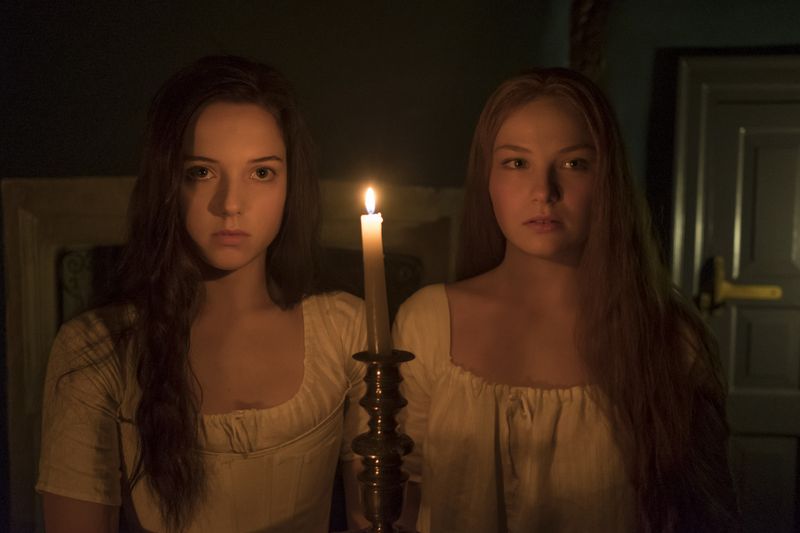
Based on the 1872 novella that predates Dracula, Carmilla represents lesbian vampire fiction’s origins.
Various film adaptations have brought this character to life over the decades.
The 2019 version updates the story while maintaining its gothic romance core.
Carmilla preys on young women, forming intense emotional connections before revealing her true nature.
Her relationship with protagonist Laura blends genuine affection with predatory manipulation.
The story explores themes of desire, identity, and the dangers of obsessive love.
As literature’s first major female vampire, Carmilla influenced countless vampire stories that followed.
Modern adaptations continue finding new ways to interpret this complex, centuries-old character for contemporary audiences.
11. Vampire Queen — Blade: Trinity

Parker Posey brings dark humor to her role as Danica Talos, a high-ranking vampire in Blade: Trinity.
She helps resurrect Dracula, believing he’ll lead vampires to dominance over humanity.
Her modern approach to vampire existence includes running a successful corporation as cover.
Danica combines business savvy with sadistic pleasure in tormenting her enemies.
She’s tech-savvy and ruthless, representing a new generation of vampires who adapt to changing times.
Her confrontations with Blade’s team showcase both her fighting skills and sharp wit.
Though not literally a queen, Danica’s position and attitude make her vampire royalty in the Blade universe.
She proves that contemporary vampires can be just as dangerous as ancient ones.
12. Abigail — Abigail
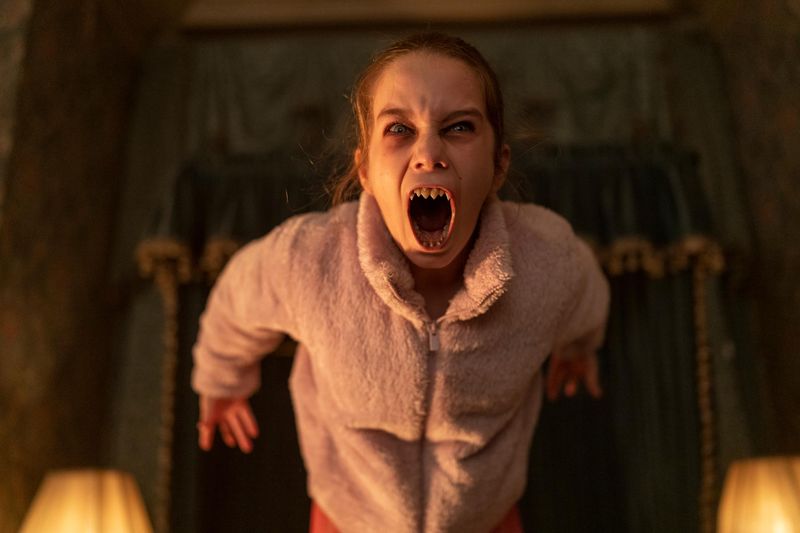
Abigail lures you with pirouettes and punctures.
The ballerina veneer glints like glass, but her appetite moves faster than footwork, turning the mansion into a stage where crooks become choreography.
You watch confidence curdle as she plays cat and mouse, making the comic shrieks feel uncomfortably human.
Her menace is playful, her elegance a knife disguised as ribbon.
Every leap suggests a trap, every smile a countdown.
The movie blends heist chaos with gothic giggles, then lets Abigail lead the dance, equal parts sugar and steel.
13. Mae — Near Dark

Mae moves like a breeze across the prairie, whispering promises that feel like lullabies.
She is tenderness wrapped around hunger, guiding a farm boy toward the long night with a kiss that never quite admits what it costs.
There is no castle, only asphalt, motel curtains, and sun-scorched dread.
Her clan is a family stitched by blood and boredom, drifting toward fires that dawn always threatens.
Mae’s mercy is complicated, her love haunted.
You feel every compromise as she balances romance against ruin, teaching that immortality is not freedom, just a road without an exit.
14. Tae-ju — Thirst
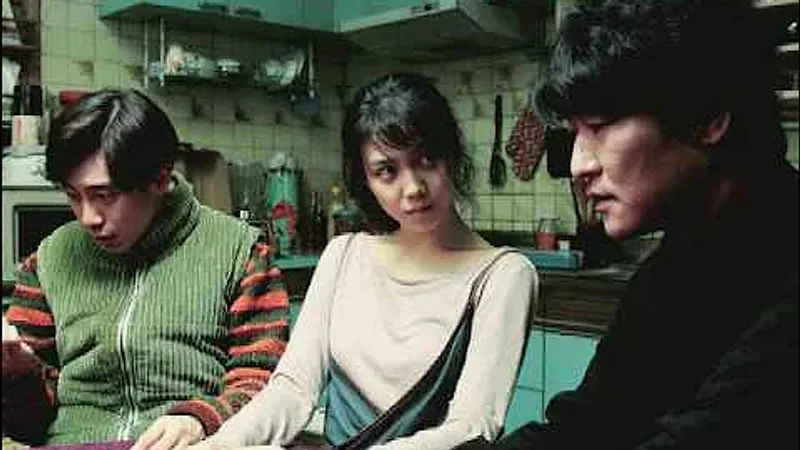
Tae-ju starts as a trapped heartbeat, muffled by domestic routines and whispered orders.
When vampirism enters the room, she inhales freedom like oxygen, then overdraws the account with interest.
Desire turns practical, then predatory, in a love story that keeps slipping its halo.
Her hunger is not elegant, just honest, and that honesty terrifies.
You can feel the floor tilt as morality becomes math, bodies become bargaining chips, and guilt becomes garnish.
Tae-ju’s bite is a thesis on power: once she holds it, she refuses to return the keys, and the night applauds.
Comments
Loading…