
 Harper Hall
10 Social Norms That Feel Fake but Everyone Follows

We all follow certain rules in social situations, even when they seem a bit ridiculous. From pretending to be busy when someone walks by to laughing at jokes that aren’t funny, these unwritten guidelines shape how we interact every day.
Most of us go along with them without thinking twice, but deep down, they can feel pretty fake and unnecessary.
1. Pretending You’re Busy When Someone Walks By

Ever notice how you suddenly grab your phone or shuffle papers when someone passes your desk?
This habit is universal in offices, schools, and public spaces.
Nobody wants to look lazy or unproductive, so we create the illusion of constant activity.
The funny part is that everyone knows everyone else is doing it too.
We’re all aware it’s a performance, yet we keep up the act anyway.
It’s like an unspoken agreement that appearing busy matters more than actually being busy.
Breaking this cycle feels risky because standing still or relaxing might invite judgment.
So we continue the charade, day after day, pretending our every moment is packed with important tasks.
2. Saying ‘Good’ When Asked How You Are

How many times have you answered ‘good’ or ‘fine’ when you’re actually exhausted, stressed, or having a terrible day?
This automatic response has become the default greeting exchange worldwide.
People ask out of politeness, not because they want your life story.
Giving an honest answer would make things awkward for both parties.
Imagine telling your coworker about your actual problems when they’re just trying to be polite.
The conversation would screech to an uncomfortable halt.
So we stick to the script, trading meaningless pleasantries that satisfy social expectations without revealing anything real.
It’s efficient but completely hollow, a verbal handshake that means absolutely nothing.
3. Laughing at Your Boss’s Unfunny Jokes

Your manager tells a joke that lands with a thud, yet everyone chuckles politely anyway.
This workplace ritual happens in conference rooms across the planet every single day.
Power dynamics make genuine reactions impossible when someone higher up attempts humor.
Staying silent or showing your real reaction could be interpreted as disrespectful or uncooperative.
Even though the joke bombed spectacularly, you force a smile and maybe even throw in a courtesy laugh.
Your job security feels more important than your authenticity.
The boss probably knows their joke wasn’t hilarious, but they appreciate the social lubrication these fake laughs provide.
It’s a strange dance where everyone plays their role, maintaining workplace harmony through collective dishonesty.
4. Waiting for Everyone to Get Food Before Eating

Your stomach is growling, your food is getting cold, but you sit there patiently because not everyone has their meal yet.
This dining etiquette rule feels especially pointless when you’re starving and your food is perfectly hot right now.
But grabbing your fork early marks you as rude or inconsiderate.
Restaurants and family dinners enforce this norm with invisible pressure.
Starting before others suggests you lack self-control or don’t value the group experience.
So you wait, watching your fries go soggy and your soup lose its steam.
The irony?
Once everyone finally has their food, half the table’s meals are lukewarm.
We’ve collectively sacrificed food quality for the appearance of good manners and consideration.
5. Pretending to Enjoy Small Talk
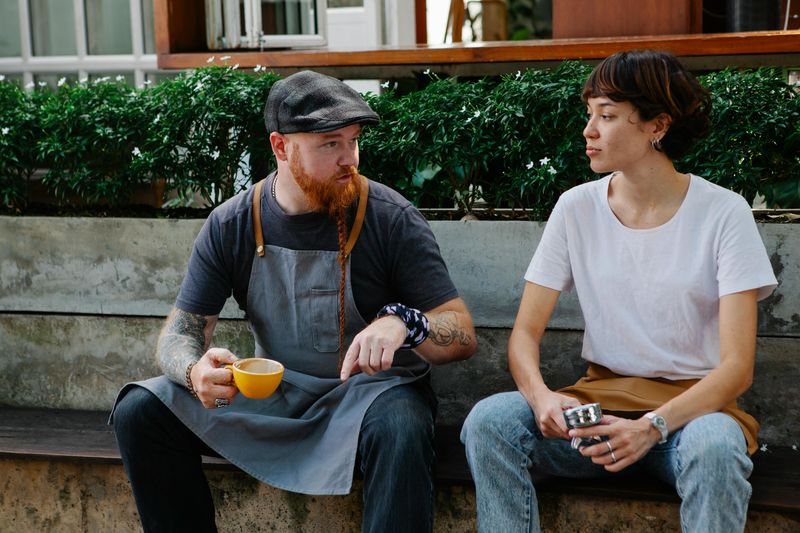
Weather, traffic, weekend plans—these topics dominate conversations we’d rather not have.
Small talk serves as social filler, a way to acknowledge someone’s presence without diving into meaningful territory.
Most people find it draining rather than enjoyable.
Yet we engage enthusiastically, acting like discussing the weather forecast is genuinely fascinating.
Skipping this ritual and jumping straight to deeper topics would feel too intense or forward.
Society requires this warm-up period, no matter how tedious.
The exhausting part is maintaining interest when you couldn’t care less about someone’s commute.
But refusing to participate labels you as antisocial or unfriendly, so you smile and nod through another pointless exchange about nothing important.
6. Staying Quiet When Someone Has Food in Their Teeth

You spot spinach wedged between their front teeth, but saying something feels more embarrassing than staying silent.
This bizarre social calculation happens constantly, leaving people to walk around with visible food stuck in their smile.
We convince ourselves they’ll discover it eventually.
The logic makes no sense when you think about it.
Wouldn’t you want someone to tell you immediately?
Yet the potential awkwardness of the conversation outweighs the kindness of helping them avoid further embarrassment.
So we avert our eyes and let them continue their day looking silly.
Later, when they finally notice in a mirror, they’ll wonder why nobody mentioned it.
We’ve chosen temporary comfort over genuine helpfulness, and everyone loses.
7. Responding to ‘Thank You’ with ‘No Problem’

Someone thanks you for a favor, and you immediately downplay it with ‘no problem’ or ‘no worries.’ This automatic deflection minimizes your effort and generosity, suggesting that helping them required zero effort.
Sometimes it actually did take effort, but admitting that feels uncomfortable.
Accepting gratitude gracefully seems almost arrogant in modern culture.
We’ve been trained to make ourselves smaller, to act like our contributions don’t matter.
Saying ‘you’re welcome’ can feel weirdly formal or self-important.
Did you know?
Older generations often prefer ‘you’re welcome’ because it acknowledges the exchange properly.
Meanwhile, younger people continue brushing off thanks, uncomfortable with being recognized for their kindness or hard work.
8. Acting Surprised at Surprise Parties You Knew About

Your friend spent weeks planning a surprise party, but someone accidentally spoiled it days ago.
Now you have to manufacture shock and delight when you walk through that door.
The performance pressure is real because disappointing the organizers feels cruel.
You practice your surprised face in the mirror, preparing your reaction like an actor rehearsing lines.
When the moment arrives, you deliver an Oscar-worthy gasp and hand-over-mouth expression.
Everyone seems satisfied, even though several people probably knew you knew.
The whole situation is absurdly fake, yet we protect the surprise party tradition fiercely.
It’s less about genuine surprise and more about showing appreciation for the effort someone put into celebrating you.
9. Saying ‘Let’s Hang Out Soon’ Without Making Plans

Running into an old acquaintance triggers the obligatory ‘we should totally hang out sometime!’ exchange.
Both parties enthusiastically agree, knowing full well neither will follow through.
It’s a social script we recite to seem friendly and interested.
Actually suggesting a specific date would require genuine commitment, which neither person wants.
The vague promise satisfies the social requirement without creating real obligation.
Everyone walks away feeling like they were polite and open to reconnecting.
Months or years pass, and you run into them again, repeating the exact same conversation.
The cycle continues indefinitely, a perpetual promise that exists only to smooth over awkward encounters without demanding actual friendship maintenance.
10. Clapping When the Plane Lands

Applauding a successful landing treats a routine professional task like an extraordinary achievement.
Pilots complete thousands of landings throughout their careers—it’s literally their job.
Yet passengers burst into applause as if they’ve witnessed a miracle.
Some say it started as a genuine relief reaction after particularly rough flights or in certain cultures.
Now it’s spread to perfectly smooth landings on clear days, making the gesture feel increasingly theatrical and unnecessary.
Flight crews probably find it amusing or slightly condescending.
Imagine if people clapped every time a bus driver successfully parked or a cashier completed a transaction.
Still, passengers continue the tradition, perhaps needing a collective outlet for landing-related tension.
Comments
Loading…