
 Isabel Parker
10 DIY Fixes Boomers Used to Do Themselves That Would Drain Your Savings Today

There was a time when calling a professional for every little problem felt unnecessary, not because people had endless free time, but because they were used to figuring things out as they went.
Many Boomers grew up watching parents, neighbors, and relatives fix, patch, mend, and maintain what they already owned, and those habits often followed them into adulthood.
Today, the same tasks are still completely normal, but they’re also far more expensive to outsource.
Between service-call minimums, labor shortages, rising material costs, and the fact that “small” jobs rarely stay small once a pro gets involved, basic DIY competence can be the difference between a manageable home budget and a constant stream of surprise bills.
Here are ten practical DIY abilities many Boomers taught themselves that would cost their kids thousands to hire out now.
1. Basic plumbing fixes (without calling a plumber)

Water running when it should not is basically money leaving your wallet.
Turn off the supply valves, then diagnose quietly.
A running toilet often needs a new flapper, chain adjustment, or float tweak, and those cost less than lunch.
Slow drains typically clear with a hand auger or a plastic zip tool instead of harsh chemicals.
For a leaky P trap, place a towel and bucket, loosen the slip nuts, swap the washers, and hand tighten before a gentle snug with pliers.
Faucet swaps are mostly about matching connections and using plumber’s tape sparingly.
Always check for drips with a dry tissue, then recheck an hour later.
Keep silicone grease, Teflon tape, and extra washers in a small kit.
You will feel like a pro, and you will skip the weekend emergency fee that turns tiny problems into big bills.
2. Drywall patching and wall repair
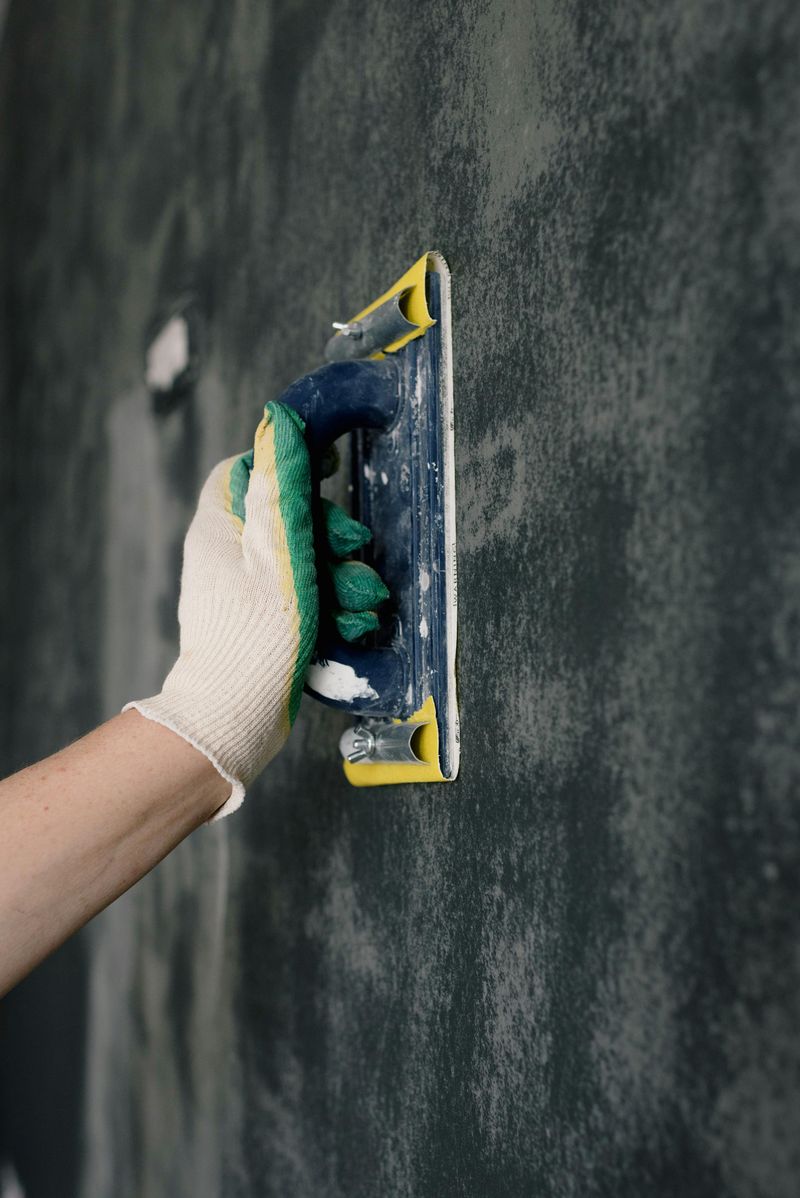
Holes and cracks make a room look tired, but the fix is surprisingly calm.
Fill small dings with lightweight spackle, let it dry, and sand gently with a fine sponge.
For larger spots, use a patch or a backer piece, then apply joint compound feathered wide.
Cracks along seams need fresh paper tape or mesh with thin coats of mud applied in stages.
Sand between coats and keep dust under control with a vacuum and a mask.
Matching texture matters, so practice on scrap with a spray texture or a roller trick before committing.
Finish by priming patched areas to avoid flashing under paint.
Then roll the color wall to wall so everything disappears.
The final look feels like magic because guests see a perfect wall and never the hours of careful layering that saved you hundreds in repair costs.
3. Interior painting like a pro

Great paint jobs start before the brush touches the wall.
Patch, sand, and prime spots so sheen looks consistent later.
Use quality tape, canvas drops, and remove outlet covers so you never splash hardware.
Cutting in with a sharp angled brush sets the tone for clean lines.
Load the roller evenly, work in a W pattern, and keep a wet edge to avoid lap marks.
Trim and doors want a smooth finish, so use a smaller foam roller or a fine brush with light pressure.
Do not rush drying times or skip a second coat where coverage looks thin.
Label cans, keep a small touch up jar, and store brushes wrapped so they do not crust.
Pros charge for prep and patience, and you can pocket that money by doing the same steps yourself.
4. Car maintenance and minor repairs
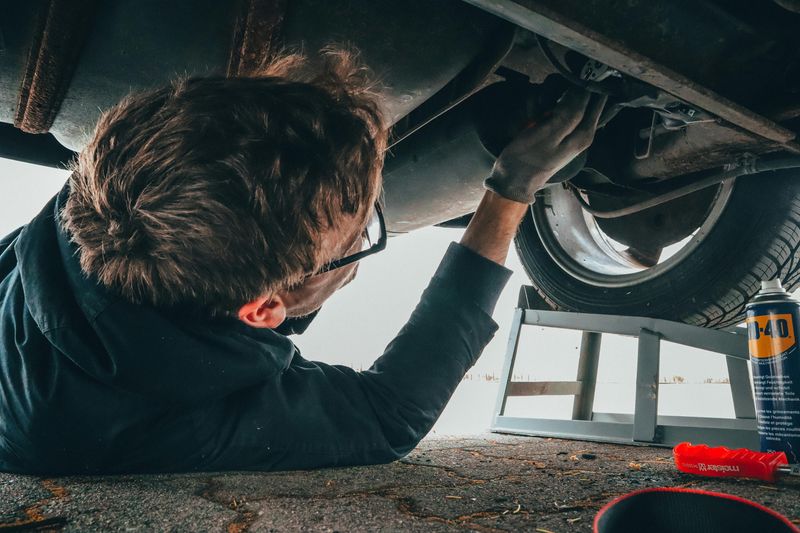
Shops bill for time you can handle on a Saturday morning.
Oil changes are straightforward with the right filter, crush washer, and a drain pan.
Always check the owner’s manual for viscosities and torque specs before turning a wrench.
Brake pads on many cars are a remove and replace job with a C clamp to reset calipers.
Air filters and cabin filters slide out of housings with zero drama.
Batteries swap fast, just remember radio codes and clean terminals, and recycle the old unit.
Spark plugs on older models are accessible, while some modern engines are cramped and best avoided.
Listen for odd noises, scan codes with a cheap reader, and fix small issues before they snowball.
Each simple job saves a chunk, adds confidence, and keeps surprise repair bills from blowing up your month.
5. Lawn care and landscaping basics

The difference between scruffy and polished yards is not mysterious.
Mow at the right height, edge clean lines, and sharpen blades for a healthier, greener lawn.
Overseed bare patches and water lightly but consistently until sprouts toughen up.
Fertilizer schedules matter, so match the season and grass type, then sweep granules off sidewalks to protect waterways.
Shrubs look expensive after a simple shape up with sharp pruners.
Drip lines and pop up sprinklers often need only new emitters or a tightened fitting to stop wasteful leaks.
Seasonal cleanups keep pests down and curb appeal up.
Mulch beds to lock in moisture and smother weeds, then top up once a year.
Do these basics yourself and the money you would spend on crews stays in your pocket while your yard quietly looks like the nicest one on the block.
6. Simple electrical work (the safe, basic stuff)

Electricity demands respect and a clear limit.
Always shut the breaker, lock it out if possible, and test with a non contact tester before touching wires.
Outlets, switches, and simple fixtures are replaceable with patience and correct wire connections.
Match the amperage and use proper wire nuts, ground securely, and tuck wires neatly to avoid pinches.
Dimmers must be rated for LED loads and total wattage.
If a box is too crowded, upgrade the box size instead of forcing a dangerous cram.
Know when to stop, like with new circuits, aluminum wiring, or mystery splices.
Document everything with photos before disassembly so reassembly feels easy.
The reward is a safer, better lit home and the priceless thrill of flipping the switch and watching it work without paying an electrician’s minimum visit fee.
7. Furniture repair and refinishing
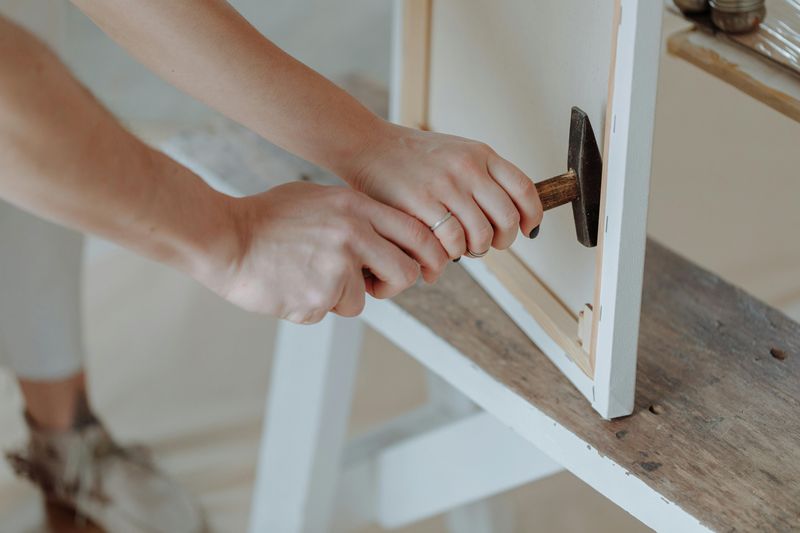
Wobbly chairs and tired dressers are not junk.
Tighten fasteners, then pull joints apart gently and re glue with wood glue before clamping overnight.
A quick sanding removes old finish dust and reveals fresh grain ready for stain.
Drawers that stick often need wax, new runners, or modern slides that make them feel new.
Chips fill with wood filler, then sand flat.
Choose a stain that suits the room, wipe off excess, and seal with polyurethane or hardwax for durability that stands up to daily life.
Small repairs change everything.
Replace missing knobs, fix stripped screw holes with dowels, and touch up scratches with matching markers.
You get custom looking pieces without dropping designer money, and every rescue keeps something beautiful out of the landfill while your space gains warmth and character.
8. Sewing and clothing repairs

Clothes last longer when you give them a second chance.
Hem pants to the right length by measuring twice and pressing crisp folds before stitching.
Replace lost buttons using the original thread holes and a simple shank so the fabric moves naturally.
Zippers that misbehave often need a new slider, not a whole replacement.
Seams come back together with a quick machine pass after pinning for alignment.
For holes, iron on patches inside denim or hand stitch a neat darn that blends with the weave.
A small kit with needles, black and white thread, a seam ripper, and fabric glue rides quietly in a drawer.
These tiny saves stack up, dodging tailor visits.
Your favorite clothes keep working hard, and your budget gets a break while your style looks intentional instead of disposable.
9. Home appliance troubleshooting

Before calling a tech, ask if the appliance is dirty, clogged, or overdue for a cheap part.
Fridges breathe better after coil cleaning and new door gaskets.
Dryers run safely when lint traps, ducts, and the exterior vent are cleaned thoroughly.
Dishwashers sparkle again with cleared filters and fresh spray arm holes.
Ovens and ranges often revive with a new igniter or element, both simple swaps following unplug and gas off rules.
Washers may just need a drain filter cleaned or hoses inspected for kinks and slow leaks.
Keep manuals or download them for part numbers and exploded diagrams.
Order belts, filters, and igniters online for a fraction of service visit fees.
With a little patience and a flashlight, you will turn mystery beeps into quick fixes and save your rainy day fund from evaporating on preventable calls.
10. Basic carpentry and small builds
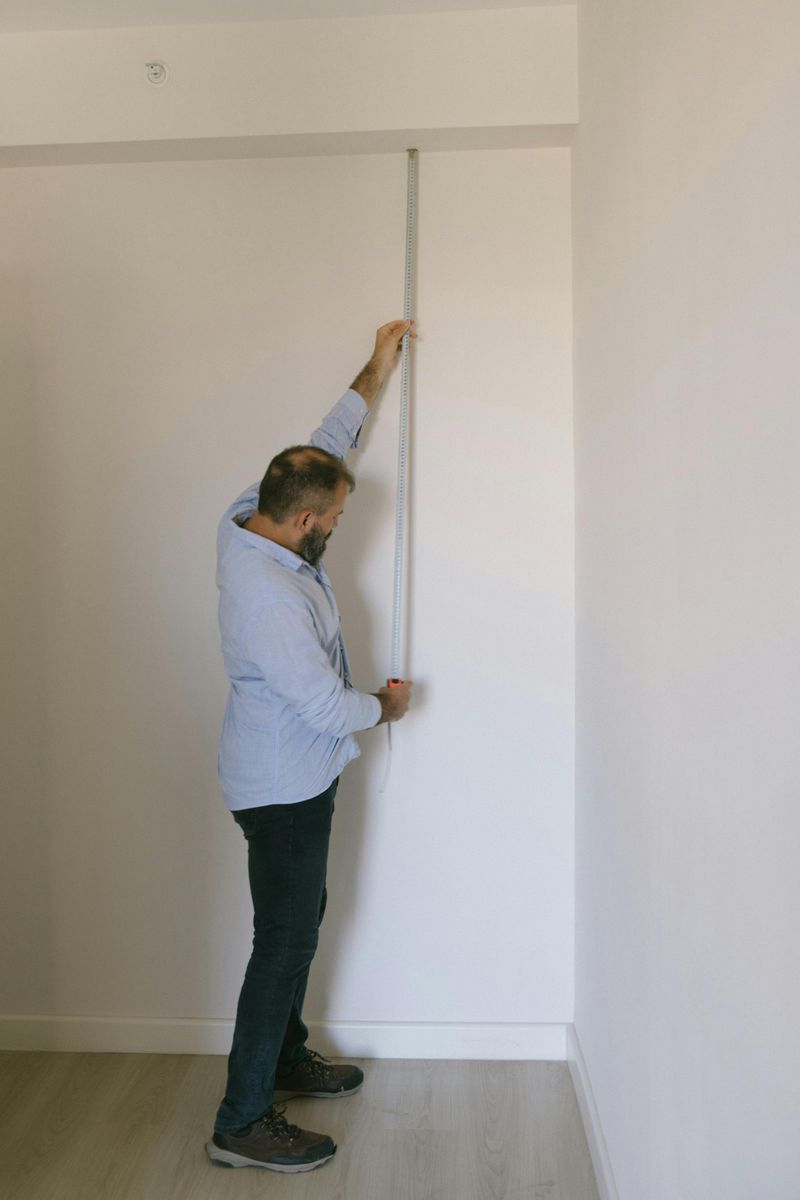
Woodwork scares people until they measure, mark, and make one clean cut.
Stud finders and levels are your best friends for shelves that never sag.
Pilot holes stop wood from splitting and make joints feel crisp.
Squeaky floors quiet down with construction adhesive and screws from below or specialized breakaway screws from above.
Hanging a door becomes a calm process when you shim the hinges, check reveals, and trim the latch strike.
A simple storage box from plywood and edge banding transforms chaos into order without calling a carpenter.
Replace baseboards to modernize a room fast, then caulk and paint for a perfect line.
You will learn square, plumb, and flush by doing, not guessing.
Those lessons translate into every future project while your wallet skips labor costs that often dwarf the price of materials.
Comments
Loading…