
 Jade Reed
11 Pioneering Women Who Revolutionized the TV Industry
Television did not reinvent itself by accident.
It evolved because bold women kicked open doors, rewired formats, and proved audiences would always show up for great stories.
You might know some of these names, but the ripple effects of their choices still shape what you binge, quote, and share today.
Get comfy, because these revolutionaries changed what TV can be and who gets to lead it.
1. Lucille Ball
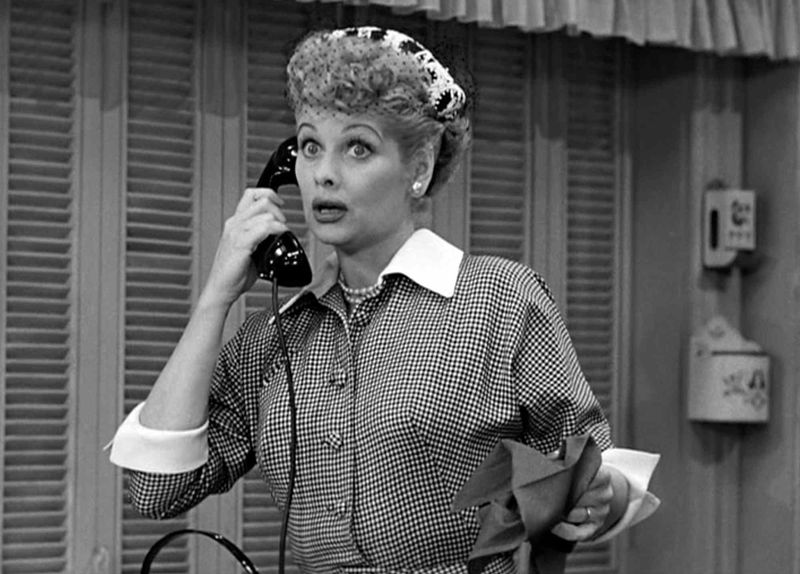
Few performers have ever understood the mechanics of television comedy the way Lucille Ball did, and her influence still shows up in the structure of modern sitcoms.
She wasn’t only a magnetic star; she helped push TV production forward by demanding higher standards, sharper timing, and a stronger sense of creative control than women were typically granted at the time.
Her work proved that a woman could be the comedic engine of a hit show without being softened into a supporting role, and it helped normalize the idea that female-led series could dominate ratings.
What made her trailblazing wasn’t just her talent, but her insistence on building a system that supported that talent—consistent quality, memorable characters, and production choices that made the comedy land.
Today’s multi-camera sitcoms owe a lot to her blueprint.
2. Shonda Rhimes
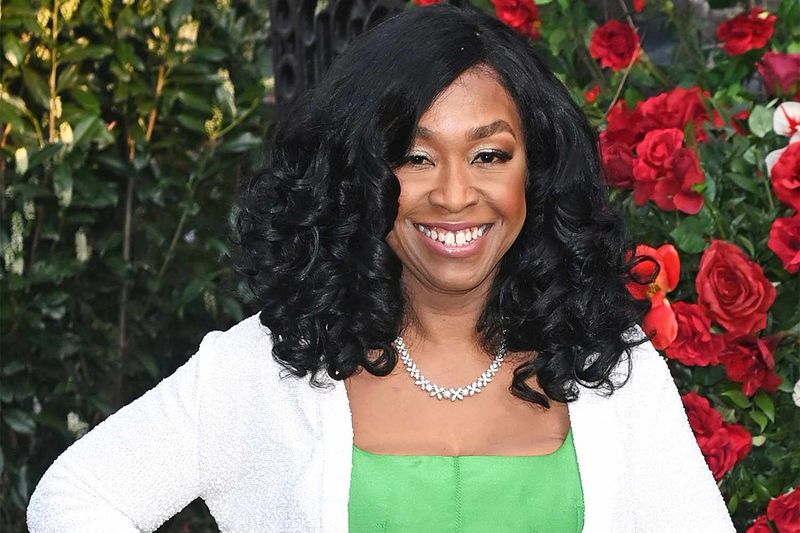
Modern television’s pace and emotional intensity shifted dramatically once Shonda Rhimes became a defining creative force.
Her shows didn’t simply attract audiences; they trained viewers to expect fast-moving storylines, high-stakes twists, and characters whose relationships felt messy and addictive in the best way.
She also normalized inclusive casting at the center of prime-time dramas, not as a “special” move, but as the baseline for what a believable TV world should look like.
That impact matters because representation becomes most powerful when it’s treated as ordinary rather than exceptional.
Beyond the screen, her success strengthened the public idea of the showrunner as a recognizable brand, proving that one woman’s storytelling voice could anchor multiple massive hits.
Even the streaming era’s appetite for bingeable drama echoes the intensity and rhythm she helped popularize.
3. Oprah Winfrey
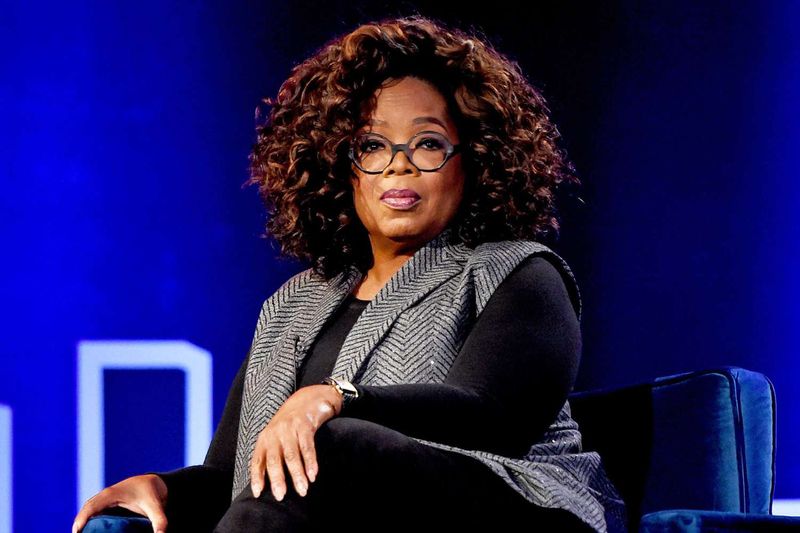
Daytime television became something much bigger once Oprah Winfrey turned her talk show into a cultural touchstone.
The format wasn’t new, but she transformed it by blending celebrity interviews, personal storytelling, and conversations that made viewers feel seen rather than entertained from a distance.
Her approach helped shift what audiences expected from TV discussions, making emotional honesty and social relevance part of mainstream viewing.
That influence traveled far beyond daytime, shaping interview styles across news, entertainment, and even reality television, where vulnerability became a currency.
She also expanded the idea of what a TV host could build, turning a show into a launchpad for books, philanthropy, and larger conversations that rippled through pop culture.
At a time when women in media were often boxed into narrow roles, she created a lane that was powerful, personal, and unmistakably her own.
4. Mary Tyler Moore
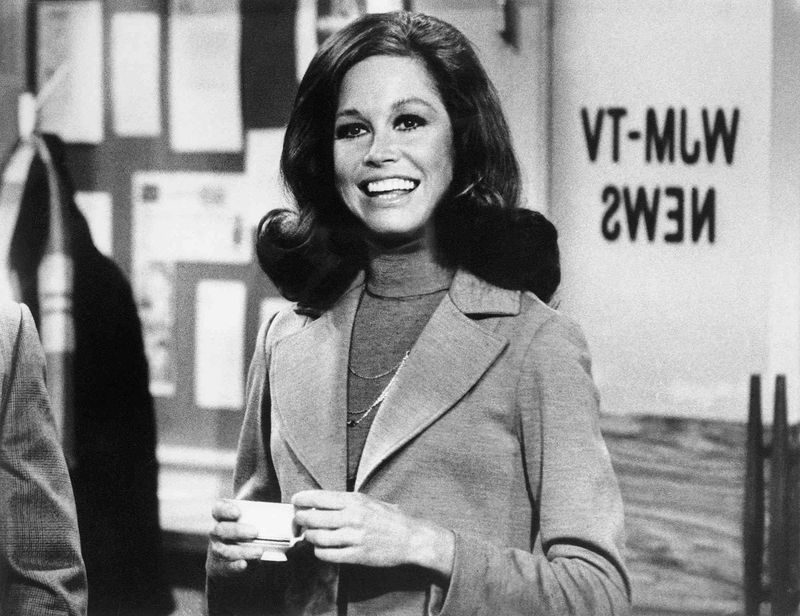
A major turning point in how women were portrayed on television came when Mary Tyler Moore proved that a female lead could be independent, funny, and deeply relatable without being defined by romance or domesticity.
Her work helped move sitcom heroines away from one-dimensional stereotypes and toward characters who felt like real adults with careers, friendships, ambition, and complicated feelings.
That shift mattered because representation isn’t only about visibility; it’s about allowing women to be fully human on screen, with lives that don’t revolve around someone else’s storyline.
She helped normalize the idea that viewers would root for a woman’s growth, not just her marriage plot, and that comedy could be built around a woman’s inner life as much as her punchlines.
You can see her influence in countless workplace comedies and character-driven sitcoms that came after.
5. Joan Ganz Cooney
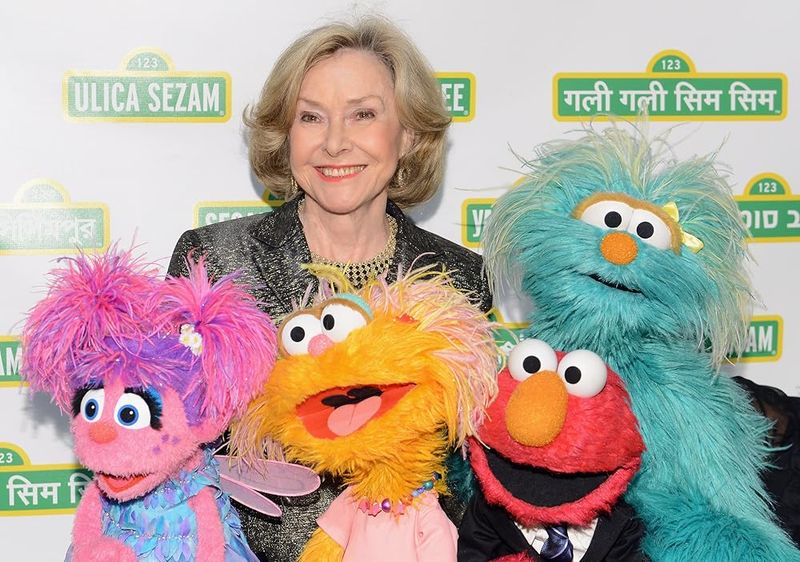
Educational television for children changed forever once Joan Ganz Cooney helped prove that learning could be built into entertainment without feeling like a lecture.
Her work showed that kids’ programming could be thoughtfully designed, research-informed, and still wildly engaging, which helped set a new standard for what children deserved from television.
That legacy matters because early childhood media shapes attention, curiosity, and language in ways that ripple through a lifetime, and she pushed the industry to take that responsibility seriously.
By connecting education with storytelling, humor, and music, she helped create a model that has been copied around the world.
Her influence can also be felt in how public-interest programming is discussed today, especially when it comes to access and equity.
In a medium often driven by profit, she helped prove TV could also be a tool for social good.
6. Diahann Carroll
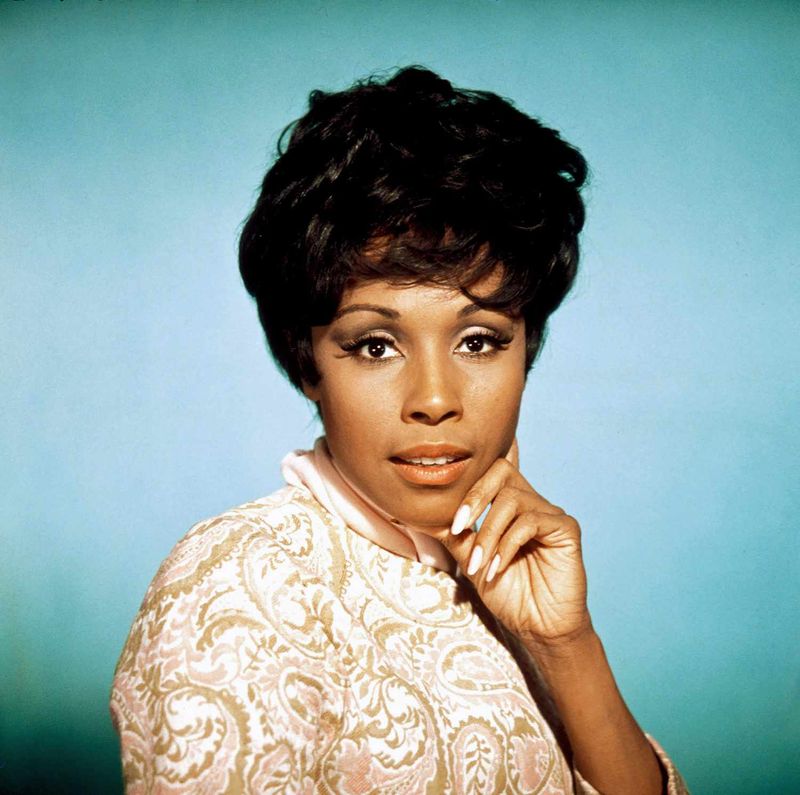
Breaking barriers on television often starts with one person being allowed to occupy space that was previously denied, and Diahann Carroll did exactly that.
Her career expanded what was possible for Black women in lead roles, especially in eras when television rarely offered complex, dignified portrayals beyond limiting stereotypes.
What made her impact so enduring was her insistence on grace, intelligence, and depth in the characters she brought to life, which helped challenge audiences and executives alike to rethink what mainstream television could look like.
Representation is never just about “being first,” because it also sets expectations for who gets to come next and how they’re treated.
By succeeding in high-profile spaces and refusing to shrink herself to fit the industry’s narrow ideas, she helped open doors for future generations of actresses to pursue lead roles that weren’t constrained by old assumptions.
7. Tina Fey
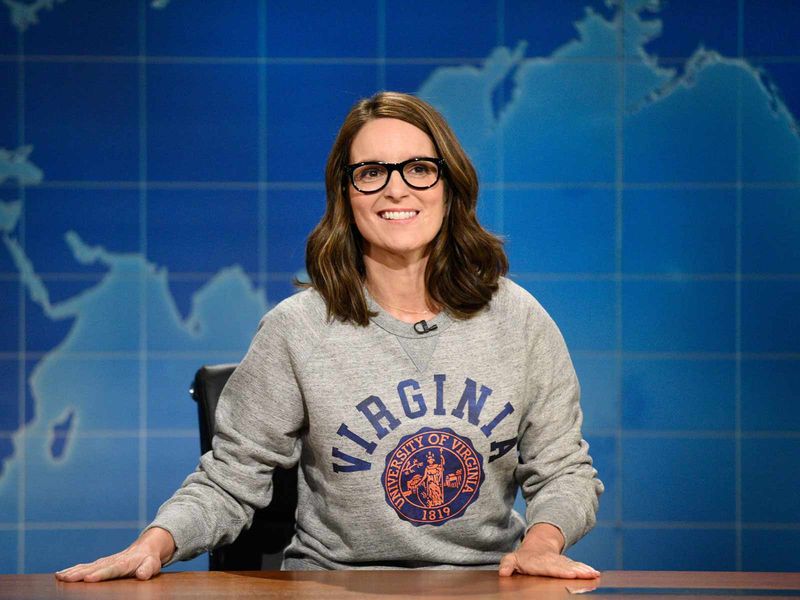
The modern comedy landscape looks different because Tina Fey proved that women could shape humor not just as performers, but as architects of the entire machine.
Her influence extends from writing and producing to redefining what it means to lead a comedy room with authority, precision, and a distinct voice.
She helped normalize female perspectives in satire, workplace comedy, and pop-culture commentary, areas that had long been dominated by men.
What’s especially trailblazing is how her work made space for women to be sharp, flawed, ambitious, and funny without being softened for approval.
Her success also helped inspire a pipeline of women writers and comedic performers who saw a clearer path into the industry.
You can trace her fingerprints through the tone of modern sitcoms, the rhythm of joke-writing, and the way character-driven comedy now embraces women who are complicated rather than “nice.”
8. Barbara Walters
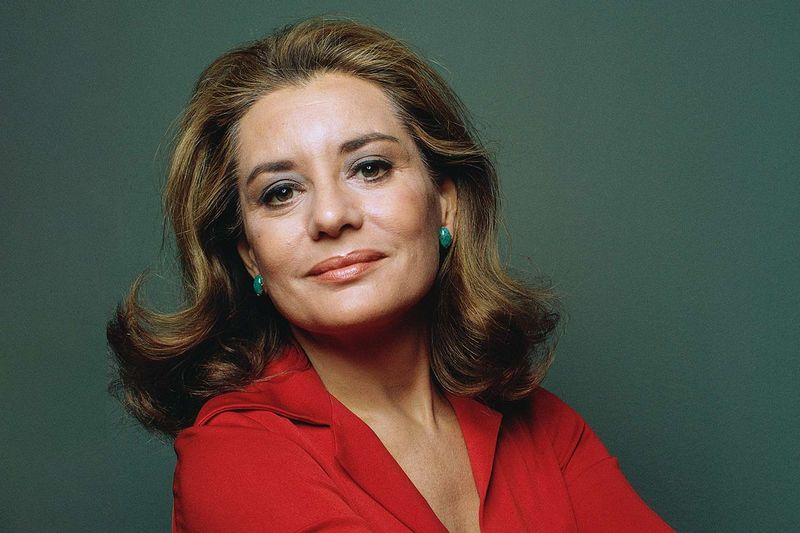
Television journalism shifted when Barbara Walters made interviews feel like events rather than routine segments.
Her style blended preparedness with curiosity, and she had a way of pulling emotion and specificity out of people who were used to rehearsed answers.
That approach mattered because it helped reshape what viewers expected from TV news and celebrity coverage, pushing the medium toward deeper conversation and more personal storytelling.
She also broke ground in an industry where high-profile broadcast roles were heavily guarded, proving that a woman could be both authoritative and widely influential in a space that often rewarded only one narrow kind of voice.
The ripple effect is easy to see in modern interview culture, from primetime specials to streaming documentaries that lean on intimate questioning.
By insisting on seriousness, professionalism, and reach, she helped open doors for generations of women who wanted to be taken seriously on camera.
9. Martha Stewart
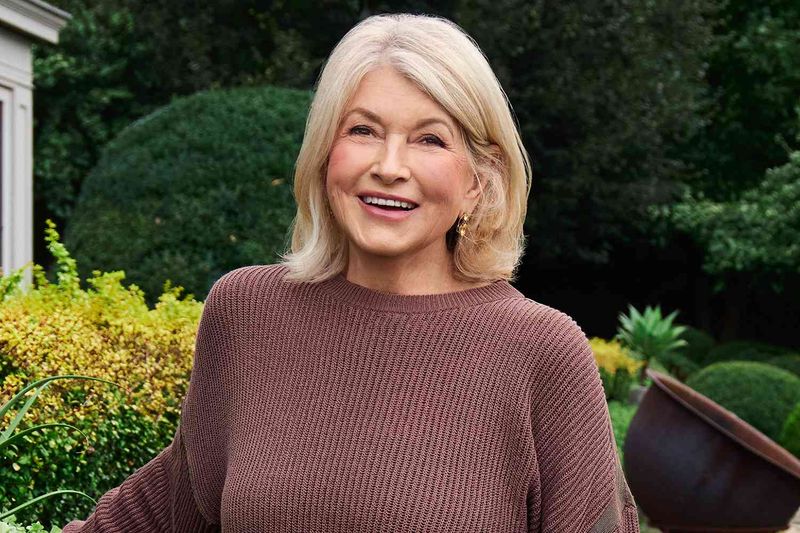
Lifestyle television became a powerhouse genre once Martha Stewart turned domestic expertise into must-watch programming.
Her work helped prove that cooking, entertaining, home design, and crafting weren’t “small” topics, but central interests that could carry entire networks, sponsorships, and media empires.
The influence goes beyond aesthetics, because she helped shape the expert-host format that dominates lifestyle content today, from food competitions to home renovation shows and influencer-led tutorials.
She also reframed domestic skills as a form of mastery, which resonated with audiences who wanted practical guidance and aspirational inspiration at the same time.
That combination—authority paired with accessibility—changed how lifestyle TV was packaged and sold.
Even the way modern creators build brands around home, food, and personal style echoes the model she helped pioneer.
In a medium that once dismissed “women’s interests,” she made them profitable, polished, and culturally huge.
10. Phylicia Rashad
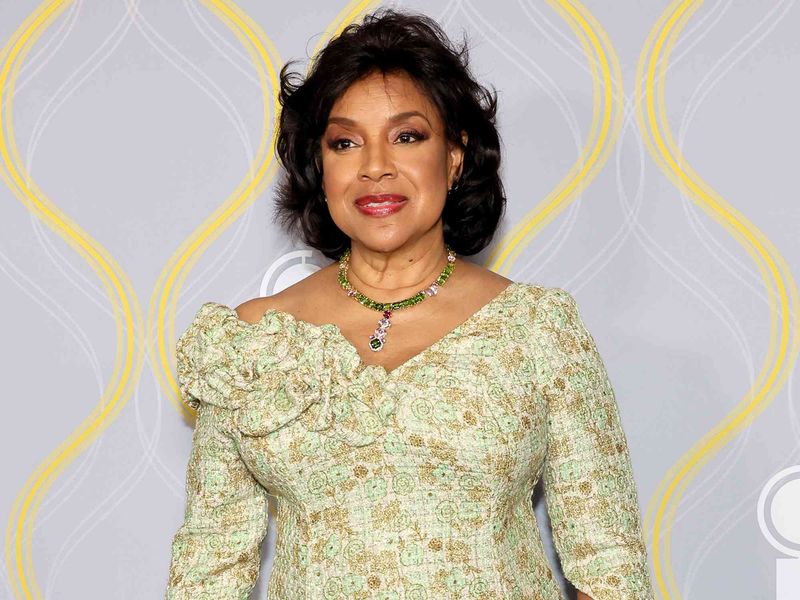
Television family dynamics felt more grounded and aspirational at the same time when Phylicia Rashad helped bring a new kind of mother figure to the screen.
Her portrayal of a confident, intelligent, and emotionally layered woman pushed back against narrow portrayals that had historically limited Black women’s roles in mainstream sitcoms.
That mattered because representation isn’t only about presence; it’s also about range, dignity, and the freedom to be portrayed as fully competent without losing warmth.
She helped show audiences a version of family life that felt both entertaining and meaningful, creating a standard that many later shows drew from when building strong matriarch characters.
Her impact also extended to how professional women were depicted, because her on-screen authority didn’t require sacrificing charm or humor.
The result was a portrayal that still feels influential whenever television tries to balance comedy, love, and real-world respect.
11. Jenji Kohan
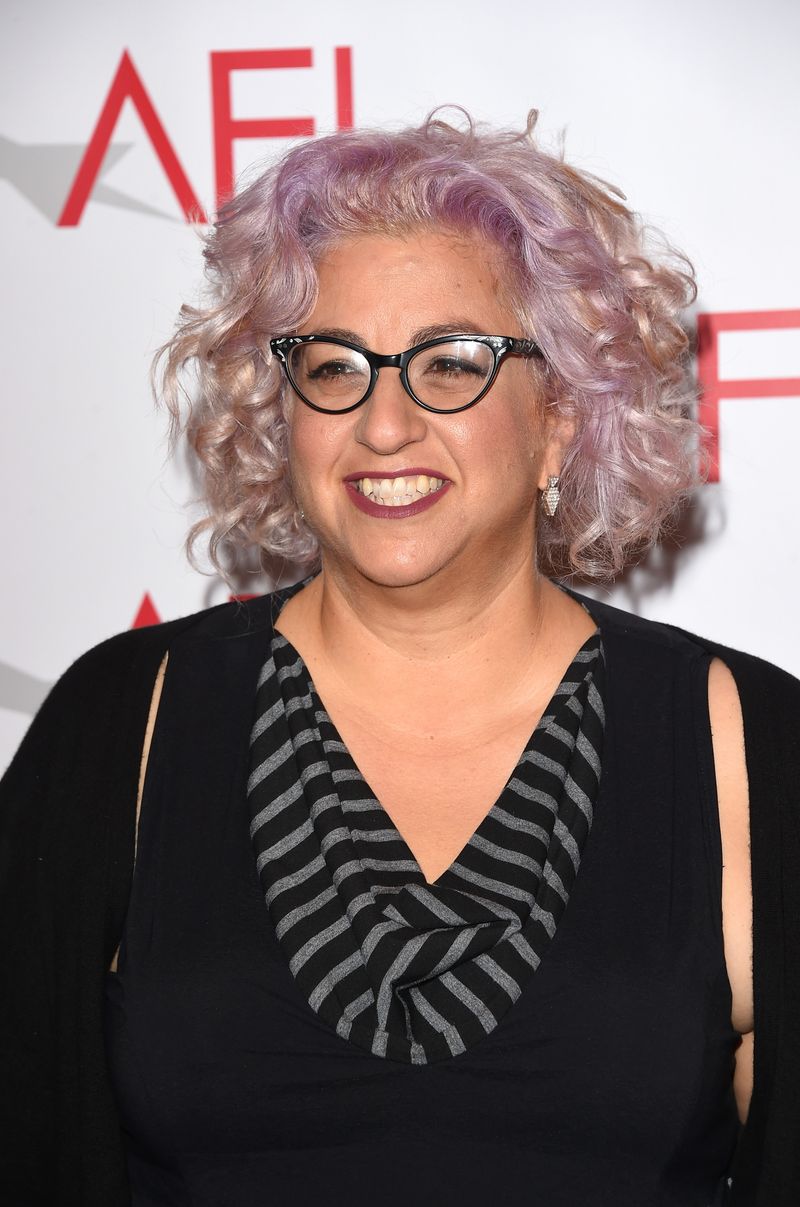
Prestige television became more willing to center messy, complicated women once Jenji Kohan helped prove that female-led stories didn’t need to be tidy to be worth watching.
Her work leaned into flawed characters, moral ambiguity, and uncomfortable humor, which expanded the kinds of women audiences were allowed to follow without being told who to “approve of.”
That shift matters because television often pressures women characters into likability as a requirement, and she helped push against that rule.
She also elevated ensemble storytelling that gave multiple women space to be nuanced at once, rather than reducing a cast to one token perspective.
The ripple effect is clear in the streaming era’s appetite for bold, character-driven dramedies that mix laughter with discomfort.
By treating women’s lives as layered and unpredictable, she helped open the door for stories that feel more honest—because real people rarely fit into neat categories.
Comments
Loading…