
 Jade Reed
15 Honest Confessions About How Social Media Changed the Way We See Ourselves
If you have ever caught your reflection and felt like it did not match your camera roll, you are not alone.
Social media rewired how we measure beauty, success, and even normalcy.
It made some of us chase pixels more than peace, then wonder why confidence felt so fragile.
These confessions pull back the filter and say the quiet parts out loud so you can finally breathe again.
1. I stopped recognizing my own face without a filter.

Some mornings, the mirror felt like it was glitching.
Skin looked softer on screen, lashes longer, pores politely erased, and somehow the daylight seemed rude by comparison.
You scroll, you adjust, you retake, and suddenly your unedited face feels like a mistake instead of a person.
It crept in slowly, like a habit that pretends to help.
Filters became training wheels, then a requirement, then a standard I could not carry into real life.
Friends would say I looked great, but my brain searched for smoothing sliders.
Relearning my face took practice.
I started taking photos in bad lighting on purpose, noticing freckles again, and letting a pimple just be a pimple.
When I stopped fighting the mirror, it stopped fighting back.
The surprise is how human relief feels when you make peace with texture.
2. I started comparing my ‘real life’ to someone else’s highlight reel—and lost every time.

There is a special kind of defeat that comes from scrolling at midnight.
Weddings, promotions, abs, sunsets, and that friend who is somehow always in Greece while you are reheating leftovers.
Reality never stands a chance against curated sparkle.
What I forgot was the editing room floor.
The arguments cropped out, the slow days, the laundry piles, the money stress, the silence.
My regular life looked dull only because I was grading it against a trailer cut by professionals of their own lives.
When I started treating feeds like movie previews, envy softened.
I wrote down tiny wins and let boring be beautiful.
Joy returned in small pockets: a perfect peach, a text that landed right, a nap that fixed everything.
The scoreboard stopped blinking when I stopped keeping score.
3. I developed a new insecurity every time a new trend hit. (jawline checks, ribcage comparisons, etc.)
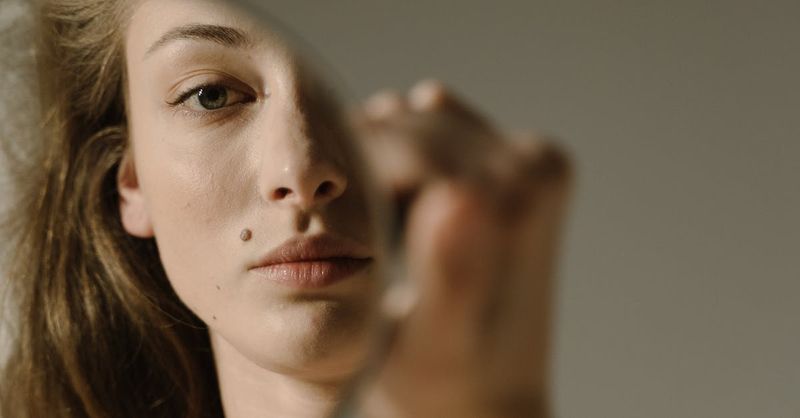
Trends arrived like pop quizzes for body parts.
Suddenly everyone was tilting chins to prove angles, counting ribs, measuring wrist gaps, and pinching waists in mirror challenges.
If your body did not pass, the test kept changing.
It was exhausting to audit myself every week.
I never knew my jawline mattered until a soundbite said it did.
Those micro insecurities stacked up like tabs I forgot to close, slowing everything down.
The fix was not radical, just consistent.
I muted trend accounts, followed creators who move for joy, and reminded myself that bodies are not fads.
Also, the camera’s lens length can fake a jaw faster than any contour.
Trends will keep spinning, but opting out is the most rebellious choreography.
4. My body became a ‘before photo’ in my own head.
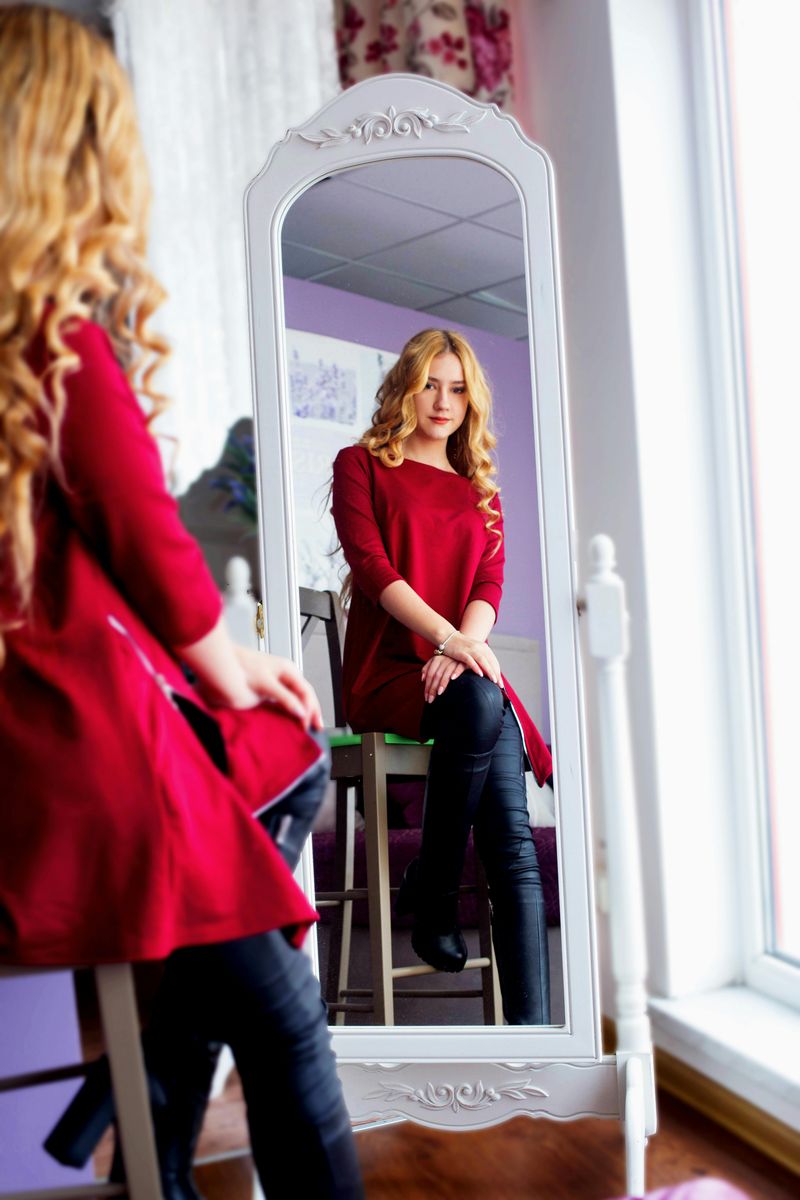
Every mirror became a measuring tape.
I kept imagining a future after picture where I was smoother, smaller, sharper, and somehow more lovable.
The present-day version felt like a draft waiting for edits.
That mindset stole a lot of fun.
Exercise turned into punishment, meals into math, rest into weakness.
Even compliments felt conditional, like they belonged to a person I had not turned into yet.
Reframing helped.
I started documenting strength PRs, sleep hours, and how clothes allowed me to play, not just how they looked.
Bodies are stories, not marketing decks.
When I stopped waiting for the transformation arc, I realized the plot was already good.
5. I learned to hate candid photos because they don’t look like my selfies.
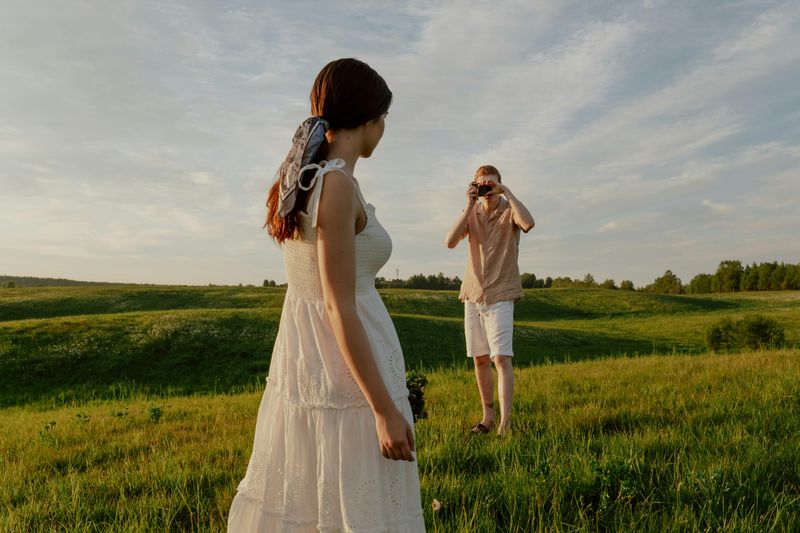
Candids used to be proof of fun.
Then editing and angles trained my eye to expect symmetry, smoothed skin, and a practiced side profile.
Any unposed shot felt like betrayal.
It turns out candids tell the truth about how joy moves on a face.
Teeth show, eyes squint, hair misbehaves, and still the memory holds.
I started asking friends to send the weird ones because they captured the laughter I actually remember.
Now I take fewer retakes and more deep breaths.
If a photo catches me mid-chew, that is evidence I ate with people I love.
Imperfect candids became little proof points that life happened while I forgot to curate it.
6. I stopped posting because I couldn’t handle getting fewer likes than my friends.

Silence felt safer than watching numbers judge me.
I would craft a caption, pick a photo, hesitate, then bail because the potential comparison headache was louder than the desire to share.
Posting became a math problem I could not solve.
We forget that algorithms are moody roommates, not moral authorities.
They favor schedules, formats, and timing, then pretend it is personal.
My worth was never meant to be a graph.
So I created small rules.
Share when it feels true, close the app for an hour, and ask a friend about their day offline.
When likes happen, cool.
When they do not, also cool.
The conversation you have in real life rarely needs a metric.
7. I began planning outfits for the camera, not for my comfort.
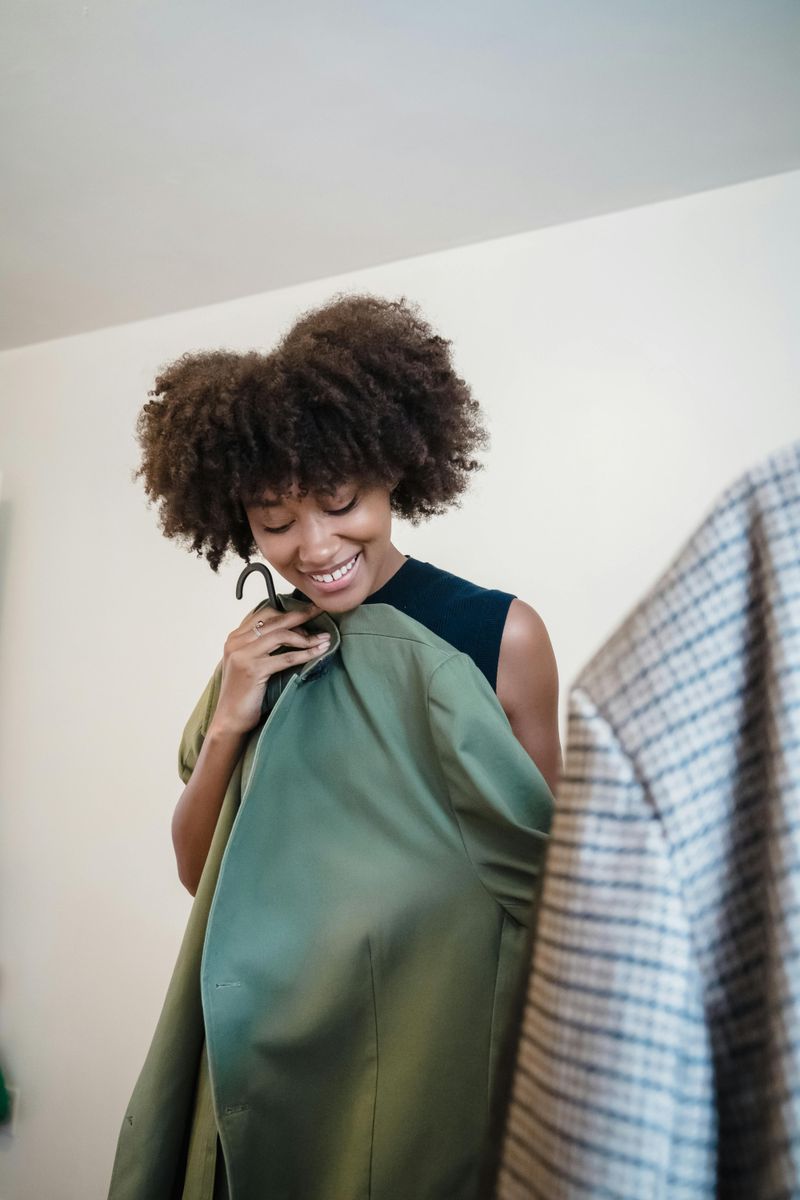
Walking felt like being on stage for an invisible audience.
Fabrics scratched, shoes pinched, but the outfit photographed beautifully, so I convinced myself discomfort was chic.
The day would end and all I had was blisters and content.
Eventually I noticed how confidence evaporates when your ribs cannot expand.
A soft tee and stable shoes do more for swagger than any corset ever did.
Comfort is not anti-style, it is the foundation that lets style breathe.
Now I shop by touch first.
If it moves with me, if I can eat in it, if I can dance or sprint for a bus, it passes.
Photos look better when you feel better.
The camera knows when you can exhale.
8. I started ‘fixing’ things I never noticed until influencers pointed them out. (pores, smile lines, hip dips)

Some flaws arrived with links.
I did not know hip dips needed correcting until a tutorial told me three ways to disguise them.
Pores became enemies, smile lines a problem, and somehow aging at twenty-five was a crisis.
It is profitable to keep us slightly unhappy.
New serums, new devices, new angles promise salvation if you keep scrolling.
Meanwhile, your face is busy living and your body is carrying you places.
I began asking who benefits from my insecurity.
Often the answer had a discount code.
I now treat advice like a buffet, not a mandate, and only pick what my skin actually enjoys.
Funny thing, joy makes you glow better than any ring light.
9. I felt like I needed to look polished just to run errands.
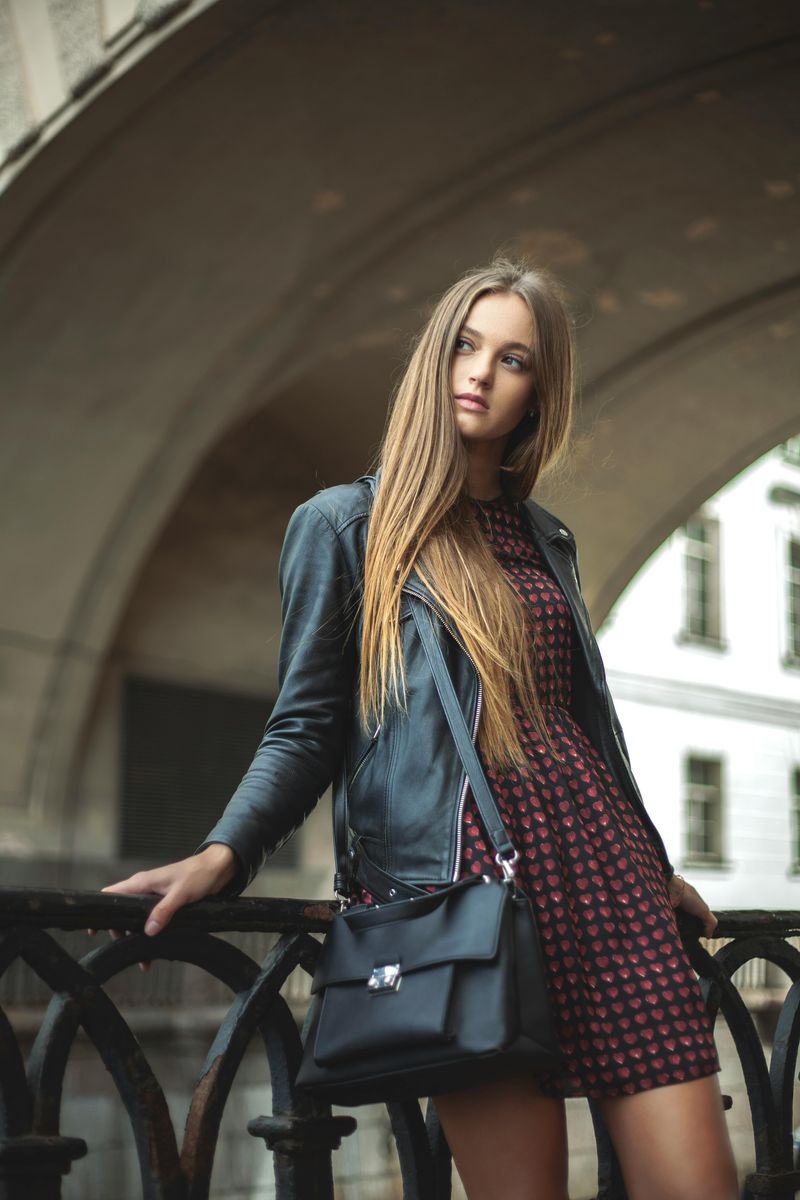
Groceries turned into a runway rehearsal.
I would worry about bumping into someone with a phone and accidentally starring in a stranger’s background.
Ponytail or hat, mascara or none, every quick trip felt public.
The pressure to be camera ready is a low hum.
It drains energy you could spend noticing peaches or remembering the list.
One day I wore paint-splattered sweats and survived.
The world did not end, the milk still cost too much, and I got home faster.
Now errand outfits are a love letter to my nervous system.
Soft, easy, pockets for snacks.
If someone captures me choosing cereal, that is a documentary, not a scandal.
10. I tied my worth to engagement—and my confidence rose and fell with the numbers.
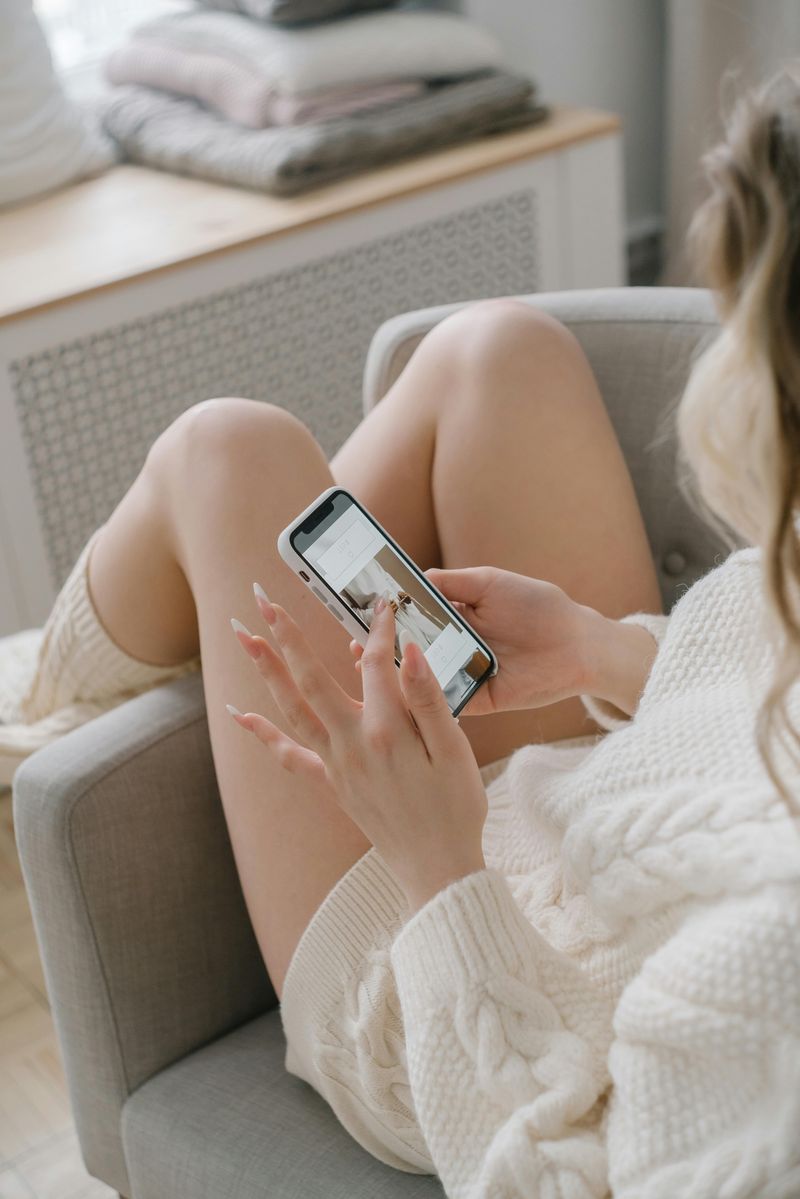
Mornings started with analytics, not coffee.
I would refresh metrics until my mood took orders from a dashboard.
Good numbers meant I was charming, smart, desirable.
Bad numbers meant I should be quieter.
It took time to separate output from identity.
Engagement reflects reach, timing, audience mood, and about a hundred variables beyond character.
Friends do not love you because a reel looped well.
Now my metrics are more human.
Did I make someone laugh today.
Did I keep a promise.
Did I rest when I was tired.
The chart still exists, but it no longer gets a house key.
11. I spiraled after seeing how I looked in the background of someone else’s video.
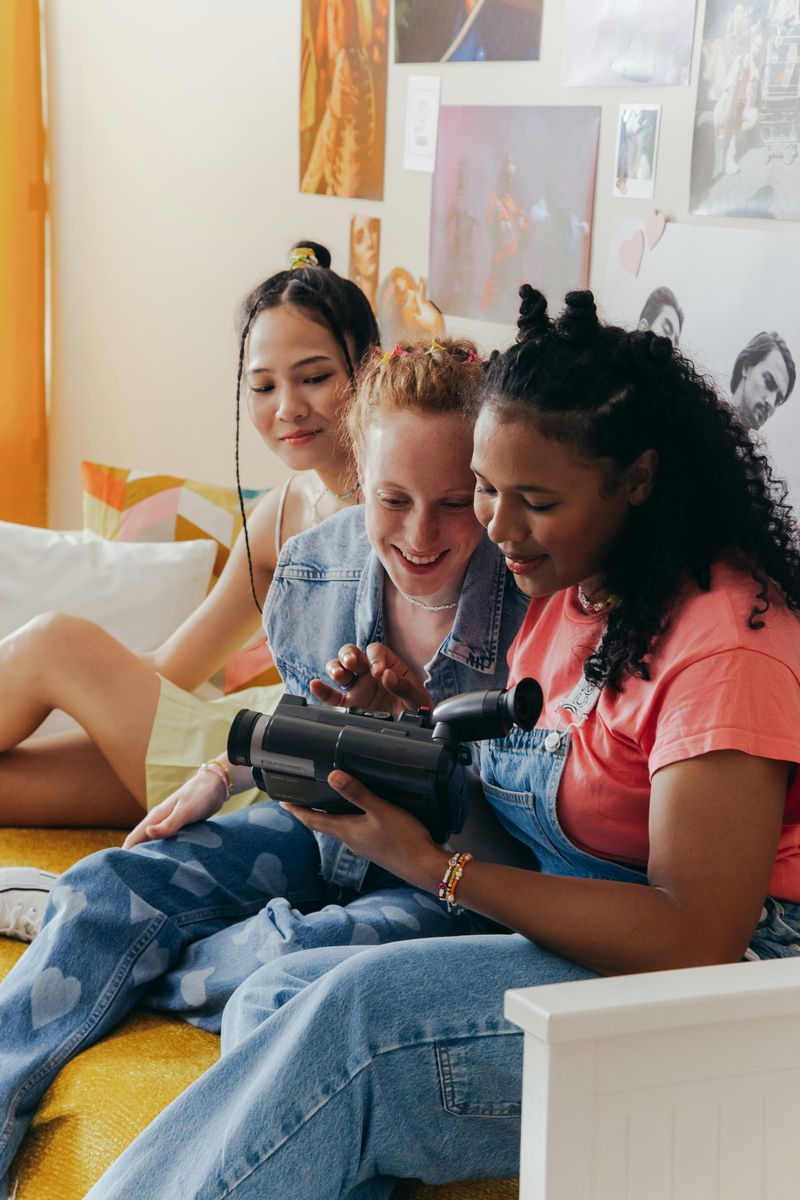
Nothing derails a day like catching yourself at a weird angle you never approved.
A paused frame becomes a courtroom where you are both defendant and judge.
I zoomed, I panicked, and I almost canceled plans.
That angle was not the truth, just a moment with bad lighting and motion blur.
We are all background characters in someone else’s clip, and bodies bend strangely mid-step.
I started collecting screenshots where I looked ridiculous and laughed on purpose.
Humor breaks the spell.
Also, I remind myself that strangers forget what they saw by lunch.
The people who matter knew my face before pixels tried to narrate it.
12. I assumed everyone my age looked younger than me. (because of editing + injectables + lighting)

Scroll long enough and thirty looks like nineteen with a mortgage.
I started believing I was aging in dog years while everyone else sipped youth like water.
The math did not add up until I remembered filters and fillers and ring lights.
Comparison ignores context.
Some people invest heavily, some edit lightly, some are just well-rested.
None of it is a referendum on your face.
I began complimenting features that actually help me live.
Eyes that notice sunsets, hands that carry groceries, legs that climb stairs.
When you shift the metric from youthful to useful, the mirror relaxes.
Lines on a face read like chapters, not failures.
13. I started seeing my face as a collection of ‘flaws’ to correct.
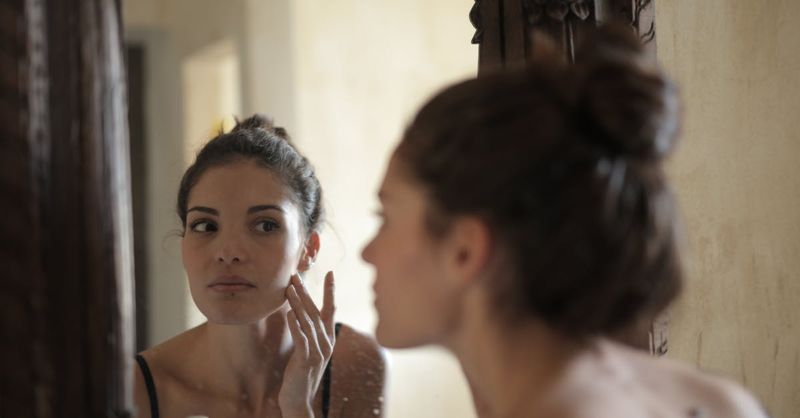
Once you zoom in, it is hard to zoom out.
Every pore, asymmetry, and shadow turns into a task.
I forgot that faces are meant to move, crinkle, and translate feelings, not sit perfectly still like a mannequin.
Perfection is sterile.
The expressions people remember are usually the ones that break the rules a little.
Crooked smiles tell better jokes.
Raised brows make conversations happen.
These days I step back from the mirror.
I look at my face the way a friend would look at me across a table.
Softer, wider, kinder.
The goal is not correction, it is connection.
14. I forgot what ‘normal’ bodies look like. (especially after curated fitness content)
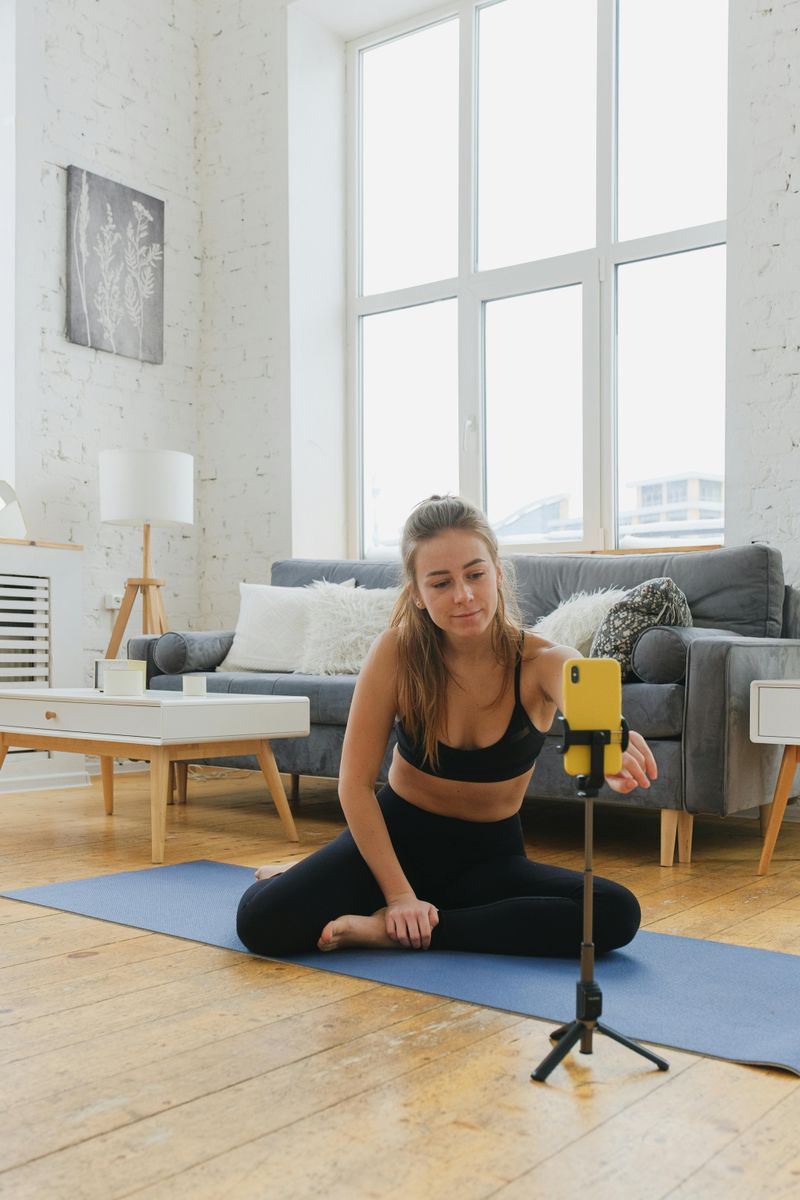
After months of shredded timelines, my brain recalibrated.
I started thinking everyone had permanent abs, razor shoulders, and zero softness.
Then I went to the beach and saw reality in all its glorious variety.
Online fitness can be inspiring, but it is also staged, lit, pumped, and flexed.
Off-camera, bodies rest and bloat and jiggle and heal.
That is not failure, it is biology doing its job.
Now I mix my feed with people who play sports for fun, older athletes, postpartum journeys, and folks who lift for bones not aesthetics.
My eyes remember the range.
Normal is wide, generous, and busy being alive.
15. When I took a break, I liked myself again. (and realized how loud the comparison loop was)

Silence from the feed felt awkward at first, like missing a step on the stairs.
Then my brain stopped buzzing and food tasted better.
I caught myself humming while doing dishes, which felt like the biggest win.
Without the constant parade of faces and bodies, I remembered my own.
Walks got longer, sleep came faster, and mirrors became less threatening.
The comparison loop did not disappear, it just turned down to background volume.
Now I schedule breaks like vitamins.
A weekend off, airplane mode evenings, no scroll mornings.
Every time I step away, I return with kinder eyes and a steadier pulse.
Comments
Loading…