
 Mary Murphy
12 Famous Movies That Made Major Stars Quit Acting for Good
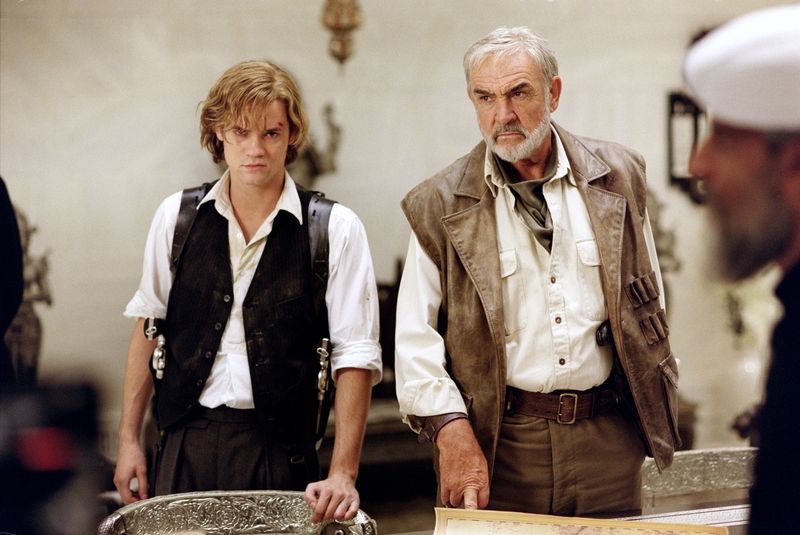
Sometimes a movie role becomes the final curtain call for an actor.
Whether it’s creative exhaustion, personal struggles, or simply falling out of love with Hollywood, certain films have marked the end of legendary careers.
These actors walked away from fame and fortune, choosing peace over the spotlight.
Their stories remind us that even stars need to know when it’s time to say goodbye.
1. Daniel Day-Lewis in Phantom Thread (2017)
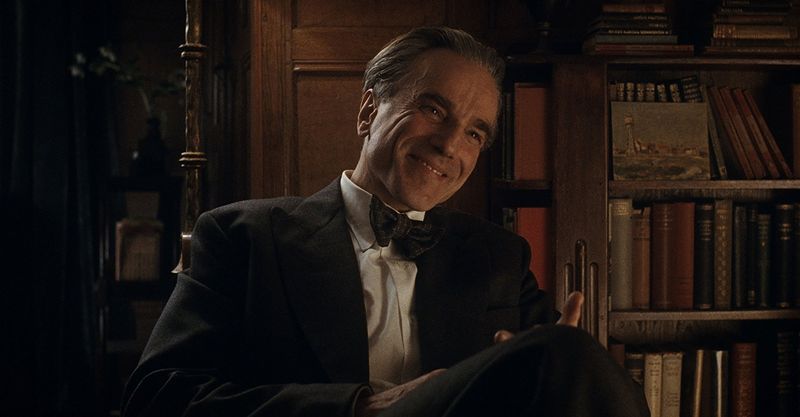
At the peak of his powers, Daniel Day-Lewis delivered a haunting performance as a meticulous fashion designer in 1950s London.
The film earned him another Oscar nomination, yet he shocked the world by announcing his retirement immediately after.
Day-Lewis explained that the emotional toll of method acting had become too much to bear.
Known for disappearing completely into his characters, he’d spend months living as the people he portrayed.
This intense process drained him physically and mentally.
After decades of transforming himself for the camera, he decided Phantom Thread would be his swan song, leaving behind one of cinema’s most celebrated careers.
2. Cameron Diaz in Annie (2014)
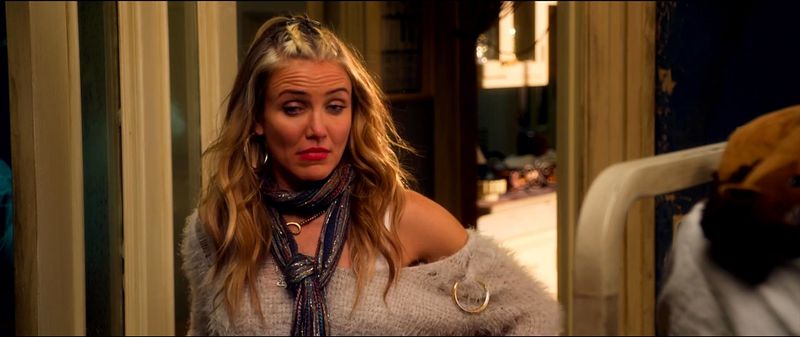
Cameron Diaz had been Hollywood’s golden girl for over two decades when she took on the role of Miss Hannigan in this modern musical remake.
The film received mixed reviews, and something shifted inside her during production.
She realized the constant pressure and relentless schedules were stealing her joy.
Years later, Diaz opened up about feeling like she’d lost herself in the machine of fame.
She wanted to reclaim her life and focus on personal happiness rather than box office numbers.
Walking away wasn’t easy, but it gave her the freedom to explore who she was beyond the red carpet and movie premieres.
3. Sean Connery in The League of Extraordinary Gentlemen (2003)
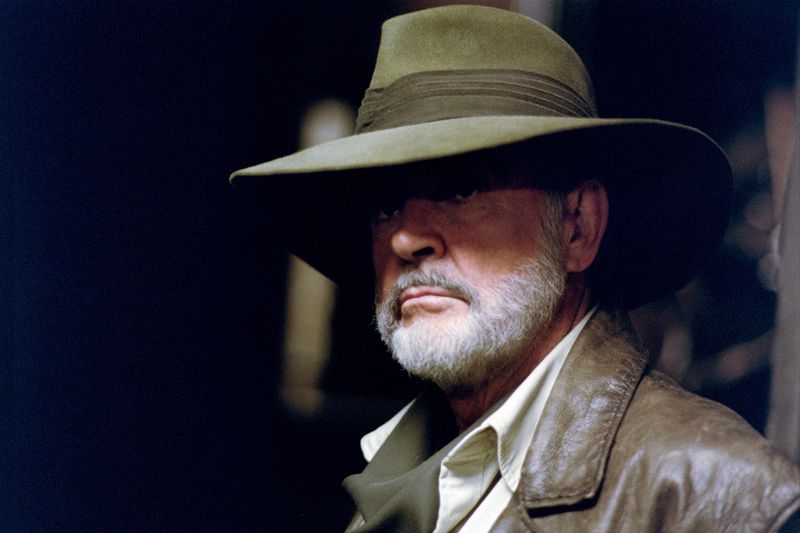
The original James Bond faced his biggest disappointment with this troubled comic book adaptation.
Behind-the-scenes conflicts plagued the production, with Connery clashing repeatedly with the director over creative decisions.
The final product bombed critically and commercially, leaving the legendary actor deeply frustrated.
At 73, Connery had already enjoyed an incredible career spanning five decades.
The nightmare experience of making this film convinced him that modern Hollywood had lost its way.
He announced his retirement shortly after, tired of dealing with studio politics and soulless blockbusters that prioritized special effects over storytelling and character development.
4. Mara Wilson in Matilda (1996)
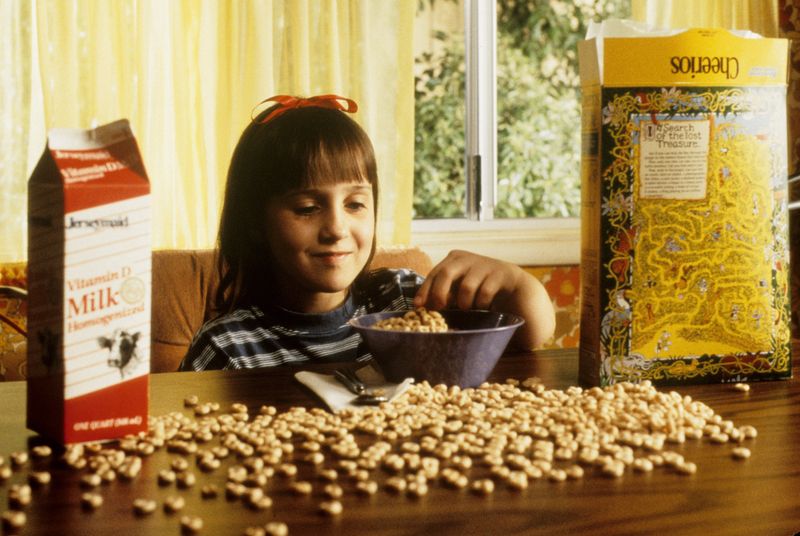
Playing the brilliant young girl with telekinetic powers made Mara Wilson a household name when she was just nine years old.
But behind the magical story lay real-life heartbreak—her mother passed away during filming, casting a shadow over what should have been a joyful experience.
The pressures of child stardom began weighing heavily on her young shoulders.
As she grew older, Wilson found herself struggling with the expectations and scrutiny that came with fame.
She gradually stepped away from acting, choosing instead to focus on writing and living a more private life, far from Hollywood’s demanding spotlight.
5. Greta Garbo in Two-Faced Woman (1941)
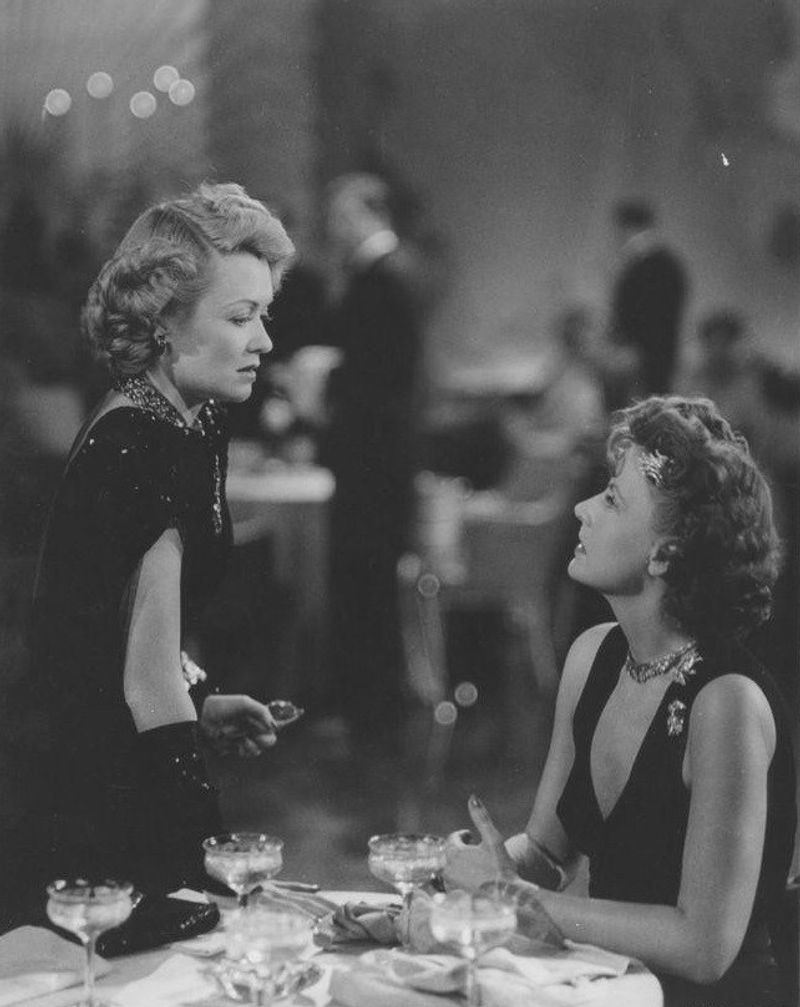
One of cinema’s most enigmatic icons, Greta Garbo stumbled with this screwball comedy that critics savaged upon release.
The film marked a dramatic departure from her usual sophisticated roles, and audiences didn’t embrace the change.
At just 36, Garbo felt the sting of rejection more deeply than anyone expected.
Already exhausted by Hollywood’s demands and the loss of privacy that came with stardom, she saw the film’s failure as a sign.
Garbo retreated from public life entirely, never making another film.
She spent the next five decades living quietly in New York, becoming famous for her reclusiveness and mysterious absence from the screen.
6. Hayden Christensen in Star Wars: Episode III – Revenge of the Sith (2005)
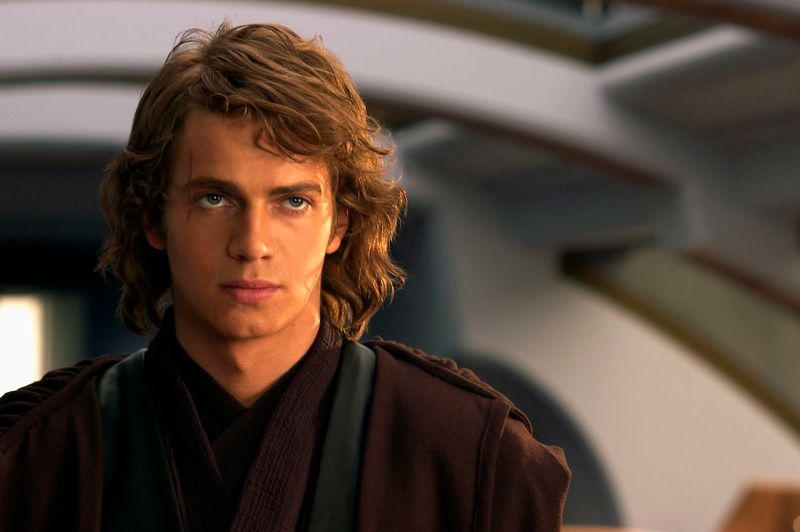
Landing the role of Anakin Skywalker should have launched Hayden Christensen into superstardom.
Instead, harsh criticism of his performance in the prequel trilogy left him bruised and disillusioned.
Fans mercilessly attacked his acting choices, often blaming him for dialogue and direction beyond his control.
The backlash took a serious toll on his confidence and career prospects.
Rather than fighting to stay in the spotlight, Christensen largely withdrew from major Hollywood productions.
He took occasional smaller roles but mostly stepped away from the industry that had built him up only to tear him down so publicly and painfully.
7. Shelley Duvall in The Shining (1980)
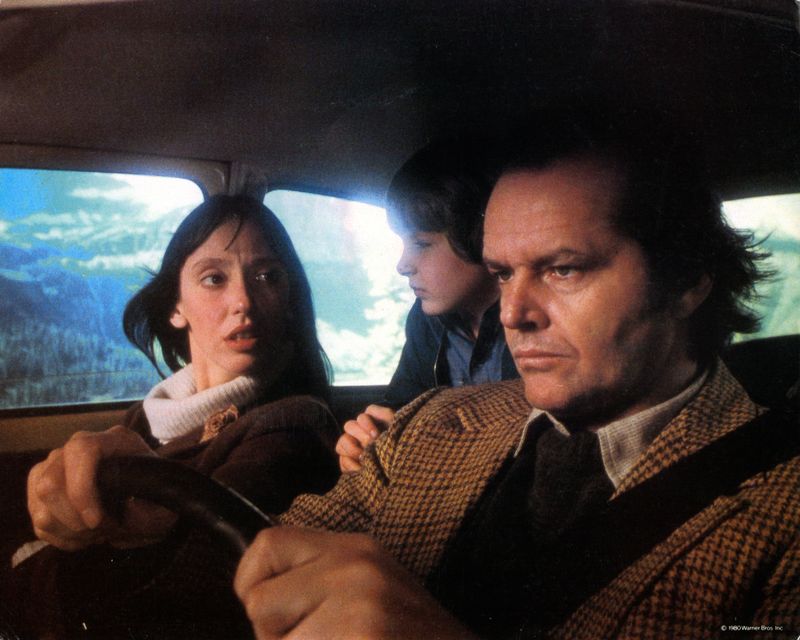
Working with perfectionist director Stanley Kubrick proved to be a harrowing ordeal for Shelley Duvall.
She filmed the famous baseball bat scene 127 times, pushing her to complete emotional and physical breakdown.
Kubrick’s demanding methods left her traumatized, with her hair falling out from stress during production.
Though The Shining became a horror masterpiece, the experience scarred Duvall deeply.
She continued acting for a while but gradually withdrew from mainstream cinema.
The psychological toll of that shoot contributed to her long absence from Hollywood, as she struggled with mental health challenges in the decades that followed.
8. Jaye Davidson in The Crying Game (1992)
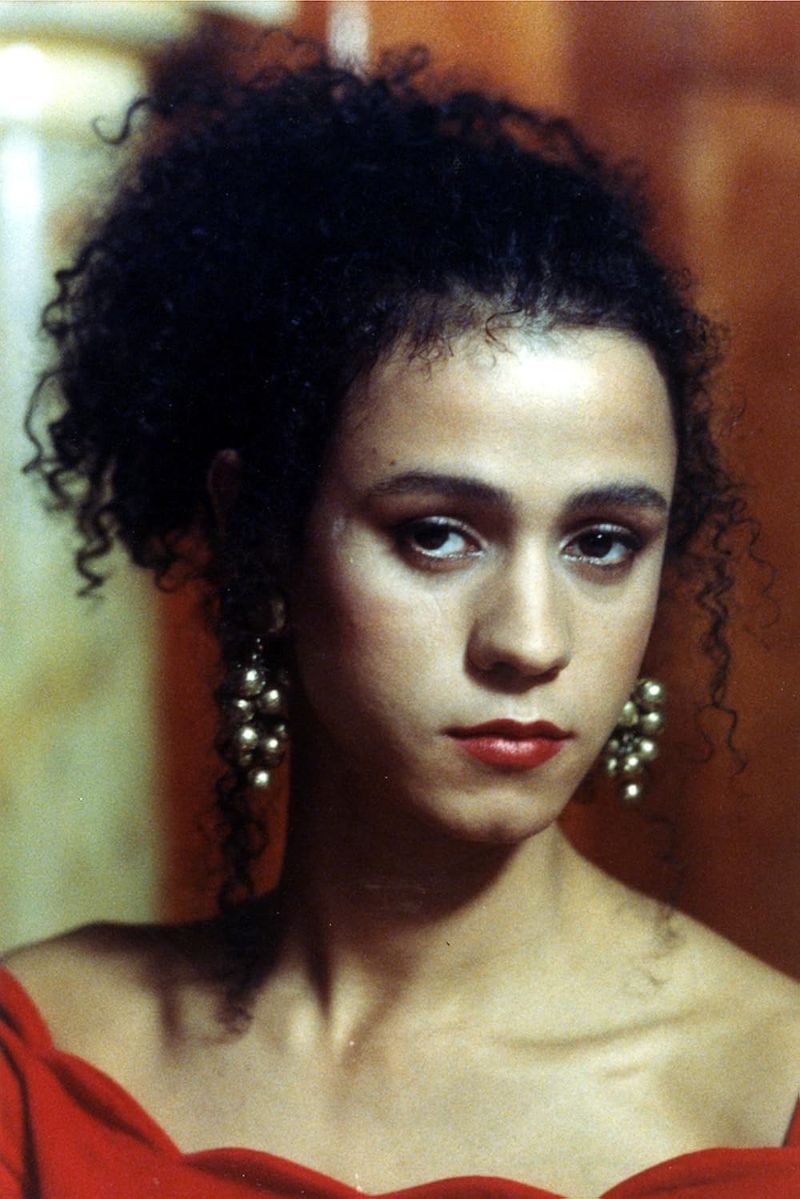
An unknown fashion assistant stunned audiences with a breakthrough performance that earned an Oscar nomination.
Jaye Davidson’s portrayal became one of cinema’s most talked-about roles, launching what everyone assumed would be a major career.
But Davidson had zero interest in becoming a celebrity or pursuing acting professionally.
The sudden fame felt suffocating rather than exciting.
After appearing in one more film, Davidson walked away completely, returning to the fashion world and private life.
Unlike most actors who chase stardom, Davidson actively rejected it, proving that not everyone dreams of Hollywood glory, even when it’s handed to them on a silver platter.
9. Gene Hackman in Welcome to Mooseport (2004)
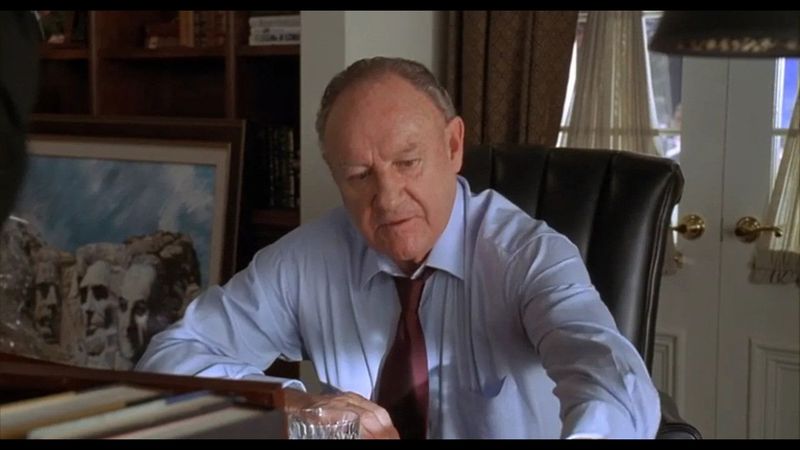
After five decades of brilliant performances, Gene Hackman’s final role was in this forgettable comedy opposite Ray Romano.
The film barely made a ripple at the box office, but Hackman had already decided his time was up.
At 74, he felt ready to trade scripts for novels, pursuing his passion for writing instead.
Hackman never officially announced retirement; he simply stopped accepting roles.
He’d won two Oscars and countless accolades, with nothing left to prove.
Now he spends his days writing Western novels and enjoying a quiet life away from cameras, content with an extraordinary legacy that speaks for itself.
10. Omar Sharif in The 13th Warrior (1999)
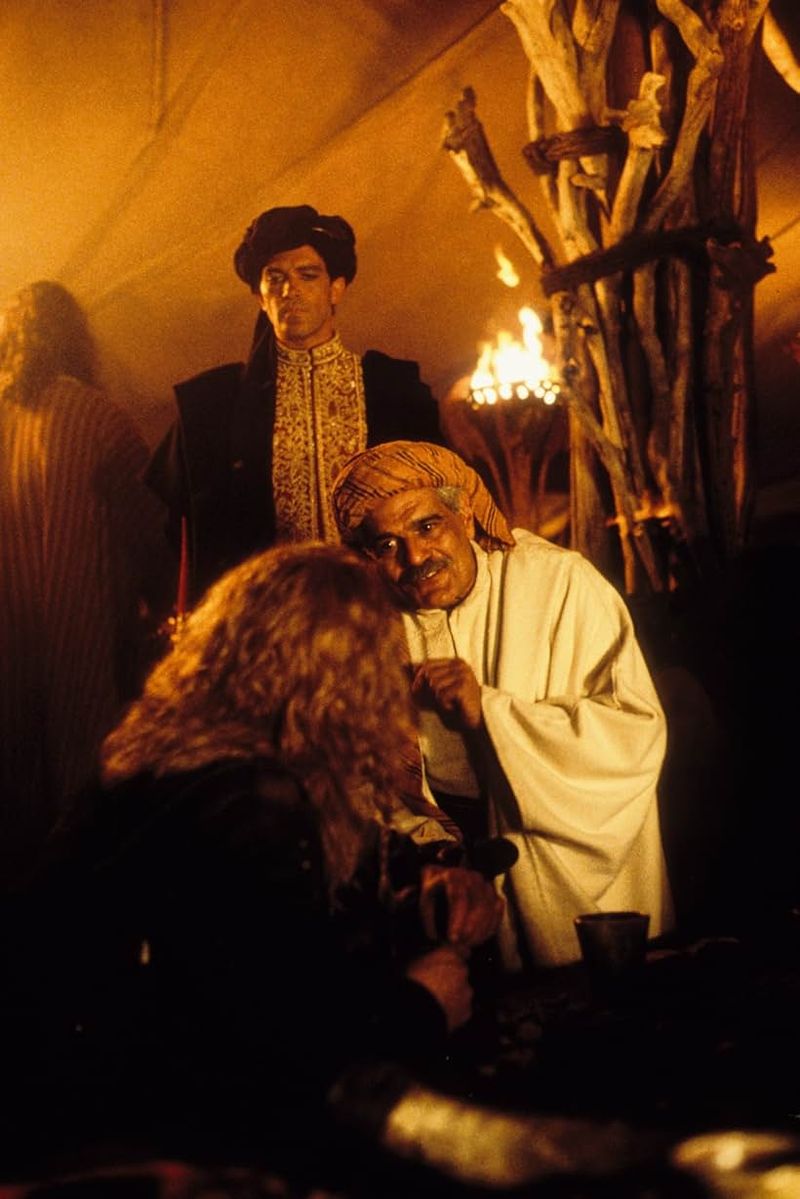
The Egyptian legend who’d charmed the world in Lawrence of Arabia and Doctor Zhivago found himself in a troubled Viking adventure that disappointed everyone involved.
Production problems plagued the film, and its box office failure stung Sharif personally.
He’d grown weary of Hollywood’s politics and the way studios treated actors like commodities.
Though he took occasional small roles afterward, Sharif essentially retired from major filmmaking.
He spent his later years playing bridge professionally and reflecting on a golden era of cinema that he felt had passed.
The 13th Warrior symbolized everything wrong with modern blockbusters in his eyes.
11. Jake Lloyd in Star Wars: Episode I – The Phantom Menace (1999)
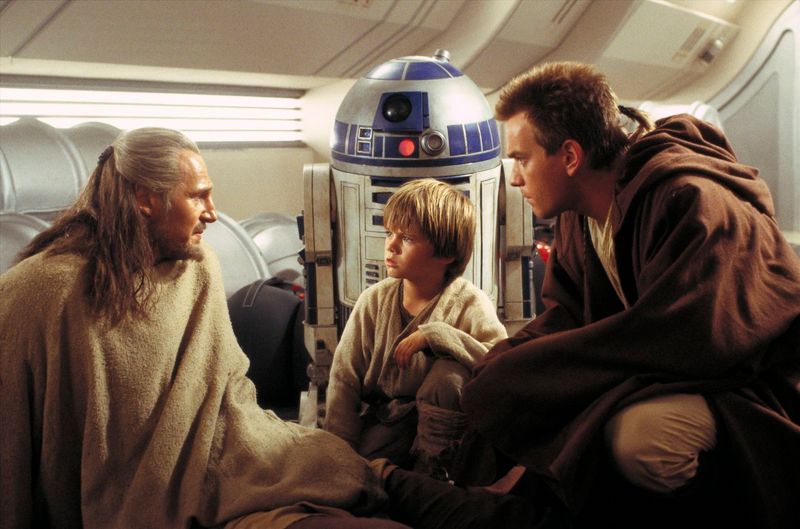
Being chosen to play young Anakin Skywalker seemed like a dream come true for ten-year-old Jake Lloyd.
But the dream quickly turned into a nightmare when fans and critics unleashed brutal criticism on his performance.
Classmates bullied him relentlessly, blaming him for ruining their beloved franchise.
The constant harassment destroyed his love for acting and damaged his mental health.
Lloyd quit the industry entirely as a teenager, later destroying all his Star Wars memorabilia to distance himself from the trauma.
His story stands as a cautionary tale about the dark side of fandom and the vulnerability of child actors thrust into massive franchises.
12. Peter Ostrum in Willy Wonka & the Chocolate Factory (1971)
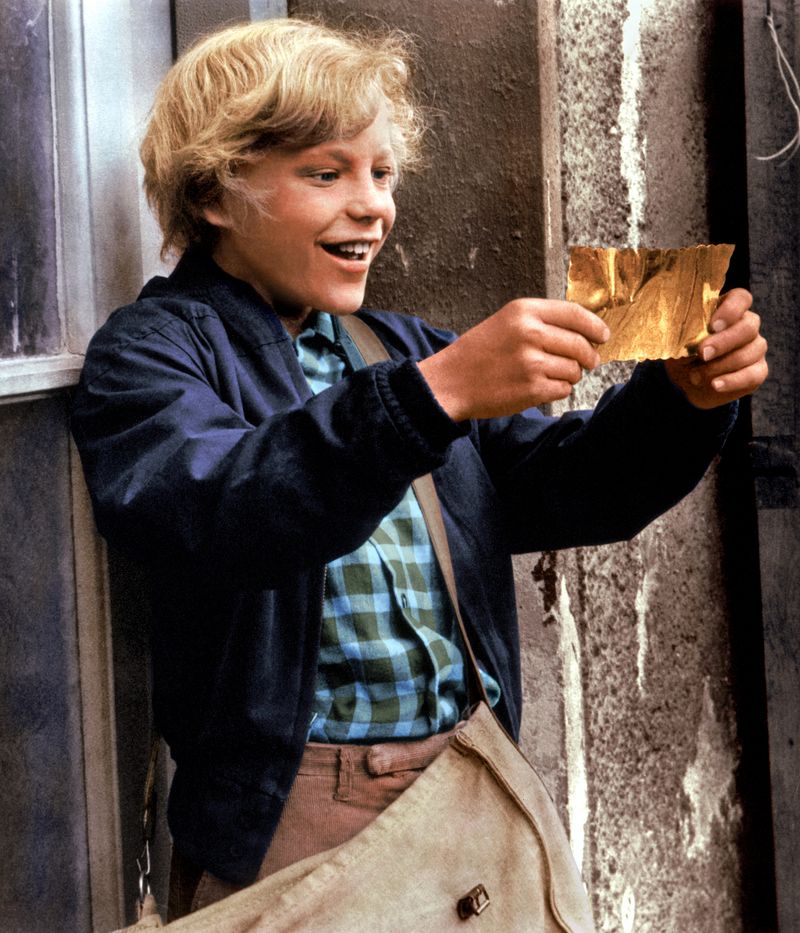
Imagine starring in a beloved classic and then never acting again.
That’s exactly what Peter Ostrum did after playing Charlie Bucket in this timeless musical fantasy.
At 12, he charmed audiences as the poor boy who wins the golden ticket, but the experience didn’t spark a passion for Hollywood.
When offered a three-film contract, Ostrum turned it down, deciding acting wasn’t his calling.
He returned to normal life, eventually becoming a veterinarian specializing in large animals.
Today he treats horses and cows in upstate New York, perfectly content with his choice to leave Wonka’s chocolate factory—and Hollywood—far behind him forever.
Comments
Loading…