
 Hailey Watson
Dating looks different after a certain age, and for many older men, it has lost its appeal entirely.
The reasons are complex and deeply personal, ranging from financial strain to emotional exhaustion.
Understanding why so many are choosing to step back can shed light on broader shifts in relationships and modern romance.
1. Financial Burden Takes Its Toll
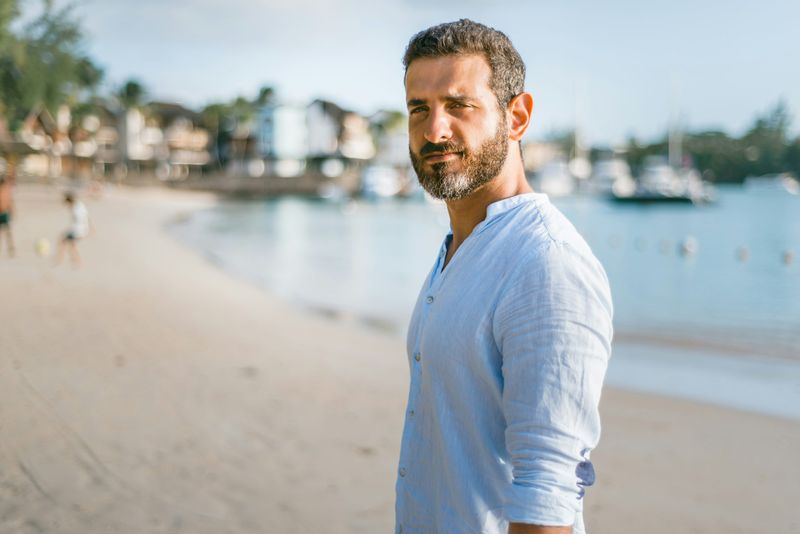
Dating can feel like an expensive hobby.
Dinner dates, entertainment, gifts, and travel add up quickly, especially for men on fixed incomes or approaching retirement.
For those who have been through divorce, the prospect of alimony or splitting assets again feels overwhelming.
Many older men simply calculate the cost versus the benefit and find the math doesn’t work in their favor.
They’d rather invest in hobbies, travel solo, or save for a comfortable future.
Financial independence becomes more valuable than romantic companionship when the price tag feels too high.
2. Emotional Exhaustion From Repeated Rejection
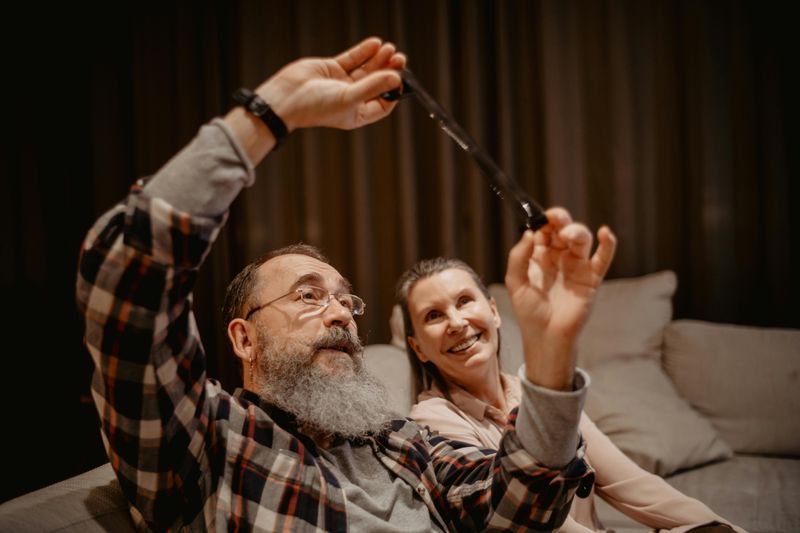
Swiping through dating apps only to be ignored or ghosted wears down even the most optimistic person.
Older men face unique challenges online, where youth and appearance often dominate first impressions.
Constant rejection chips away at self-esteem and motivation.
Beyond apps, real-world dating brings its own emotional fatigue.
Sharing personal stories, opening up vulnerabilities, and investing time only to watch connections fizzle out becomes draining.
After enough disappointments, many men decide their mental health matters more than finding someone new.
Peace of mind beats another heartbreak.
3. Valuing Independence Over Compromise
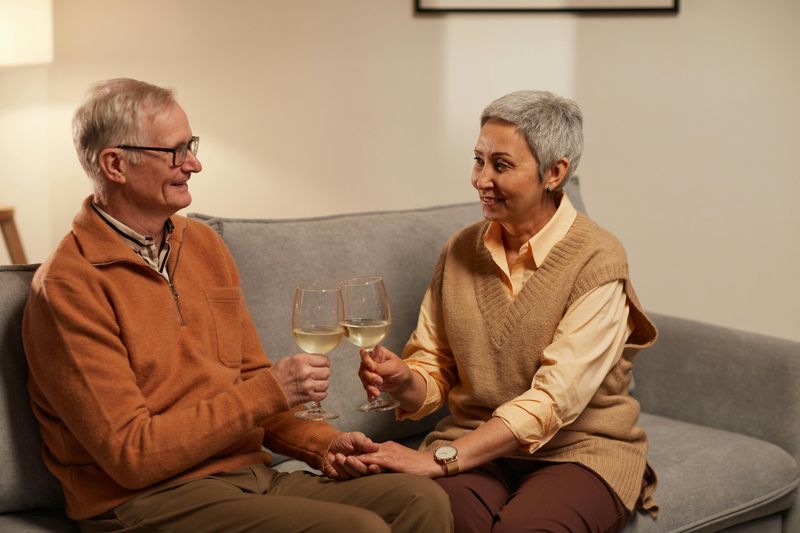
Freedom tastes sweeter with age.
After decades of relationships, many older men cherish their autonomy—choosing how they spend their time, money, and energy without negotiating.
They can pursue hobbies, maintain routines, and make spontaneous decisions without consulting a partner.
This independence isn’t about being antisocial; it’s about self-preservation and contentment.
They’ve learned what makes them happy and don’t want to compromise their lifestyle for someone else’s needs.
The comfort of solitude often outweighs the potential benefits of companionship.
Why trade peace for complications?
4. Scars From Past Relationship Trauma
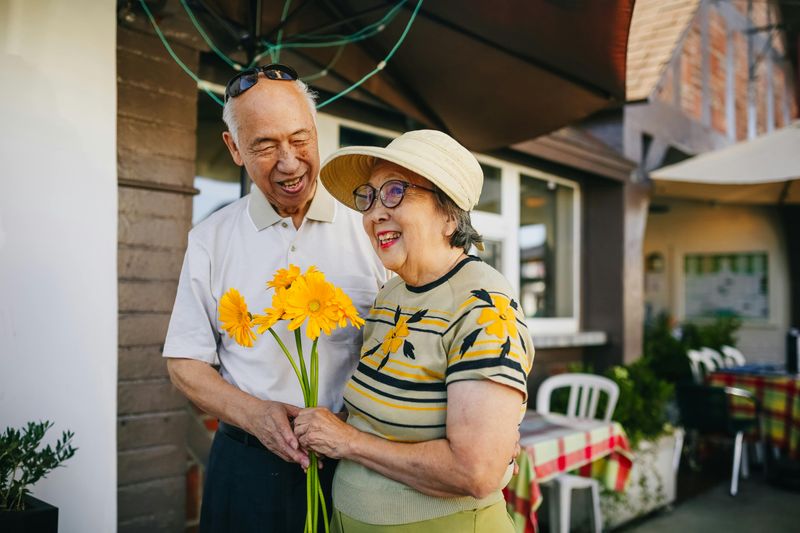
Divorce, betrayal, or losing a long-term partner leaves deep emotional wounds.
For many older men, the pain from past relationships creates a protective wall around their hearts.
Trusting someone new feels risky when old scars haven’t fully healed.
These men remember the arguments, the legal battles, the sleepless nights.
They’ve been through the wringer and survived, but barely.
Starting over means potentially reliving that trauma, and the thought alone is exhausting.
Many prefer to stay single rather than gamble on getting hurt again.
Self-protection becomes the priority.
5. Health Issues Diminish Dating Confidence
Getting older comes with physical changes that impact confidence and energy.
Health concerns like heart conditions, diabetes, or mobility issues make the demands of dating feel overwhelming.
Fatigue sets in quicker, and the physical stamina required for active dating life diminishes.
Beyond physical health, concerns about performance and appearance create anxiety.
Many men worry about being judged for age-related changes or medical conditions.
Rather than face potential embarrassment or rejection based on health, they opt out entirely.
Comfort and health management take precedence over pursuing romance in these golden years.
6. Technology Creates Overwhelming Barriers
Modern dating happens primarily online, which poses challenges for those who didn’t grow up with smartphones and apps.
Creating profiles, uploading photos, navigating swipe culture, and understanding digital etiquette feels like learning a foreign language.
The learning curve is steep and frustrating.
Even when they master the basics, the superficial nature of app-based dating feels alienating.
Reduced to a few photos and a brief bio, meaningful connection seems impossible.
Many older men long for organic, face-to-face meetings that feel increasingly rare.
Technology that’s supposed to connect people ends up pushing them away instead.
7. Confusing Changes in Social Expectations

Dating rules have transformed dramatically over recent decades.
What was considered polite or romantic years ago might now be seen as outdated or inappropriate.
Gender roles, communication styles, and relationship expectations have all shifted, creating confusion and anxiety.
Older men often feel caught between traditional values they grew up with and modern expectations they don’t fully understand.
Navigating consent conversations, political correctness, and evolving gender dynamics feels like walking through a minefield.
Rather than risk saying or doing the wrong thing, many simply bow out.
The dating landscape feels unrecognizable and unwelcoming.
8. Finding Fulfillment in Solo Living

Happiness doesn’t require a partner, and many older men have discovered genuine contentment in single life.
They’ve built routines, friendships, and activities that bring joy and purpose without romantic involvement.
Their lives feel complete as they are.
This isn’t about giving up or being lonely—it’s about recognizing what truly matters.
Time with grandchildren, pursuing passions, volunteering, or simply enjoying quiet mornings becomes deeply satisfying.
The pressure to be coupled up fades when you realize you’re already living your best life.
Solitude transforms from something to avoid into something to embrace and protect.
Comments
Loading…