
 Hailey Watson
13 Things Gen X Pretends They Don’t Miss (But Totally Do)
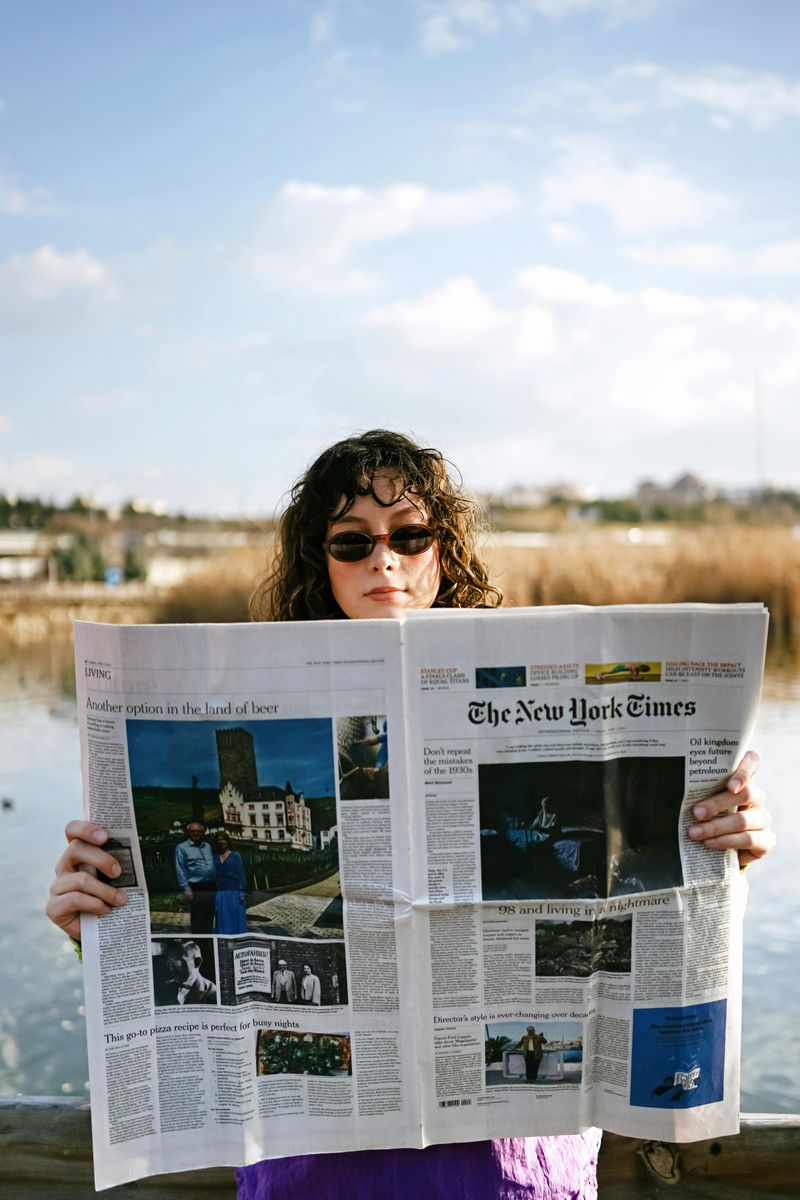
Generation X grew up in a time when life moved at a different pace. They experienced the world before smartphones, social media, and instant everything took over.
Though they act like they’ve moved on, there’s a secret part of their hearts that still longs for the simpler days of mixtapes, Saturday morning cartoons, and actually talking to people face-to-face.
1. Mixtapes and the Art of Crafting the Perfect Song List
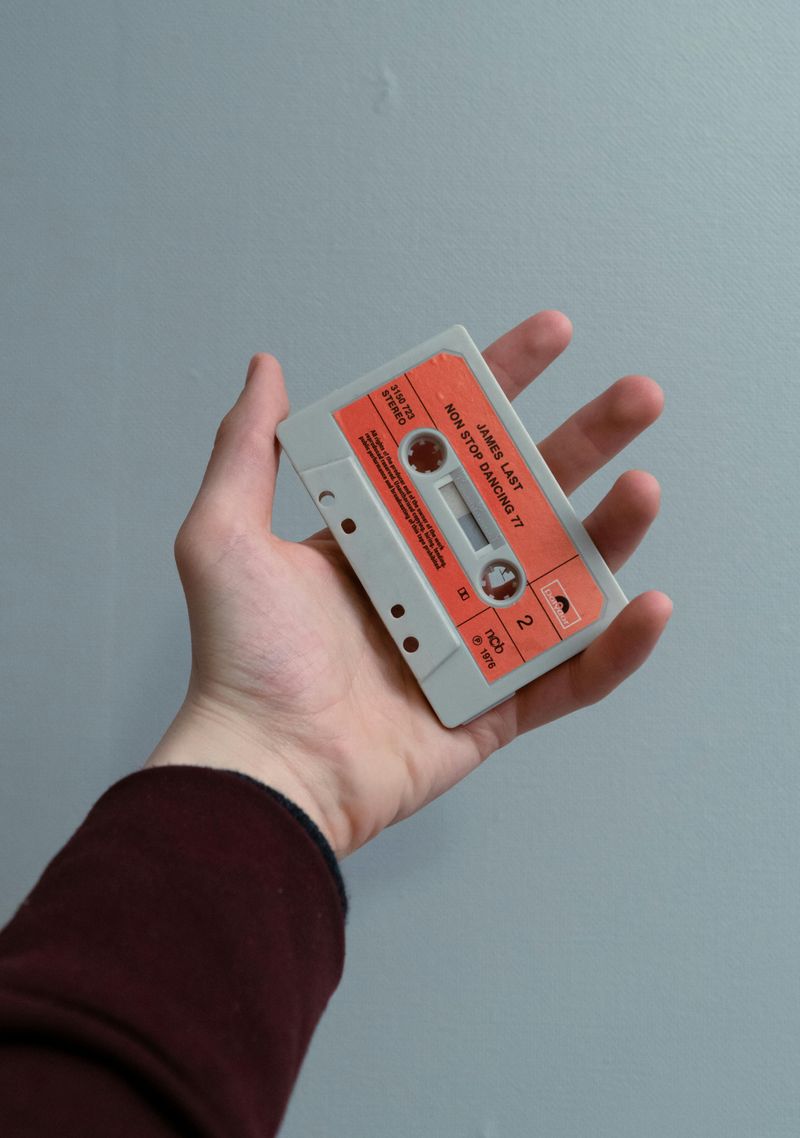
Recording songs off the radio required ninja-like reflexes and perfect timing.
You’d sit with your finger hovering over the record button, waiting for your favorite song to play.
The DJ talking over the intro was the ultimate betrayal.
Creating a mixtape for someone was basically writing them a love letter in musical form.
Each song had to flow into the next perfectly, and the order mattered more than anything.
Hours went by as you carefully selected tracks that expressed exactly what you wanted to say.
Today’s playlists just don’t capture that same magic and effort.
Digital music is convenient, but it lacks the personal touch of a hand-labeled cassette tape.
2. Blockbuster Nights and the Joy of Browsing Video Aisles
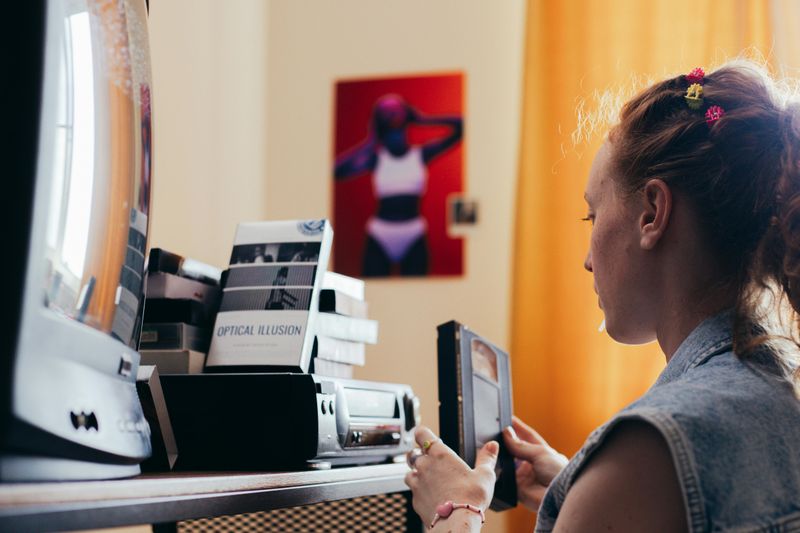
Friday nights meant piling into the car and heading to Blockbuster for movie night.
Walking through those aisles, reading the backs of VHS cases, and debating which movie to rent was an experience in itself.
Sometimes the journey was better than the actual movie.
Late fees were the enemy, but they taught responsibility in a way streaming services never will.
Racing to return your rental before midnight became a regular weekend adventure.
The smell of popcorn and plastic cases created an atmosphere you can’t replicate at home.
Netflix may be easier, but it’ll never match the excitement of finding that new release you’d been waiting for.
3. Landline Phones and Stretching That Curly Cord Across the Room
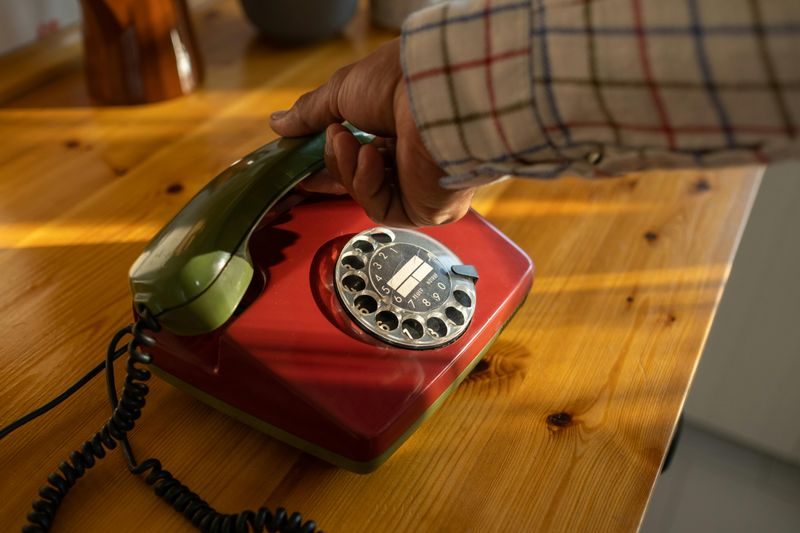
Phone calls meant something when you had to stay tethered to the wall.
That curly cord could stretch impossibly far as you tried to find privacy in a house full of people.
Everyone became an expert at cord untangling.
Busy signals taught patience, and you actually had to memorize phone numbers.
There was no caller ID, so answering the phone was always a surprise.
Three-way calling felt like cutting-edge technology that opened up a whole new world of communication.
Arguments over who got to use the phone were real household battles.
Smartphones give us freedom, but they took away that shared family experience of fighting over the landline.
4. Saturday Morning Cartoons as a Sacred Weekly Ritual

Waking up early on Saturdays was never a problem when cartoons were waiting.
From 7 AM until noon, the TV belonged to kids, and nothing else mattered.
Cereal bowl in hand, pajamas on, and pure entertainment for hours.
There was no pause button or rewind, so you had to pay attention.
Missing an episode meant waiting for reruns or hoping a friend saw it.
The commercials for toys and sugary cereals were almost as entertaining as the shows themselves.
Cartoon marathons created a sense of community among kids everywhere.
Streaming services offer cartoons anytime, but they can’t recreate that special Saturday morning feeling when the whole week built up to those few precious hours.
5. Mall Culture and Actually Hanging Out in Person
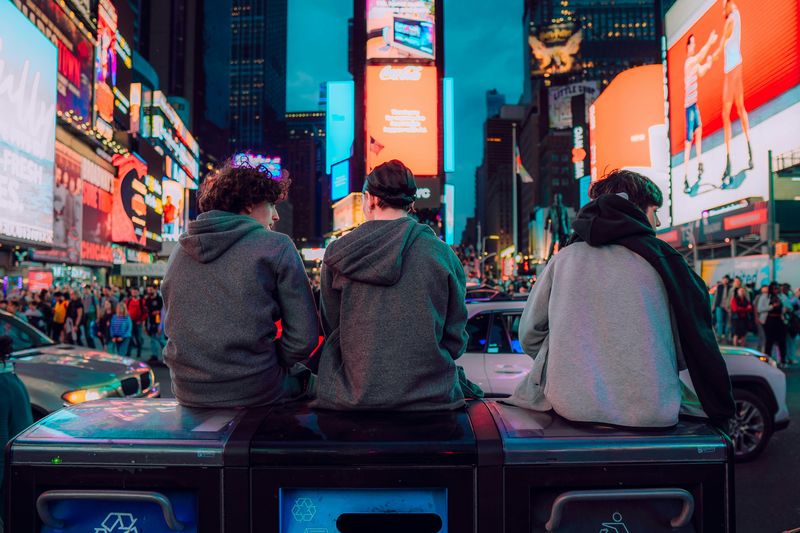
Malls weren’t just shopping centers—they were the social hub of teenage life.
You’d spend entire afternoons wandering from store to store, not necessarily buying anything but just being there.
The food court was the meeting spot where everyone eventually showed up.
Arcade games, music stores, and trying on clothes you couldn’t afford filled the hours.
Meeting up with friends meant actually showing up at an agreed time because you couldn’t just text if plans changed.
People-watching from the second floor was free entertainment.
Online shopping is convenient, but it killed the social experience of mall culture.
That feeling of freedom and independence is something Gen X will always treasure.
6. Having to Actually Talk to Your Crush Face-to-Face
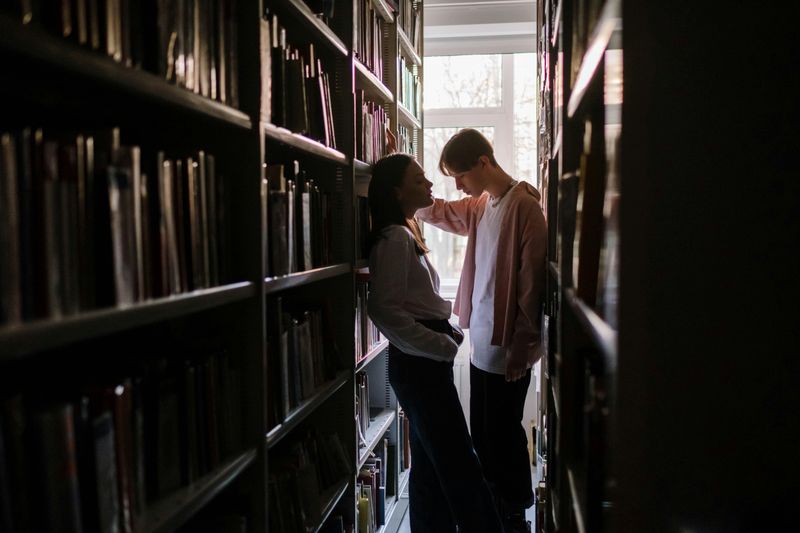
Building up the courage to talk to someone you liked required real bravery.
There were no DMs to hide behind—just you, your sweaty palms, and hopefully the right words.
Rejection happened in real-time, which made it scarier but also more genuine.
Passing notes in class was the original text messaging, complete with boxes to check for yes or no. Phone calls to their house meant potentially talking to their parents first, which added another layer of terror.
Every interaction mattered more because you couldn’t edit or delete your words.
Dating apps make connections easier, but they’ve removed the authentic nervousness and excitement.
Those awkward moments taught social skills that texting never will.
7. Encyclopedias and Library Research Sessions
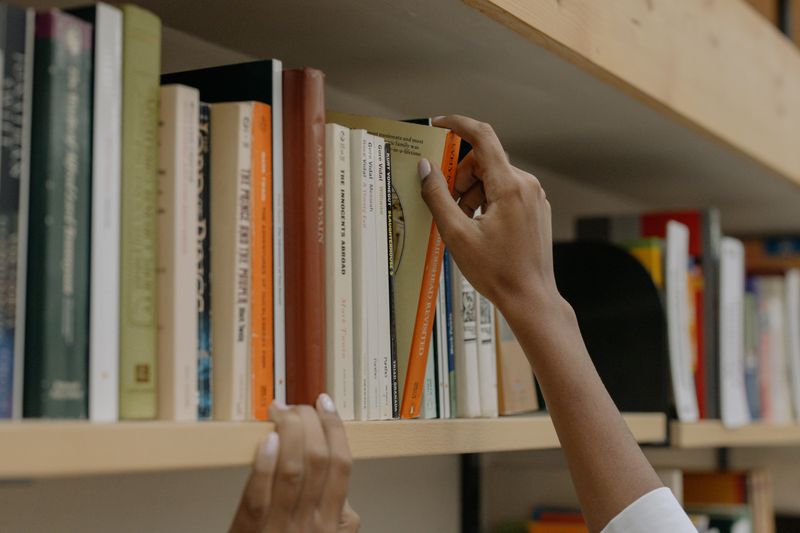
Homework assignments meant trips to the library and hours flipping through heavy encyclopedia volumes.
The Dewey Decimal System was a skill you actually needed to learn.
Research required real effort, not just typing into a search bar.
Taking notes on index cards and photocopying relevant pages was part of the process.
Librarians were like information wizards who could point you toward exactly what you needed.
Group projects meant actually meeting up in person to work together.
Google gives instant answers, but it took away the satisfaction of discovering information through real investigation.
That sense of accomplishment after finding exactly what you needed felt incredible and taught valuable research skills.
8. MTV Actually Playing Music Videos All Day Long
Music Television lived up to its name when it first started.
Videos premiered like major events, and everyone talked about them the next day at school.
VJs were celebrities who introduced videos and made you feel connected to the music world.
Watching for hours just to catch your favorite band’s new video was completely normal.
The annual Video Music Awards felt like the Oscars of music.
MTV shaped music taste and fashion trends for an entire generation.
Reality shows and other programming eventually took over the channel.
YouTube has music videos on demand, but the communal experience of watching MTV together is gone forever, along with the anticipation of waiting for that one special video.
9. Printed Maps and the Adventure of Getting Lost
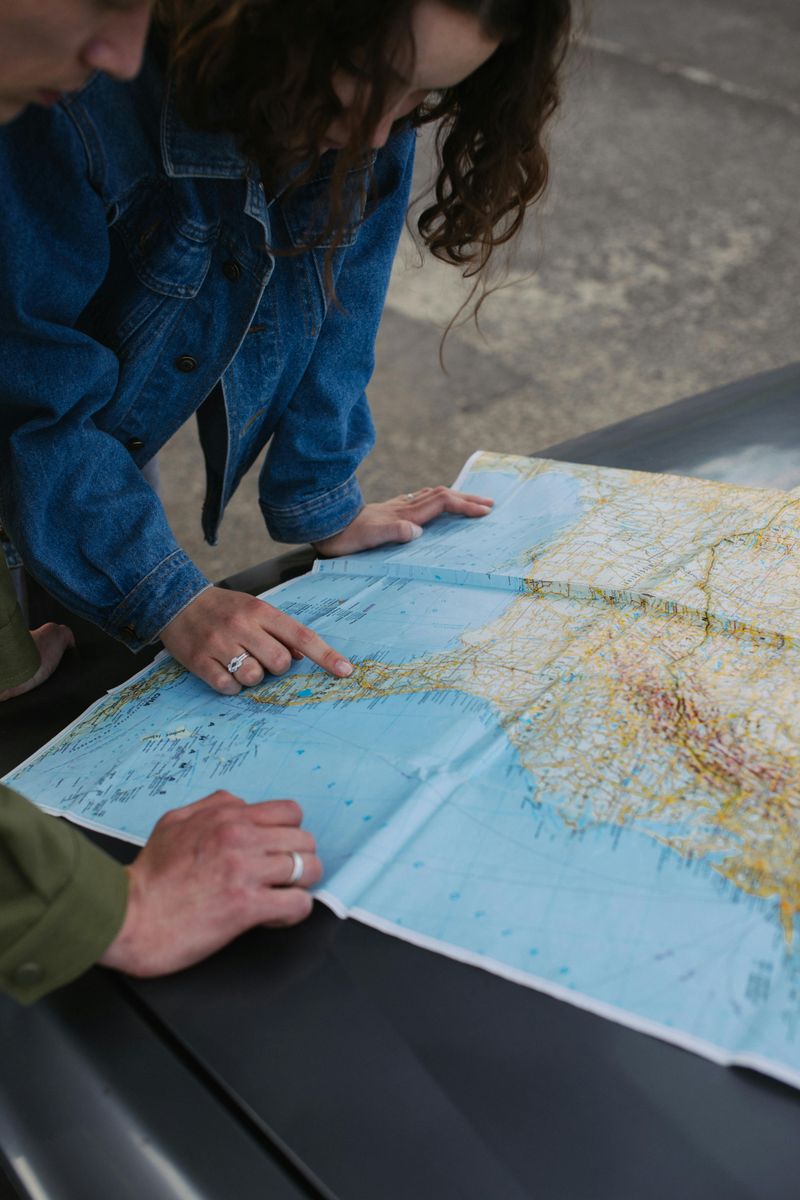
Road trips required actual navigation skills and giant folded maps that never refolded correctly.
The passenger became the navigator, calling out turns while trying to trace routes with their finger.
Getting lost was part of the adventure, not a technological failure.
Gas station attendants gave directions using landmarks, not street addresses.
Wrong turns led to unexpected discoveries and memorable stories.
Everyone had that one friend who claimed they knew the way but definitely didn’t.
GPS eliminates the stress, but it also removes the sense of accomplishment from successfully navigating.
Those moments of teamwork between driver and navigator created bonds that automated voices just can’t replicate.
10. Printed Photos and Waiting for Film to Develop
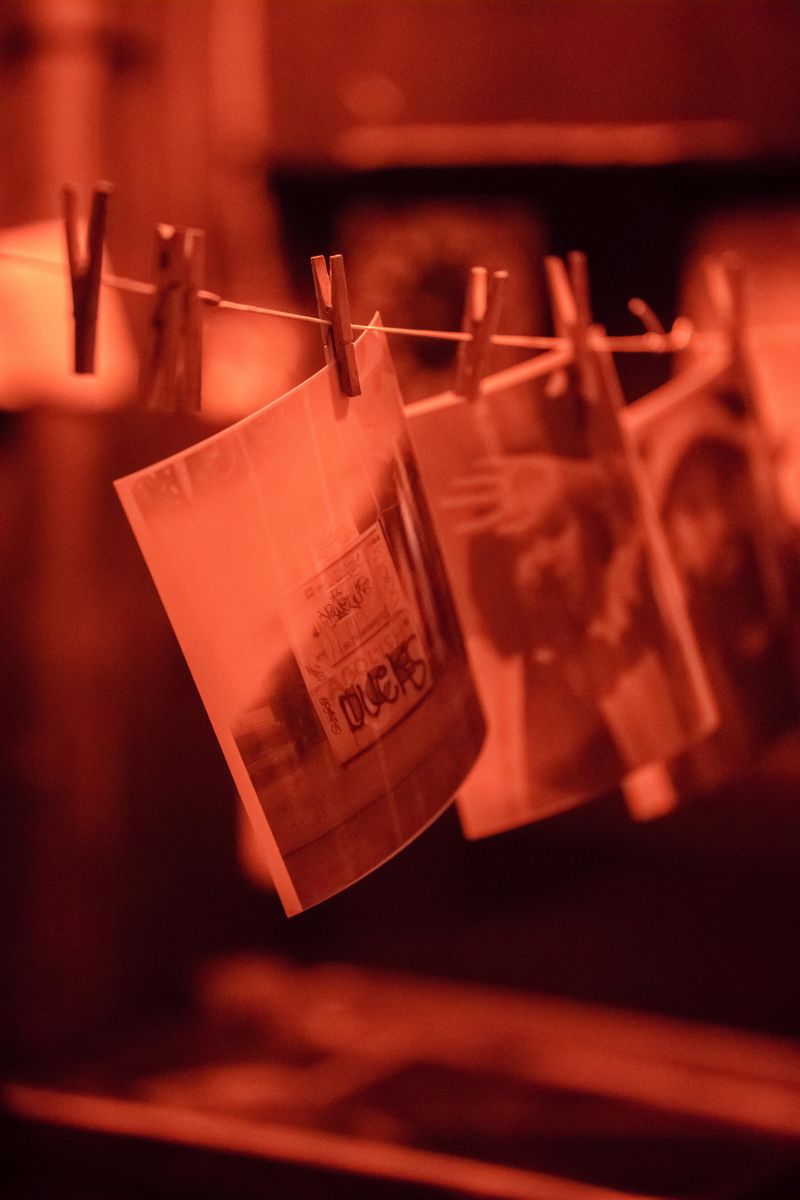
Taking pictures required thought because film was limited and developing cost money.
You had 24 or 36 shots, so each one had to count.
Dropping off film and waiting days or even a week to see your photos built incredible anticipation.
Opening that envelope at the photo counter was like Christmas morning every time.
Bad photos couldn’t be deleted—they existed forever as evidence of your mistakes.
Photo albums were physical treasures that families looked through together.
Digital cameras let us take unlimited photos, but they’ve made pictures feel less special.
The excitement of finally seeing how your vacation photos turned out was a unique joy that instant preview screens have completely stolen.
11. Handwritten Letters and the Joy of Getting Real Mail

Checking the mailbox and finding a personal letter addressed to you felt amazing.
Recognizing someone’s handwriting on an envelope created instant excitement.
Letters from friends, pen pals, or relatives away at college were treasures to be read multiple times.
Writing letters forced you to organize your thoughts and share them thoughtfully.
Choosing stationery, practicing your handwriting, and sealing the envelope with care showed real effort.
Stamps and trips to the post office were part of maintaining long-distance relationships.
Email is faster, but electronic messages lack the tangibility and permanence of letters.
Holding something that someone else held, seeing their handwriting, and knowing they took time to write just for you created a connection that texts can’t replicate.
12. Buying Albums Based on Cover Art and One Single
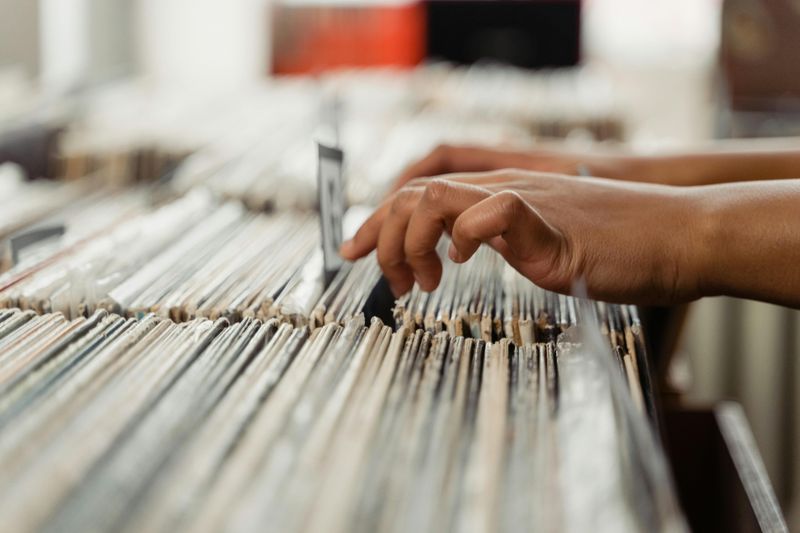
Purchasing an entire album based on one song you heard on the radio was a gamble that sometimes paid off amazingly.
You’d study the cover art and read the track list, trying to imagine what the other songs sounded like.
Discovering hidden gems on an album you took a chance on felt like finding treasure.
Bad purchases taught you about your musical taste and made you more selective.
Music stores let you listen to albums at listening stations before buying.
Saving up allowance money to buy one CD made each purchase meaningful and special.
Streaming lets you sample everything, but it’s removed the adventure from music discovery.
That commitment to an album without knowing what you’d get created a different relationship with music that felt more invested and rewarding.
13. Newspaper Comics and the Sunday Funnies Tradition
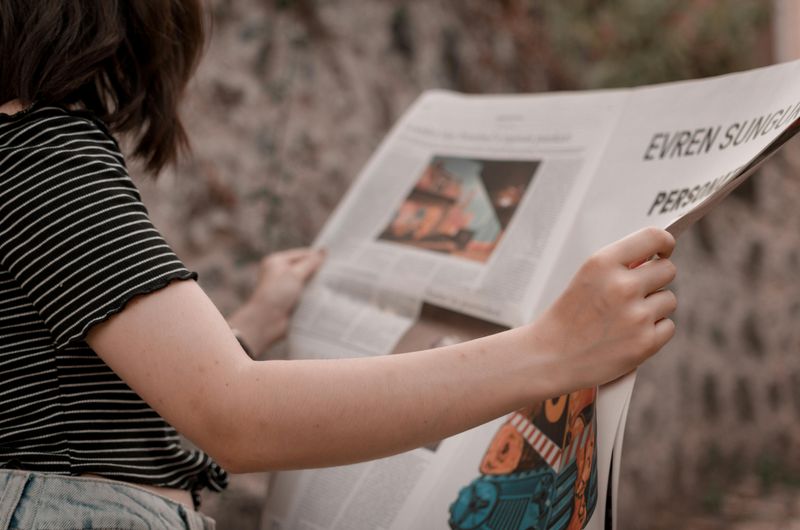
Sunday mornings meant spreading out the newspaper and heading straight for the comics section.
Color comics on weekends felt like a special treat compared to weekday black and white strips.
Following storylines in comic strips created ongoing narratives you looked forward to daily.
Cutting out favorite comics and putting them on the refrigerator was common practice.
Everyone had their preferred strips, and families would share funny ones with each other.
Waiting to see what happened next in an ongoing comic story arc built anticipation throughout the week.
Online comics are convenient and often better illustrated, but they lack the ritual and physical experience.
That feeling of sitting with a cup of cocoa and the Sunday funnies spread across the table was a simple pleasure that digital screens just can’t capture.
Comments
Loading…