
 Jade Reed
These 24 Celebrities Faced Breast Cancer (And Shared Their Stories)
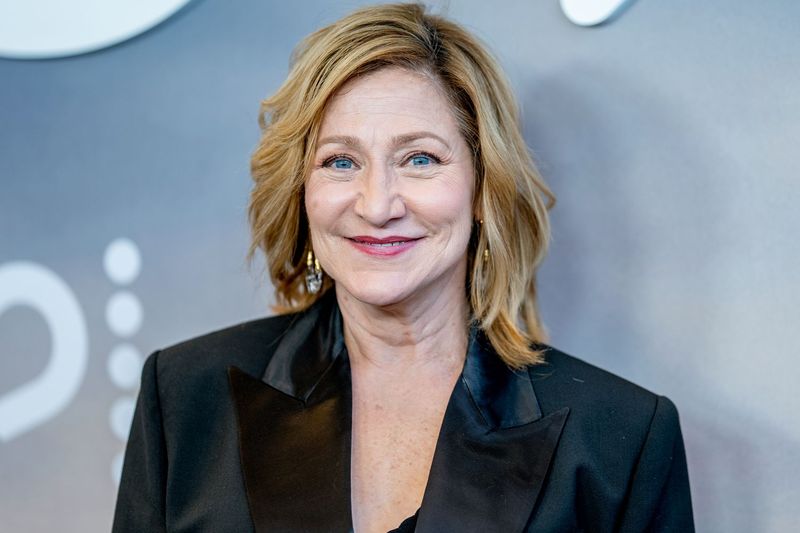
Celebrity headlines can feel distant until one hits close to home.
These stars chose to speak up about breast cancer, turning personal battles into public lifelines.
Their honesty sparks conversations, encourages screenings, and reminds you that early action matters.
Dive in for courageous stories, hard won lessons, and hope you can hold onto.
1. Jessie J
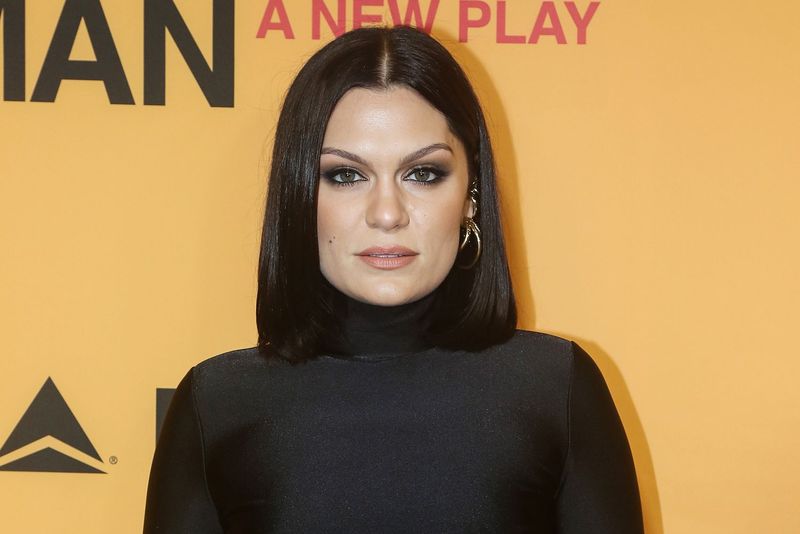
When the singer decided to talk publicly about her diagnosis, she did so with the kind of raw honesty and humor she is known for, reminding fans that bravery can look like laughing and crying in the same breath.
In June 2025, Jessie J shared that she had been diagnosed with early-stage breast cancer and planned surgery after a major performance, choosing openness partly because she did not want to carry the weight alone.
Her updates showed how treatment can interrupt everything—work plans, touring, even the sense of who you are in your own body—yet she kept emphasizing the importance of catching it early.
Her willingness to talk about fear, recovery, and the messy middle helps others feel less isolated when they are navigating the same unknowns.
2. Tina Knowles
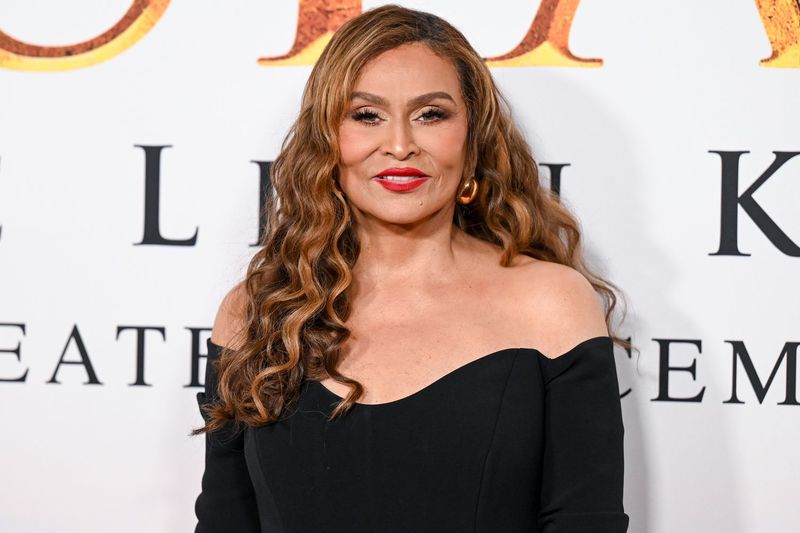
A missed appointment can feel harmless in the moment, which is why Tina Knowles’s story hit so many people right in the gut.
After delays around the pandemic, she said a mammogram that should have happened sooner ultimately led to doctors finding stage 1 breast cancer and tumors in her left breast, turning a routine check into a life-changing day.
She has been candid about disbelief and fear, but also about the way family support carried her, including the comfort she drew from her daughters and loved ones as she went through treatment and surgery.
By choosing to share her experience publicly, she underscored a simple message that often gets drowned out by busy schedules: screening matters, and postponing “just this once” can have consequences none of us can predict.
3. Olivia Munn
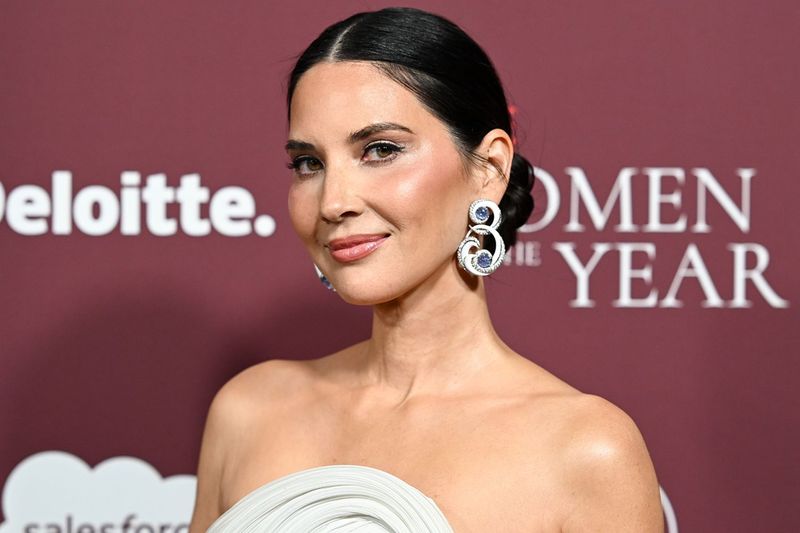
Some stories remind us that risk is not always obvious, and Olivia Munn’s public disclosure became a lightning rod for conversations about screening, assessment, and advocating for yourself.
After being diagnosed with breast cancer in 2023, she underwent significant treatment that included a double mastectomy, and she later explained that she went public to encourage others to take concerns seriously and to understand that cancer can be found even when you think you are “fine.”
Her experience resonated because it highlighted how fast life can pivot from normal routines to surgeries, recovery timelines, and difficult choices about the body you live in every day.
What many people took from her story was not celebrity drama, but a practical reminder that early detection and self-advocacy can be lifesaving, especially when you are navigating confusing information and trying to stay calm for the people who depend on you.
4. Shannen Doherty
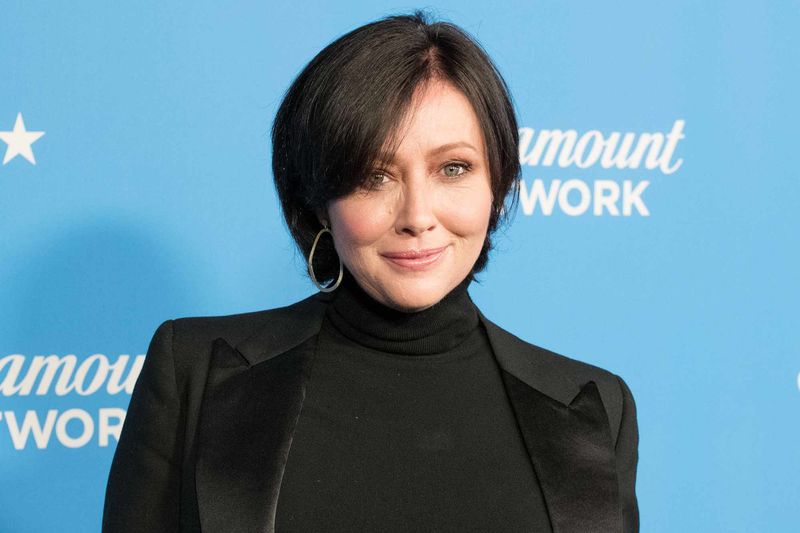
For years, Shannen Doherty’s updates offered a brutally honest look at what it means to live with cancer, not just “beat” it.
After initially sharing her breast cancer diagnosis in 2015, she later revealed it had progressed to metastatic stage 4 disease, speaking openly about treatments, setbacks, hope, and the emotional exhaustion that can come with living under a long-term medical shadow.
Her willingness to discuss the realities of advanced cancer—without turning herself into a motivational poster—helped many people feel seen, especially those whose stories do not end neatly.
She also demonstrated that vulnerability and strength are not opposites, because it takes enormous courage to keep showing up publicly while carrying private pain.
When she died in 2024, many fans described feeling like they had learned from her not only about illness, but about how to hold onto identity and humor through the hardest seasons of life.
5. Kylie Minogue
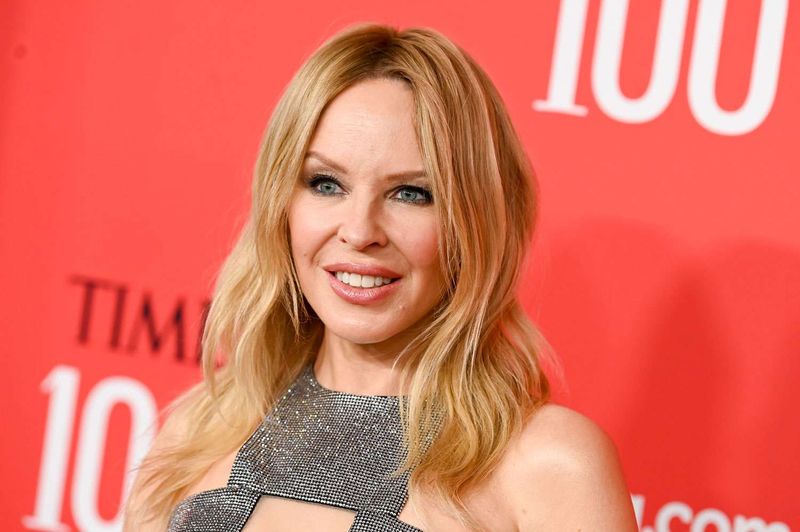
A diagnosis can change your relationship with your body long after treatment ends, and Kylie Minogue has spoken about that lingering impact with striking clarity.
After being diagnosed with breast cancer in 2005, she went through treatment while simultaneously navigating intense public attention, which can make a deeply personal experience feel exposed.
Her story is often remembered not only for the medical milestone, but for the way she later reflected on how survivorship can include anxiety, fear of recurrence, and the quiet emotional work of rebuilding confidence.
She also became associated with increased awareness, with many people citing her openness as a nudge to book screenings and pay attention to their health.
The lasting takeaway from her journey is that “getting through it” is not a single moment; it is a long arc, and healing can include mental recovery as much as physical recovery.
6. Christina Applegate
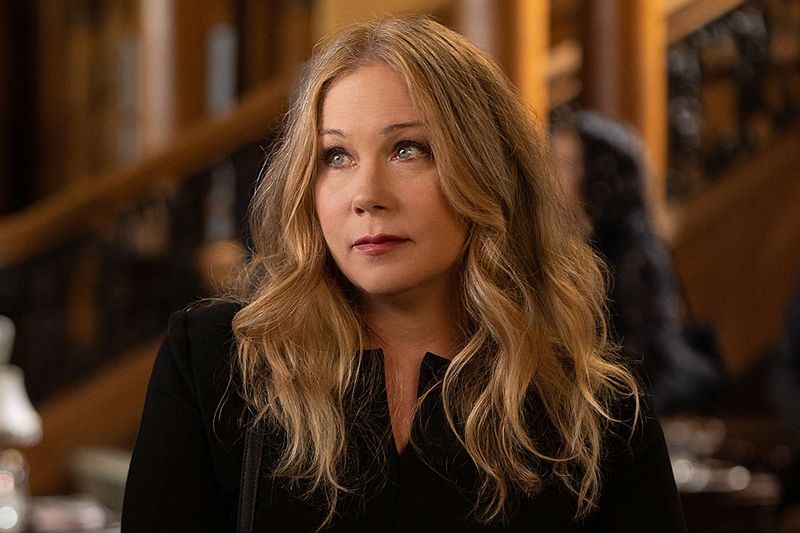
Hard decisions can show up quickly after a diagnosis, and Christina Applegate made hers with a level of resolve that many survivors recognize immediately.
Diagnosed with breast cancer in 2008, she chose a double mastectomy, a path that can feel both empowering and terrifying because it is tied to identity, femininity, and the way you move through the world.
She later spoke about the importance of catching cancer early and about genetics and risk awareness, helping others understand that treatment choices are deeply personal rather than one-size-fits-all.
Her story also resonates because she did not present herself as invincible; she emphasized fear, grief, and the reality that you can be grateful for your outcome while still mourning what you lost along the way.
For many readers, she represents the kind of strength that is quiet, practical, and determined.
7. Sheryl Crow
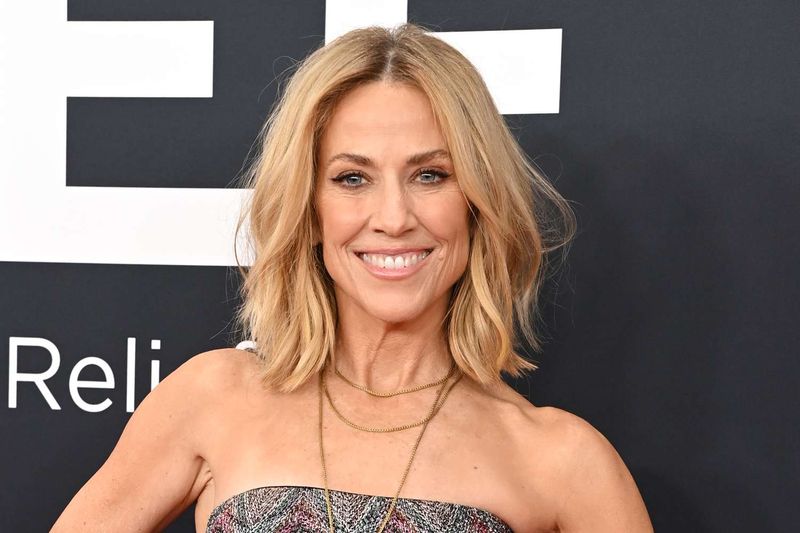
When Sheryl Crow publicly shared her breast cancer diagnosis, she made the experience feel less like a taboo secret and more like a health reality that many women face.
Diagnosed in 2006, she underwent a lumpectomy followed by radiation, and she later talked about how that season reshaped her priorities and her sense of what matters.
Her openness often carried a grounded tone, as if she were telling a friend, which is exactly why it connected with people who needed reassurance that treatment is survivable and that life can continue afterward.
She has also spoken about lifestyle changes, stress, and the emotional aftershocks that can linger even when treatment ends.
Her story remains a reminder that recovery is not always a dramatic triumph; sometimes it is a series of small, brave choices repeated daily, until you finally feel like yourself again.
8. Cynthia Nixon
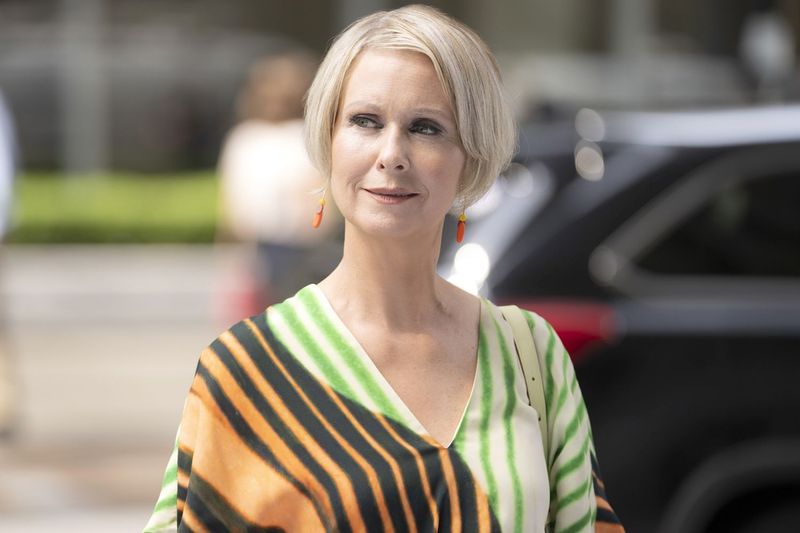
Privacy can be powerful, and Cynthia Nixon’s approach reflected that—she kept her diagnosis mostly within her circle while going through treatment, then shared her experience later when she felt ready.
Diagnosed with breast cancer in 2006, she had surgery and radiation and eventually spoke about the importance of screenings and paying attention to your health even when your life feels packed with obligations.
Her story is often framed as a calm counterpoint to panic, showing that it is possible to face a diagnosis without letting it consume your identity in public.
By talking about it on her own timeline, she helped normalize the idea that there is no “correct” way to disclose, because not everyone wants to process fear in front of an audience.
For readers, that can be comforting, because it gives permission to choose what feels safe and sustainable.
9. Julia Louis-Dreyfus
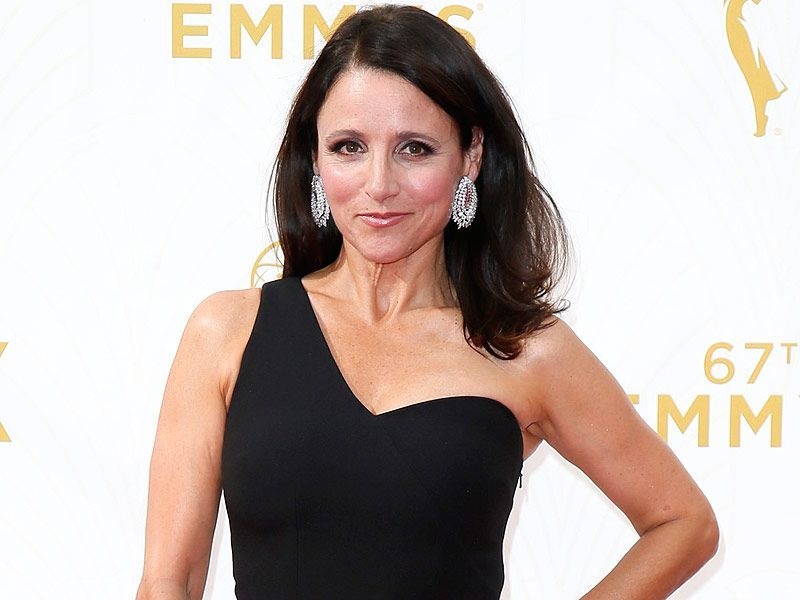
Sometimes the most powerful thing a public figure can do is treat a diagnosis like real life rather than a spectacle, and Julia Louis-Dreyfus did exactly that.
When she revealed her stage II breast cancer in 2017, she used her platform to highlight gratitude for excellent medical care and the importance of access, while also sharing bits of humor that felt genuinely hers rather than forced positivity.
Her updates showed the push-and-pull of treatment schedules and how cancer can interrupt work, routines, and self-image, even when you are surrounded by support.
Many people appreciated how she highlighted community—friends, family, colleagues—and how those relationships become a kind of scaffolding when you are tired and scared.
Her story remains a familiar reminder that you can feel deeply vulnerable while still keeping your personality intact, and that laughter can coexist with grief.
10. Robin Roberts
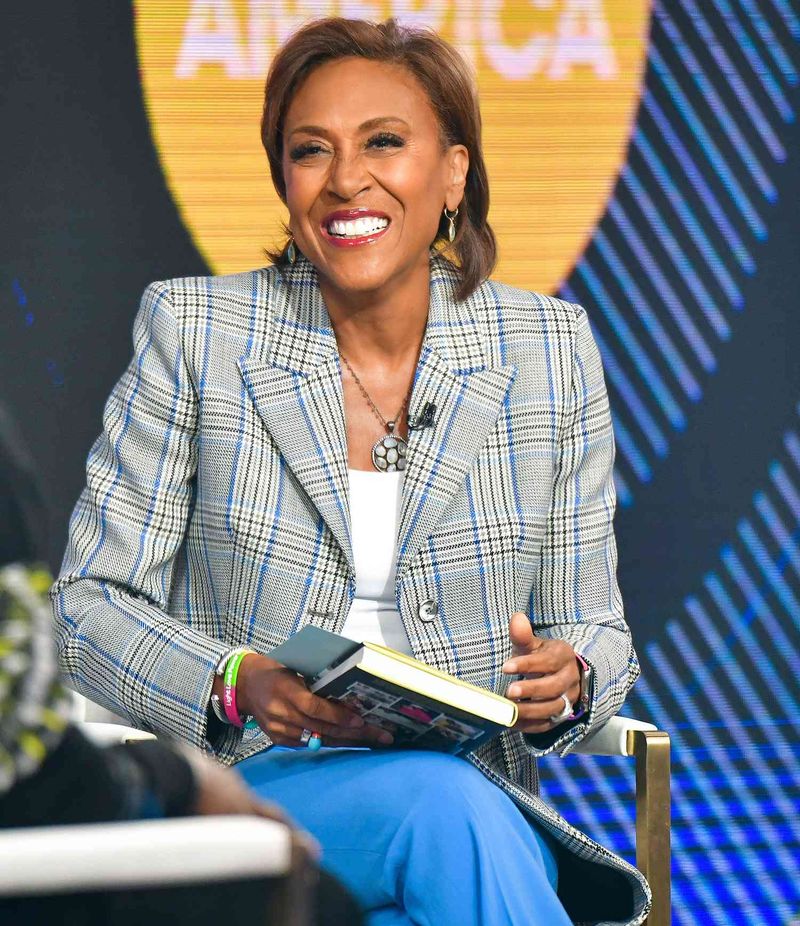
A diagnosis can become a turning point, and Robin Roberts’s journey became part of her public identity in a way that was both transparent and deeply human.
Diagnosed with breast cancer in 2007, she documented treatment and recovery, which gave many viewers a relatable window into what appointments, side effects, and emotional ups and downs can look like.
Her story resonated because she did not minimize the fear, yet she also demonstrated how hope can be built one day at a time, with support and medical guidance.
Later, when she faced additional health challenges, many people viewed her as an example of resilience that does not depend on perfection, but on persistence.
For readers, her experience underscores how sharing a health journey can create real community, especially for people who feel alone in waiting rooms and late-night spirals of “what if.”
11. Hoda Kotb
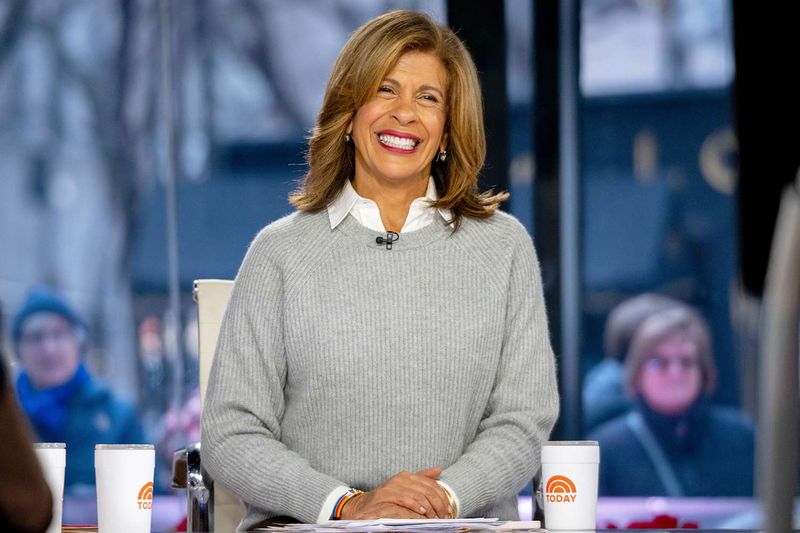
Life can split into “before” and “after” with one phone call, and Hoda Kotb has described that shift in a way that feels familiar to many survivors.
Diagnosed with breast cancer in 2007, she underwent a mastectomy and later spoke about how that season reshaped her relationship with fear and gratitude.
Her willingness to discuss the emotional layers—like learning to accept help and not rushing yourself through recovery—made her story feel grounded rather than glossy.
Over time, she also emphasized how support systems matter, because treatment is not just about medicine; it is about the people who show up, drive you to appointments, keep you laughing, and hold space when you do not have words.
For many women, her story is a reminder that strength is not the absence of tears, but the ability to keep moving forward while you are still scared.
12. Katie Couric
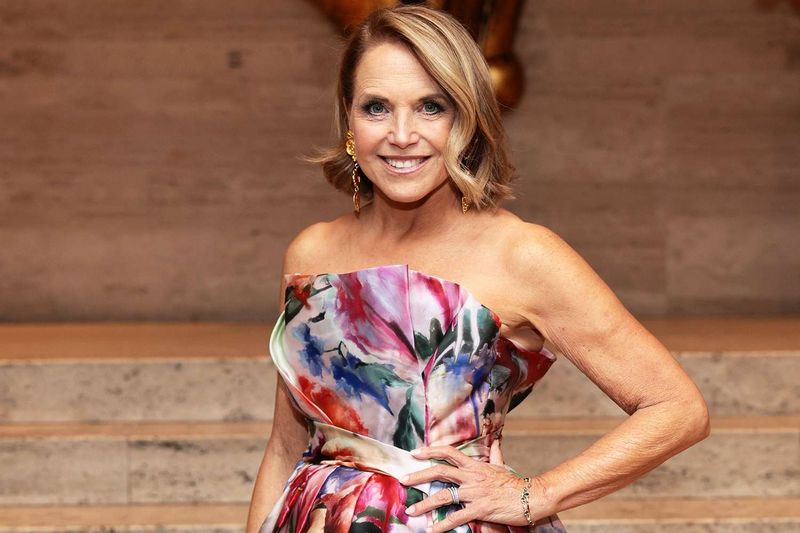
Screening became personal for Katie Couric long before her own diagnosis, which is why her disclosure carried an extra emotional punch.
When she revealed she had been diagnosed with early-stage breast cancer in 2022, she framed it through a lens many people recognized: you can be health-conscious, informed, and proactive, and still find yourself on the patient side of the equation.
She talked about treatment and the emotional shock of hearing the word “cancer,” while also continuing to encourage people to stay on top of appointments and advocate for themselves.
Her experience highlighted the reality that early detection often changes the outcome, but it does not erase the fear you feel in the moment.
For readers, her story lands as both a caution and a comfort—proof that paying attention to your health is worth it, and that getting through treatment is possible.
13. Wanda Sykes
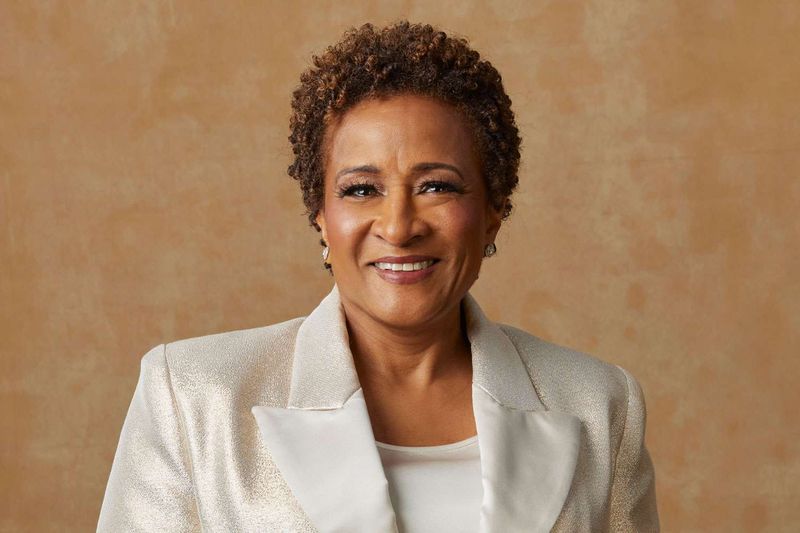
A stage 0 diagnosis can still be emotionally seismic, and Wanda Sykes’s story shows why it should never be brushed off as “not a big deal.”
After being diagnosed with ductal carcinoma in situ (DCIS) in 2011, she chose a double mastectomy, a decision that can feel drastic to outsiders but deeply logical to someone weighing risk, family responsibilities, and peace of mind.
She has spoken about how she wanted to do everything possible to protect her future, emphasizing that treatment decisions are personal and often shaped by what you can emotionally carry.
Her honesty also helped people understand that even noninvasive cancer brings difficult choices, body changes, and complicated feelings about identity.
The takeaway from her journey is that you do not need permission to take your diagnosis seriously, even if someone else labels it “early” or “small.”
14. Giuliana Rancic
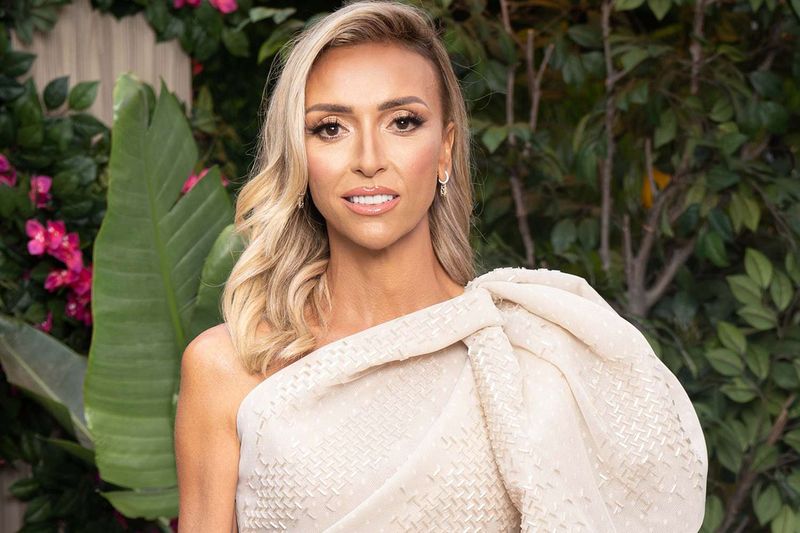
Public life can make private health decisions feel like public property, and Giuliana Rancic lived that tension in a very real way.
After her 2011 breast cancer diagnosis was discovered during testing connected to fertility treatments, she shared how quickly plans can shift when health becomes the priority.
She opted for a double mastectomy, a choice that reflected both medical guidance and personal comfort with risk, and she has spoken about how difficult it was to reconcile her sense of femininity and body image with necessary treatment.
Her story also highlights a reality many women face: sometimes you are fighting for multiple dreams at once, like building a family while protecting your health.
By being open about fear, uncertainty, and recovery, she helped normalize the idea that you can be devastated and determined simultaneously, and that a diagnosis does not erase your future.
15. Rita Wilson
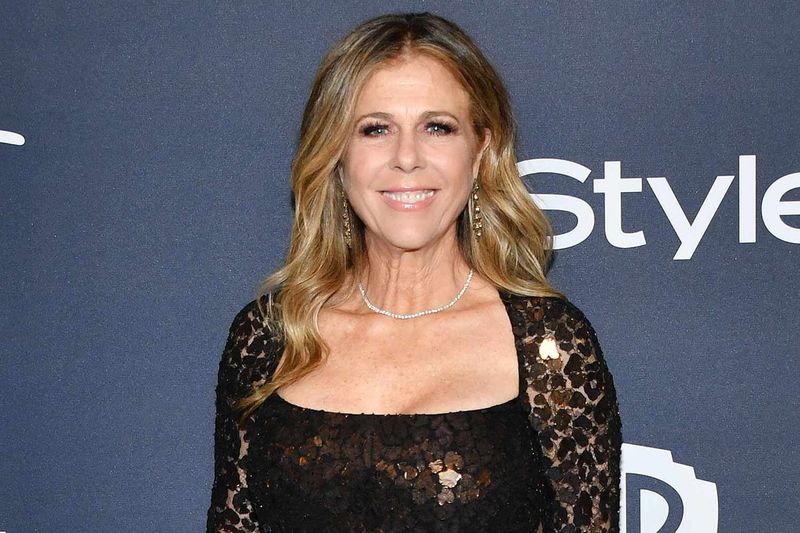
Second opinions can be life-changing, and Rita Wilson has discussed that point with a clarity that sticks with people.
Diagnosed with breast cancer in 2015, she shared how additional evaluation led to a treatment plan that included a double mastectomy and reconstruction, reinforcing the value of asking questions until you feel confident in the path forward.
Her story resonated because she described the experience not as a neat narrative, but as a process filled with medical decisions, emotional reactions, and the need to lean on loved ones.
She has also spoken about gratitude for early detection and about being transparent so that other women might feel less afraid to pursue testing and follow-ups.
The broader message from her journey is that you deserve to feel informed and supported, and that advocating for yourself is not “difficult,” it is wise, especially when the stakes are your long-term health.
16. Kathy Bates
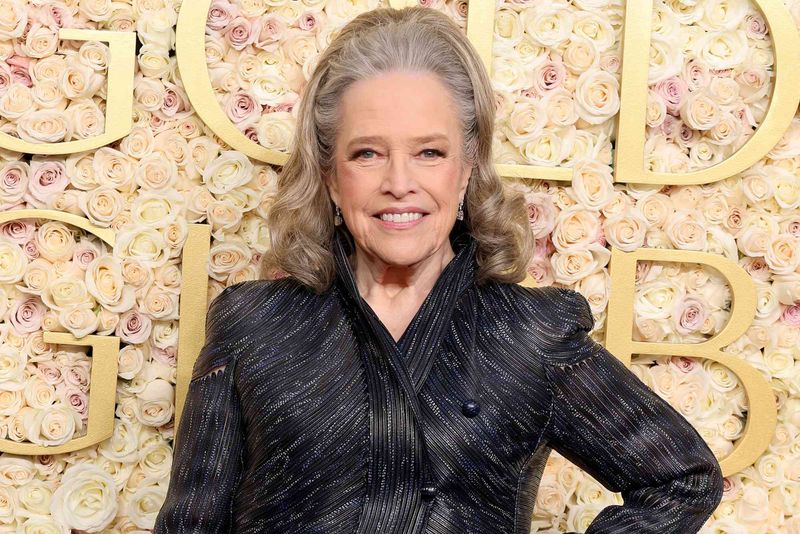
Survivorship does not always mean “back to normal,” and Kathy Bates has been honest about the long-term realities that can follow treatment.
After being diagnosed with breast cancer in 2012, she underwent a double mastectomy and later spoke about developing lymphedema, a chronic condition that can happen after lymph node removal.
Her willingness to discuss that side of recovery is important, because many people are not prepared for the ongoing management that can come even after cancer is gone.
She has used her voice to advocate for awareness and support, emphasizing that living well after treatment often requires patience and practical tools, not just optimism.
Her story also challenges the idea that you need to hide health struggles to stay strong; sometimes the strongest move is naming the problem and seeking community.
For readers, she represents realistic resilience that includes the long haul.
17. Melissa Etheridge
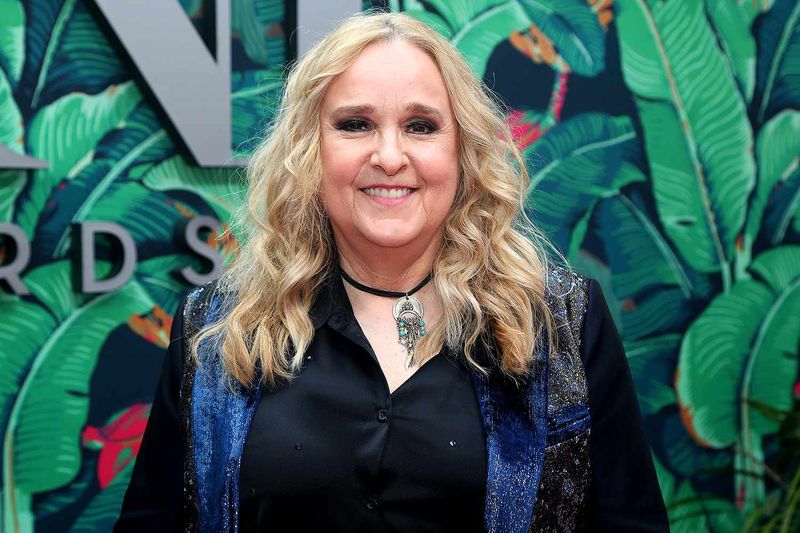
There is something uniquely vulnerable about performing strength in public while fighting fear in private, and Melissa Etheridge’s story captures that contradiction.
Diagnosed with breast cancer in 2004, she continued to create and perform, and many people remember her as a symbol of refusing to disappear during a hard season.
Her openness emphasized that treatment can be grueling, yet life does not have to stop completely if you can find a way to keep your identity and purpose intact.
She also helped humanize the reality of cancer for fans who only knew her as a powerhouse on stage, showing that illness can touch anyone regardless of talent or drive.
Over time, her story has been associated with advocacy and encouragement, especially for those who need to see someone live fully while still acknowledging pain.
The takeaway is not that you must be productive during treatment, but that you can still be yourself.
18. Anastacia
A recurrence can reopen wounds you thought had healed, and Anastacia has spoken about that experience with the kind of honesty that makes people feel less alone.
Diagnosed with breast cancer in 2003, she later faced it again in 2013, which prompted her to take decisive action that included a double mastectomy.
Her story resonates because it highlights the emotional complexity of hearing “cancer” a second time, when you have already climbed the mountain once and hoped you would never have to do it again.
She has also used her platform to encourage awareness and to remind people that survivorship does not guarantee certainty, but it can build a kind of deep courage you did not know you had.
For many readers, her experience offers a clear message: recurrence is not a failure, and fear does not cancel strength.
19. Olivia Newton-John
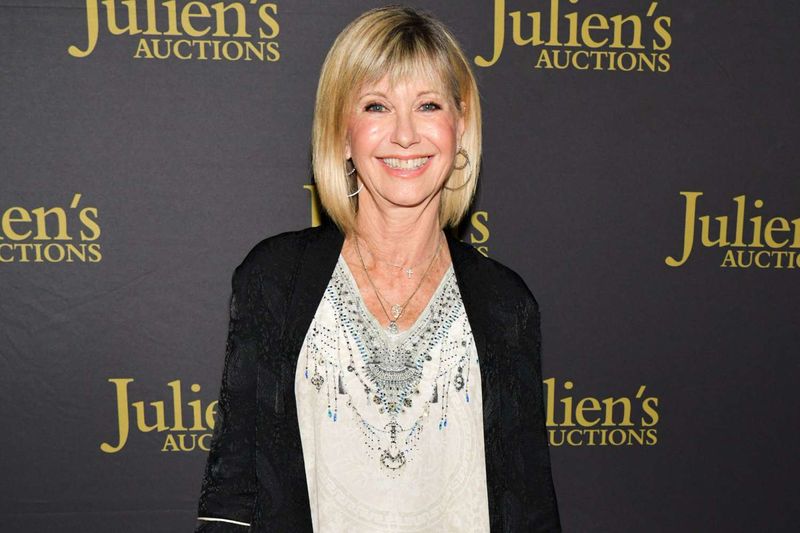
For some public figures, a health battle becomes part of a lifelong mission, and Olivia Newton-John turned her experience into advocacy with lasting impact.
Diagnosed with breast cancer in 1992, she later dedicated significant energy to supporting cancer research and wellness initiatives, helping move the conversation beyond whispers and stigma.
Her story is often remembered not only for survival, but for the way she used her visibility to give other patients hope and to encourage a more compassionate approach to care.
She also showed how healing can involve the heart and mind, as people often looked to her for inspiration, comfort, and a sense of calm in the midst of fear.
Even years later, her legacy in the breast cancer community remains a reminder that one person’s openness can ripple outward, changing how thousands of people talk about their own health and how they support others through treatment.
20. Danielle Fishel
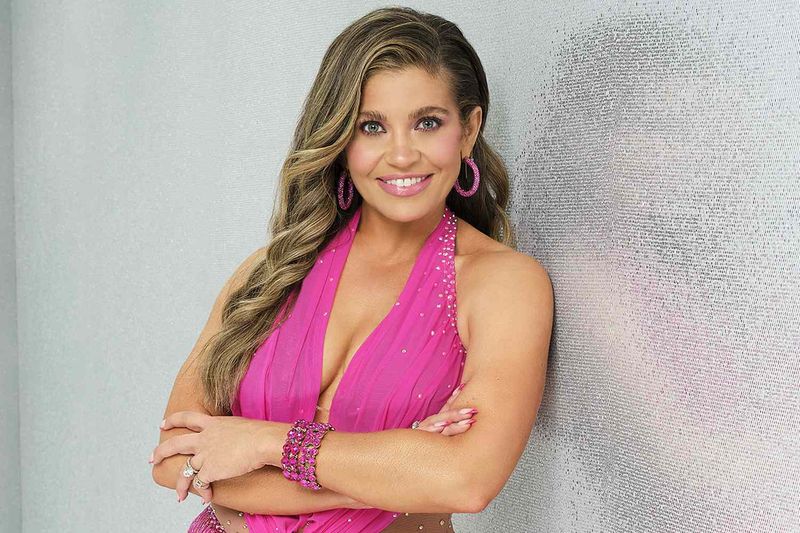
A routine appointment can feel boring until it changes everything, which is why Danielle Fishel’s story has been such a powerful reminder to stay consistent with screenings.
She revealed she was diagnosed with DCIS, also known as stage 0 breast cancer, after a routine mammogram in 2024, and she later described the emotional shock of realizing something “early” can still be terrifying.
She shared that she went through surgeries and a course of radiation, using her platform to encourage others not to postpone checkups, especially when life feels chaotic.
What stands out is the honesty about body changes and the mental weight of treatment, even when outcomes are favorable.
Her story is relatable because it captures a universal truth: early detection is a gift, but it still comes wrapped in fear, and you deserve support through every step.
21. Sarah Ferguson (Duchess of York)
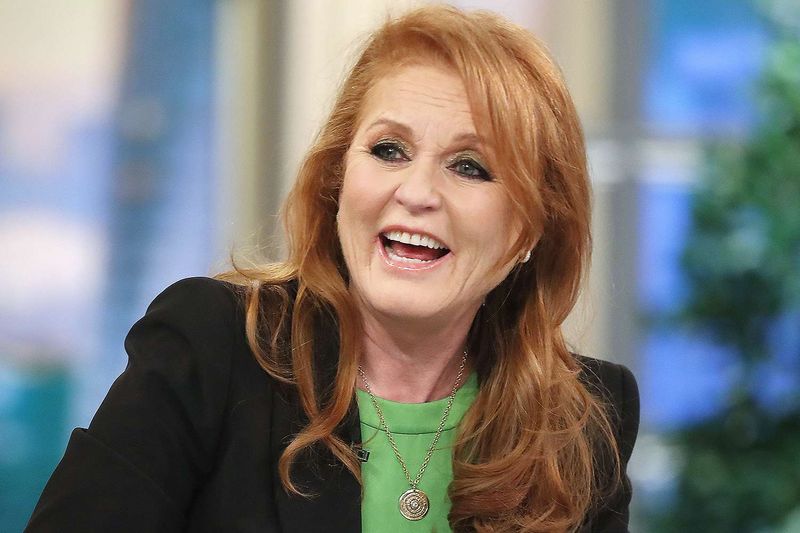
A diagnosis can arrive when you least expect it, and Sarah Ferguson’s experience became a public reminder that breast cancer can be discovered through routine screening, not just obvious symptoms.
In 2023, she shared that her cancer was detected after a mammogram and that she underwent a single mastectomy, bringing attention to how quickly treatment plans can move once doctors have answers.
While royal life is often presented as polished, her openness showed the human reality behind the headlines: fear, vulnerability, and the need to lean on medical professionals and loved ones for steadiness.
She also emphasized the importance of checking in on your body and not assuming you are “too busy” for preventive care, a message that applies regardless of status.
Her story highlights the quiet strength of taking action promptly, even when you feel overwhelmed, and of allowing yourself to recover without apology.
22. Suzanne Somers
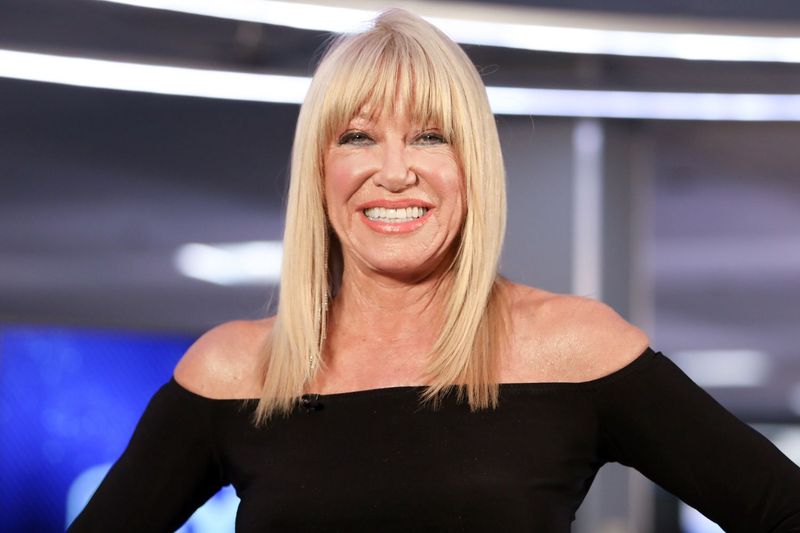
When Suzanne Somers spoke about cancer, she often blended vulnerability with determination, which is part of why her story remains so widely discussed.
Diagnosed with breast cancer in 2000, she became known for talking openly about treatment decisions and the emotional toll of illness, even when public opinions about her choices varied.
What many people took from her experience was not a perfect roadmap, but a reminder that patients are not just bodies receiving treatment; they are people trying to preserve identity, control, and hope in a moment when life feels out of control.
She also helped normalize candid conversations about fear, intimacy, and confidence after a diagnosis, topics many women struggle to bring up even with close friends.
Later in life, she continued to face health challenges and passed away in 2023, leaving behind a complicated but undeniably impactful legacy of speaking about cancer in a way that reached people who needed that honesty.
23. Edie Falco
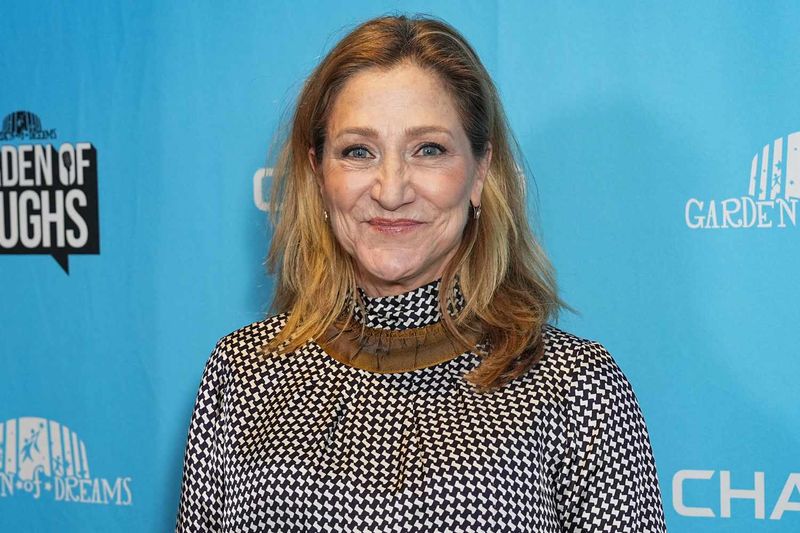
Not everyone processes illness publicly, and Edie Falco’s story shows that privacy can be an act of self-protection rather than secrecy.
Diagnosed with breast cancer in 2003 while still filming The Sopranos, she chose to keep the news within a small circle during treatment, maintaining routine as a way to stay grounded.
Years later, when she spoke about it, many fans appreciated the reminder that people handle fear differently: some need community right away, while others need quiet and control over who knows what, and when.
Her experience also highlights how cancer can intersect with work, deadlines, and obligations, forcing people to hold two realities at once—the role they are performing and the medical battle happening behind the scenes.
For readers, her story offers permission to choose your own pace and boundaries, and to remember that you are not “wrong” for not wanting to be inspirational while you are simply trying to survive.
24. Jill Martin
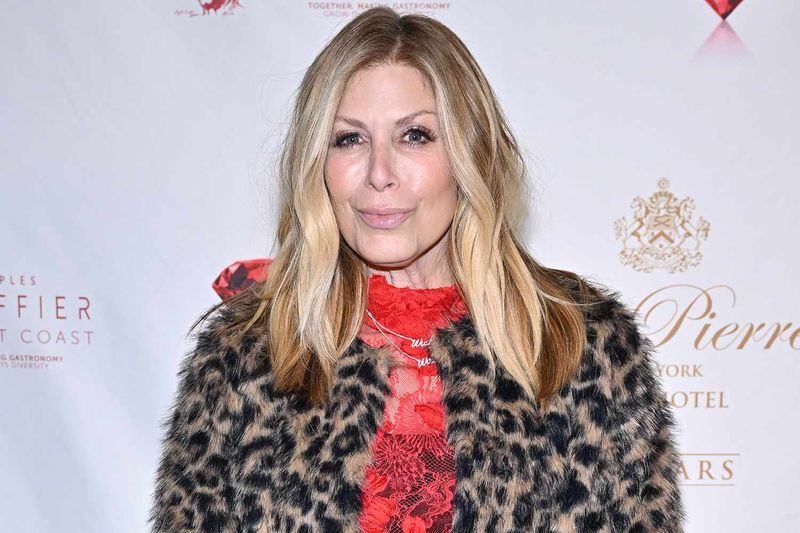
Cancer can turn your calendar into a string of appointments and hard conversations, and Jill Martin has spoken about that disruption in a way that feels painfully relatable.
After sharing her breast cancer diagnosis, she described the intense practical reality of facing surgeries and ongoing medical decisions, which can include questions about recurrence risk, future monitoring, and how to feel at home in your body again.
Her updates also underscored something many women experience but rarely say out loud: you can be grateful for early detection and still feel emotionally flattened by the constant sense of “what next.”
By going public, she helped reinforce that breast cancer is not a single event but often a long season, with phases of treatment and recovery that ask for patience and support.
Her story resonates because it is not wrapped in perfection; it is grounded in persistence, in showing up even when you feel tired, and in learning to accept help without shame.
Comments
Loading…