
 Chloe Peterson
12 Forgotten 1990s Movies Critics Now Call True Masterpieces
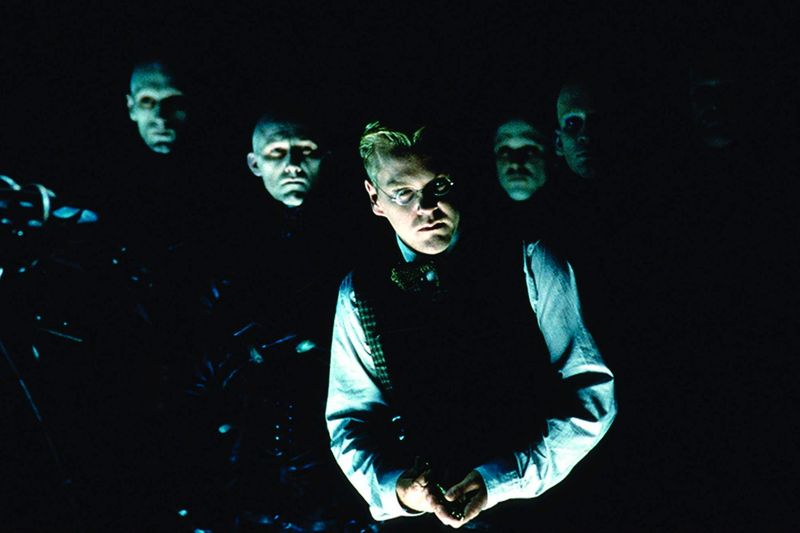
The 1990s gave us some of the most creative and daring films ever made, but not all of them got the attention they deserved.
While blockbusters grabbed headlines, dozens of brilliant movies quietly slipped through the cracks.
Today, film critics and devoted fans are rediscovering these hidden gems, recognizing them as true works of art that were simply ahead of their time.
1. Strange Days (1995)
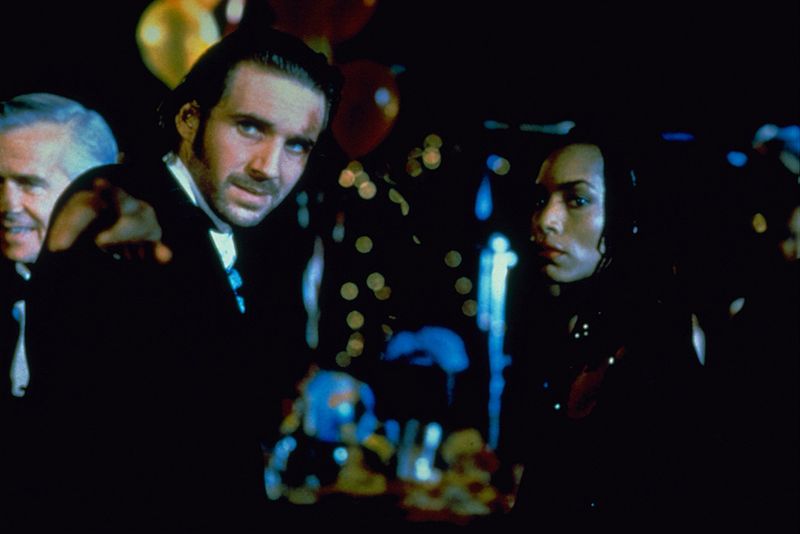
What if you could experience someone else’s memories as if they were your own?
Kathryn Bigelow imagined a world where illegal technology lets people record and replay lived experiences, creating a dangerous black market for sensation.
Set during the final days of 1999, the story follows a dealer of these memory recordings who stumbles onto evidence of a conspiracy that could ignite the powder keg of racial tension ready to explode.
The film uses immersive point-of-view camera work that makes viewers feel trapped inside someone else’s head.
Violence becomes disturbingly intimate when filtered through this technology, forcing us to confront our own voyeuristic impulses.
Released years before smartphones and social media, Strange Days predicted our obsession with capturing and consuming reality through screens with unsettling accuracy.
2. Ghost Dog: The Way of the Samurai (1999)
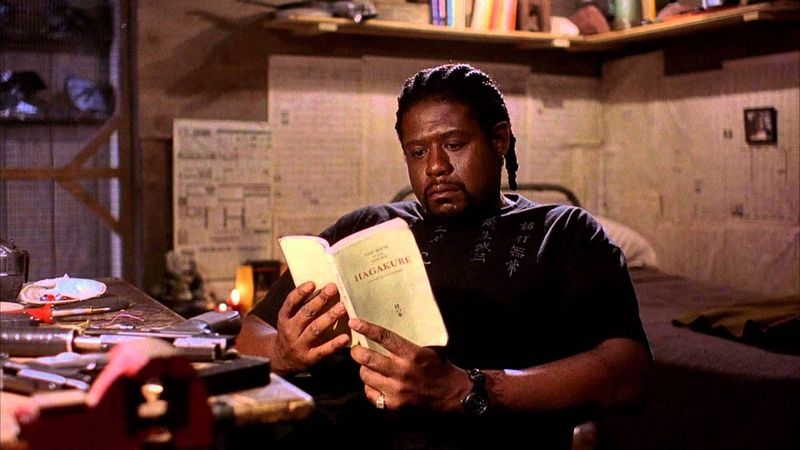
A hitman living on a rooftop with his pigeons follows an ancient warrior code in modern New Jersey.
Jim Jarmusch created something completely unique by blending samurai philosophy with hip-hop culture and mob movie tropes.
Forest Whitaker plays the title character with quiet intensity, a man who lives by the book “Hagakure” while carrying out contracts for the mafia that saved his life years ago.
RZA’s haunting musical score mixes traditional Japanese instruments with Wu-Tang Clan beats, creating a soundscape as unusual as the film itself.
Ghost Dog moves through the story with meditative calm, even as betrayal and violence swirl around him.
The film asks whether honor and loyalty can survive in a world that has forgotten what those words truly mean, finding surprising poetry in unexpected places.
3. Days of Being Wild (1990)
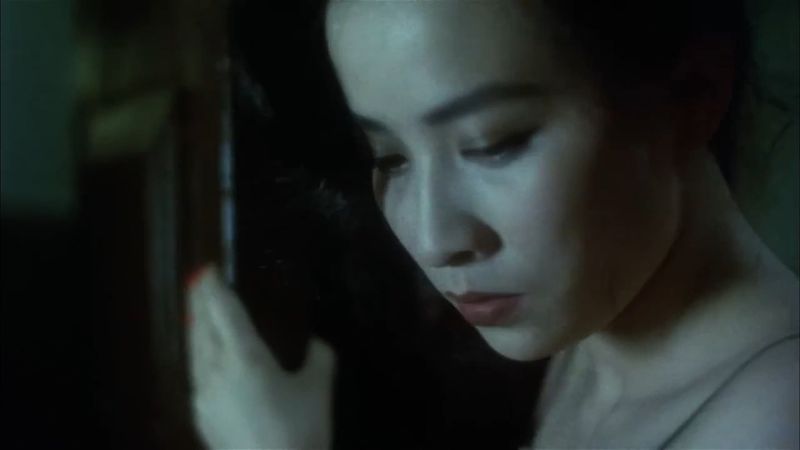
Wong Kar-wai captures the ache of young people drifting through life without direction or purpose in 1960s Hong Kong.
The story follows several characters whose lives intersect briefly, leaving emotional scars that never quite heal.
A handsome young man obsessed with finding his birth mother hurts everyone who loves him, while a police officer pines for a woman he barely knows, and a showgirl dreams of escape.
Lush cinematography bathes everything in green light and shadow, making even cramped apartments feel like romantic hideaways.
Time moves strangely here, with clocks appearing constantly to remind us how minutes slip away while we waste opportunities.
The film feels like a beautiful fever dream about the universal experience of being young, restless, and unable to commit to anything or anyone, even yourself.
4. The Sweet Hereafter (1997)
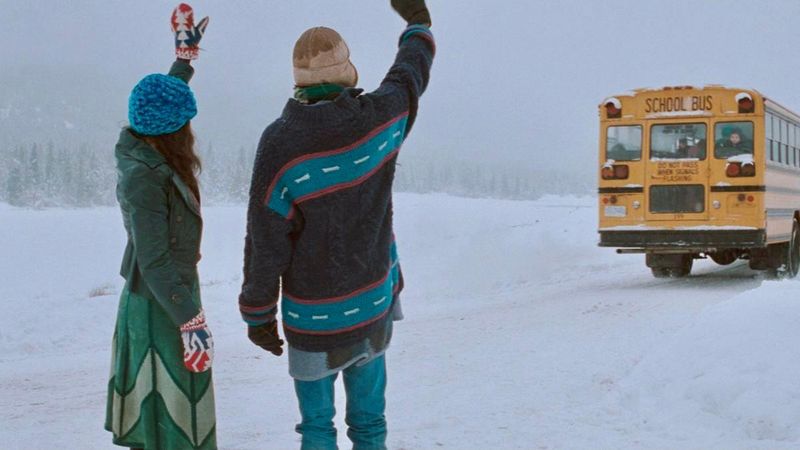
A school bus slides off an icy road and through the ice of a frozen lake, killing most of the children in a small Canadian town.
Director Atom Egoyan tells this devastating story out of sequence, jumping between before and after the accident, showing how one moment can shatter an entire community.
A lawyer arrives hoping to organize a lawsuit, but his presence forces everyone to confront questions about blame, responsibility, and whether money could ever compensate for such loss.
The film never exploits the tragedy or shows the accident in graphic detail.
Instead, it focuses on how grief changes people in unexpected ways, how some parents need someone to blame while others just want silence.
Based on a novel inspired by a real bus accident, the story asks impossible questions about fate and whether healing is even possible when the wound goes so deep.
5. Dark City (1998)
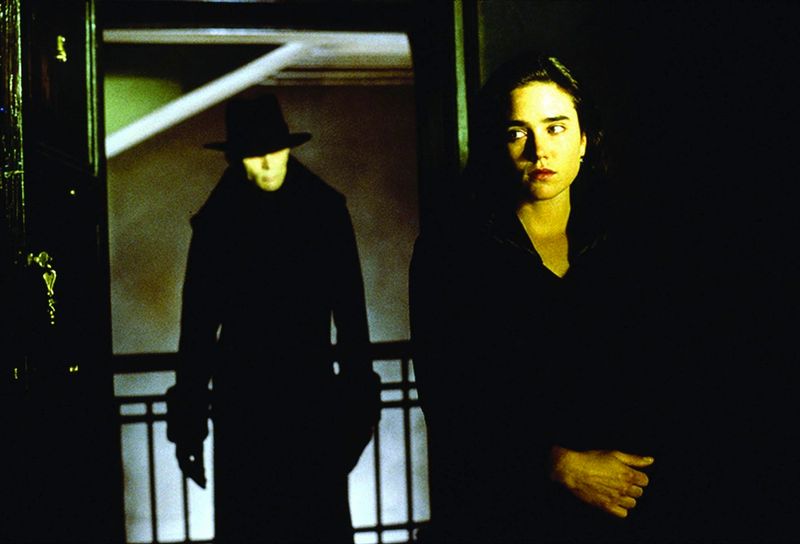
Imagine waking up with no memory in a place where the sun never rises and shadowy figures rewrite reality every midnight.
Director Alex Proyas crafted a haunting vision of urban dystopia that questions everything we think we know about ourselves.
The film follows a man accused of murder who must uncover the truth about his identity while mysterious beings called the Strangers reshape the city around him.
Visual effects teams built towering sets and miniatures that feel more authentic than modern CGI.
The atmosphere drips with noir shadows and German Expressionist angles that make every frame feel like a disturbing painting.
Critics initially dismissed it, but now recognize its profound exploration of what makes us human when memories can be manufactured and reality itself becomes flexible.
6. Perfect Blue (1997)
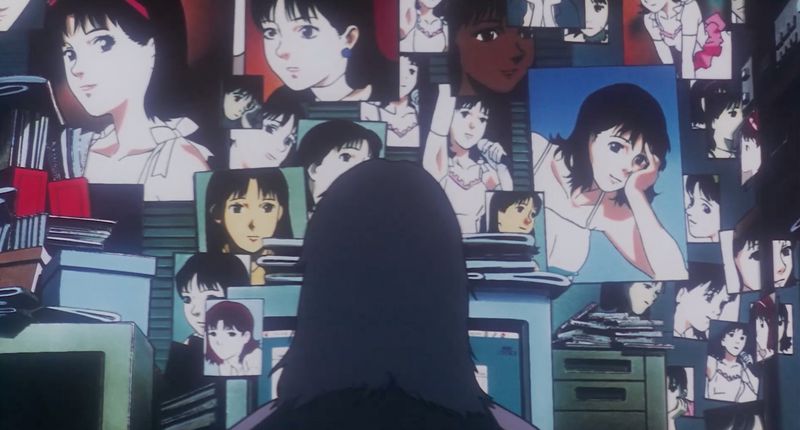
Pop idol Mima Kirigoe decides to leave her singing group to become a serious actress, but someone is not happy about this career change.
Director Satoshi Kon created an animated psychological thriller that feels more disturbing than most live-action horror films.
As Mima takes on increasingly provocative roles, the line between her public persona and private self begins to dissolve, and reality itself seems to fracture.
An obsessed fan runs a website detailing her daily life with impossible accuracy.
Mima starts seeing her pop-star self as a separate person who mocks her choices.
The film cuts between fantasy and reality so seamlessly that viewers lose their footing along with the main character.
Released years before social media and celebrity culture reached today’s intensity, Perfect Blue predicted how fame, obsession, and the internet would create dangerous new forms of psychological pressure.
7. A Simple Plan (1998)
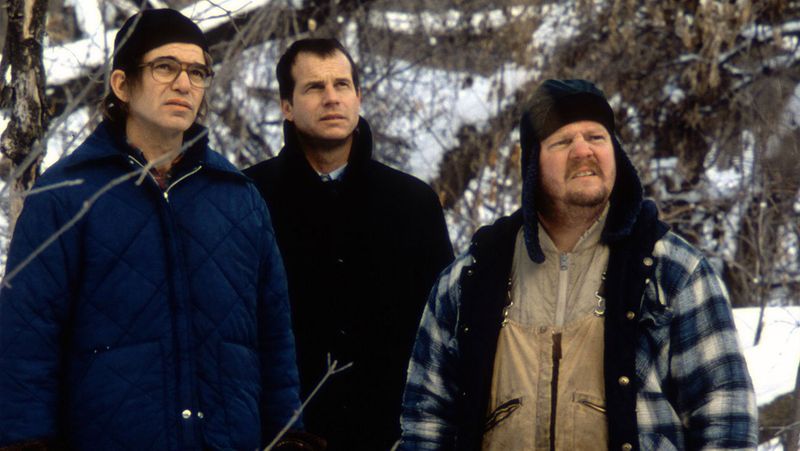
Three men find a crashed plane in the snowy Minnesota woods with a dead pilot and a bag containing over four million dollars in cash.
Hank, his troubled brother Jacob, and their friend Lou make a pact to hide the money until spring, then split it if no one comes looking.
What seems like a simple plan quickly spirals into paranoia, betrayal, and murder as ordinary people discover they are capable of terrible things when tempted by life-changing wealth.
Director Sam Raimi trades his usual horror style for a slow-building moral thriller that feels painfully realistic.
Billy Bob Thornton delivers a heartbreaking performance as the simple-minded brother who just wants respect and a better life.
The snow-covered landscape becomes a metaphor for how a white lie can bury the truth until spring thaw reveals all the bodies hidden beneath.
8. Grosse Pointe Blank (1997)
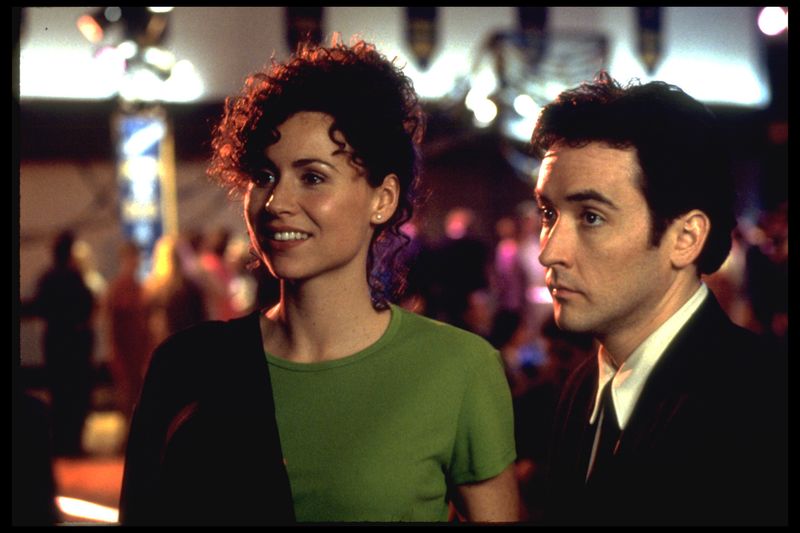
Professional assassin Martin Blank returns to his Michigan hometown for his ten-year high school reunion while on a job.
John Cusack plays the hitman with perfect deadpan humor, treating murder as just another career choice with good benefits and occasional moral complications.
He wants to reconnect with the girlfriend he abandoned on prom night, but rival killers, federal agents, and awkward small talk all threaten to ruin his homecoming.
The film balances genuine violence with sharp comedy, never letting you forget that Martin actually kills people for money even as you root for his romance.
The soundtrack pulses with 1980s new wave hits that contrast hilariously with gunfights and explosions.
Grosse Pointe Blank asks whether people can really change or if we are all stuck being who we were in high school, just with different jobs and better-hidden damage.
9. Soapdish (1991)
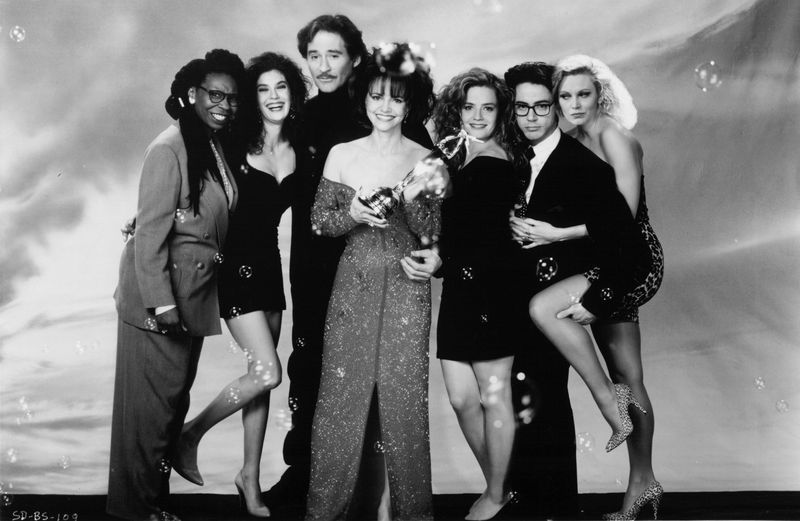
Behind the scenes of a fictional daytime soap opera, the drama off-camera proves even more outrageous than the ridiculous storylines on screen.
Sally Field plays aging star Celeste Talbert, fighting to keep her role while her scheming co-star plots to replace her with a younger actress.
The film skewers every soap opera cliche imaginable while delivering genuine laughs through a cast that includes Kevin Kline, Whoopi Goldberg, and Robert Downey Jr. all operating at peak comedic energy.
Writers crafted genuinely clever jokes instead of lazy parody, respecting the genre while exposing its absurdities.
The soap-within-the-movie features hilariously terrible dialogue and impossible plot twists that somehow mirror the real chaos happening backstage.
Soapdish understands that soap operas thrive on melodrama, so it cranks everything to maximum volume while keeping the humor smart enough to work on multiple levels.
10. Ravenous (1999)
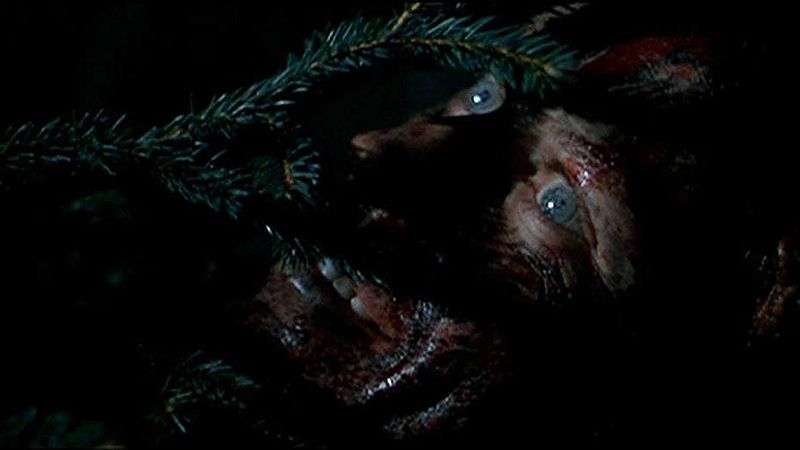
During the Mexican-American War, a cowardly officer is sent to a remote Sierra Nevada fort where he meets a stranger with a horrifying story about surviving winter by eating his companions.
Director Antonia Bird created something genuinely bizarre: a cannibal horror film that functions as a pitch-black comedy and a metaphor for American expansion and consumption.
The isolated fort becomes a pressure cooker where hunger takes on multiple meanings, both literal and symbolic.
Composer Michael Nyman and musician Damon Albarn created one of the strangest film scores ever, mixing banjos with unsettling orchestral stings that sound both funny and terrifying.
The film never lets viewers get comfortable, shifting tones constantly between gruesome horror and absurdist humor.
Ravenous asks what happens when manifest destiny meets primal hunger, suggesting that American expansion was always about consuming everything in its path, consequences be damned.
11. Lone Star (1996)
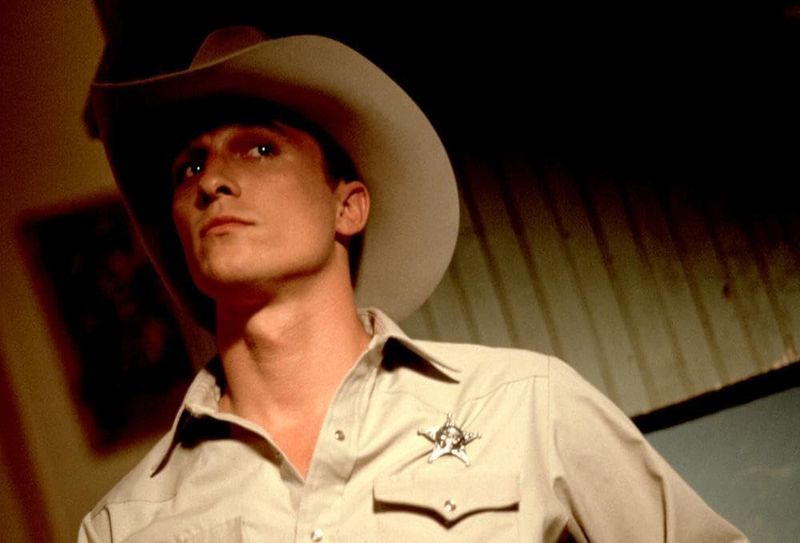
When a skeleton is discovered in the Texas desert near the Mexican border, the local sheriff investigates and uncovers decades of buried secrets about his legendary lawman father.
John Sayles directs this masterful neo-Western that seamlessly blends past and present, using invisible transitions to show how history never really stays buried.
The investigation becomes a meditation on how communities create myths about their heroes while ignoring uncomfortable truths about racism, corruption, and violence.
Multiple storylines weave together, examining how three generations navigate the complicated relationship between Anglo, Mexican, and Black communities in a border town.
The film refuses easy answers about right and wrong, showing instead how people make impossible choices in difficult circumstances.
Lone Star understands that the past shapes everything about the present, and sometimes the truth matters less than the stories we tell ourselves to sleep at night.
12. Barton Fink (1991)
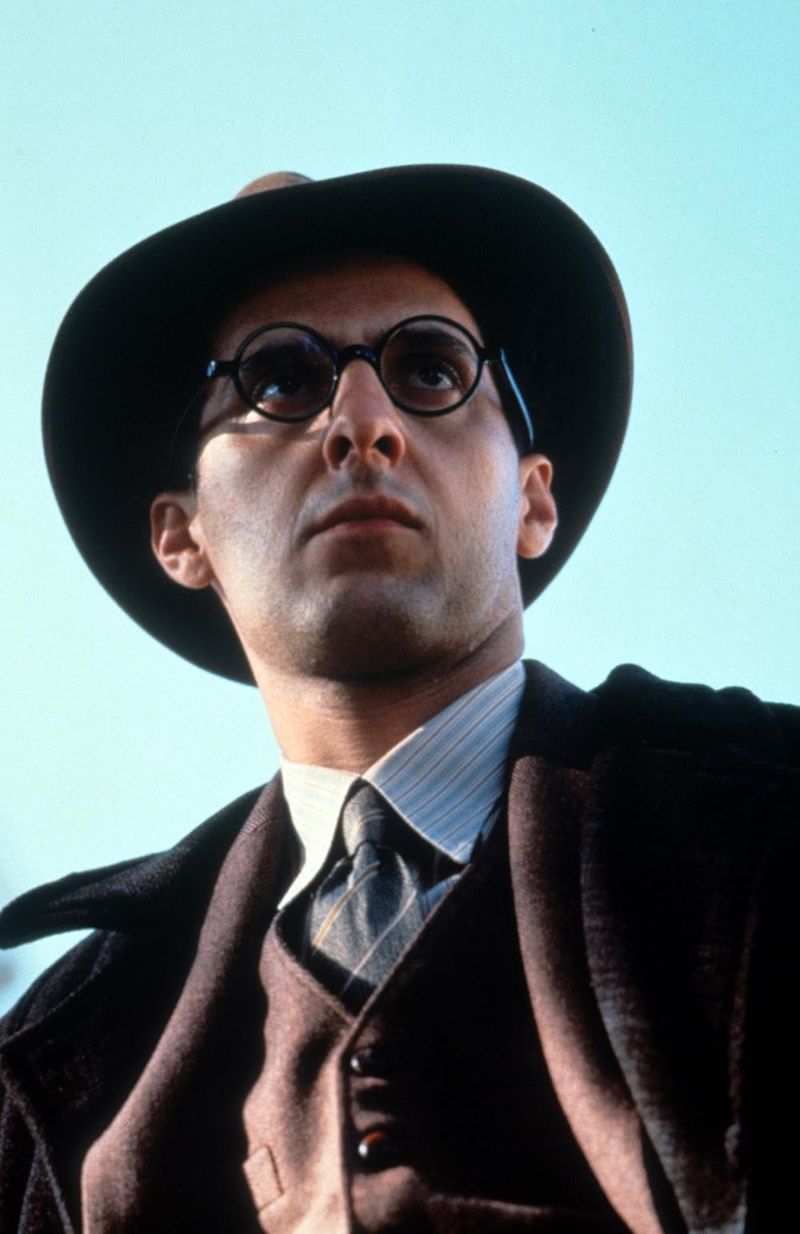
A successful New York playwright moves to Hollywood in 1941 to write screenplays, checking into a deteriorating hotel where he suffers complete creative paralysis.
The Coen Brothers crafted a surreal nightmare about the artistic process, watching Barton struggle to write a simple wrestling picture while his pretentious theories about the common man crash against actual reality.
His neighbor, an affable insurance salesman, may be the only genuine person in Los Angeles or something far more sinister.
The Hotel Earle becomes a character itself, with peeling wallpaper, mysterious sounds, and a heat that seems to radiate from hell itself.
John Turturro plays Barton with increasing desperation as his writer’s block transforms into full psychological breakdown.
The film asks whether artists who claim to speak for ordinary people actually understand them at all, or if creative ego blinds us to the real horrors happening right next door.
Comments
Loading…