
 Harper Hall
11 Ways Modern Life Increases Anxiety

Feeling overwhelmed, stressed, or on edge has become a common experience for many people today. Modern life, with all its conveniences and technology, often comes with hidden costs to our mental health.
Understanding how everyday habits and environments contribute to anxiety can help us take control and find balance.
1. Constant Social Media Use

Scrolling through endless feeds can leave you feeling worse than when you started.
Comparing your real life to everyone else’s highlight reel creates unrealistic expectations and self-doubt.
Every like, comment, or lack thereof can trigger worry about how others perceive you.
Apps are designed to keep you hooked, releasing small dopamine hits that make it hard to stop.
This constant stimulation prevents your brain from truly resting.
Taking regular breaks from social platforms helps reduce comparison anxiety and allows you to reconnect with what truly matters in your own life.
2. Information Overload
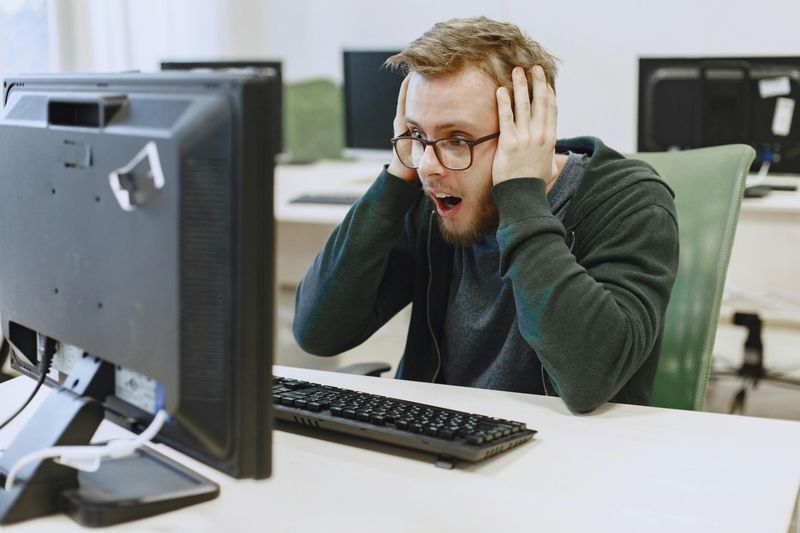
Your brain wasn’t designed to process the massive amount of information available today.
News alerts, emails, messages, and updates bombard you from every direction, making it impossible to focus on one thing.
This mental clutter creates a sense of being perpetually behind or unprepared.
When you’re constantly consuming information, your mind never gets a chance to process and file it properly.
Decision fatigue sets in as you try to sort through what’s important and what isn’t.
Setting boundaries around news consumption and creating information-free zones in your day can restore mental clarity and reduce overwhelming feelings.
3. Sleep Disruption from Blue Light

Staring at screens before bed tricks your brain into thinking it’s still daytime.
Blue light from phones, tablets, and computers suppresses melatonin, the hormone that signals your body to sleep.
Without proper rest, your anxiety levels naturally increase the next day.
Poor sleep quality affects your ability to handle stress and regulate emotions.
You might notice feeling more irritable, worried, or unable to cope with normal challenges.
Creating a device-free bedtime routine at least an hour before sleep helps your brain wind down naturally and improves overall mental health.
4. Always Being Available

Remember when leaving the house meant being unreachable for a few hours?
Those days are gone.
Smartphones keep us connected 24/7, creating an unspoken expectation of instant responses.
This pressure to always be available prevents genuine downtime and recovery.
Your nervous system needs breaks from communication demands to reset properly.
Constant availability blurs the line between work and personal time, making true relaxation nearly impossible.
Setting specific times to check messages and communicating your boundaries to others helps reclaim personal space and reduces the anxiety of constant connectivity.
5. Sedentary Lifestyle

Humans evolved to move throughout the day, but modern jobs often trap us in chairs for hours.
Sitting for extended periods doesn’t just harm your body; it significantly impacts mental health.
Physical inactivity allows stress hormones to build up without a natural outlet for release.
Movement helps your brain process emotions and clear anxious thoughts.
When you’re stuck sitting, that nervous energy has nowhere to go and intensifies.
Even short walking breaks during the day can dramatically improve mood and reduce anxiety levels by giving your body what it naturally craves.
6. Financial Pressure and Consumerism

Advertisements constantly tell you what you need to be happy, successful, or accepted.
This marketing bombardment creates artificial desires and financial strain as you try to keep up.
Credit cards make overspending easy, leading to debt that weighs heavily on your mind.
Comparing your possessions to others fuels dissatisfaction and worry about money.
The pressure to maintain a certain lifestyle can feel crushing, especially when unexpected expenses arise.
Building a realistic budget and limiting exposure to advertising helps reduce financial anxiety and refocus on what genuinely brings fulfillment rather than temporary satisfaction.
7. Lack of Face-to-Face Connection

Texting and video calls are convenient, but they can’t fully replace in-person interaction.
Human brains are wired to read subtle facial expressions, body language, and energy that screens simply can’t convey.
Without these cues, misunderstandings happen more easily, increasing social anxiety.
Loneliness has become an epidemic despite being more digitally connected than ever.
Virtual relationships often feel hollow compared to sharing physical space with someone.
Making time for regular face-to-face meetups, even brief coffee dates, helps satisfy your brain’s need for genuine human connection and reduces feelings of isolation.
8. Multitasking Demands

Modern life glorifies doing multiple things at once, but your brain actually can’t focus on more than one complex task effectively.
Switching between activities creates mental friction and drains energy faster than concentrating on one thing.
This constant task-switching leaves you feeling exhausted and anxious about what you might have missed.
Quality suffers when attention is divided, leading to mistakes that create more stress.
Your brain needs time to fully engage with tasks to feel accomplished.
Practicing single-tasking and giving full attention to one activity at a time improves both performance and peace of mind.
9. Disconnection from Nature

Concrete jungles have replaced natural landscapes for most people.
Spending the majority of time indoors under artificial lighting goes against what humans need for mental balance.
Studies show that even brief exposure to nature significantly reduces stress hormones and anxiety symptoms.
Your senses crave natural stimulation—birdsong, fresh air, sunlight, and green spaces.
Without these elements, you feel vaguely unsettled without knowing why.
Making outdoor time a priority, whether it’s a park visit or simply eating lunch outside, helps ground your nervous system and provides a natural anxiety remedy.
10. Unrealistic Success Standards

Social media and reality TV showcase extraordinary achievements as if they’re normal, everyday occurrences.
Seeing peers land dream jobs, travel constantly, or reach major milestones creates pressure to accomplish more, faster.
This comparison trap makes your own progress feel inadequate, no matter how much you’ve actually achieved.
Everyone’s journey looks different, but modern culture pushes a one-size-fits-all definition of success.
This pressure to meet arbitrary timelines and standards breeds constant self-criticism.
Defining success on your own terms and celebrating small victories helps counter the anxiety of never feeling good enough.
11. Disrupted Eating Patterns

Busy schedules often push meals to the background, leading to skipped breakfasts, fast food lunches, and late dinners.
Irregular eating causes blood sugar spikes and crashes that directly affect mood and anxiety levels.
When your body doesn’t know when it’ll get fuel, stress hormones increase.
Grabbing convenient processed foods instead of balanced meals deprives your brain of nutrients it needs to manage stress effectively.
Eating while distracted or rushing prevents proper digestion and satisfaction.
Establishing regular meal times with whole foods helps stabilize both physical and mental health, reducing anxiety caused by nutritional imbalance.
Comments
Loading…