
 Jade Reed
The 10 Priciest TV Shows Ever Produced—And Where the Money Went

TV budgets used to whisper.
Now they roar like blockbuster movies, tossing millions at worlds, monsters, and royalty.
You feel it in every sweeping shot, every meticulously stitched costume, every seamless spaceship glide.
Let’s follow the money and see exactly where those eye watering checks got cashed.
1. The Lord of the Rings: The Rings of Power
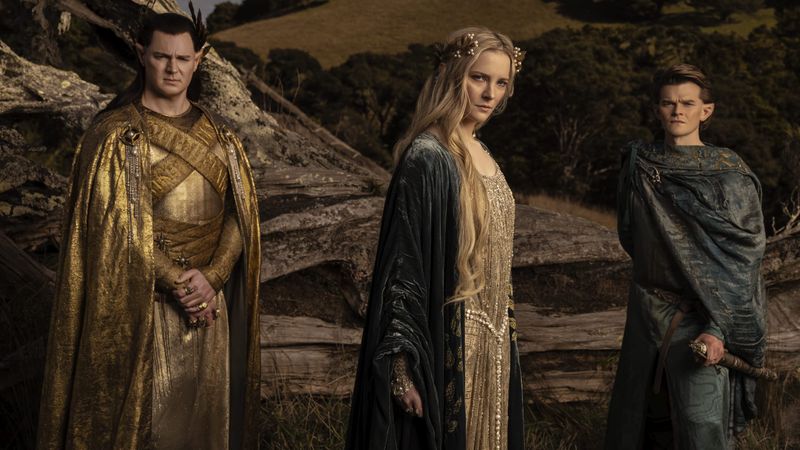
You did not imagine those towering cities or glowing forges.
Amazon spent a fortune building massive sets, commissioning bespoke props, and stitching intricate costumes that could hold up to brutal closeups.
Visual effects ate a giant slice too, delivering sweeping landscapes, creatures, and battles that feel theater worthy.
Licensing Tolkien rights and wrangling a huge ensemble cast piled on costs quickly.
International shoots meant moving crews, gear, and security across continents.
Even the post production pipeline was premium, with top-tier color, sound, and VFX houses polishing every frame.
Infrastructure investments mattered as well, from robust virtual production pipelines to on set data wrangling.
Marketing was another monster, though outside production budgets, amplifying expectations.
Every dollar shows on screen, transforming streaming into an epic showcase you can binge like cinema.
2. Stranger Things

Those Demogorgon tentacles and Upside Down spores do not render themselves.
Later seasons stretched into blockbuster territory, with per episode budgets ballooning to match larger set pieces and creature work.
Elaborate set builds recreated malls, labs, and cavernous alternate reality spaces with painstaking 80s detail.
Cast salaries grew alongside the show’s fame, pushing costs higher with each renewal.
Complex stunts and extended shoot schedules demanded bigger crews and safety protocols.
Music licensing for needle drops landed premium price tags to lock iconic tracks.
International scale VFX houses stitched months of work into seconds of screen time.
Massive sound stages and on location shoots added logistics and travel.
All told, the series spends to preserve that nostalgic heart while escalating spectacle so you feel the danger pulsing under every synth note.
3. Andor
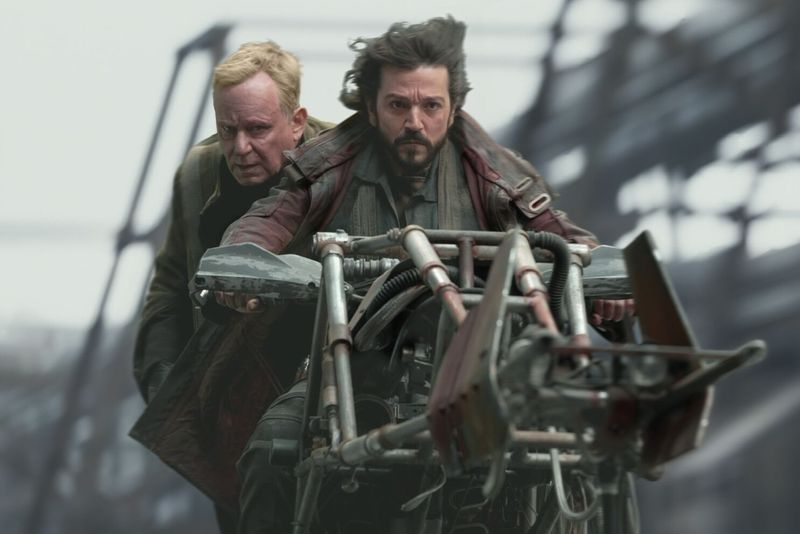
Here is Star Wars stripped to steel and sweat.
Andor sank cash into dense practical sets, towering city blocks, and tactile props that look lived in.
The show favors location work and elaborate builds over green screen, which means bigger crews and longer prep.
Casting a deep bench of performers and extras adds scale without flashy lightsabers.
Every chase threads through labyrinthine streets that had to be constructed, lit, and dressed with precision.
VFX still hum quietly, supporting scope rather than stealing scenes.
Extended shoots across multiple countries raise costs for transport, housing, and permits.
Complex prison and heist sequences required specialty rigs, safety teams, and rehearsal time.
The result feels cinematic and grounded, where the money buys texture, politics, and tension you can practically breathe.
4. Secret Invasion
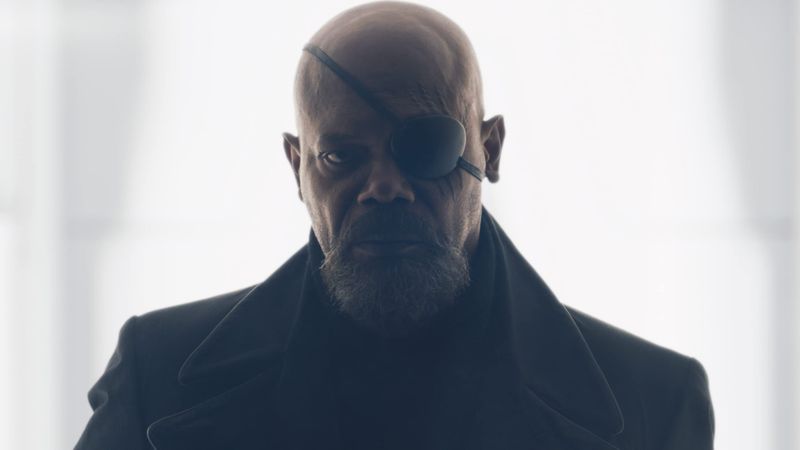
Spies meet Skrulls, and secrecy is expensive.
Marvel spent heavily on A list talent, with star salaries and tight schedules driving up day rates.
Production swung between globe trotting locations and controlled sets that replicated them convincingly.
Digital face morphs and subtle alien effects require meticulous VFX passes.
That means multiple vendors, longer render times, and intricate compositing for blink and you miss moments.
Stunt teams engineered chases and close quarters fights that demanded rehearsal and safety.
Wardrobe leaned into tailored espionage looks, while props teams built believable tech.
Post production layers of color and sound glued the grounded spy tone to the sci fi twist.
You get a moody, polished thriller where the money hides in the seams rather than fireworks.
5. The Crown
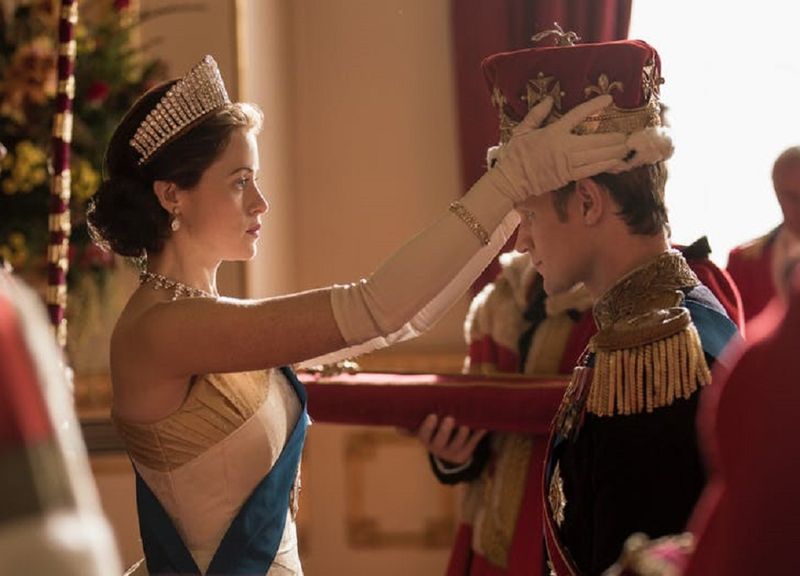
Royalty demands detail, and detail costs dearly.
The Crown invests in painstaking period accurate sets, from palaces to private rooms built with artisanal craftsmanship.
Costumes are custom tailored, using fine fabrics and historical references to track decades of fashion.
Each season introduces new timelines and cast rotations, escalating salaries and rehearsal time.
Research teams verify protocols, vehicles, and tiny props like stationery or medals.
Filming in heritage locations adds fees and logistical constraints that slow everything down.
Prestige demands polish, so cinematography, lighting, and set dressing operate at feature film levels.
Visual effects quietly extend estates and crowds without breaking the illusion.
You feel the spend in every glinting tiara and hushed corridor echo as monarchy becomes a tactile world.
6. Game of Thrones
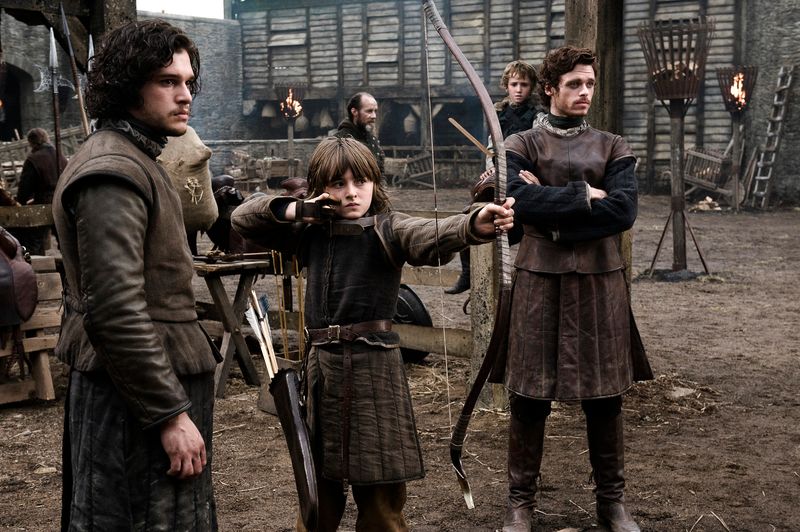
Winter cost money, and so did fire.
Later seasons stacked per episode spending on dragons that demanded world class VFX and simulation.
Practical battles required thousands of extras, armorers, horses, and night shoots that drain budgets fast.
International locations from frozen fields to ancient cities meant moving armies of crew.
Custom sets like massive halls and fleets were built then burned or flooded for spectacle.
Cast contracts ballooned as characters grew essential and global fame took hold.
Post production ran marathon schedules to blend effects, sound, and music into cinematic scale.
Safety, training, and rehearsal for stunts and animal work added layers of cost.
Every clash and roar shows exactly where the treasure chest emptied.
7. The Mandalorian

That seamless galaxy often lives inside a giant LED Volume.
The Mandalorian pioneered virtual production on TV, investing in camera tracking, wall panels, and custom 3D environments.
While the stage saves on travel, the tech and artists behind it are costly.
Practical costumes and droids blend with digital enhancements to maintain tactile charm.
Stunt work and creature effects bring Star Wars whimsy to grounded action.
Guest stars and directors add prestige while nudging payroll upward.
Each episode calibrates VFX, puppetry, and real sets to feel like a compact feature.
Ships, planets, and towns are designed with cinematic color and texture.
You get movie caliber polish every week, and that consistency is where the money truly lands.
8. The Last of Us

Fungal apocalypse is not cheap.
HBO poured funds into transforming real streets into overgrown ruins with cars, signage, and creeping vegetation.
Special effects makeup teams created terrifying infected with hours long applications.
Locations across Canada demanded permits, closures, and extensive set dressing before and after shoots.
Cast salaries and stunt coordination rose with intense action beats.
VFX extended skylines, floods, and subtle environmental rot without pulling you out of the moment.
Sound design and score layered dread, while editors wrangled complex episode structures.
Practical explosions, toppled buildings, and ruined interiors required safety and engineering oversight.
The spend buys emotion and scale, letting quiet character beats bloom against cinematic devastation.
9. One Piece (live action)
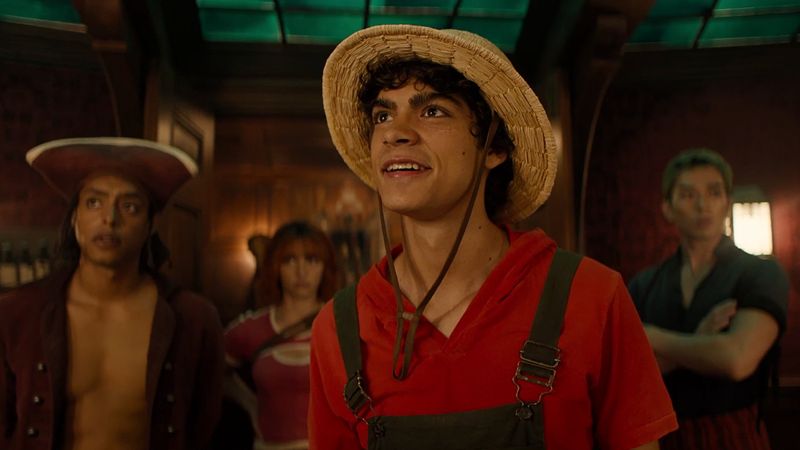
Pirate adventure means giant ships and bigger bills.
Netflix commissioned full scale vessels with bespoke interiors, then staged elaborate harbor towns teeming with extras.
Bright, stylized costumes and hair demanded constant maintenance to look comic accurate.
Action sequences relied on wire work, water tanks, and specialized rigs that chew time.
Visual effects brought Devil Fruit powers to life, integrating with practical stunts.
International shooting complicated logistics with customs, sea safety, and weather windows.
Music, color, and playful production design tied it all together.
Crew sizes swelled to handle water work and large builds efficiently.
The end result channels anime energy into tactile spectacle you can practically smell the sea on.
10. Band of Brothers
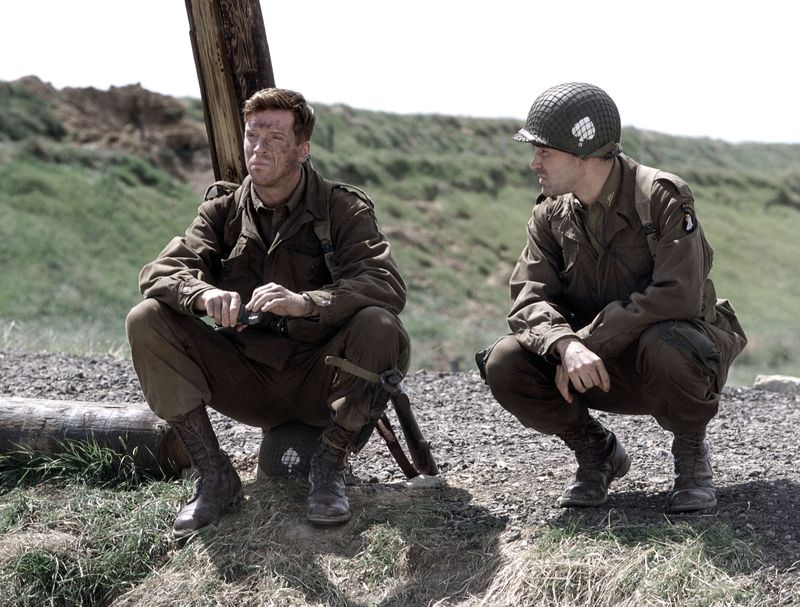
Historic authenticity came with a massive price tag for its era.
Band of Brothers constructed European villages and battlefields with period correct detail.
Explosions, pyrotechnics, and squib heavy firefights required top notch safety and coordination.
The ensemble cast trained in military tactics, extending prep and rehearsal.
Wardrobe teams sourced and aged uniforms, gear, and vehicles to look lived in.
Cinematography embraced sweeping shots that demanded cranes, tracks, and careful logistics.
Practical effects dominated, while VFX quietly erased modern intrusions.
Sound and score elevated the emotional weight without overshadowing realism.
Even two decades later, you feel the investment in every muddy boot print and breath in the cold.
Comments
Loading…