
 Mary Murphy
Media Illiteracy: 11 Famous Films Everyone Misunderstood

You know that feeling when a movie gets wildly popular for the exact reason it was warning you about.
That is media illiteracy in action, and it is everywhere.
These films were never trying to hype excess, glorify violence, or sell you a fantasy, yet many viewers turned them into posters for the very thing being critiqued.
Let’s peel back the sheen and read what the filmmakers actually put on the screen.
1. Fight Club (1999)
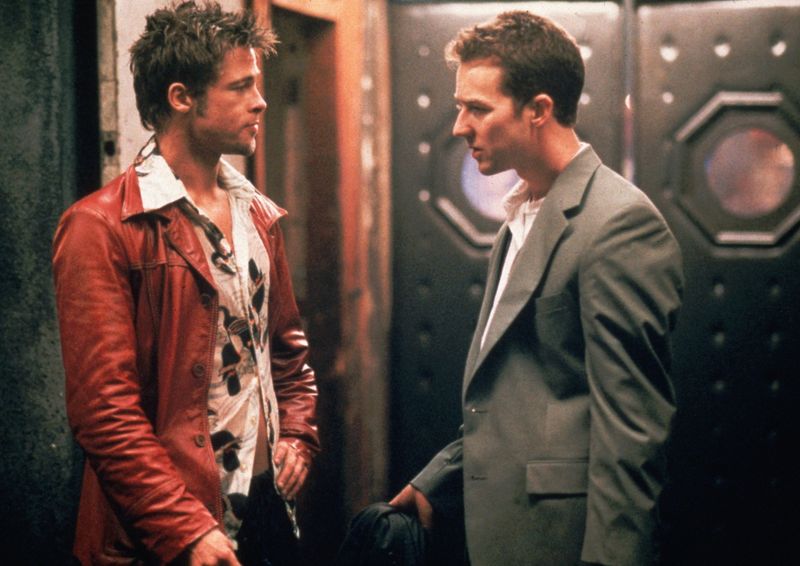
Soap, blood, and broken consumer dreams swirl through this story like a dare.
You are not being invited to worship the bruises or the swagger.
You are being asked why pain suddenly feels like meaning when your identity is built out of catalogs and cubicles.
Tyler’s charisma seduces because the narrator is starving for purpose.
That does not make Tyler a solution.
It makes him a symptom of emptiness and a salesman of self-destruction dressed as freedom.
Look closer and the clubs are less rebellion, more cult.
The goal is not to cheer the punches but to question why the ring feels like church.
If you walk out wanting to join, the movie just diagnosed you.
2. The Wolf of Wall Street (2013)
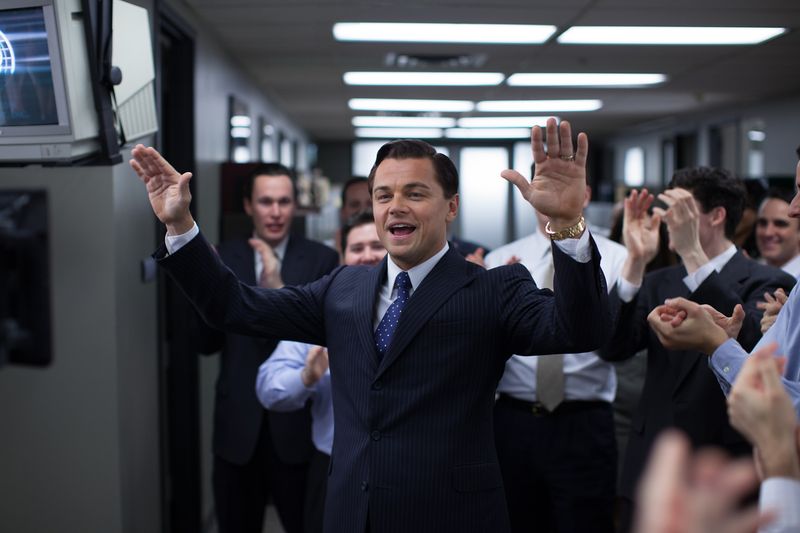
Greed looks glossy here, and that is the trap.
The parties pop, the yachts gleam, and you can almost hear the dopamine ringing.
But watch the eyes when the music stops, and you see withdrawals, not victories.
This is addiction cinema disguised as a sales seminar.
The punchline is how the system rewards charisma even when it devours everyone around it.
Morality tales do not always whisper; sometimes they scream through confetti.
If you laughed the whole way and missed the nausea, that is exactly the point.
The camera gives you the high so the crash hits harder.
You are meant to notice how hollow a life becomes when every yes is for sale.
3. American Psycho (2000)

Perfection is the mask, not the prize.
Patrick Bateman is a mannequin built from status markers, chasing a self that never existed.
The joke is brutal because the punchline is emptiness wearing a thousand-dollar suit.
People quote the morning routine like it is a fitness plan.
That is the horror gag.
The body is flawless while the soul is a vacancy sign flickering in the dark.
Violence plays like a hallucination of power in a world obsessed with surfaces.
Whether events are literal or imagined, the critique holds: the culture cannot tell the difference between a business card and a conscience.
If you left thinking sigma grindset, the movie left you a mirror.
4. Scarface (1983)

Rags to riches is the billboard, but paranoia is the mortgage.
Tony climbs because appetite outpaces fear.
Then appetite becomes the fear, and every room turns into a trap wrapped in marble.
The excess feels operatic to show how greed eats itself.
People sling quotes on shirts like motivational posters.
Meanwhile the film stacks corpses of trust, love, and sanity behind the punchlines.
This is not a blueprint for ambition.
It is a case study in how hunger without boundaries isolates you until every phone call sounds like betrayal.
If you want Tony’s throne, you did not read the caution tape around it.
5. Goodfellas (1990)
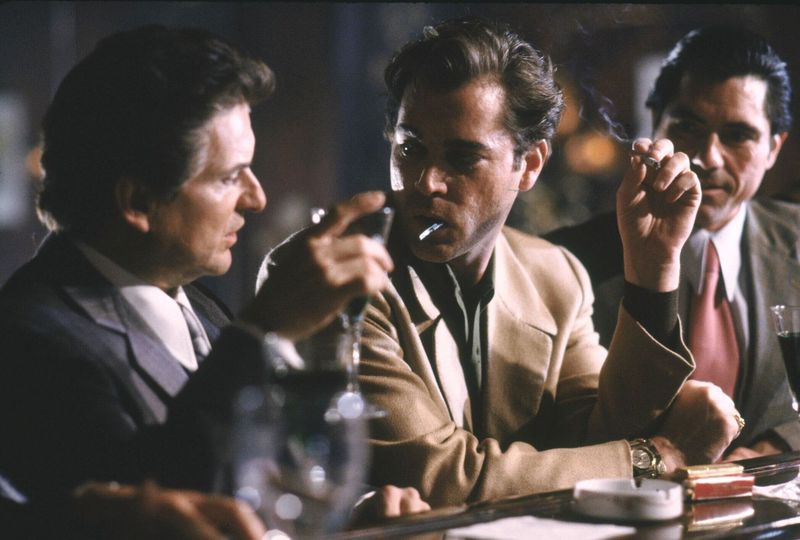
The Copacabana glide seduces because corruption loves a good entrance.
You see the perks first, like a brochure.
Then the terms and conditions arrive with handcuffs and insomnia.
Henry’s world shrinks as his circle tightens.
The glamour rots into errands, lies, and microwaved paranoia.
Every laugh at the table is an invoice for later.
What looks big is actually small: petty men guarding petty turf with blood and bravado.
The endgame is witness protection and spaghetti in silence.
You are not meant to envy the suits, only to notice how little a life can become.
6. Taxi Driver (1976)
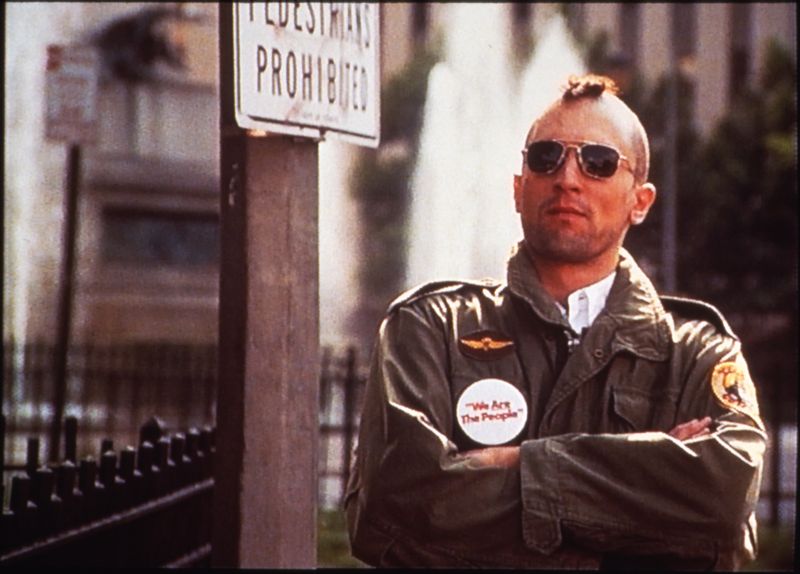
Loneliness hums like a neon sign in this portrait of unraveling.
Travis is not a training montage away from heroism.
He is a man spiraling as the city mirrors his isolation back at him.
The violence is not vindication.
It is a symptom of a mind hunting for purpose in the wrong rooms.
Media mythologizes the aftermath because spectacle sells cleaner than therapy.
When the camera lingers, you are supposed to feel the ache, not the applause.
The ending’s ambiguity asks whether attention can sanctify a wound.
If vigilante fantasies thrill you here, the film is warning you about that thrill.
7. 500 Days of Summer (2009)

This is not a villain origin story for a woman who said no. It is a diary of projection, where a guy edits a person into a dream role she never auditioned for.
The cards were on the table; he kept reshuffling them.
Expectation and reality do not align because fantasies rarely send calendars.
The movie is honest about mixed signals, but it is clearer about the narrator’s selective hearing.
She was consistent; he was convinced.
Romance here is a lesson in listening, not a contract.
The growth arrives when he stops writing her as a fix and starts learning himself.
If you blame Summer, you miss the chapter where responsibility finally lands.
8. The Devil Wears Prada (2006)

Ambition looks fabulous until it bills your identity.
Andy learns that approval can feel like oxygen when you are new and hungry.
The problem is how fast it becomes the only air you breathe.
Miranda is not a hashtag to idolize or demonize.
She is the industry’s pressure distilled.
Boundaries get traded for access, and soon success is measured by how much of yourself you can misplace.
The film is not saying quit.
It is asking what it costs to stay.
If your takeaway is simply work harder, you skipped the part about choosing who you are while you climb.
9. Forrest Gump (1994)

Chance moves like a feather here, and that is the thesis.
Forrest floats through history while others fight currents you barely see.
The charm disarms, but the randomness bites if you let it.
People love the idea that kindness guarantees outcomes.
The movie shows a lottery of timing, privilege, and accidents dressed as destiny.
Meaning is what characters assign after the coin flips.
You are supposed to feel warmth and ask harder questions.
Who gets to drift and who drowns.
If you think it promises meritocracy, you missed how often luck signed the checks.
10. Starship Troopers (1997)

Recruitment ads come to life, and that is the satire.
The smiles are too bright, the uniforms too spotless, the speeches too efficient.
You are meant to taste the plastic on the patriotism.
Violence is choreographed like a theme park ride.
The thrill is bait to reveal how easily spectacle enlists you.
Every triumphant shot carries a winking warning label.
If you cheer without flinching, the film has replicated propaganda on purpose.
Look at the commercials inside the movie.
They are the Rosetta stone spelling out fascism with a grin.
11. Gone Girl (2014)

Marriage is a stage, and everyone is auditioning.
This story sharpens every performance until the roles cut back.
The headlines crave villains and saints, but the truth prefers masks.
Amy is not a template for women.
She is a thesis about image management and leverage inside a broken relationship.
Nick is not innocent, just sloppy with his persona.
Media attention feeds the monster by scripting the narrative for ratings.
Power swings with perception, not justice.
If you reduce it to women are crazy, you just proved the plot’s argument.
Comments
Loading…