
 Hailey Watson
If You Do These 10 Things, You’re Probably a Rude House Guest

Staying at someone’s home can be a wonderful experience, but it comes with responsibilities.
Being a good house guest means respecting your host’s space, time, and routines.
Unfortunately, some behaviors can make you seem rude or inconsiderate, even if you don’t mean to be.
Understanding what makes a guest welcome versus unwelcome can help you build stronger relationships and ensure you’re always invited back.
1. Arriving with Uninvited Guests
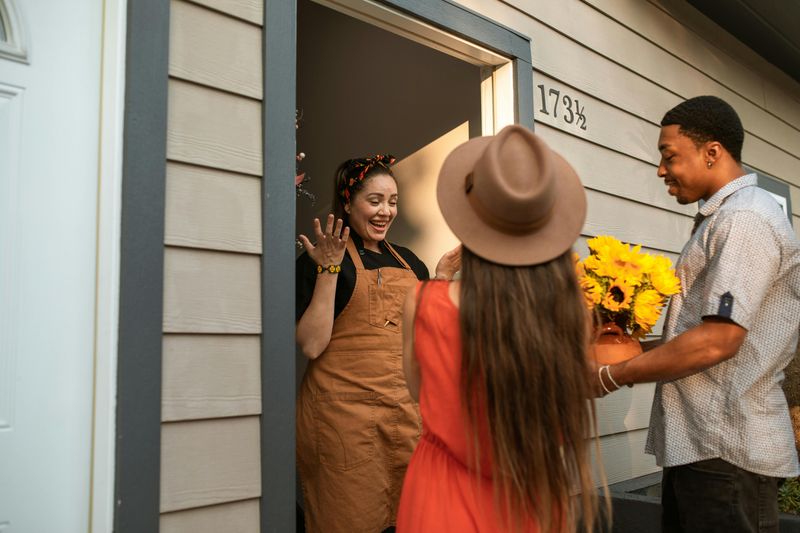
Imagine planning a quiet dinner for two, only to find four people at your door.
Bringing extra guests without asking puts your host in an awkward position.
They may not have enough food, space, or energy to accommodate everyone comfortably.
Your host prepared for you specifically, not a crowd.
Surprising them with additional people disrupts their plans and can create stress.
It shows a lack of consideration for their time and effort.
Always communicate ahead of time if you want to bring someone along.
Give your host the chance to say yes or no. Respecting their decision shows maturity and thoughtfulness, making you a guest they’ll want to host again.
2. Showing Up Without a Gift

Empty hands can send the wrong message when you arrive at someone’s home.
A small gift is a simple way to say thank you for the hospitality you’re about to receive.
It doesn’t need to be expensive—flowers, chocolates, or a bottle of wine work perfectly.
Your host is opening their home and sharing their resources with you.
Acknowledging this gesture shows gratitude and respect.
Even a homemade treat or a thoughtful card can make a positive impression.
This tradition exists in many cultures for good reason.
It sets a friendly tone for your visit and demonstrates that you value the invitation.
Being thoughtful from the start helps create a warm, welcoming atmosphere for everyone.
3. Disregarding House Rules

Every home operates differently, with unique rules and preferences.
Some families remove shoes at the door, while others have specific quiet hours or pet boundaries.
Ignoring these guidelines shows disrespect for your host’s lifestyle and comfort.
When you enter someone’s space, you’re a visitor in their world.
Following their rules isn’t about losing freedom—it’s about showing courtesy.
Ask about any house rules when you arrive, and observe how family members behave.
Maybe they recycle in a certain way or prefer the thermostat at a specific temperature.
Paying attention to these details demonstrates that you care about fitting into their routine rather than disrupting it.
4. Overstaying Your Welcome

Time limits matter, even when you’re having fun.
Extending your visit beyond what was agreed upon can strain your host’s patience and resources.
They may have work commitments, family obligations, or simply need their personal space back.
Hosting requires energy, money, and constant attention to another person’s needs.
What feels like a relaxing vacation for you might be exhausting work for your host.
Respecting the original departure date shows consideration for their life outside your visit.
If circumstances change and you need to stay longer, have an honest conversation first.
Never assume it’s okay to extend your stay without asking.
Clear communication prevents resentment and keeps the relationship healthy.
5. Leaving Behind a Mess
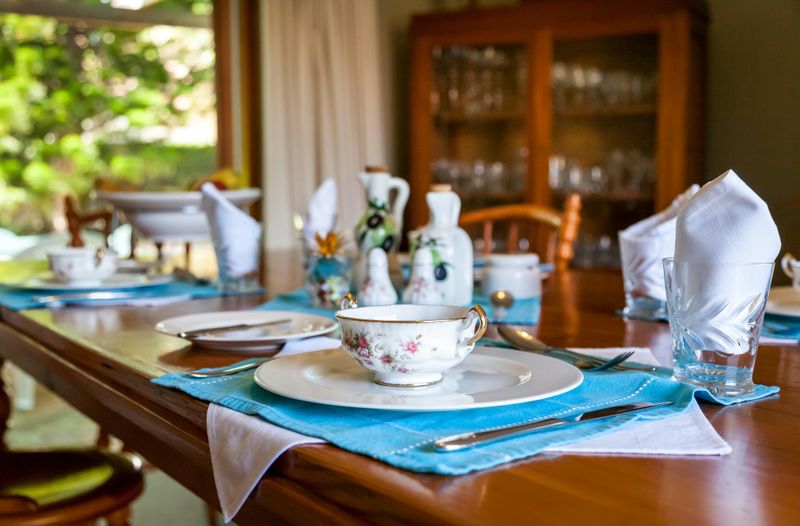
Dirty dishes piled in the sink, wet towels on the floor, and unmade beds create extra work for your host.
Cleaning up after yourself is basic courtesy that many guests overlook.
Your host shouldn’t need to tidy your space like they’re running a hotel.
Treat their home as you would your own—or even better.
Wipe down bathroom counters, take out trash when it’s full, and keep your belongings organized.
These small actions make a huge difference in reducing your host’s workload.
Before you leave, strip the bed linens and ask where to put them.
Leave the guest room as clean as you found it, if not cleaner.
6. Making Too Much Noise

Blasting music at midnight or having loud phone conversations early in the morning disrupts everyone’s peace.
Your host and their family have routines and sleep schedules that deserve respect.
Excessive noise can quickly turn a pleasant visit into an irritating experience.
Be mindful of volume levels throughout the day, especially during early mornings and late evenings.
Use headphones for music or videos, and take phone calls in private areas away from sleeping family members.
Remember that sound travels differently in every home.
What seems quiet to you might be loud to others.
When in doubt, keep it down and ask about any noise restrictions your host might have.
7. Snooping Through Personal Spaces

Curiosity doesn’t justify opening drawers, cabinets, or closed doors in someone else’s home.
Snooping violates trust and crosses clear privacy boundaries.
Your host has given you access to certain areas—exploring beyond that is disrespectful and invasive.
Stick to the spaces you’ve been shown, like the guest room, bathroom, and common areas.
If you need something, simply ask rather than searching through their belongings.
This applies to medicine cabinets, closets, and refrigerators too.
Everyone has private items they don’t want guests handling or seeing.
Respecting these invisible boundaries shows maturity and builds trust.
Your host will feel more comfortable having you in their home when they know you respect their privacy.
8. Bringing Pets Without Permission

Your furry friend might be adorable, but not everyone is ready to host animals.
Some people have allergies, fears, or pets of their own that might not get along with yours.
Showing up with an animal without asking first is presumptuous and potentially problematic.
Pets require extra cleaning, can cause damage, and change the household dynamic completely.
Your host may not have appropriate space, supplies, or tolerance for unexpected animal guests.
This decision should always be discussed well in advance.
If you can’t travel without your pet, have that conversation before accepting the invitation.
Your host deserves the opportunity to prepare or suggest alternative arrangements that work for everyone involved.
9. Never Offering to Help

Sitting back while your host cooks, cleans, and serves you creates an uncomfortable imbalance.
Even if they insist on doing everything, offering assistance shows appreciation and good manners.
The gesture matters just as much as the actual help.
Look for opportunities to contribute—setting the table, washing dishes, or running errands together.
These activities also create bonding moments and make your host feel valued rather than taken advantage of.
Nobody enjoys feeling like unpaid staff.
If your offer is declined, that’s okay, but always ask.
Your willingness to pitch in demonstrates respect for the work that goes into hosting and makes the experience more enjoyable for everyone.
10. Failing to Communicate Your Plans
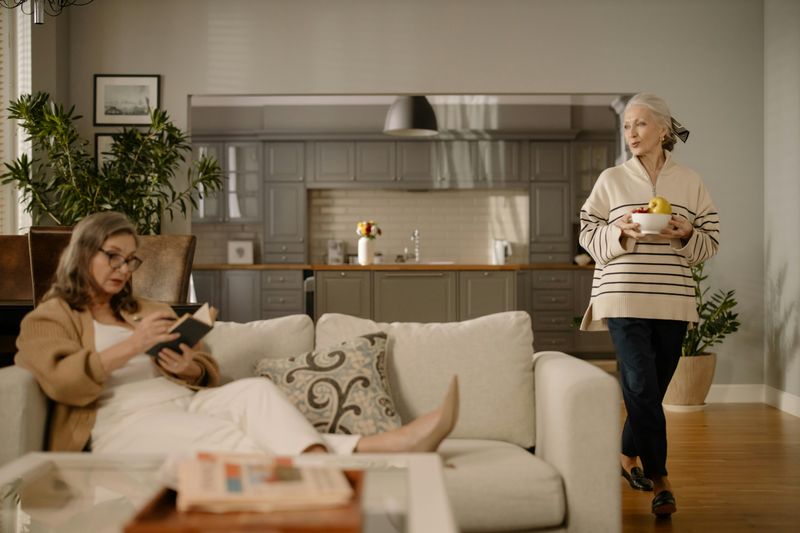
Disappearing for hours without explanation or constantly changing your schedule creates confusion and stress.
Your host needs to know when you’ll be around for meals, when you’re leaving the house, and when you’ll return.
This information helps them plan their own day effectively.
A simple text or quick conversation about your daily plans makes coordination much easier.
Will you need breakfast?
Are you joining them for dinner?
These details matter when someone is accommodating you in their home.
Last-minute changes happen, but communicate them as soon as possible.
Being transparent about your schedule shows consideration and helps avoid awkward situations or wasted food and effort on your host’s part.
Comments
Loading…